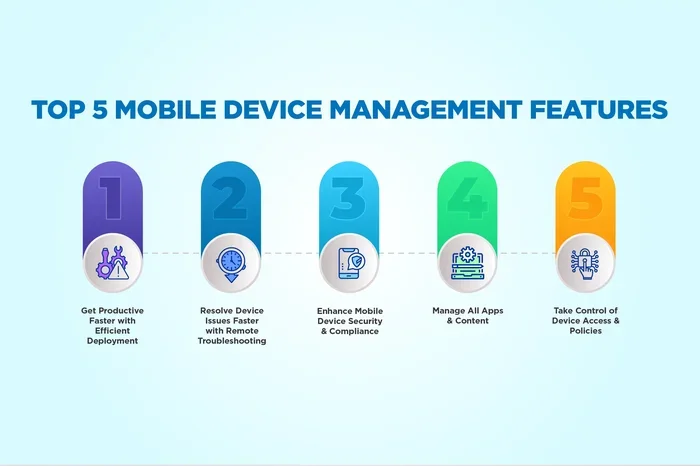

The mdm meaning refers to Mobile Device Management, a technology that helps organizations secure, monitor, and manage smartphones, tablets, and laptops. MDM software lets IT teams enforce security policies, deploy apps, and wipe lost devices remotely. Understanding mdm meaning is the first step toward building a safer, more efficient mobile workforce.
Have you ever heard someone say mdm meaning and felt completely lost? You are not alone. The term mdm meaning stands for Mobile Device Management, and it is one of the most important technologies shaping how modern businesses operate. Whether you run a small startup or a large enterprise, understanding mdm meaning can completely change the way you handle company devices.
In simple terms, mdm meaning refers to the process of managing, securing, and monitoring mobile devices like smartphones, tablets, and laptops. Companies use mdm software to keep track of devices, enforce security rules, and make sure everything runs smoothly. This guide will walk you through the full mdm meaning, why it matters, and how you can get started.
By the end of this article, you will have a clear picture of what mdm meaning really means, how mobile device management works behind the scenes, and why almost every modern business needs it. Let us dive right in.
Key Takeaways
- MDM stands for Mobile Device Management: It is a core tool for managing and securing mobile devices across any organization.
- MDM software simplifies IT administration: It automates device enrollment, policy enforcement, and app distribution at scale.
- Security is the #1 benefit: MDM enables remote wipe, encryption, and real-time device monitoring to protect sensitive data.
- BYOD and enterprise mobility depend on MDM: Without it, managing personal and company devices becomes chaotic and risky.
- Choosing the right MDM platform matters: Look for ease of use, scalability, compliance support, and strong vendor support.
- Common MDM mistakes include poor planning and ignoring user experience: Avoid these to ensure a smooth rollout.
📑 Table of Contents
What Does MDM Meaning Stand For?
The mdm meaning is straightforward. MDM stands for Mobile Device Management. But the full picture goes far beyond just the name. Mobile device management is a type of software solution that allows IT teams to control, secure, and organize all mobile devices used within an organization.
These devices include company-issued smartphones, employee tablets, laptops, and even IoT devices in some cases. The goal of mdm meaning is to keep devices productive, secure, and compliant with company rules. Without mobile device management, IT teams would have to manually check every single device, which is impossible at scale.
Think of mdm meaning as a remote control for all your company devices. It gives IT administrators the power to push updates, block unsafe apps, and even erase data from a lost phone. That is why endpoint management and device management are closely related terms you will often see alongside mdm meaning.
Why Is MDM So Popular Today?
The rise of remote work and mobile workforce trends has made mdm meaning more relevant than ever. Employees now use their own devices or company-issued phones to access emails, files, and business apps from anywhere in the world. This shift is called enterprise mobility, and it brings both opportunities and risks.
On one hand, mobile devices boost productivity. On the other hand, they open doors to data breaches, unauthorized access, and compliance violations. MDM software bridges this gap by giving businesses the tools they need to enjoy the benefits of mobility without sacrificing security.
How MDM Software Works
Understanding the mdm meaning also means knowing how mdm software actually functions. The process is simpler than most people think, and it works behind the scenes without bothering the end user too much.
Device Enrollment
The first step in mobile device management is enrollment. When a new device joins the network, it gets registered in the MDM system. This can happen through a few methods:
- Manual enrollment: The user downloads an MDM profile and installs it on their device.
- Zero-touch deployment: Devices are pre-configured by the vendor and ready to use out of the box.
- QR code enrollment: The user scans a QR code, and the device automatically enrolls itself.
Each method has its place. Zero-touch deployment is especially popular for large organizations that need to set up hundreds or thousands of devices quickly. It saves time and reduces errors during device provisioning.
Policy Enforcement
Once a device is enrolled, the MDM system applies predefined rules. These security policies control what users can and cannot do on their devices. For example, IT teams can:
- Require a device passcode or biometric lock.
- Block copying company data to personal apps.
- Enforce encryption on all stored data.
- Restrict access to certain websites or services.
This is where the real power of mdm meaning shines. Policy enforcement happens automatically, which means no human has to remind every employee to lock their phone. The system handles it all.
Remote Monitoring and Actions
MDM software continuously monitors enrolled devices. If something goes wrong, IT teams can take action from a central dashboard. Common remote actions include:
- Remote wipe: Erasing all data from a lost or stolen device to protect sensitive information.
- Lock device: Preventing access until the issue is resolved.
- App push: Installing or updating business apps without user intervention.
- Location tracking: Finding a misplaced or stolen device.
These capabilities make mobile device tracking and device monitoring effortless. They are essential parts of the full mdm meaning that many people overlook.
Core Features of Mobile Device Management
Not all MDM solutions are created equal. But most quality platforms share a core set of features that define what mdm meaning truly covers. Let us break them down.
App Management
App management is one of the most visible features of any MDM platform. IT teams can distribute business apps, remove unwanted ones, and control which apps can access company data. This is especially important for app management in BYOD policy environments, where personal and work apps live on the same device.
With app management, you can set up separate work profiles. This keeps personal photos and work emails completely isolated. Employees get privacy, and the company gets security. It is a win-win.
Device Inventory and Tracking
Mobile device inventory gives IT teams a bird’s-eye view of every device in use. You can see which devices are active, which are outdated, and which need updates. This is critical for maintaining device compliance across the organization.
Tracking features also help with asset management. You know exactly how many devices you have, where they are, and who is using them. This makes budgeting and planning much easier.
Security and Compliance
Security policies and mobile device compliance go hand in hand with mdm meaning. MDM platforms help businesses meet regulatory requirements like GDPR, HIPAA, and SOC 2. They enforce rules around data encryption, access controls, and audit logging.
If a device falls out of compliance, the MDM system can flag it automatically. IT teams can then take corrective action before any damage occurs. This proactive approach is one of the biggest reasons businesses invest in mobile device management.
Benefits of Implementing MDM
Now that you understand the mdm meaning and how it works, let us talk about why it matters. The benefits of mobile device management go well beyond just IT convenience.
Enhanced Security
The number one reason companies adopt MDM software is security. Mobile devices are the weakest link in most corporate networks. They get lost, stolen, or accessed through unsafe Wi-Fi networks. MDM solutions address these risks with encryption, remote wipe, and real-time threat detection.
When every device follows the same security policies, the attack surface shrinks dramatically. Hackers have fewer entry points to exploit. That alone makes mdm meaning worth understanding for any business leader.
Improved Productivity
MDM software saves IT teams countless hours. Instead of walking to each desk or making repeated phone calls, admins can manage thousands of devices from one dashboard. Device provisioning that used to take days can now happen in minutes with zero-touch deployment.
Employees also benefit. They spend less time dealing with device issues and more time doing their actual jobs. When device management is seamless, everyone wins.
Cost Savings
Managing devices without MDM is expensive. Lost devices mean lost data, which means costly recovery efforts. Non-compliant devices can lead to regulatory fines. MDM solutions reduce all of these risks.
Many businesses also save money on hardware by adopting a BYOD policy. Employees use their own phones and tablets, and MDM software keeps everything secure. This reduces the need for company-issued devices and lowers overall IT spending.
MDM Use Cases Across Industries
The mdm meaning applies to virtually every industry. Let us look at a few real-world examples to bring this concept to life.
Healthcare
Hospitals and clinics use mobile device management to secure patient data on doctors’ tablets and phones. MDM software ensures that devices follow HIPAA compliance rules. If a doctor loses their tablet, IT can trigger a remote wipe to protect patient records.
Retail
Retail chains deploy MDM solutions on employee handheld scanners and point-of-sale devices. Device monitoring ensures these tools stay online and functional during busy shopping seasons. App management pushes new pricing updates and promotional apps instantly.
Field Services
Companies with field technicians rely on endpoint management to keep their mobile workforce connected. MDM platforms push job assignments, maps, and company apps directly to devices. Mobile device tracking helps dispatchers know where technicians are in real time.
Education
Schools and universities use mobile device management to manage tablets and laptops distributed to students. Device compliance checks ensure devices meet usage policies. BYOD policy support lets students use personal devices safely on school networks.
How to Choose the Right MDM Platform
Choosing the right MDM solution can feel overwhelming. There are many options on the market, and each one has its strengths. Here is what to look for when evaluating mobile device management platforms.
Ease of Use
The best mdm software is the one your IT team will actually use. Look for a clean dashboard, intuitive workflows, and helpful documentation. If setup takes weeks, you will lose momentum before you even start.
Scalability
If you plan to grow, your MDM platform needs to grow with you. Ask vendors about their limits on device count, supported operating systems, and zero-touch deployment capabilities. A scalable device management solution saves you from switching platforms later.
Compliance Support
Make sure the MDM solution supports the regulations your industry requires. Look for built-in compliance templates, audit logs, and reporting features. This is especially important for healthcare, finance, and government organizations.
Vendor Support and Community
Even the best MDM software will have issues at some point. Choose a vendor with responsive support, active user communities, and regular updates. A strong support ecosystem makes all the difference when troubleshooting device management challenges.
Pricing Model
Compare pricing carefully. Some vendors charge per device, while others offer flat-rate plans. Factor in costs for app management, advanced analytics, and premium support. The cheapest option is not always the best value for mobile workforce needs.
Common MDM Mistakes to Avoid
Even with the best intentions, many organizations make avoidable mistakes when implementing mobile device management. Here are the most common ones.
Skipping the Planning Phase
Jumping into mdm software without a clear plan is the fastest way to fail. Define your goals, identify your device types, and map out your BYOD policy before you start. Proper planning saves time and money in the long run.
Ignoring User Experience
Heavy-handed MDM policies can frustrate employees. If your device management rules feel too restrictive, users may try to work around them. Balance security with usability. Communicate clearly about what the MDM system can and cannot do.
Neglecting Ongoing Maintenance
Setting up mobile device management is not a one-time task. You need to review security policies regularly, update device profiles, and remove old devices from the inventory. Ongoing maintenance keeps your device compliance strong and your data safe.
Conclusion
The mdm meaning is more than just a tech acronym. It represents a powerful approach to securing, managing, and empowering mobile devices across every type of organization. From MDM software that automates device enrollment to security policies that protect sensitive data, mobile device management has become an essential part of modern business operations.
Whether you are a small business exploring enterprise mobility or a large corporation managing thousands of devices, understanding mdm meaning gives you the foundation you need to succeed. The right MDM solution improves security, boosts productivity, and saves money. Start small, plan carefully, and scale as your needs grow. Your mobile workforce will thank you for it.
Frequently Asked Questions
What is the mdm meaning in simple terms?
MDM meaning stands for Mobile Device Management. It refers to software that helps businesses manage, secure, and monitor smartphones, tablets, and laptops. Think of it as a central control system for all your company devices.
How is MDM different from endpoint management?
Endpoint management is a broader term that includes all devices connecting to a network, like desktops and servers. MDM software specifically focuses on mobile devices like phones and tablets. However, the two terms often overlap in practice, and many platforms offer both capabilities.
Is MDM only for large companies?
No. While large enterprises benefit the most from mobile device management, small and medium businesses can also use MDM solutions. Many modern MDM platforms offer affordable plans designed for smaller teams with fewer devices.
Can MDM see my personal data?
In a well-configured BYOD policy, MDM should only manage work-related data. The system can see device health and compliance status but should not access personal photos, messages, or apps. Always review the privacy policy of your MDM solution before enrollment.
What happens if I lose my company device?
With MDM software, IT administrators can trigger a remote wipe to erase all company data from the lost device. They can also lock the device to prevent unauthorized access. This is one of the most valuable features of mobile device management.
Do I need MDM if my company uses a BYOD policy?
Yes, absolutely. A BYOD policy without MDM software is like having an open door with no lock. MDM ensures that personal devices used for work meet security policies and device compliance standards. It protects both the employee and the business.