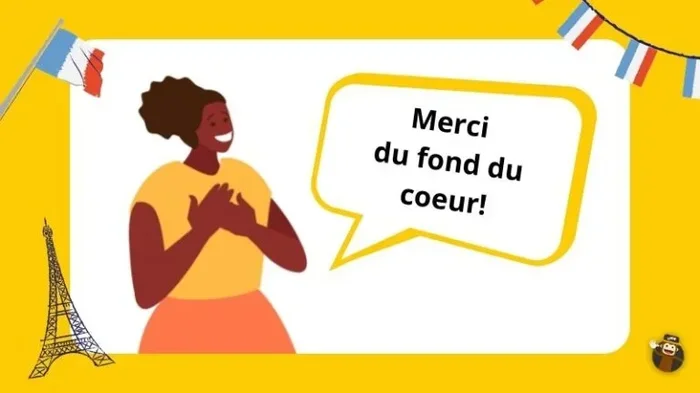

Saying thank you in french goes far beyond just one word. French speakers use many expressions depending on the situation, formality, and relationship. This guide covers everything from the simple merci to heartfelt phrases you will actually use in real life.
Key Takeaways
- Multiple ways to say thank you: French has formal, informal, and creative expressions for gratitude that fit every situation.
- Formality matters: Using the right level of politeness shows respect and helps you sound like a native speaker.
- Texting changes things: French speakers use shorter, casual thank you phrases in messages, just like people use abbreviations such as WTW meaning in text or TS meaning in text in English.
- Context is key: The right phrase depends on whether you are thanking a friend, a boss, or someone you just met.
- Small details make a big difference: Gender agreement, tone, and personalization all elevate your thank you expressions.
📑 Table of Contents
- Why Learning to Say Thank You in French Matters
- The Most Common Ways to Say Thank You in French
- Formal vs Informal Thank You in French
- Creative and Fun Ways to Say Thank You in French
- Thank You in French for Different Situations
- Common Mistakes When Saying Thank You in French
- Quick Tips to Sound More Like a Native Speaker
- Conclusion
Why Learning to Say Thank You in French Matters
Knowing how to say thank you in french opens doors. It shows respect. It builds connections. And it makes people smile.
The thank you in french phrase is one of the first things you learn. But there is so much more to explore. French has many ways to express gratitude. Each one fits a different situation. Mastering them helps you sound like a local.
Whether you are traveling to Paris or chatting with a French friend, the right thank you phrase makes all the difference. It shows you care about the language and the culture. People notice when you make the effort. And that effort pays off in real friendships and meaningful conversations.
French culture values politeness deeply. Saying thank you is not just a formality. It is a genuine expression of appreciation. So let us dive into all the ways you can say thank you in french like a true native.
The Most Common Ways to Say Thank You in French
Let us start with the basics. The most common thank you in french expression is “merci.” It works in almost every situation. But French speakers have many variations to choose from.
Merci — The Simple and Universal Thank You
“Merci” is your go-to word. It is simple, warm, and always appropriate. You can use it with friends, strangers, and even bosses.
Here are some ways to use “merci” in real life:
- Someone holds the door for you — say “merci.”
- A friend helps you with homework — say “merci.”
- A server brings your food — say “merci.”
- A coworker shares helpful information — say “merci.”
It is short and sweet. And everyone understands it. This is why “merci” is the most popular french word for thank you. You will hear it everywhere, from busy markets to quiet cafés.
Merci Beaucoup — Adding Emphasis
Want to show extra gratitude? Add “beaucoup” after “merci.” The result is “merci beaucoup.” This means “thank you very much.”
This thank you phrase is perfect for bigger gestures. Someone gave you a gift? Say “merci beaucoup.” A stranger helped you find your way? Say “merci beaucoup.”
French learners love this phrase because it sounds natural. It is also one of the first french expressions of gratitude people pick up. You will use it constantly, and it never sounds forced.
Merci Bien — A Polite and Gentle Alternative
“Merci bien” is another lovely option. It means “thank you very much” too. But it has a slightly softer tone. Some people use it to sound more gentle and gracious.
This phrase works well in written messages. It also fits nicely in emails and formal letters. It is a subtle but effective way to show appreciation.
Formal vs Informal Thank You in French
French has distinct levels of formality. This is one of the trickiest parts of the language. But once you understand it, everything clicks.
The way you say thank you in french changes depending on who you are talking to. Let us break it down clearly.
Formal Thank You Expressions
In formal settings, you want to sound respectful and polished. Here are the top formal thank you phrases:
- Je vous remercie — I thank you (formal)
- Je vous remercie beaucoup — I thank you very much
- Je vous suis très reconnaissant(e) — I am very grateful to you
Use these when speaking to elders, bosses, or people you do not know well. They show proper french etiquette and good french manners. The formal “vous” form is essential in professional and unfamiliar settings.
Informal Thank You Expressions
With friends and family, keep it casual. Here are the best informal thank you options:
- Merci — Thank you
- Merci beaucoup — Thank you so much
- Merci infiniment — Thank you infinitely
- Merci pour tout — Thanks for everything
These casual thank you phrases feel warm and friendly. They are perfect for everyday conversations. You will hear them all the time in casual settings with people you know well.
Formal vs Informal Comparison
Here is a clear comparison of formal and informal ways to say thank you in french:
| Category | Formal | Informal |
|---|---|---|
| Basic Phrase | Je vous remercie | Merci |
| Emphatic Version | Je vous remercie beaucoup | Merci beaucoup |
| Deep Gratitude | Je vous suis très reconnaissant(e) | Merci infiniment |
| Best For | Strangers, elders, bosses | Friends, family, peers |
| Tone | Respectful and polished | Warm and casual |
See how simple it is? You just match the phrase to the situation. That is the key to sounding natural in any conversation.
Creative and Fun Ways to Say Thank You in French
French speakers love to add flair to their expressions. There are many creative ways to say thank you in french that go beyond the basics.
Merci Mille Fois — Thank You a Thousand Times
“Merci mille fois” is a beautiful phrase. It literally means “thank you a thousand times.” Use it when someone has gone above and beyond for you.
This phrase shows deep appreciation. It is heartfelt and memorable. Your French friend will love hearing it. It is one of the most expressive french phrases for gratitude you can learn.
Merci du Fond du Cœur — Thank You from the Bottom of My Heart
This is one of the most emotional thank you translations in French. It means you are truly touched. Use it for meaningful moments.
It works great in cards, letters, and personal messages. It shows sincerity like nothing else. When someone has been especially kind, this phrase will make their day.
Merci Pour Ce Beau Moment — Thank You for This Beautiful Moment
This phrase is perfect after a great experience. Maybe someone cooked you dinner. Or maybe you had a wonderful conversation together.
It is thoughtful and specific. This makes it one of the best french conversational phrases to learn. People remember when you acknowledge a special moment.
Adding Personal Touches with French Names
When you write thank you notes in French, adding a personal touch matters. You can use someone’s first name or a nickname to make your message feel special. French culture values personal connection, so addressing someone by name in your message adds warmth and sincerity.
If you are curious about how French names work and want some fun examples, check out funny French names for inspiration. Understanding French naming conventions can help you choose the right form of address in your thank you messages.
This small detail can make your thank you message feel more genuine and personal. It shows you put thought into your words.
Thank You in French for Different Situations
Not all thank you moments are the same. The right phrase depends on the situation. Let us explore how to say thank you in french for different scenarios you will encounter.
Thank You for a Gift
Receiving a gift calls for extra warmth. Try these phrases:
- “Merci beaucoup pour le cadeau!” — Thank you very much for the gift!
- “C’est très gentil, merci!” — That is very kind, thank you!
- “Je suis touché(e), merci infiniment.” — I am touched, thank you so much.
These french polite phrases show genuine excitement. They make the giver feel truly appreciated. Never underestimate the power of a thoughtful thank you when receiving a gift.
Thank You for Help
When someone helps you, be specific. People notice when you do. Here are some great options:
- “Merci pour ton aide!” — Thanks for your help!
- “Je ne saurais trop te remercier.” — I cannot thank you enough.
- “Tu es au top, merci!” — You are the best, thanks!
The last one is very casual and fun. It works great with close friends. Being specific about what you are thanking someone for makes your gratitude feel more real.
Thank You in Text Messages
Texting has changed how we say thank you in french. People use shorter, quicker phrases when they message. You might also see English abbreviations mixed in, just like WTW meaning in text or TS meaning in text are used in English texting. French speakers do the same thing sometimes, especially among younger generations.
Here are some great thank you in french text shortcuts:
- Merci ! — Simple and quick
- Merci bcp — Short for merci beaucoup
- Merci infiniment ❤️ — Extra warm and sweet
- Merci pour tout 🙏 — Thanks for everything
Keep it short and natural. French texters prefer brevity. A simple “merci” or “merci bcp” works perfectly in most text exchanges. Overthinking it can make your message feel stiff.
Thank You in Professional Settings
Workplace thank you messages need a professional tone. Use these french phrases for gratitude at the office or in business meetings:
- “Je vous remercie pour votre confiance.” — I thank you for your trust.
- “Merci pour cette opportunité.” — Thank you for this opportunity.
- “Je suis reconnaissant(e) pour votre soutien.” — I am grateful for your support.
- “Merci pour votre temps précieux.” — Thank you for your valuable time.
These phrases show professionalism. They also build strong working relationships in French-speaking environments. In business culture, a well-placed thank you can set you apart.
Common Mistakes When Saying Thank You in French
Even advanced learners make mistakes. Let us look at the most common ones and how to avoid them.
Using the Wrong Level of Formality
This is the biggest mistake learners make. Using “tu” forms with a boss or “vous” forms with a close friend can feel awkward and even disrespectful.
Always match your thank you in french to the relationship. When in doubt, start formal. You can always switch to informal later as the relationship grows closer.
Forgetting Gender Agreement
French adjectives change based on gender. “Reconnaissant” is for men. “Reconnaissante” is for women. This small detail matters more than you might think.
It shows attention to detail. And native speakers will notice and appreciate it. Getting the gender right is one of those small things that makes your French sound polished and thoughtful.
Overusing Merci Beaucoup
“Merci beaucoup” is great. But using it for every single thank you can sound repetitive and flat. Mix it up with other phrases.
Try “merci bien,” “merci infiniment,” or “merci pour tout.” Variety makes your French sound more natural and fluent. It also shows you have a richer vocabulary.
Quick Tips to Sound More Like a Native Speaker
Want to take your gratitude expressions to the next level? Here are some quick tips that make a big difference.
- Use the right tone. French is a musical language. Your tone matters just as much as your words. A warm, slightly rising tone at the end of “merci” makes it feel genuine and heartfelt.
- Add a smile. This works in any language. A smile paired with “merci” makes the phrase feel warm and real. Do not underestimate the power of a friendly face.
- Practice in context. Do not just memorize phrases. Use them in real conversations. The more you practice, the more natural they become.
- Watch French media. Movies, shows, and podcasts expose you to how native speakers actually say thank you. You will pick up natural rhythms and expressions this way.
- Write thank you notes in French. This is a great exercise. It helps you practice writing and shows appreciation at the same time. Try writing a short note to a French-speaking friend.
Conclusion
Learning to say thank you in french is more than just memorizing words. It is about connecting with people. It is about showing respect and warmth in a beautiful language.
From the simple “merci” to the heartfelt “merci du fond du cœur,” each phrase has its place. Use the formal expressions in professional settings. Use the casual ones with friends. And always add your own personal touch.
The French take gratitude seriously. And when you get it right, people notice. You will make their day. And you will make your own French journey so much more rewarding.
So go ahead. Practice these phrases today. Say “merci” with confidence. And watch how it changes the way people respond to you. A simple thank you can open the brightest doors.
Frequently Asked Questions
What is the most common way to say thank you in French?
The most common way is simply “merci.” It is short, universal, and works in almost every situation. Whether you are in a store, at a friend’s house, or meeting someone new, “merci” is always the right choice.
When should I use formal thank you expressions in French?
Use formal expressions like “je vous remercie” when speaking to people you do not know well, elders, bosses, or in professional settings. The formal “vous” form shows respect and is expected in these situations. Switching to informal “tu” forms comes later as relationships develop.
Can I use English abbreviations when texting thank you in French?
Yes, French texters sometimes use English abbreviations just like people do in English texting. You might see abbreviations similar to WTW meaning in text or TS meaning in text used in casual French digital communication. However, sticking to French phrases like “merci bcp” keeps things natural and shows your language skills.
How do I thank someone for a gift in French?
You can say “merci beaucoup pour le cadeau” or “c’est très gentil, merci.” Adding “je suis touché(e)” shows extra sincerity. The key is to be specific about what you are grateful for. A thoughtful thank you message makes the giver feel truly appreciated.
What is the difference between merci beaucoup and merci infiniment?
“Merci beaucoup” means “thank you very much” and is used in everyday situations. “Merci infiniment” means “thank you infinitely” and carries a deeper, more emotional weight. Reserve “merci infiniment” for truly meaningful moments or when someone has done something exceptionally kind for you.
Does gender matter when saying thank you in French?
Yes, gender agreement matters in French. When using adjectives like “reconnaissant” or “reconnaissante,” you must match the gender of the speaker. A male speaker says “je suis reconnaissant” while a female speaker says “je suis reconnaissante.” This small detail shows attention to grammar and makes your French sound more polished.



