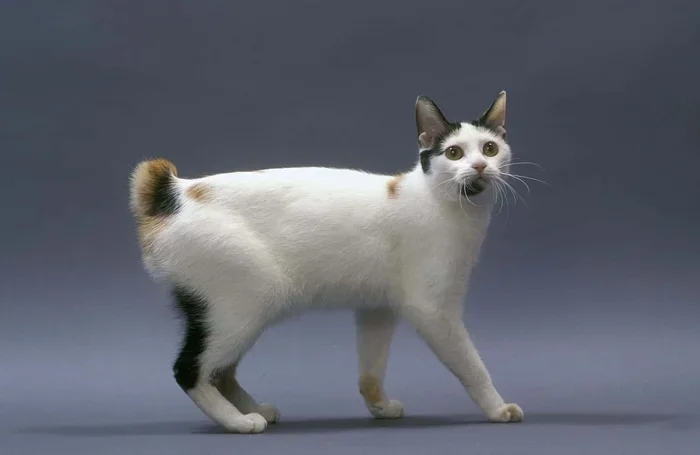

So, how to say cat in Japanese? The answer is neko (猫). This simple word opens the door to a fascinating world of Japanese language and cat culture. Whether you want to write it in hiragana, katakana, or kanji, we have you covered.
Have you ever wondered how to say cat in Japanese? Maybe you just came home to your furry friend and wanted to greet them in another language. Or perhaps you are learning Japanese and want to build your vocabulary fast. Either way, you are in the right place.
The word for cat in Japanese is neko. It is short, sweet, and easy to say. But there is so much more to explore. In this guide, we will break down everything you need to know. From pronunciation to writing systems, from Japanese cat culture to fun naming ideas, we will cover it all.
Let us dive right in.
## The Word Neko: How to Say Cat in Japanese
The most common and direct way to say cat in Japanese is neko. This word works in almost every situation. You can use it in casual conversation, in writing, or even when talking about cats in general.
### What Does Neko Mean?
Neko simply means cat. It refers to all cats, whether they are house pets, stray cats, or wild felines. In Japan, neko carries a special cultural weight. Cats are seen as lucky animals. The famous Maneki-neko (beckoning cat) figurine is a symbol of good fortune.
### How to Pronounce Neko
Pronouncing neko is straightforward. Here is a simple breakdown:
- Ne — sounds like the English word “neh.” Think of it as a short, soft “n” followed by a pure “eh” vowel.
- Ko — sounds like “koh.” A short “k” followed by a bright “oh” vowel.
Put them together, and you get neh-koh. That is it. There is no silent letter. There is no tricky sound. If you can say “neh-koh,” you can say neko like a native speaker.
### Quick Tip
Do not stress any one syllable. In Japanese pronunciation, each syllable gets equal weight. This is called moraic timing. Keep your rhythm even, and it will sound natural.
## Writing Cat in Japanese: Hiragana, Katakana, and Kanji
One of the coolest things about Japanese writing is that there are three systems. You can write neko in all three. Let us look at each one.
### Hiragana: ねこ
Hiragana is the basic Japanese alphabet. It is where beginners start. The word neko in hiragana is ねこ.
– ね = ne
– こ = ko
This is the most common way to write the word in everyday Japanese text. Children’s books, casual messages, and simple signs all use hiragana.
### Katakana: ネコ
Katakana is used for foreign words and emphasis. Writing neko in katakana looks like ネコ.
– ネ = ne
– コ = ko
You will see ネコ used in signs, advertisements, and when the word needs to stand out. It gives a modern, bold feel.
### Kanji: 猫
Kanji are Chinese characters adopted into Japanese. The kanji for cat is 猫.
– 猫 is made up of two parts. The radical on the left relates to animals. The right side provides the sound.
Kanji looks elegant and is used in formal writing, literature, and art. If you want to impress a Japanese speaker, writing 猫 is a great move.
### Comparison Table
| Writing System | Character | When to Use It |
|---|---|---|
| Hiragana | ねこ | Everyday writing, beginner-friendly |
| Katakana | ネコ | Emphasis, signage, modern feel |
| Kanji | 猫 | Formal writing, art, literature |
## Cat in Japanese Grammar: How to Use Neko in Sentences
Knowing the word neko is just the start. You need to know how to use it in sentences. Japanese grammar works a bit differently from English, but it is not hard.
### Basic Sentence Structure
In Japanese, the typical sentence order is Subject-Object-Verb. This is different from English, which uses Subject-Verb-Object.
Here are some simple examples:
- Watashi wa neko ga suki desu. — I like cats.
- Neko wa kuruma no ue ni nemasu. — The cat sleeps on top of the car.
- Kawaii neko desu ne. — It is a cute cat, right?
### Using Neko as a Prefix
In Japanese, neko can also act as a prefix. You will see it in compound words:
- Neko-jita — cat tongue (someone who cannot eat hot food)
- Neko-bukuro — cat bag (a small pouch for carrying things)
- Neko-ana — cat hole (a cat door or opening)
These words show how versatile neko is in the Japanese language.
## Japanese Cat Culture: Why Neko Matters
Understanding how to say cat in Japanese is one thing. Understanding why the word matters is another. Japan has a deep and beautiful cat culture.
### The Maneki-neko: The Beckoning Cat
You have probably seen the Maneki-neko statue. It is the lucky cat with one paw raised. You will find it in shops, restaurants, and homes across Japan.
– A raised left paw attracts customers.
– A raised right paw invites good fortune.
– A raised both paws offers protection.
The Maneki-neko is a symbol of neko in Japanese tradition. It shows how much cats are loved and respected.
### Cat Islands of Japan
Japan is home to several islands where cats outnumber humans. Aoshima, also known as Cat Island, is one of the most famous. Visitors travel from all over to see these free-roaming cats.
The word neko is everywhere on these islands. Signs, shops, and even local souvenirs feature it.
### Hello Kitty and Anime Cats
Japanese pop culture is filled with cat characters. Hello Kitty is perhaps the most famous. Anime series like Chi’s Sweet Home center entirely on a cute kitten named Chi.
These characters use the word neko in dialogue and marketing. They help spread the love for cats worldwide.
## Fun Cat Names in Japanese
Looking for a Japanese cat name? There are many adorable options. If you want more ideas, check out our funny cat names list for even more inspiration.
Here are some popular ones:
- Tama (たま) — means “ball” or “jewel.” A classic name for a round, fluffy cat.
- Miku (みく) — a sweet, gentle name that works well for female cats.
- Kuro (くろ) — means “black.” Perfect for a dark-furred feline.
- Shiro (しろ) — means “white.” Great for a snowy white cat.
- Botan (ぼたん) — means “peony.” A beautiful and unique name.
For black cats specifically, our funny black cat names guide has even more creative options.
## Common Mistakes When Saying Cat in Japanese
Learning a new language means making mistakes. Here are some common ones to watch out for.
### Mistake 1: Confusing Neko with Other Animal Words
Some learners mix up neko with words for other animals. Here is a quick reference:
- Neko (ねこ / 猫) — cat
- Inu (いぬ / 犬) — dog
- Tori (とり / 鳥) — bird
- Usagi (うさぎ / 兎) — rabbit
Mixing these up is common but easy to fix with practice.
### Mistake 2: Mispronouncing the Vowels
Japanese vowels are pure and short. Do not stretch them out. Do not add extra sounds. Keep each syllable clean and crisp.
### Mistake 3: Using the Wrong Politeness Level
Japanese has different levels of politeness. For casual talk, neko is perfect. In very formal settings, you might hear more elaborate phrasing. But for everyday use, neko is always appropriate.
## Expert Insights: Why Learning Neko Opens Doors
Language experts often say that learning animal words is one of the fastest ways to build vocabulary. The word neko is a perfect example. It is short, memorable, and culturally rich.
According to language educators, Japanese learners who start with simple nouns like neko build confidence quickly. These small wins motivate further study.
Moreover, understanding Japanese pet culture gives learners a window into daily life in Japan. Cats are everywhere in Japanese media, art, and folklore. Knowing the word neko connects you to that world.
## Final Thoughts
So, how to say cat in Japanese? It is neko. Two syllables. One word. A world of meaning behind it.
Whether you write it in hiragana, katakana, or kanji, the word carries the same warmth and charm. Japan loves cats, and now you can speak their language too.
Start using neko in your conversations. Try writing it in different scripts. Name your pet with a Japanese cat name. Every small step builds your Japanese language skills and deepens your appreciation for this beautiful culture.
The next time you see a cat, try saying neko out loud. You will smile. They might even purr.
Key Takeaways
- The basic word for cat in Japanese is neko, and you will learn how to pronounce it correctly in seconds.
- You can write cat in Japanese using hiragana, katakana, or kanji, each with its own charm and use.
- Japanese cat culture is huge, and understanding the word neko helps you connect with it on a deeper level.
- Pronunciation is simple, and our step-by-step guide makes it easy for beginners.
- Fun cat names in Japanese add a creative twist if you are naming your feline friend.
- Common mistakes are easy to avoid once you know the basics of Japanese grammar and word order.
Frequently Asked Questions
What is the Japanese word for cat?
The Japanese word for cat is neko (ねこ in hiragana, ネコ in katakana, and 猫 in kanji). It is simple to pronounce and works in almost every context.
How do you write cat in Japanese kanji?
The kanji for cat is 猫. It combines an animal radical on the left with a phonetic component on the right. This character is used in formal and artistic Japanese writing.
Is neko used for male and female cats?
Yes, neko is gender-neutral. It refers to any cat regardless of sex. If you need to specify gender, you can add modifiers, but the base word stays the same.
Can I use neko as a name for my pet?
Absolutely. Many Japanese pet owners call their cats neko as a term of endearment. You can also pair it with other words to create cute nicknames.
How is neko different from inu?
Neko means cat, while inu means dog in Japanese. They are completely different words with distinct kanji, pronunciation, and usage.
What does the Maneki-neko symbolize?
The Maneki-neko is a beckoning cat figurine that symbolizes good luck and fortune. It is one of the most recognizable symbols of Japanese cat culture worldwide.



