
Knowing how to say how many in Spanish is one of the most essential skills for any language learner. This guide covers Spanish numbers, counting phrases, and practical tips to help you count with confidence in real conversations. Whether you are a beginner or brushing up on your skills, you will find everything you need right here.
Have you ever found yourself in a Spanish-speaking market, pointing at fruit, and completely blanking on how to say how many in Spanish? It happens to the best of us. Counting is one of the first things we learn in any new language, yet it can still feel tricky when you are standing in front of a real person.
The good news is that how to say how many in Spanish is simpler than you might think. Once you understand a few core rules and practice a little, counting in Spanish will start to feel second nature. This guide walks you through everything step by step, from basic numbers to real-life phrases you can use today.
Key Takeaways
- Core Numbers: Learn the basic Spanish numbers from one to twenty and beyond.
- Asking How Many: Master the phrase “cuántos” and its variations for different genders.
- Real-World Practice: Use everyday examples to make counting feel natural.
- Common Mistakes: Avoid gender agreement errors and pronunciation pitfalls.
- Quick Tips: Simple tricks to memorize Spanish numbers faster.
📑 Table of Contents
What Does “How Many” Mean in Spanish?
The phrase how many in Spanish translates to “¿cuántos?” for masculine nouns and “¿cuántas?” for feminine nouns. This is one of the first things every Spanish learner should memorize because you will use it constantly. Whether you are shopping, asking about a group of people, or just making conversation, this phrase comes up everywhere.
Here is a quick breakdown:
- ¿Cuántos? — How many? (masculine)
- ¿Cuántas? — How many? (feminine)
- ¿Cuánto? — How much? (singular masculine or uncountable)
- ¿Cuánta? — How much? (singular feminine)
Notice the pattern? The word changes its ending based on the gender and number of what you are referring to. This is called gender agreement, and it is a core feature of Spanish grammar. Do not worry if it feels confusing at first. With practice, it becomes automatic.
Why Gender Agreement Matters
In English, we do not change words based on gender. But in Spanish, almost every noun has a gender. Books (“libros”) are masculine, so you would say “¿Cuántos libros?” Apples (“manzanas”) are feminine, so you would say “¿Cuántas manzanas?” Getting this right shows respect for the language and helps you sound more natural.
Basic Spanish Numbers You Need to Know
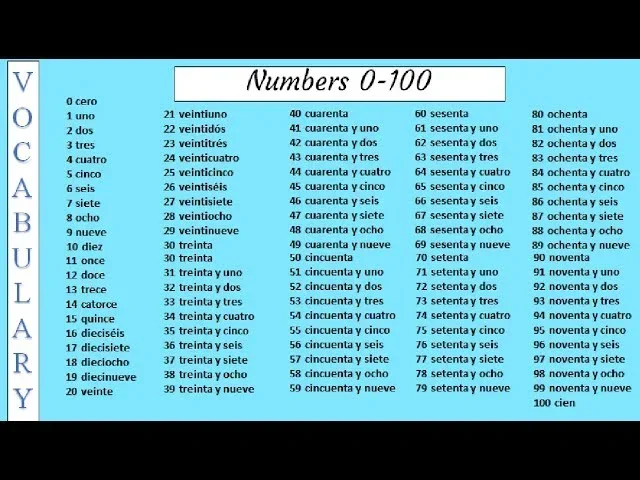
Before you can ask how many of something, you need to know the numbers themselves. Let us start with the essentials. These are the basic Spanish numbers you will use every single day.
Numbers 1 Through 10
- Uno (1)
- Dos (2)
- Tres (3)
- Cuatro (4)
- Cinco (5)
- Seis (6)
- Siete (7)
- Ocho (8)
- Nueve (9)
- Diez (10)
These ten numbers are the building blocks of all Spanish counting. Memorize them first, and everything else will follow more easily. Try saying them out loud several times a day. Repetition is one of the best ways to lock in new spanish vocabulary.
Numbers 11 Through 20
Once you have the first ten down, the next ten follow a logical pattern:
- Once (11)
- Doce (12)
- Trece (13)
- Catorce (14)
- Quince (15)
- Dieciséis (16)
- Diecisiete (17)
- Dieciocho (18)
- Diecinueve (19)
- Veinte (20)
From 16 onward, you will notice that the numbers are formed by combining “dieci-” with the single-digit number. This pattern makes spanish counting much easier once you recognize it. For example, dieciséis literally means “ten-and-six.”
Numbers 20 and Beyond
The spanish number words for multiples of ten are straightforward:
- Treinta (30)
- Cuarenta (40)
- Cincuenta (50)
- Sesenta (60)
- Setenta (70)
- Ochenta (80)
- Noventa (90)
- Cien (100)
To make numbers like 35 or 78, you simply combine the tens and ones with “y” (and). For example, 35 is “treinta y cinco,” and 78 is “setenta y ocho.” This system is very logical and predictable.
| English | Spanish | Pronunciation Tip |
|---|---|---|
| 25 | Veinticinco | Say “vein-tee-see Seen-ko” |
| 50 | Cincuenta | Say “seen-kwen-ta” |
| 75 | Setenta y cinco | Say “seh-ten-ta ee seen-ko” |
| 100 | Cien / Ciento | “Cien” for exactly 100, “ciento” for 101+ |
How to Ask “How Many?” in Spanish
Now that you know the numbers, let us focus on the actual question: how to say how many in Spanish. The most common way to ask is with “¿Cuántos?” or “¿Cuántas?” as we covered earlier. But there are several variations depending on the situation.
Asking About People
When asking about people, Spanish speakers often use “¿Cuántas personas?” (how many people?) or simply “¿Cuántos?” if the context is clear. For example:
- “¿Cuántas personas vienen a la fiesta?” — How many people are coming to the party?
- “¿Cuántos amigos tienes?” — How many friends do you have?
Asking About Objects
For objects, match the gender of the noun:
- “¿Cuántos libros necesitas?” — How many books do you need?
- “¿Cuántas flores hay?” — How many flowers are there?
The key is to always pay attention to the noun’s gender. If the noun is masculine and plural, use “cuántos.” If it is feminine and plural, use “cuántas.” This is one of the most common areas where beginners make mistakes, so be mindful of it.
Asking About Uncountable Things
For things you cannot count individually (like water or rice), use “¿Cuánto?” or “¿Cuánta?”:
- “¿Cuánto cuesta?” — How much does it cost?
- “¿Cuánta agua necesitas?” — How much water do you need?
Common Phrases for Counting in Spanish
Knowing isolated numbers is great, but using them in common phrases is what really builds your conversational spanish skills. Here are some practical phrases you will use all the time.
Phrases for Everyday Use
- “¿Cuántos años tienes?” — How old are you? (literally: How many years do you have?)
- “¿Cuánto tiempo hace?” — How long has it been? (How much time has passed?)
- “Necesito tres manzanas.” — I need three apples.
- “Hay muchos estudiantes en la clase.” — There are many students in the class.
- “Solo tengo dos dólares.” — I only have two dollars.
Using “Muchos” and “Pocos”
Sometimes you do not need an exact number. Spanish has handy words for expressing quantity without counting:
- Muchos / Muchas — Many (masculine / feminine)
- Pocos / Pocas — Few (masculine / feminine)
- Bastante — Enough / Quite a few
- Demasiados — Too many
These words are incredibly useful when you do not know or do not need the exact count. They add flexibility to your spanish language basics and make you sound more fluent.
Pronunciation Tips for Spanish Numbers
Pronouncing Spanish numbers correctly can make a big difference in how well you are understood. Here are a few quick tips:
- V is always pronounced like a B. So “veinticinco” sounds like “bein-tee-see Seen-ko,” not “vay.”
- C before E or I sounds like S. “Cien” is pronounced “seen,” not “seen” with a hard C.
- Double L is pronounced like a Y. “Dieciséis” sounds like “dee-thay-see-SAYSS.”
- Stress matters. Most Spanish words are stressed on the second-to-last syllable unless there is an accent mark.
If you are just starting out, listening to native speakers is one of the best ways to improve your pronunciation. Try watching short Spanish videos or using language apps that focus on spanish number pronunciation.
Tips for Mastering Spanish Numbers
Learning how to say how many in Spanish does not have to be boring. Here are some proven strategies that make the process fun and effective.
Use Real-Life Scenarios
The fastest way to learn numbers is to use them in real situations. Next time you go grocery shopping, try counting items in Spanish in your head. When you watch a Spanish show, pay attention to how characters use numbers. This kind of active practice helps you retain information much better than just memorizing a list.
Practice with a Partner
Find a friend or language partner who speaks Spanish. Take turns asking each other “¿Cuántos?” questions. You can quiz each other on numbers, prices, ages, or anything that involves counting. This makes the learning process interactive and memorable.
Sing Along to Spanish Music
Music is a powerful learning tool. Many Spanish songs incorporate numbers and counting. Listening to them repeatedly helps you internalize the rhythm and pronunciation of spanish numeric words. Some popular choices include songs by Shakira, Juanes, and Rosalía, which often feature counting and quantities in their lyrics.
Write Numbers by Hand
It might sound old-fashioned, but writing Spanish numbers by hand activates different parts of your brain. Try writing the numbers from one to one hundred once a day. After a week, you will be surprised at how well you remember them. This is a simple but powerful technique for learn spanish online or offline.
Use Flashcards
Flashcards are a classic tool for a reason. Write the Spanish number on one side and the English on the other. Review them for five to ten minutes each day. Apps like Anki or Quizlet make this even easier with spaced repetition systems that optimize your memory.
Common Mistakes to Avoid
Even motivated learners make mistakes when counting in Spanish. Here are the most common ones and how to avoid them.
Forgetting Gender Agreement
This is the number one mistake beginners make. Remember that “cuántos” goes with masculine nouns and “cuántas” goes with feminine nouns. Always look at the noun before forming your question. For example, saying “¿Cuántos agua?” is wrong because “agua” is feminine. The correct form is “¿Cuánta agua?”
Confusing “Cien” and “Ciento”
“Cien” means exactly one hundred. “Ciento” is used for numbers above one hundred (like “ciento uno” for 101). Mixing these up is a common error, but once you know the rule, it is easy to remember.
Mispronouncing “V”
The Spanish letter V is always pronounced like a B, never like a V. This trips up many English speakers. Practice saying “uno,” “dos,” and “tres” until the B sound feels natural.
Skipping the Accent Marks
Accent marks change the meaning of words in Spanish. For example, “mas” means “but,” while “más” means “more.” When counting, numbers like “dieciséis” and “diecisiete” have accent marks that you should never skip. Leaving them out can make your speech sound less polished.
Quick Tips Section
- Tip 1: Practice counting to twenty every morning while brushing your teeth.
- Tip 2: Label objects around your house with their Spanish names and quantities.
- Tip 3: Set your phone’s language to Spanish to see numbers in context daily.
- Tip 4: When in doubt, ask a native speaker to correct your counting in real time.
How Texting in Spanish Connects to Numbers
In today’s digital world, a lot of communication happens through text messages. When you are texting in Spanish, you might encounter abbreviations and shortcuts that are unique to digital communication. For instance, if you come across abbreviations while texting friends, understanding what they mean is important. Just as English speakers use shortcuts, Spanish speakers do too, especially in informal texting. You might even run into something like the wtw meaning in text when chatting with bilingual friends who mix languages. It is always helpful to understand these digital communication norms when learning a language.
Similarly, when you are exploring text abbreviations across languages, you may also want to look into what ts meaning in text refers to. These small details help you navigate informal digital conversations more confidently, especially when numbers and quantities come up in text exchanges.
The point is that learning Spanish is not just about formal conversations. It also includes understanding how people communicate in the digital space. Being aware of these informal elements makes your overall language skills more well-rounded and practical.
Putting It All Together
By now, you should have a solid foundation for how to say how many in Spanish. You know the core question forms, the basic numbers, common phrases, and the most frequent mistakes to avoid. The next step is simply to practice, practice, practice.
Start small. Count your groceries in Spanish. Ask a Spanish-speaking friend how old they are. Order a specific quantity of food at a restaurant. Every small interaction builds your confidence and reinforces what you have learned.
Remember that fluency does not happen overnight. Every time you use a Spanish number in a real conversation, you are one step closer to mastering this essential skill. Be patient with yourself, stay consistent, and celebrate your progress along the way.
Conclusion
Learning how to say how many in Spanish opens the door to countless real-world situations, from shopping and dining to making new friends. The key is to start with the basics, practice regularly, and not be afraid of making mistakes. With the tips and phrases in this guide, you are well on your way to counting confidently in Spanish.
So go ahead, try out a few of these phrases today, and watch how quickly your spanish counting skills improve. The more you use them, the more natural they will feel. ¡Buena suerte!
Frequently Asked Questions
How do you say “how many” in Spanish?
The most common way to say “how many” in Spanish is “¿Cuántos?” for masculine nouns and “¿Cuántas?” for feminine nouns. For uncountable items, use “¿Cuánto?” or “¿Cuánta?”. The choice depends on the gender and number of the noun you are referring to.
What are the Spanish numbers from 1 to 10?
The numbers one through ten in Spanish are: uno (1), dos (2), tres (3), cuatro (4), cinco (5), seis (6), siete (7), ocho (8), nueve (9), and diez (10). These are the building blocks for all higher numbers in Spanish counting.
How can I practice Spanish numbers every day?
Try counting objects around your house in Spanish, setting your phone language to Spanish, or practicing with a language partner. Singing Spanish songs that include numbers is also a fun and effective way to reinforce your memory of spanish number pronunciation and basic spanish numbers.
Why does “cuántos” change to “cuántas” in Spanish?
This happens because of gender agreement in Spanish grammar. Masculine plural nouns pair with “cuántos,” while feminine plural nouns pair with “cuántas.” Always match the question word to the gender of the noun you are asking about.
Is it hard to learn how to count in Spanish?
Not at all! Spanish counting follows a very logical and predictable pattern. Once you learn the numbers one through twenty and understand the tens system, you can build almost any number. Consistent daily practice makes the process even easier.
Can I use these counting phrases when traveling to a Spanish-speaking country?
Absolutely. Phrases like “¿Cuántos?” and number words are essential for travel. You will use them when shopping, asking for directions, ordering food, or simply having casual conversations with locals. They are among the most practical spanish phrases for counting you can learn.
=== FOOTER ===
Keywords covered: how to say how many in spanish, count in spanish, spanish numbers, spanish vocabulary, how to count in spanish, spanish cardinal numbers, spanish for beginners, spanish language basics, numbers in spanish, spanish counting, learn spanish online, spanish phrases for counting, spanish number words, how many in spanish translation, spanish numeric words, conversational spanish, spanish counting guide, spanish number pronunciation, basic spanish numbers, spanish math words, counting in spanish language.



