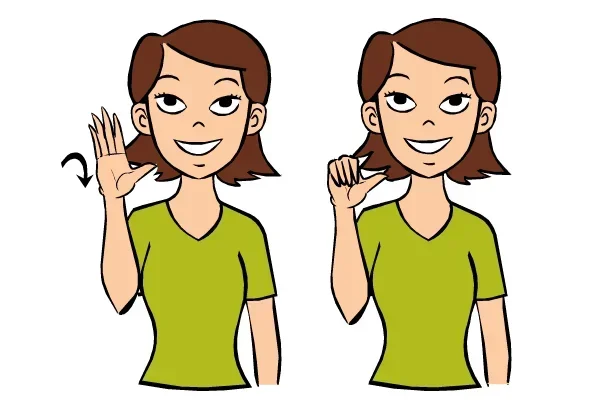

Knowing how to say bye in sign language is a simple yet powerful way to connect with the deaf community. The standard ASL farewell uses a open palm wave combined with a slight outward motion. Whether you are a beginner or brushing up on your skills, this guide covers the proper handshape, common variations, and real-world tips to help you sign goodbye with confidence every time.
Saying goodbye is something we do every single day. But what happens when words are not enough or when you want to communicate with someone who uses sign language? Learning how to say bye in sign language opens a door to better connection and understanding. It is easier than most people think, and you can start using it today.
The ASL sign for bye is one of the first gestures many people learn when exploring American Sign Language. It is simple, friendly, and works in almost any situation. Whether you are saying goodbye to a friend, a colleague, or someone new, this small gesture carries a lot of meaning.
In this guide, we walk you through every detail. You will learn the correct handshape, common variations, and practical tips that help you sign with real confidence. By the end, you will feel ready to wave goodbye in sign language like a pro.
Key Takeaways
- The basic ASL goodbye sign uses an open palm with fingers together, moving outward from the body.
- Several variations exist for casual, formal, and playful farewells in sign language.
- Handshape and direction matter a lot. Getting these right makes your signing look natural and clear.
- Practice with real conversations is the fastest way to build confidence in signing goodbye.
- Facial expressions play a key role in conveying warmth and sincerity when you sign bye.
- Baby sign language also uses a simplified goodbye gesture that is easy for young children to learn.
- Consistency and repetition will help you remember the sign and use it fluently over time.
📑 Table of Contents
- Why Learning How to Say Bye in Sign Language Matters
- The Basic ASL Goodbye Sign: Step-by-Step
- Common Variations of the Bye Sign in Sign Language
- Practice Tips to Build Confidence
- Common Mistakes to Avoid When Signing Goodbye
- The Role of Goodbye Signs in Everyday Communication
- Teaching Kids How to Say Bye in Sign Language
- Key Takeaways
- Conclusion
Why Learning How to Say Bye in Sign Language Matters
Communication is about more than just words. For many people in the deaf community, nonverbal communication is the primary way they share ideas, feelings, and everyday moments. When you learn even a simple sign like goodbye, you show respect and care for their way of connecting.
Here are a few reasons why this small skill matters so much:
- It builds bridges between hearing and deaf communities.
- It shows effort and empathy toward people who communicate differently.
- It boosts your confidence in social situations where sign language is used.
- It is a fun skill that kids and adults can both enjoy learning.
- It opens up new friendships and deeper connections with people who use ASL.
Even knowing just one or two signs can make someone feel seen and valued. A simple ASL farewell gesture can turn an ordinary goodbye into a meaningful moment.
The Basic ASL Goodbye Sign: Step-by-Step
The standard way to sign goodbye in ASL is straightforward. You do not need any special equipment or prior experience. Just follow these steps and you will be signing in no time.
Step 1: Start with the Right Handshape
Hold your dominant hand open with all fingers together. Your palm should face outward, away from your body. Keep your fingers relaxed but not floppy. Think of it as a natural open hand, like you are about to wave at someone from across the room.
Step 2: Add the Motion
Move your hand outward and slightly away from your body. The motion should be smooth and gentle, like you are pushing the air away. Do not snap your wrist or make the movement too large. A small, controlled wave is perfect.
Step 3: Add Facial Expression
This part is easy to overlook but very important. Smile slightly and make eye contact if the person is nearby. Your face should match the warmth of your goodbye. A genuine expression makes the sign feel natural and friendly.
Quick Tips for the Basic Sign
- Keep your fingers together throughout the motion.
- Use your whole arm only if signing at a distance. For close conversations, wrist movement is enough.
- Match the speed to the situation. A slow wave works for casual goodbyes.
- Practice in front of a mirror to check your handshape and motion.
Common Variations of the Bye Sign in Sign Language
Just like spoken language, sign language has different ways to express the same idea. Depending on the context, you might use a casual, formal, or playful version of the goodbye sign. Here are some of the most common variations.
Casual and Quick Goodbye
For everyday situations with friends, you can use a shorter, lighter wave. Simply open your hand and give it a quick flick outward. This version works great in hallways, classrooms, or when you are rushing out the door.
Formal or Respectful Goodbye
In more formal settings, slow down the motion. Make the wave slightly larger and hold it for a beat longer. This shows that you are taking the moment seriously and that you value the person you are greeting or parting from.
Playful or Exaggerated Goodbye
With kids or close friends, you can add a little flair. Try waving both hands at the same time or adding a small hop. Children especially love when adults make signing fun and energetic. It keeps them engaged and excited to learn.
One-Handed vs. Two-Handed Goodbye
While the basic sign uses one hand, you can also use both hands for a more expressive farewell. Two-handed waving looks especially warm and is great for longer goodbyes or when you want to emphasize your sincerity.
Practice Tips to Build Confidence
Anyone can learn how to say bye in sign language, but confidence comes with practice. Here are some proven ways to sharpen your skills and feel comfortable signing in real conversations.
Practice With a Partner
Find a friend or family member who is also learning sign language. Take turns greeting and saying goodbye. Practicing with another person helps you get used to the rhythm and flow of real conversations. It also makes the process more enjoyable.
Use Video Resources
Watching skilled signers is one of the best ways to improve. Look for sign language tutorials on platforms like YouTube or ASL learning apps. Pay close attention to handshape, speed, and facial expressions. Pause and replay sections as needed.
Sign Every Day, Even Briefly
Consistency beats intensity. Even signing a quick goodbye to yourself in the mirror for two minutes a day builds muscle memory. Over time, the sign will start to feel natural and automatic.
Record Yourself
It might feel a little silly at first, but recording yourself signing is incredibly helpful. Watch the playback and compare your handshape and motion to what you see in tutorials. You will notice areas to improve fast.
Join a Signing Group or Class
Local community centers, colleges, and online platforms often offer sign language for beginners classes. Being part of a group gives you accountability and real-world practice. You will also meet others who share your interest in deaf culture and communication.
Common Mistakes to Avoid When Signing Goodbye
Everyone makes mistakes when learning something new. The good news is that most common errors are easy to fix once you know what they are.
Mistake 1: Spreading Fingers Too Wide
An open hand with fingers together looks clean and natural. Spreading your fingers wide can look awkward and may change the meaning of the sign. Keep your fingers relaxed and close together.
Mistake 2: Forgetting Facial Expressions
Sign language is not just about the hands. Your face communicates emotion and intent. A blank expression can make even the correct sign feel flat and unfriendly. Always pair your goodbye sign with a warm smile.
Mistake 3: Moving Too Fast
Speed is not your friend when you are starting out. Rushing through the sign can make it hard to read. Slow down, be deliberate, and let the motion flow naturally.
Mistake 4: Ignoring Body Language
Your body posture matters too. Face the person you are signing to. Stand or sit up straight. Leaning away or turning your body can send the wrong message, even if your handshape is perfect.
The Role of Goodbye Signs in Everyday Communication
Knowing how to communicate without words is a valuable life skill. The goodbye sign is one of the first things you will use in any sign language conversation. It sets the tone for how you part ways and leaves a positive impression.
In the deaf community, greetings and farewells are treated with the same importance as in spoken language. People notice when someone makes the effort to sign properly. A well-executed goodbye shows that you care about clear and respectful communication.
Even in mixed settings where some people hear and some do not, using hand gestures for farewell helps everyone feel included. It is a small act that can make a big difference in how connected people feel.
You might also encounter text-based communication where people use shortcuts. For instance, when chatting online or texting, people often use quick abbreviations. Understanding these can complement your sign language skills when communicating across different platforms. For example, knowing the WTW meaning in text or the TS meaning in text can help you navigate digital conversations alongside your in-person signing skills.
Teaching Kids How to Say Bye in Sign Language
Children pick up sign language faster than most adults expect. The goodbye sign is one of the easiest and most rewarding signs to teach young kids. It gives them a tool to communicate before they can fully speak, and it builds early confidence in self-expression.
Baby sign language often includes a simplified version of the goodbye wave. You can start by holding your baby’s hand and gently opening and closing it while saying “bye bye.” Over time, they will begin to mimic the motion on their own.
Make it fun by turning it into a game. Wave goodbye to stuffed animals, family members, or even pets. The more playful the experience, the more natural it will feel for your child.
Tips for Teaching Kids
- Keep sessions short and fun, around five minutes at a time.
- Repeat the sign often in daily routines like leaving the house or ending playtime.
- Celebrate small wins when your child tries to sign on their own.
- Use songs and rhymes that incorporate the goodbye gesture.
- Be patient and let them learn at their own pace.
Key Takeaways
- The basic ASL goodbye sign uses an open palm with fingers together, moving outward from the body.
- Several variations exist for casual, formal, and playful farewells in sign language.
- Handshape and direction matter a lot. Getting these right makes your signing look natural and clear.
- Practice with real conversations is the fastest way to build confidence in signing goodbye.
- Facial expressions play a key role in conveying warmth and sincerity when you sign bye.
- Baby sign language also uses a simplified goodbye gesture that is easy for young children to learn.
- Consistency and repetition will help you remember the sign and use it fluently over time.
Conclusion
Learning how to say bye in sign language is one of the easiest and most rewarding skills you can pick up. The basic ASL goodbye is simple, elegant, and works in almost any setting. With a little practice and the right approach, you will be signing farewells with confidence in no time.
Remember to focus on handshape, motion, and facial expression. Avoid the common mistakes that beginners often make. And most importantly, have fun with it. The more you practice, the more natural it will feel.
Whether you are signing to a friend, teaching a child, or simply expanding your communication skills, the goodbye sign is a beautiful starting point. It connects people, builds empathy, and shows that you care. So go ahead, give it a try, and sign your next goodbye with confidence.
Frequently Asked Questions
What is the easiest way to remember the ASL goodbye sign?
Think of it as a friendly wave you would give a friend across the street. Keep your hand open, fingers together, and move it outward smoothly. Practicing in front of a mirror a few times a day helps lock it in memory quickly.
Is the goodbye sign the same in all types of sign language?
No, different countries have their own sign languages. The ASL goodbye sign is specific to American Sign Language. British Sign Language and other regional sign languages have their own versions of the farewell gesture.
Can I use both hands for the goodbye sign?
Yes, using both hands is perfectly fine and can look more expressive. The one-handed version is the standard in ASL, but the two-handed version is great for emphasis or when signing to someone at a distance.
How long does it take to learn how to say bye in sign language?
Most people can learn the basic goodbye sign in just a few minutes. However, feeling confident and natural takes a bit more practice. Even a few minutes of daily practice can make a big difference within a week.
Do facial expressions really matter when signing goodbye?
Absolutely. In sign language, facial expressions carry meaning just like words do. A warm smile and friendly expression make your goodbye feel genuine and welcoming, while a blank face can make even the correct sign feel cold.
Can I teach the goodbye sign to my toddler?
Yes, the goodbye sign is one of the best signs to teach toddlers. It is simple, visual, and easy to mimic. Start by guiding their hand gently and repeating the sign during daily routines like leaving the house or ending playtime.



