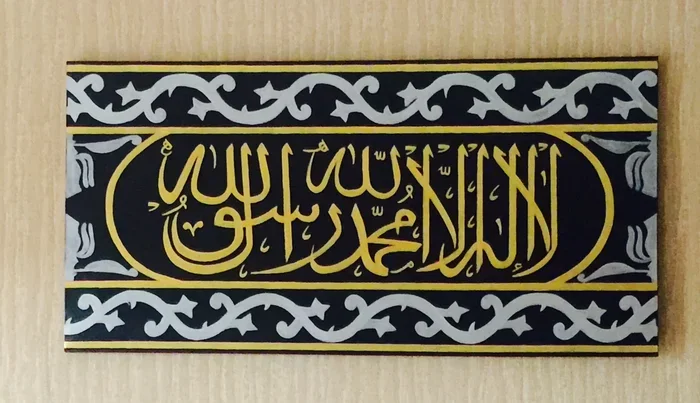

Learning how to say shahada is a meaningful step for anyone exploring Islam or preparing to embrace the faith. This step-by-step guide covers the correct pronunciation, meaning, and common mistakes to avoid so you can say it with confidence and sincerity.
Key Takeaways
- Understand the shahada meaning: It is the Islamic declaration of faith and the foundation of Muslim belief.
- Follow the step-by-step pronunciation guide: Breaking it into syllables makes it easy for beginners to learn.
- Avoid common mistakes: Non-Arabic speakers often mispronounce certain letters and stress patterns.
- Practice consistently: Regular repetition and listening to native speakers will sharpen your pronunciation.
- Learn the deeper meaning: Knowing what you are saying adds sincerity and spiritual connection.
- Use transliteration as a starting point: It helps non-Arabic speakers build confidence before attempting the original Arabic.
📑 Table of Contents
- How to Say Shahada: A Complete Step-by-Step Guide
- What Is the Shahada and Why Does Correct Pronunciation Matter?
- How to Say Shahada: Step-by-Step Breakdown
- Common Mistakes When Saying Shahada (and How to Avoid Them)
- Tips for Mastering Shahada Pronunciation
- The Meaning Behind the Shahada
- How Non-Arabic Speakers Can Learn Shahada Easily
- Why Sincerity Matters Most When Saying Shahada
- Conclusion
How to Say Shahada: A Complete Step-by-Step Guide
Have you ever wondered how to say shahada the right way? Maybe you are exploring Islam, preparing to embrace the faith, or simply curious about this powerful declaration. Whatever your reason, you have come to the right place.
The shahada is one of the most important phrases in Islam. It is the Islamic declaration of faith. Saying it correctly matters because it shows respect and sincerity. In this guide, you will learn the proper shahada pronunciation, step-by-step instructions, common mistakes to avoid, and practical tips to help you master it with confidence.
Whether you are a complete beginner or just want to refine your pronunciation, this shahada guide has everything you need. Let us break it down in simple, easy-to-follow steps.
What Is the Shahada and Why Does Correct Pronunciation Matter?
The shahada translates to “testimony” or “attestation.” It is the core belief in Islam. When a person says the shahada, they declare that there is no god but Allah and that Prophet Muhammad is His messenger. This profession of faith is the first pillar of Islam.
Correct pronunciation matters for several reasons:
- Respect: Saying it properly honors the meaning behind the words.
- Clarity: Proper pronunciation ensures others understand your declaration.
- Sincerity: Learning the correct way shows genuine effort and commitment.
- Spiritual connection: Pronouncing it right helps you connect more deeply with the phrase.
Many people ask, “How do I pronounce shahada?” The good news is that once you break it down, it becomes much simpler. Let us look at the step-by-step process.
How to Say Shahada: Step-by-Step Breakdown
The full shahada in Arabic is: أشهد أن لا إله إلا الله وأن محمدًا رسول الله. The transliteration reads: “Ash-hadu an la ilaha illa Allah, wa ash-hadu anna Muhammadan rasul Allah.”
Here is how to say shahada correctly, broken into manageable parts.
Step 1: Learn the First Phrase
The first part is: “Ash-hadu an la ilaha illa Allah.”
This means: “I bear witness that there is no god but Allah.” Let us break it down further:
- Ash-hadu — Say it like “UHS-hah-doo.” The “sh” sound is soft, like the “sh” in “shoe.” The “h” is a gentle breath, not harsh.
- an — Say it like “uhn.” A short, simple sound.
- la ilaha — Say it like “lah I-lah-hah.” The “la” is short. “Ilaha” has a soft “h” at the end.
- illa Allah — Say it like “ih-LAH Allah.” The “ll” in “illa” is doubled. “Allah” is pronounced with a light “L” and a soft “h.”
Step 2: Learn the Second Phrase
The second part is: “Wa ash-hadu anna Muhammadan rasul Allah.”
This means: “And I bear witness that Muhammad is the messenger of Allah.” Here is how to pronounce each piece:
- Wa — Say it like “wuh.” A short and simple connector word.
- ash-hadu — Same as before: “UHS-hah-doo.”
- anna — Say it like “UH-nah.” Double the “n” slightly.
- Muhammadan — Say it like “moo-HAM-muh-dahn.” Stress the second syllable. The “m” and “d” sounds are clear and crisp.
- rasul — Say it like “RAH-sool.” The “r” is soft. The “u” sounds like “oo” in “too.”
- Allah — Say it like “uh-LAH.” Light and gentle.
Step 3: Put It All Together
Now combine both phrases smoothly:
“Ash-hadu an la ilaha illa Allah, wa ash-hadu anna Muhammadan rasul Allah.”
Read it slowly at first. Speed comes with practice. Say each word clearly. Do not rush. The goal is clarity and sincerity, not speed.
Step 4: Practice With a Partner or Recording
Find a recording of a native Arabic speaker. Listen carefully. Then repeat after them. You can also ask a friend or an imam to listen to your shahada pronunciation and offer corrections.
Common Mistakes When Saying Shahada (and How to Avoid Them)
Even with the best intentions, many people make mistakes when learning how to pronounce shahada. Here are the most common ones and how to fix them.
Mistake 1: Over-Pronouncing the “H”
English speakers tend to make the “h” sound too strong. In shahada pronunciation, the “h” is always soft. Think of it as a gentle breath, not a cough. For example, “Ash-hadu” should not sound like “Ash-HHD-oo.” Keep it light.
Mistake 2: Mispronouncing the “dh” Sound
The Arabic letter “ذ” (dhāl) makes a unique sound. It is not a hard “d” and not a soft “th.” It sits somewhere in between. In words like “illa,” the “l” blends slightly with the next vowel. Practice blending these sounds smoothly.
Mistake 3: Wrong Stress Patterns
In English, we stress different syllables than in Arabic. For example, “Muhammadan” should stress the second syllable: “moo-HAM-muh-dahn.” Not “MUH-ha-ma-dan.” Getting the stress right makes a big difference.
Mistake 4: Rushing Through the Phrase
Many beginners try to say the shahada quickly. This often leads to mumbling and unclear words. Slow down. Each word carries deep meaning. Give it the attention it deserves.
Mistake 5: Ignoring the “Q” and “G” Sounds
Arabic has sounds that do not exist in English. The “q” in “ilaaha” (ق) is a deeper throat sound, but for beginners, a soft “k” sound is acceptable. Focus on what you can control and improve gradually.
Quick Tips to Avoid These Mistakes
- Record yourself and compare with native speakers.
- Practice one phrase at a time before combining them.
- Use a mirror to watch your mouth movements.
- Ask for feedback from someone who knows Arabic.
Tips for Mastering Shahada Pronunciation
Pronouncing the shahada well takes time and patience. Here are some tried-and-true tips that help beginners succeed.
1. Start With Transliteration
If you do not read Arabic, begin with the English transliteration. This gives you a roadmap. Once you feel confident, you can move to the Arabic script.
2. Break It Into Small Pieces
Do not try to learn the entire shahada in one sitting. Instead, focus on one word or phrase at a time. Master “Ash-hadu” first. Then move to “illa Allah.” Slowly build your way up.
3. Listen Repeatedly
Listening is one of the most effective shahada pronunciation strategies. Play recordings of the shahada daily. Let your ears adjust to the correct sounds. Your mouth will follow naturally.
4. Practice Daily
Consistency beats intensity. Ten minutes of daily practice is better than one hour once a week. Set a routine. Say the shahada every morning and evening.
5. Use Apps and Online Resources
Several apps and websites offer audio guides for how to say shahada. Use them. Many include slow-playback features that help you catch every sound.
6. Be Patient With Yourself
Learning a new pronunciation takes time. Do not get frustrated. Every expert was once a beginner. Celebrate small wins along the way.
Expert Insight
Islamic scholars often emphasize that the sincerity behind saying the shahada matters more than perfect pronunciation. However, making the effort to pronounce it correctly reflects your respect and dedication. Scholars recommend learning from qualified teachers who can guide you through the nuances of Arabic sounds.
The Meaning Behind the Shahada
Understanding the meaning of the shahada makes saying it more powerful. Let us look at both parts closely.
Part One: “There Is No God But Allah”
This phrase is called the kalima or the testimony of faith. It establishes the most fundamental belief in Islam. It affirms monotheism. It rejects idolatry and all forms of worship besides the one true God. This concept is known as tawheed, the oneness of God.
When you say this part, you are making a profound declaration. You are choosing to place your full trust in one God alone.
Part Two: “Muhammad Is the Messenger of Allah”
This part acknowledges Prophet Muhammad as the final messenger of God. It shows acceptance of his teachings and guidance. It connects the believer to the entire chain of prophets that came before.
Together, both parts form the foundation of a Muslim’s belief. Every other aspect of Islamic practice builds on this base. That is why the shahada meaning carries so much weight.
How Non-Arabic Speakers Can Learn Shahada Easily
For those who do not speak Arabic, saying the shahada can feel overwhelming. But it does not have to be. Here is a simplified approach.
Use Visual Aids
Print out the transliteration. Stick it on your wall. Read it every day. Visual repetition helps your brain remember the sounds.
Focus on Vowel Sounds
Arabic vowels are clearer than English ones. Pay attention to how long or short each vowel is. For instance, “ilaaha” has a long “a” at the end. Getting vowel length right improves your overall shahada guide quality.
Imitate Native Speakers
Find videos of imams or scholars reciting the shahada. Watch their mouth movements. Then imitate them. This technique is called shadowing, and it works incredibly well for learning shahada.
Take a Beginner Arabic Course
If you are serious about Islam, consider taking a beginner Arabic course. Even basic lessons will help you understand how Arabic sounds work. This knowledge transfers directly to better shahada pronunciation.
Why Sincerity Matters Most When Saying Shahada
At the end of the day, the most important thing is your intention. The Prophet Muhammad once said that actions are judged by intentions. When you say the shahada with a sincere heart, it holds immense value.
Technical perfection is not required on the very first try. What matters is your desire to say it correctly and your willingness to learn and improve. Every attempt you make brings you closer to mastering this beautiful declaration of faith.
If you are taking your shahada, know that this moment marks the beginning of a lifelong journey. It is not just a phrase you say once. It is a commitment you renew every day through your actions, prayers, and character.
Conclusion
Learning how to say shahada correctly is a journey worth taking. In this guide, we covered the shahada meaning, the step-by-step pronunciation process, common mistakes to avoid, and practical tips for mastery. We also explored the deep meaning behind the words and how non-Arabic speakers can approach this with confidence.
The Islamic declaration of faith is more than just words. It is a statement of belief, commitment, and love. Take your time. Practice regularly. Seek feedback. And most importantly, say it with a sincere heart.
Now you have the tools and knowledge to say the shahada with confidence. Start practicing today. Your effort will bring you closer to understanding and embracing one of the most meaningful declarations in the world.
Frequently Asked Questions
What does shahada mean?
Shahada means “testimony” or “attestation” in Arabic. It is the Islamic declaration of faith that states there is no god but Allah and that Prophet Muhammad is His messenger. It is the first of the Five Pillars of Islam.
How long does it take to learn how to say shahada correctly?
Most beginners can learn the basic pronunciation within a few weeks of daily practice. However, perfecting the Arabic sounds may take longer. Consistent listening and repetition are the fastest ways to improve your shahada pronunciation.
Can I say the shahada if I do not speak Arabic?
Absolutely. Many non-Arabic speakers learn the shahada using transliteration. The key is sincerity and effort. Over time, you can learn to read Arabic and improve your pronunciation with practice and guidance from teachers.
What is the correct way to pronounce “Allah”?
“Allah” is pronounced as “uh-LAH” with a light “L” sound and a soft “h.” The emphasis falls on the second syllable. Avoid making the “L” sound too hard or the “h” too strong. This applies whether you are saying the shahada or any other Islamic phrase.
Is it necessary to say the shahada in Arabic to become Muslim?
While saying it in Arabic is the traditional and most widely accepted form, the intention and sincerity of your heart are what truly matter. If you are a non-Arabic speaker, saying it in your own language with full conviction is recognized by many scholars as a valid declaration of faith.
How often should I practice saying the shahada?
Practice daily for best results. Even five to ten minutes a day can make a significant difference. Try saying it during your morning routine, before prayer, or before bed. Regular repetition builds muscle memory and improves your shahada pronunciation over time.