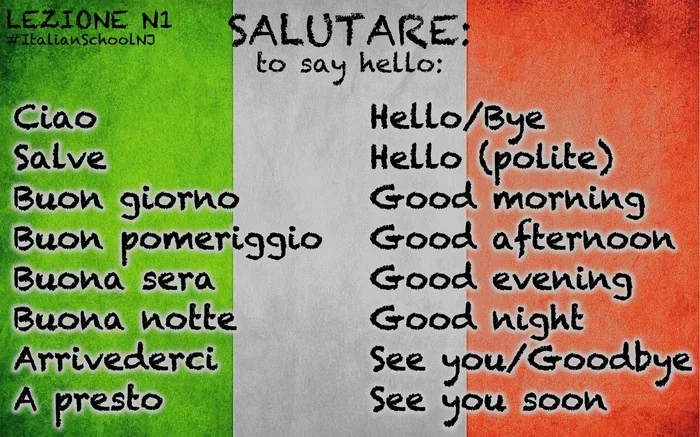

Learning how to say welcome in Italian opens doors to richer conversations and deeper cultural connections. Whether you need a formal Italian greeting for business or a casual welcome for friends, this guide covers every scenario. You will master pronunciations, understand regional variations, and pick up practical phrases you can use right away.
Have you ever wanted to greet someone in Italian and felt completely stuck? Maybe you are planning a trip to Rome, connecting with an Italian friend, or just curious about this beautiful language. Whatever the reason, how to say welcome in Italian is one of the first things you should learn.
The Italian language is warm, musical, and full of expression. A simple welcome can make someone feel valued and appreciated. In Italy, greetings carry weight. They set the tone for every conversation that follows. This guide will walk you through every way to say welcome, from the most common phrase to lesser-known regional expressions.
By the end of this article, you will feel confident using Italian welcome phrases in real situations. You will know when to use formal versus informal greetings, how to pronounce them correctly, and even how to text a welcome message that sounds natural. Let us dive in.
Key Takeaways
- Multiple ways to say welcome: Italian offers formal, informal, and regional variations for saying welcome, including “benvenuto,” “benvenuta,” and more.
- Pronunciation matters: Getting the stress and vowel sounds right helps you sound natural and respectful in Italian conversations.
- Context changes everything: The right Italian greeting depends on whether you are addressing one person, a group, a stranger, or a close friend.
- Texting has its own style: Italians use informal abbreviations and slang in messages, which is different from spoken greetings.
- Cultural awareness adds depth: Understanding Italian customs around hospitality makes your welcome phrases feel authentic and warm.
📑 Table of Contents
- Why Learning How to Say Welcome in Italian Matters
- The Most Common Way to Say Welcome in Italian
- Formal vs. Informal Welcome Phrases in Italian
- Pronunciation Tips for Saying Welcome in Italian
- Regional Variations of Welcome in Italian
- How to Respond When Someone Says Welcome in Italian
- Quick Tips for Sounding Like a Native
- Common Mistakes to Avoid When Saying Welcome in Italian
- Expert Insights on Italian Hospitality
- Key Takeaways
- Conclusion
Why Learning How to Say Welcome in Italian Matters
Greetings are the foundation of any language. In Italian culture, a warm welcome reflects genuine hospitality. Italians take pride in making guests feel comfortable. Using the right phrase shows respect and effort, which Italians truly appreciate.
When you learn how to say welcome in Italian, you are not just memorizing a word. You are stepping into a cultural tradition of warmth and connection. Whether you are meeting someone for the first time or welcoming a friend home, the phrase you choose matters.
Italian Greetings in Everyday Life
In Italy, people greet each other frequently throughout the day. A simple welcome can happen at a café, a shop, or even on the street. These small interactions build relationships. Learning the right Italian greeting helps you blend in and feel more comfortable in any setting.
Here are some everyday situations where knowing how to say welcome in Italian makes a big difference:
- Meeting a new colleague at work
- Welcoming a guest into your home
- Greeting someone at a restaurant or store
- Replying when someone says thank you in Italian
- Answering the door or phone
Each situation calls for a slightly different approach. The beauty of Italian is that it gives you options. You can choose the level of formality that fits the moment perfectly.
The Most Common Way to Say Welcome in Italian
The go-to phrase for welcome in Italian is benvenuto. This is the word most people learn first, and for good reason. It works in most everyday situations and is understood across all Italian-speaking regions.
Benvenuto: The Standard Welcome
Benvenuto is masculine. You use it when welcoming a man or a boy. The pronunciation is straightforward: behn-veh-NOO-toh. The stress falls on the second-to-last syllable, which is a key feature of Italian pronunciation rules.
Here are some examples of how to use benvenuto in sentences:
- Benvenuto in Italia! — Welcome to Italy!
- Benvenuto a casa! — Welcome home!
- Benvenuto al ristorante! — Welcome to the restaurant!
Notice how the preposition changes slightly depending on the context. In is used for countries and large places. A is used for specific locations like home or a restaurant. These small details make your Italian sound more natural and polished.
Benvenuta: The Feminine Form
When welcoming a woman or a girl, you switch to benvenuta. The only difference is the -a ending at the end. This follows the standard Italian grammar rule where adjectives match the gender of the noun they describe.
Examples include:
- Benvenuta in Italia! — Welcome to Italy (for a woman)!
- Benvenuta a casa! — Welcome home (for a woman)!
Getting the gender right is important in Italian. Using the wrong form might not cause confusion, but it shows attention to detail when you get it correct.
Formal vs. Informal Welcome Phrases in Italian
Italian has two levels of formality that affect greetings. Understanding this difference is crucial for sounding natural and respectful. The formal version is used with strangers, elders, and professionals. The informal version is for friends, family, and peers.
Formal Italian Welcomes
For formal situations, benvenuto and benvenuta work perfectly. Italians also use longer phrases in professional settings:
- Le è molto benvenuto/a. — You are very welcome (formal).
- Siamo lieti di averla qui. — We are delighted to have you here.
- Benvenuto nella nostra azienda. — Welcome to our company.
These formal greetings are common in business meetings, official events, and when speaking to someone you do not know well. They show courtesy and professionalism.
Informal Italian Welcomes
With friends and family, Italians use casual and warm expressions. Here are some popular informal ways to say welcome:
- Bentornato/a! — Welcome back!
- Che bello vederti! — How nice to see you!
- Torna pure! — Come on in!
- Fai come a casa! — Make yourself at home!
Bentornato is especially useful. You use it when someone returns to a place or sees you again after a while. It is one of the most common Italian phrases you will hear in daily life.
If you are curious about how Italians text these phrases, keep in mind that informal communication has its own style. Text abbreviations and casual language are common. For more on how Italians communicate in text, you might want to check out our guides on wtw meaning in text and ts meaning in text to understand common texting abbreviations used across languages.
Pronunciation Tips for Saying Welcome in Italian
Pronunciation is one of the most important parts of learning Italian. Italian words are pronounced exactly as they are written, which makes it easier than many other languages. However, there are a few rules to keep in mind.
The Stress Rule
Italian words are typically stressed on the second-to-last syllable. This applies to benvenuto as well. So the emphasis goes on veh: behn-veh-NOO-toh. Getting the stress right changes how natural you sound.
Vowel Sounds
Italian vowels are clean and consistent. Each vowel has one sound:
- A sounds like the “a” in “father”
- E sounds like the “e” in “bed”
- I sounds like the “ee” in “see”
- O sounds like the “o” in “go”
- U sounds like the “oo” in “moon”
When you say benvenuto, each vowel is clear and distinct. Do not blend them together like you might in English. Keep each vowel crisp and separate.
Common Pronunciation Mistakes
Here are mistakes to avoid when saying welcome in Italian:
- Adding an extra syllable at the end
- Stressing the wrong syllable
- Pronouncing vowels like in English
- Rolling the “r” too heavily (a light tap is fine)
With a little practice, you will sound confident and natural. Even native Italian speakers appreciate when learners put effort into pronunciation.
Regional Variations of Welcome in Italian
Italy is a country of rich regional diversity. Different areas have their own expressions and ways of speaking. While standard Italian is understood everywhere, regional variations add color and charm to your conversations.
Southern Italian Welcomes
In Southern Italy, people tend to be more expressive and warm. You might hear phrases like:
- Benvenuto cu tutto il cuore! — Welcome with all the heart!
- Vieni pure, si stà bene! — Come in, it feels good!
Southern Italian is melodic and passionate. The welcome phrases reflect the warmth and generosity of the culture.
Northern Italian Welcomes
In Northern Italy, the tone can be slightly more reserved but still friendly. Common expressions include:
- Benvenuto a tutti! — Welcome everyone!
- Sei il benvenuto! — You are welcome!
In some Northern regions, you might also hear local dialect words that sound quite different from standard Italian. However, standard Italian works everywhere and is always appreciated.
Welcome in Italian for Special Occasions
Italians love celebrations. Whether it is a birthday, a holiday, or a family gathering, welcome phrases take on a festive tone. Here are some special occasion expressions:
- Benvenuti nella nostra festa! — Welcome to our party!
- Bentornati a casa! — Welcome back home (plural)!
- Vi diamo il benvenuto! — We give you our welcome!
Using these phrases during celebrations shows that you understand Italian social customs. It makes any gathering feel more personal and special.
How to Respond When Someone Says Welcome in Italian
Knowing how to say welcome is only half the equation. You should also know how to respond when someone welcomes you. Italian has several natural replies that keep the conversation flowing.
Common Responses to a Welcome
- Grazie mille! — Thank you very much!
- Grazie, sei gentile. — Thanks, you are kind.
- Anche tu benvenuto/a! — You are welcome too!
- Ti ringrazio tanto. — Thank you so much.
Grazie mille is one of the most useful Italian phrases to know. It works in almost any situation and is universally understood.
The Difference Between Welcome and You Are Welcome
In English, “welcome” serves two purposes. In Italian, they are different words. Benvenuto means welcome (as a greeting). Prego means you are welcome (as a response to thanks). Understanding this distinction is key to sounding fluent.
Here is a quick comparison:
- Grazie! — Thank you!
- Prego! — You are welcome!
- Benvenuto! — Welcome!
Mastering this small but important difference will elevate your Italian skills significantly.
Quick Tips for Sounding Like a Native
Want to take your Italian welcome phrases to the next level? Here are some practical tips:
- Listen to native speakers. Watch Italian movies, listen to Italian music, or follow Italian speakers on social media. Immersion helps you pick up natural rhythms.
- Practice out loud every day. Even five minutes of daily practice builds confidence and muscle memory.
- Use body language. Italians are expressive. Pair your greeting with a smile, a nod, or even a light handshake for extra authenticity.
- Learn the context. Know when to use formal versus informal greetings. This shows cultural awareness and respect.
- Do not fear mistakes. Italians are generally patient and encouraging. They will appreciate your effort regardless of perfection.
Common Mistakes to Avoid When Saying Welcome in Italian
Even motivated learners make mistakes. Here are the most common ones to watch out for:
- Using the wrong gender form. Remember that benvenuto is for males and benvenuta is for females. This applies to all related forms like bentornato and bentornata.
- Forgetting to change the article. In plural form, you say benvenuti (for males or mixed groups) and benvenute (for females only).
- Translating directly from English. Some learners say “you are welcome” as “sei benvenuto,” which is incorrect. Use “prego” for that meaning.
- Ignoring regional differences. While standard Italian works everywhere, knowing a regional expression can make your greeting feel more authentic.
- Overthinking pronunciation. Italian is phonetic. Trust the spelling and pronounce each letter clearly.
Avoiding these mistakes will make your Italian sound more polished and natural. Progress comes with awareness and practice.
Expert Insights on Italian Hospitality
Italian hospitality is legendary around the world. The way Italians welcome guests reflects a deep cultural value. Understanding this context helps you use welcome phrases with the right spirit.
According to Italian tradition, welcoming someone is an act of generosity. When an Italian host says welcome, they mean it from the heart. The language reflects this warmth. Phrases like fai come a casa (make yourself at home) are not just polite words. They are genuine invitations to feel comfortable and at ease.
If you are learning Italian for travel or personal growth, embracing this cultural mindset will make your experience richer. Language is more than words. It is a window into how people think and connect.
Key Takeaways
- Benvenuto and benvenuta are the standard ways to say welcome in Italian, depending on gender.
- Formal and informal greetings exist, and choosing the right one depends on your relationship with the person.
- Pronunciation is straightforward in Italian because words are read as they are written.
- Regional variations add richness, but standard Italian is understood everywhere.
- Responding appropriately with phrases like “grazie mille” and “prego” completes the conversation naturally.
- Practice daily and do not be afraid of making mistakes. Native speakers appreciate the effort.
Conclusion
Learning how to say welcome in Italian is more than just memorizing a word. It is about connecting with people, respecting traditions, and embracing a culture known for its warmth and generosity. From the classic benvenuto to the heartfelt bentornato, each phrase carries meaning and intention.
Whether you are traveling to Italy, chatting with an Italian friend, or simply expanding your language skills, these welcome phrases will serve you well. Start with the basics, practice your pronunciation, and gradually explore the formal and informal variations. Soon, you will be greeting people in Italian like a true native.
The journey of learning any language begins with simple steps. Saying welcome in Italian is one of the most rewarding first steps you can take. So go ahead, practice your benvenuto, and open the door to a world of Italian connection and culture.
Frequently Asked Questions
What is the most common way to say welcome in Italian?
The most common way is benvenuto for males and benvenuta for females. Both are widely used across Italy and understood by everyone. They work in both formal and informal settings.
How do you pronounce benvenuto correctly?
Say it as “behn-veh-NOO-toh.” The stress falls on the third syllable. Each vowel is pronounced clearly and separately. Practice slowly at first, then speed up as you gain confidence.
What is the difference between benvenuto and prego?
Benvenuto means welcome as a greeting. Prego means you are welcome as a response to thank you. They serve different purposes in conversation. Using the right one makes your Italian sound more natural.
Can I use benvenuto when texting in Italian?
Absolutely. Benvenuto works in text messages too. For more casual texting, Italians sometimes use shorter or slang expressions. Understanding the context of informal communication helps you choose the right tone.
Are there different welcome phrases for different regions in Italy?
Yes, regional variations exist, but standard Italian welcome phrases are understood everywhere. Some Southern Italian expressions tend to be more expressive and warm. Northern Italian greetings may be slightly more reserved. Both are authentic and appreciated.
How quickly can I learn to say welcome in Italian naturally?
With daily practice, you can feel confident within a few days. Focus on pronunciation first, then practice in real conversations. Italian welcome phrases are simple and rewarding to learn. Consistent practice is the key to sounding natural.