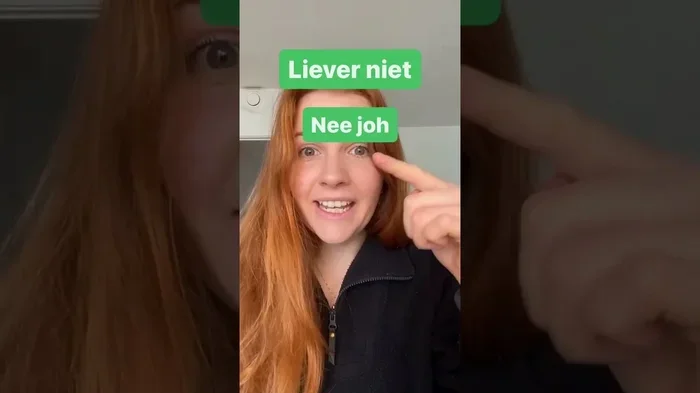

Learning how to say no in Dutch is easier than you think. This guide covers the most common Dutch refusal phrases, from polite to casual, so you can handle any situation with confidence. You will also learn about Dutch communication culture and pick up practical tips that make saying no feel natural.
Knowing how to say no in Dutch opens doors to smoother conversations and deeper connections. Whether you are living in the Netherlands, traveling through Amsterdam, or chatting with Dutch friends online, having the right refusal phrases at your fingertips makes all the difference. The Dutch language has a rich set of expressions for declining invitations, turning down requests, and setting boundaries. In this guide, we walk you through the simplest and most practical ways to say no with confidence. You will find everyday phrases, cultural insights, and tips that work in real-life situations.
Many learners worry that saying no in another language feels rude or awkward. But in Dutch culture, directness is often appreciated. The Dutch value honesty and clear communication. This means that a polite but firm no is usually better than a vague maybe. Once you learn a few key phrases, you will notice how naturally they fit into daily Dutch conversation. Let us dive in and explore the best ways to refuse gracefully in Dutch.
Key Takeaways
- Multiple ways to say no: Dutch offers a range of phrases from formal to casual, so you can match the tone of any conversation.
- Cultural context matters:The Dutch are known for being direct, and understanding this helps you say no without offending anyone.
- Practical everyday phrases:You will learn ready-to-use expressions you can start using immediately in real conversations.
- Texting and informal settings:There are specific ways to decline messages and invitations in casual Dutch digital communication.
- Common mistakes to avoid:We highlight the most frequent errors non-native speakers make when refusing in Dutch.
📑 Table of Contents
- Why Saying No in Dutch Matters
- Basic Ways to Say No in Dutch
- Polite Ways to Refuse in Dutch
- Casual and Informal Ways to Say No
- Saying No in Text Messages and Online
- Common Mistakes When Saying No in Dutch
- Quick Tips for Practicing Dutch Refusal Phrases
- How to Say No in Different Dutch Contexts
- Expert Insights on Dutch Refusal Etiquette
- Conclusion
Why Saying No in Dutch Matters
Understanding how to say no in Dutch goes beyond just vocabulary. It is about navigating social situations with ease. In the Netherlands, people tend to be very straightforward. They prefer clear answers over ambiguous responses. When you say no properly, you show respect for both yourself and the other person.
There are many everyday moments where you need this skill. A coworker asks you to stay late. A friend invites you to a party you do not want to attend. Someone on a dating app sends a message that does not interest you. Each situation calls for a slightly different tone. Having a variety of Dutch refusal phrases in your toolkit ensures you always have the right words ready.
Dutch Communication Culture
The Dutch are famous for their blunt communication style. This does not mean they are rude. It simply means they value efficiency and honesty. In many cultures, people soften their refusals with long explanations. The Dutch often skip the fluff and get straight to the point. As a learner, embracing this directness will help you sound more natural.
If you come from a culture where indirect refusal is the norm, this can feel surprising at first. But once you understand the logic, it becomes empowering. You do not need to over-explain or apologize excessively. A simple and clear Dutch no phrase is usually enough. This cultural awareness is one of the biggest keys to speaking Dutch confidently.
Basic Ways to Say No in Dutch
Let us start with the most common and essential phrases. These are the building blocks of any refusal in Dutch. You can use them in almost any situation, from formal to casual.
Nee
The word nee is the most basic way to say no in Dutch. It is simple, direct, and universally understood. Just like in English, you can use it on its own or combine it with other words for more context. For example, saying “Nee, dank je” (No, thank you) adds a layer of politeness that works in most settings.
Here are a few quick examples of how to use nee in everyday Dutch:
- Nee, dat wil ik niet. — No, I do not want that.
- Nee, ik heb het al. — No, I already have it.
- Nee, dank je wel. — No, thank you.
These short phrases are perfect for quick exchanges. They work well in shops, at work, and among friends. The beauty of nee is its simplicity. Even beginners can use it right away without worrying about grammar or complex sentence structure.
Niet Ja
Another common way to express refusal is niet ja, which literally means “not yes.” The Dutch use this phrase more often than you might expect. It is a softer alternative to a full “nee” and works well in casual conversations. When someone asks if you want to join an activity, saying niet ja gently signals your decline without being too firm.
Ik Kan Niet
Ik kan niet means “I cannot” and is one of the most versatile refusal phrases in Dutch. You can use it to decline requests, invitations, and offers. It is polite enough for professional settings but casual enough for friends. Pair it with a brief reason, and your refusal feels natural and respectful.
For example:
- Ik kan niet komen vannacht. — I cannot come tonight.
- Ik kan niet helpen met dat project. — I cannot help with that project.
Polite Ways to Refuse in Dutch
There are times when you want to be extra courteous. Maybe you are speaking with someone older, a boss, or a stranger. In these situations, a softer approach works best. The Dutch still appreciate directness, but a touch of politeness goes a long way.
Ik Wil Liever Niet
This phrase means “I would rather not.” It is one of the most graceful ways to decline something in Dutch. It shows that you have thought about the request and made a deliberate choice. Use ik wil liever niet when you want to be honest but kind.
Dat Is Helaas Niet Mogelijk
Dat is helaas niet mogelijk translates to “That is unfortunately not possible.” This is an excellent phrase for professional or semi-formal settings. It acknowledges the request, shows understanding, and delivers the refusal in a respectful way. The word “helaas” (unfortunately) adds warmth and shows that you genuinely considered the request.
Ik Bedank, Maar
Starting your refusal with ik bedank (I thank) immediately sets a polite tone. Adding “maar” (but) after it creates a smooth transition to your reason for declining. This pattern is very common in Dutch and sounds natural to native speakers.
Example: Ik bedank, maar ik heb al plannen. — Thank you, but I already have plans.
Casual and Informal Ways to Say No
Not every situation requires a formal response. With friends, family, and close colleagues, you can use more relaxed expressions. These casual Dutch phrases help you keep the conversation light while still getting your point across.
Nee Hoor
Nee hoor is a friendly and casual way to say no. The word “hoor” adds a sense of reassurance, almost like saying “nah” in English. It softens the refusal and makes it feel less blunt. This is one of the most commonly used informal Dutch expressions among friends.
Niet Zo
Niet zo means “not really” or “not like that.” It works great when someone asks you something you are not interested in. It is vague enough to avoid over-explaining but clear enough to communicate your stance. Use it in texting and in-person conversations alike.
Thanks, Maar Nee
Many Dutch people mix English and Dutch in casual conversation. Saying “thanks, maar nee” is perfectly acceptable among younger speakers and in informal digital communication. It combines the English “thanks” with the Dutch “maar nee” (but no) for a friendly, modern feel.
Saying No in Text Messages and Online
Digital communication has its own unwritten rules. When you are texting in Dutch, you often need to decline quickly and casually. Understanding texting culture in the Netherlands helps you navigate these exchanges smoothly. Short, clear responses are the norm. Long explanations are usually unnecessary.
For instance, if someone texts you an invitation and you want to decline, a simple “Nee, thanks!” or “Niet gehaald, hoor” (Not for me, honestly) works perfectly. The Dutch prefer brevity in digital communication. You do not need to write a full paragraph to decline politely.
It is also worth noting that texting abbreviations and informal spellings are common in Dutch. Just as people use shortcuts in English texts, the Dutch do the same. Keeping your responses short and friendly shows that you understand the casual Dutch texting norms. If you want to explore more about Dutch texting language, check out our guide on what Wtw means in text and also learn more about what Ts means in text to expand your understanding of Dutch digital communication.
Common Mistakes When Saying No in Dutch
Even experienced learners make mistakes when refusing in Dutch. Being aware of these pitfalls helps you avoid awkward moments and communicate more effectively.
Over-Apologizing
One of the biggest mistakes is apologizing too much. The Dutch do not expect lengthy apologies for a simple no. Saying “sorry” once is enough. Repeating it or adding too many excuses can actually make your refusal seem less confident. Trust the phrase and move forward.
Being Too Vague
On the flip side, being too vague can cause confusion. If someone asks you a direct question, give a direct answer. A simple “nee” or “ik kan niet” is clearer than a long, winding explanation that never actually says no. The Dutch appreciate clarity over ambiguity.
Ignoring Cultural Directness
Another common error is trying to be overly indirect because you think it sounds more polite. In Dutch culture, this can backfire. An overly soft refusal might be interpreted as uncertainty or even dishonesty. Embrace the directness. A clear and kind no is always the better choice.
Quick Tips for Practicing Dutch Refusal Phrases
Learning phrases is one thing. Using them naturally is another. Here are some practical tips to help you practice and build confidence.
- Practice out loud. Say the phrases to yourself or in front of a mirror. Hearing your own voice helps with pronunciation and muscle memory.
- Use them in real situations. Look for small opportunities to say no in Dutch, even if it is just declining a suggestion from a language partner.
- Watch Dutch shows and videos. Pay attention to how native speakers refuse requests. You will pick up natural phrasing and intonation.
- Keep a phrase journal. Write down new refusal expressions you hear or read. Review them regularly to reinforce your memory.
- Do not fear mistakes. Every error is a learning step. The Dutch are generally very tolerant of language mistakes and will appreciate your effort.
For a fun twist, try learning some funny Dutch names and practice saying no to them in playful scenarios. This makes the practice feel lighthearted and memorable.
How to Say No in Different Dutch Contexts
The context of the conversation shapes your choice of words. Here is a quick look at how to adjust your refusal based on the situation.
| Situation | Recommended Phrase | Tone |
|---|---|---|
| Declining a work invitation | Ik kan helaas niet. (Unfortunately, I cannot.) | Professional and polite |
| Turning down a friend’s offer | Nee hoor, dank je. (No thanks, honestly.) | Casual and friendly |
| Refusing a request from a stranger | Nee, dank je wel. (No, thank you.) | Neutral and respectful |
| Declining a date or romantic interest | Niet mijn ding, sorry. (Not my thing, sorry.) | Honest but gentle |
| Refusing via text message | Nee, thanks! Heb het druk. (No, thanks! I am busy.) | Short and casual |
As you can see, the same core idea of saying no can be adapted to fit almost any context. The key is matching your tone to the situation and the person you are speaking with.
Expert Insights on Dutch Refusal Etiquette
Language experts who specialize in Dutch communication often highlight one important point: authenticity matters more than perfection. The Dutch do not expect non-native speakers to sound like natives overnight. What they do appreciate is genuine effort and clear intent. When you say no honestly and respectfully, most Dutch people will respond positively.
Another expert tip is to pay attention to body language and tone of voice. Even the best phrase can feel wrong if delivered with the wrong energy. A firm but friendly tone paired with a slight smile goes a long way. This combination signals that your refusal is not personal but simply a practical boundary.
If you are curious about other aspects of Dutch language and culture, exploring topics like Dutch idioms or common Dutch expressions can deepen your understanding. The more you immerse yourself in the language, the more natural your refusals and all other conversations will become.
Conclusion
Mastering how to say no in Dutch is a practical skill that benefits every learner. From the simple “nee” to more polished phrases like “ik wil liever niet,” you now have a toolkit of expressions for any situation. Remember that Dutch culture values directness, so do not be afraid to be clear and honest. Practice the phrases, keep the cultural tips in mind, and you will soon find that saying no in Dutch feels natural and effortless. The more you use these expressions, the more confident you will become. Start today, and watch your Dutch conversations transform.
Frequently Asked Questions
Is it rude to say no directly in Dutch?
No, it is not rude at all. The Dutch culture values directness and honesty. A clear and polite no is actually preferred over a vague or uncertain response. Just be sure to pair your refusal with a kind tone or a brief explanation if needed.
What is the most common way to say no in Dutch?
The most common way is simply “nee.” It is short, universal, and works in almost every situation. For a slightly softer tone, you can add “dank je” (thank you) to make it “nee, dank je.”
Can I use English words when saying no in Dutch?
Yes, especially in casual and digital communication. Many Dutch people understand and use English words in everyday conversation. Phrases like “thanks, maar nee” are perfectly acceptable among friends and in informal settings.
How do I say no politely in a professional Dutch setting?
Use phrases like “Ik kan helaas niet” (I cannot unfortunately) or “Dat is helaas niet mogelijk” (That is unfortunately not possible). These expressions are respectful, clear, and well-suited for workplace communication.
Do Dutch people get offended when you say no?
Generally, no. The Dutch are accustomed to direct communication and do not take a polite no personally. As long as you are respectful and not overly harsh, most people will appreciate your honesty and clarity.
What is the difference between “nee” and “niet ja” in Dutch?
“Nee” is a direct and firm no, while “niet ja” is a softer way of declining. “Niet ja” literally means “not yes” and is often used in casual conversations where you want to decline gently without being too blunt.