
The Italian word for cat is gatto, and learning how to say cat in Italian opens up a whole new world of language and culture. This guide covers pronunciation, Italian cat names, and fun facts about felines in Italy. By the end, you will sound like a real native speaker when talking about your favorite furry friend.
Have you ever wondered how to say cat in Italian? Whether you are planning a trip to Italy, adopting a furry friend from an Italian shelter, or simply love learning new languages, knowing the Italian word for cat is a great place to start. The word is gatto, and it is one of the most common pieces of Italian vocabulary for pets that travelers and language learners pick up first.
Italy has a deep love for cats. From ancient Roman times to modern city streets, cats in Italian culture have always held a special place. The Italian word for cat carries history, charm, and a few surprises that many learners do not expect. In this guide, we will walk you through everything you need to know about how to say cat in Italian, from basic pronunciation to fun cat names and cultural tidbits.
By the time you finish reading, you will confidently use gatto in conversation, impress Italian friends with your Italian pet vocabulary, and maybe even find the perfect Italian cat names for your own feline companion. Let us dive in.
Key Takeaways
- Gatto is the standard Italian word for cat
- Pronunciation is simple with a hard g sound at the start
- Italian cat names often reflect the cat’s personality or appearance
- Cat phrases in Italian are common in daily conversation
- Cats hold special cultural meaning in Italian history and art
- Male and female forms (gatto and gatta) are easy to remember
📑 Table of Contents
The Italian Word for Cat: Gatto
What Does Gatto Mean?
The Italian word for cat is gatto. It refers to the domestic feline that millions of people around the world keep as pets. The meaning of gatto is straightforward and universal. Whether you are talking about a fluffy house cat or a stray wandering through a Roman piazza, gatto is the word you need.
The gatto meaning extends beyond just the animal. In Italian, gatto can also be used in expressions and slang. For example, calling someone a gatto might imply they are cunning or stealthy, much like a cat itself. This adds a fun layer to your Italian vocabulary for pets that goes beyond simple translation.
If you want to explore more playful naming ideas for your feline friend, check out our guide on funny cat names for inspiration that works across many languages and themes.
The Plural Forms: Gatti and Gatte
If you have more than one cat, the Italian animal words change slightly. The plural of gatto is gatti for masculine or mixed groups. The plural of gatta is gatte for all-female groups. This follows standard Italian grammar rules for nouns.
Here is a quick comparison of all the forms:
| Form | Gender | Meaning | Pronunciation |
|---|---|---|---|
| Gatto | Masculine singular | One male cat | GAHT-toh |
| Gatti | Masculine plural | Male or mixed group | GAHT-tee |
| Gatta | Feminine singular | One female cat | GAHT-tah |
| Gatte | Feminine plural | Female group | GAHT-teh |
Understanding these forms is a key part of Italian language basics. It will help you speak correctly whether you are describing your own pet or pointing out cats on a street in Florence.
How to Pronounce Gatto Like a Native Speaker
Breaking Down the Sounds
One of the best things about how to pronounce gatto is that it is very straightforward for English speakers. The word has two syllables: GAHT-toh. The g is always a hard sound, like the g in go. It is never soft like the j in gem.
Here is a simple breakdown:
- GAHT — rhymes with the English word “hot.” The a is open and short.
- toh — the o is short and crisp, like the o in “hot.”
Avoid the common mistake of making the g soft, as in “jat-toh.” That is not how native Italian speakers say it. Keep it hard and clear. The gatto pronunciation is consistent across all Italian dialects, so you can use it confidently whether you are in Rome, Milan, or Naples.
Common Pronunciation Mistakes to Avoid
English speakers often make a few mistakes when learning how to say cat in Italian. Here are the most common ones:
- Softening the g: The g in gatto is always hard, never soft. Do not say “jat-toh.”
- Adding an extra vowel: Do not say “gaht-oh” with a long o. Keep it short.
- Stressing the wrong syllable: The stress falls on the first syllable, GAHT.
- Rolling the r too hard: A light tap is fine. You do not need a strong Italian roll.
Getting these right will make your Italian pet words sound much more natural. Practice saying gatto a few times out loud, and you will pick it up quickly.
Gatto vs Gatta: Understanding Gender in Italian Pet Words
When to Use Gatto
Use gatto when referring to a male cat or a group of cats. This is the default form that most learners encounter first. If someone asks you, “What is the Italian word for cat?” — gatto is the safe and correct answer.
In Italian pet vocabulary, gatto is the masculine noun that covers the general concept of a cat. You will hear it in everyday conversations, children’s books, and even Italian songs about feline friends.
When to Use Gatta
Use gatta when referring to a specific female cat. The feminine form adds an -a at the end. This follows the standard Italian grammar rule where feminine nouns often end in -a.
For example, if your cat is female, you would say, “La mia gatta è carina,” which means “My cat is cute.” Using the correct gender shows respect for Italian language basics and helps you sound more natural in conversation.
How Italians say cat depends on the gender of the animal. This might seem tricky at first, but it becomes second nature with practice. The good news is that most Italian words for animals follow clear gender patterns like this.
Italian Cat Names and Beloved Cat Expressions
Traditional Italian Cat Names
Italians have a rich tradition of naming their cats. Many Italian cat names come from the language itself and reflect the cat’s appearance, personality, or cultural significance. Here are some popular choices:
- Romeo — a romantic name perfect for a charming tomcat
- Giulia — a classic feminine name meaning youthful
- Luna — meaning moon, ideal for a cat that loves the night
- Milo — a playful and friendly-sounding name
- Bella — meaning beautiful, great for a stunning feline
- Leonardo — a nod to the great Italian artist and thinker
If you want even more Italian cat names and inspiration, explore our list of funny cat names for creative ideas that work across many themes and languages.
Modern and Fun Cat Names
Modern Italian cat owners also love creative and humorous names. Some people name their cats after Italian foods, places, or famous figures. Here are a few fun ideas:
- Pepperoni — for a cat with a spicy personality
- Venice — for a cat with a regal air
- Espresso — perfect for a cat that is always raring to go
- Bruno — a strong and classic Italian name
- Margherita — named after the classic pizza
If your cat has sleek dark fur, you might love black cat names from Italian culture. For more ideas, explore our collection of funny black cat names that includes options from various traditions, including Italian-inspired ones.
Italian Cat Phrases and Sayings
Italians love their cats, and it shows in their language. There are many Italian cat expressions that you can use in daily conversation. These phrases add color and authenticity to your Italian pet vocabulary.
Here are some common sayings:
- “Il gatto ha mangiato la cipolla” — The cat ate the onion. Used when someone is crying or has red eyes.
- “Micio” or “Miao” — These are the Italian words for meow. Kids and adults use them when talking to cats.
- “Avere il gatto nella gola” — To have a cat in the throat. This means to have a hoarse voice.
When you are texting Italian friends about your cat, knowing common abbreviations like the wtw meaning in text can also help you keep up with casual digital conversations in Italian.
Using these expressions in conversation shows that you understand more than just basic Italian vocabulary for pets. It shows you appreciate the cultural side of the language.
Cats in Italian Culture and History
Cats in Italian Art and Daily Life
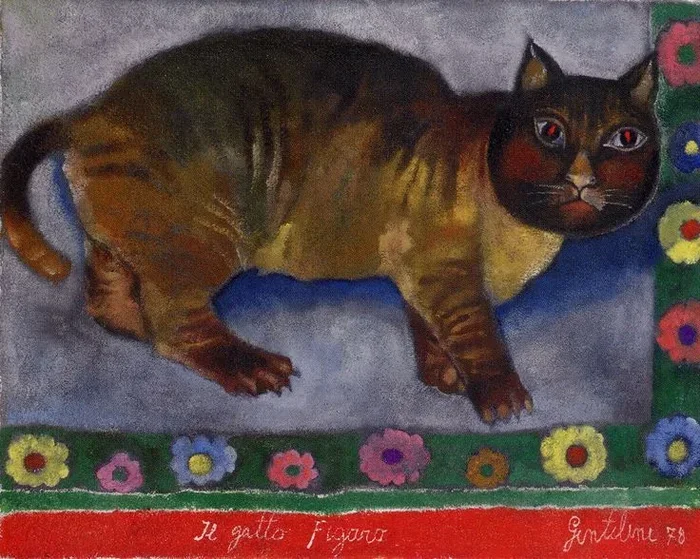
Cats have appeared in Italian art for centuries. From Renaissance paintings to modern Italian cinema, Italian feline terms and cat imagery are everywhere. The famous Italian painter Leonardo da Vinci was known to be a cat lover, and cats often appear in Italian folk art and pottery.
In modern Italy, cats are celebrated. Rome alone is home to thousands of stray cats that are protected by local law. The city has official “cat caretakers” who look after feline colonies in historic ruins and parks. This love for cats is part of what makes Italian animal words so rich and meaningful.
The Legend of the Cat in Italian Folklore
Italian folklore is full of stories about cats. In Southern Italy, the gatto is often seen as a clever and magical creature. Some folk tales tell of cats that can speak or predict the future. These stories have been passed down through generations and are a beloved part of Italian culture.
The Italian cat breeds that come from Italy, like the Italian Rex and the Maremma cat, also reflect this deep cultural connection. Learning about these breeds can give you even more context when you use Italian words for animals in conversation.
Quick Tips, Common Mistakes, and Expert Advice
Quick Tips to Remember Italian Cat Words
Here are some quick tips to help you remember how to say cat in Italian and related words:
- Think of “gatto” as “goat-to” — the hard g sound makes it easy to remember.
- Use visual associations: Picture a cat sitting on a pizza in Rome.
- Practice daily: Say “il mio gatto” (my cat) out loud every morning.
- Watch Italian content: Italian cartoons and shows often feature cats, giving you real-world pronunciation practice.
- Label things at home: Put a sticky note that says “gatto” on your cat’s food bowl.
These simple Italian language basics tricks will help you retain the vocabulary long-term. Consistency is key when you are learning any new language.
Common Mistakes to Watch Out For
Even motivated learners make mistakes. Here are the most common errors English speakers make with Italian pet vocabulary:
- Using the wrong gender: Remember that gatto is masculine and gatta is feminine. Using the wrong one can sound unnatural.
- Softening the g: The g in gatto is always hard. Do not say “jatto.”
- Forgetting the article: In Italian, you almost always need an article. Say “il gatto” (the cat), not just “gatto.”
- Overcomplicating the plural: Gatti is simple. Do not add extra syllables or change the spelling.
Avoiding these mistakes will make your Italian pet words sound much more polished and natural. Keep practicing, and do not be afraid to make errors — that is how real learning happens.
Expert Insights on Learning Italian Pet Vocabulary
Italian language experts recommend starting with core pet vocabulary and building from there. When you learn how to say cat in Italian, you are not just memorizing a word. You are opening a door to a richer, more authentic way of communicating in Italian.
Language teachers suggest immersing yourself in Italian media that features pets. Watching Italian family sitcoms or reading children’s books about animals can reinforce your Italian vocabulary for pets in a fun and memorable way. The more you hear gatto in context, the more natural it will feel.
Another expert tip: practice with native speakers. Whether it is through language exchange apps or conversations with Italian friends, real-world practice is the fastest way to improve. When you can say “Il mio gatto è molto carino” to an Italian speaker and get a smile in return, you know you have truly learned the word.
Conclusion
Learning how to say cat in Italian is a simple yet rewarding step in your language journey. The word gatto is easy to pronounce, fun to use, and rich with cultural meaning. From the basic forms of gatto and gatta to playful Italian cat names and famous cat sayings, you now have a solid foundation in Italian pet vocabulary.
Remember that Italian words for animals follow clear patterns, and cats hold a special place in Italian hearts. Whether you are visiting Italy, chatting with Italian friends, or just expanding your language skills, using gatto correctly will make your Italian sound more authentic and confident.
So go ahead, practice saying gatto out loud, try out some Italian cat names for your own pet, and impress everyone with your Italian language basics. The world of Italian feline terms is waiting for you, and your next conversation in Italian could start with the simple, beautiful word: gatto.
Frequently Asked Questions
What is the Italian word for cat?
The standard Italian word for cat is gatto. If the cat is female, you use gatta. For multiple cats, the plural forms are gatti for male or mixed groups and gatte for all-female groups.
How do you pronounce gatto in Italian?
Gatto is pronounced GAHT-toh. The g is always a hard sound, like in the English word “go.” The first syllable gets the stress. Keep both vowels short and crisp for an authentic gatto pronunciation.
What are some popular Italian cat names?
Popular Italian cat names include Romeo, Luna, Bella, Milo, Leonardo, and Pepperoni. Many Italian cat names reflect the cat’s appearance, personality, or cultural significance. You can also explore our list of funny cat names for more creative ideas.
Do cats have a special place in Italian culture?
Yes, cats are deeply loved in Italian culture. Rome has famous cat colonies in historic ruins that are protected by law. Cats appear in Italian art, folklore, and everyday sayings. The gatto meaning in Italian extends beyond just the animal to include cultural symbolism and tradition.
What are some Italian cat idioms or expressions?
Common Italian cat expressions include “il gatto ha mangiato la cipolla” (the cat ate the onion, meaning someone has red eyes from crying) and “avere il gatto nella gola” (to have a cat in the throat, meaning a hoarse voice). These Italian pet words show how cats are woven into everyday Italian conversation.
Is gatto masculine or feminine in Italian?
Gatto is masculine, and gatta is feminine. This follows standard Italian grammar rules. When referring to a group of mixed-gender cats, the masculine form gatti is used. Understanding gender is a key part of Italian language basics and helps you speak more naturally.