
Learning how to say Happy Diwali in Hindi is the perfect way to connect with friends and family during the festival of lights. This guide covers traditional greetings, Hindi phrases, and cultural tips so you can celebrate with confidence. Whether you are sending a text or speaking in person, you will find the right words to spread joy this Diwali.
Learning how to say Happy Diwali in Hindi opens a door to one of the most vibrant and meaningful celebrations in Indian culture. Diwali, known as the festival of lights, brings families together, fills homes with candles and lamps, and spreads joy everywhere. If you want to connect with Hindi-speaking friends, relatives, or colleagues during this special time, knowing the right words makes all the difference. This guide will walk you through everything you need to know about Diwali greetings in Hindi. You will learn the phrases, the cultural meaning, and the best ways to share your wishes.
Diwali is not just a holiday. It is a five-day celebration filled with rituals, food, and togetherness. People light oil lamps called diyas, create colorful rangoli designs, and exchange gifts and sweets. At the heart of it all is the tradition of sharing warm greetings. When you say Happy Diwali in Hindi, you are not just exchanging words. You are sharing blessings for health, wealth, and happiness. Let us explore how to do this the right way.
Key Takeaways
- Basic Hindi Phrase: “Shubh Deepavali” is the most common and widely used greeting for Happy Diwali in Hindi.
- Traditional Greetings Matter: Using traditional Hindi Diwali greetings shows respect for the culture and deepens your connection during the festival.
- Multiple Ways to Greet: There are several phrases beyond the basic greeting, including wishes for prosperity, health, and happiness.
- Hindi Script Adds Authenticity: Writing greetings in Devanagari script makes your Diwali wishes more meaningful and personal.
- Texting Is Popular: Sending Happy Diwali in Hindi via text is a modern tradition that keeps the spirit alive across distances.
- Cultural Awareness Helps: Understanding regional variations and traditions makes your greetings more thoughtful and respectful.
📑 Table of Contents
The Meaning Behind Happy Diwali in Hindi
The most common way to say Happy Diwali in Hindi is “Shubh Deepavali” (शुभ दीपावली). The word “Shubh” means auspicious or blessed, and “Deepavali” refers to the festival of lights. Together, the phrase carries a deep sense of goodwill and prosperity. It is the go-to greeting for millions of people across India and around the world during the Diwali season.
Another popular variation is “Happy Deepavali”, which uses the English word “Happy” combined with the Hindi name of the festival. Many younger people and those in urban areas prefer this blend. It feels modern yet still respectful of tradition. Both forms are widely accepted and understood. You can also use “Shubh Diwali” as a shorter, sweeter version that works perfectly for quick messages and texts.
Why Greetings Matter During Diwali
In Indian culture, greetings carry weight. They are not just polite words. They reflect your intentions and your respect for the occasion. When you take the time to learn how to say Happy Diwali in Hindi, you show that you care about the culture and the people celebrating it. This small effort can mean a lot. It can strengthen relationships and create a sense of belonging.
During Diwali, people also visit temples, offer prayers to Goddess Lakshmi, and seek blessings for the coming year. A thoughtful greeting fits naturally into these moments. Whether you are at a family gathering or sending a message from afar, your words carry meaning. The right greeting can brighten someone’s day and deepen your bond with them.
Common Ways to Say Happy Diwali in Hindi
There is more than one way to express your Diwali wishes in Hindi. Here are the most common and widely used phrases that will help you greet others with confidence:
- Shubh Deepavali (शुभ दीपावली) – The most traditional and widely recognized greeting. Use this for formal and informal settings alike.
- Happy Deepavali – A modern blend that works well in casual conversations and text messages.
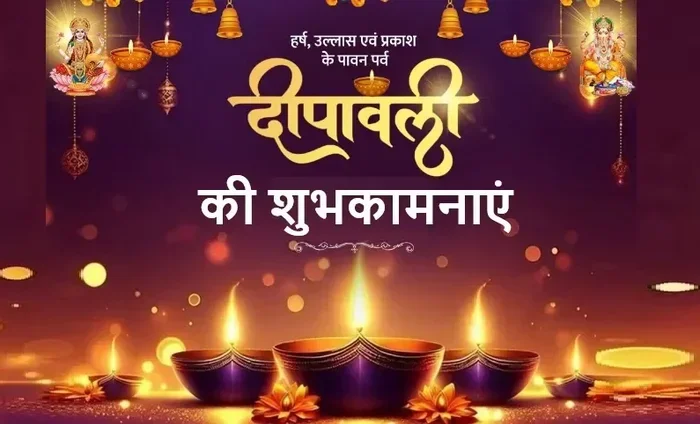
- Diwali Ki Shubhkamnayein (दीपावली की शुभकामनाएं) – This means “Diwali wishes” and is a more elaborate way to express your greetings.
- Shubh Diwali (शुभ दीपावली) – A shorter, sweeter version of the traditional greeting. Perfect for quick messages.
- Happy Diwali – Many Hindi speakers also use the English phrase directly. It is widely understood and perfectly acceptable.
Each of these phrases carries the same warm sentiment. The choice depends on your relationship with the person and the setting. For elders and formal occasions, stick with “Shubh Deepavali”. For friends and peers, any of the options work beautifully.
Adding Personal Touches to Your Greeting
You can make your Diwali greeting even more special by adding a personal touch. For example, you might say:
- “Shubh Deepavali, aapki parivaar ke liye khushi aur sampatti ki kamyabiyan” – Happy Diwali, may your family find happiness and prosperity.
- “Diwali Ki Shubhkamnayein, aap sab ke liye ashirwad” – Diwali wishes, blessings for all of you.
These longer phrases show extra effort and thoughtfulness. They are perfect for greeting cards, social media posts, or heartfelt messages. People will truly appreciate the time you took to craft a meaningful wish.
Traditional Diwali Greetings and Phrases
Beyond the basic Happy Diwali in Hindi greetings, there are many traditional phrases that add depth and cultural richness to your messages. These phrases come from ancient Sanskrit and Hindi traditions and carry beautiful meanings.
Blessings for Prosperity
Diwali is closely associated with Goddess Lakshmi, the Hindu goddess of wealth and prosperity. Many traditional greetings reference her blessings. Here are some phrases you can use:
- “Lakshmi ko aapke ghar aayein” – May Goddess Lakshmi come to your home.
- “Dhan, dhanyavad, aur sampatti ki kamyabiyan” – May you find wealth, gratitude, and prosperity.
- “Shubh Labh ki Shubhkamnayein” – Auspicious beginnings and prosperous wishes.
Wishes for Health and Happiness
Health and happiness are central themes in Diwali celebrations. These phrases focus on well-being and joy:
- “Aapki sehat aur khushi ka yeh diya” – This lamp of your health and happiness.
- “Ajeet ki Diwali, jeevan mein sukoon aur shaanti” – An undefeated Diwali, peace and harmony in life.
Festive Greetings for Social Media and Texts
In today’s digital age, many people share their Diwali wishes through text messages and social media. A quick Happy Diwali in Hindi text can bring a smile to someone far away. When you send a Diwali text, keep it warm and personal. Instead of a generic message, add a line that shows you care. For instance, you might reference a shared memory or wish them something specific. This small effort makes your greeting stand out from the rest.
If you are ever unsure what a particular abbreviation means in a Diwali text conversation, you can always look it up. For instance, if someone texts you wtw meaning in text, it is simply asking “what are you up to?” Similarly, knowing what ts means in text can help you stay connected in casual Diwali conversations. These small text abbreviations are part of modern communication, even during festive seasons.
How to Write Diwali Greetings in Hindi Script
Writing your Diwali greetings in Devanagari script adds a layer of authenticity and beauty. Many Hindi speakers find it deeply meaningful when someone makes the effort to write in their native script. Here is a simple guide to help you get started.
Basic Diwali Phrases in Hindi Script
Here are the key phrases written in Devanagari script so you can copy and use them:
- शुभ दीपावली (Shubh Deepavali) – Auspicious Diwali
- दीपावली की शुभकामनाएं (Diwali Ki Shubhkamnayein) – Diwali Wishes
- हैप्पी दीपावली (Happy Deepavali) – Happy Diwali
- शुभ दिवाली (Shubh Diwali) – Blessed Diwali
Tips for Writing in Hindi Script
Writing in Devanagari does not need to be intimidating. Here are a few tips to help you:
- Use online tools: There are many free transliteration tools that convert English to Hindi script instantly.
- Practice the characters: The Devanagari script has 47 primary characters. Learning even a few can go a long way.
- Copy and paste: If writing from scratch feels difficult, simply copy the phrases above and paste them into your messages.
- Pair with English: You can write the Hindi phrase first and add the English translation in parentheses. This helps ensure clarity.
When you send a Diwali greeting in Hindi script, it shows respect and effort. This gesture is especially appreciated by elders and those who are deeply connected to their cultural roots. Even a simple “शुभ दीपावली” can bring a smile to someone’s face.
Best Practices for Sending Diwali Wishes
Sending Diwali wishes is a cherished tradition, but how you send them matters just as much as what you say. Here are some best practices to make your greetings more meaningful and memorable.
Timing Your Diwali Greetings
The best time to send your Happy Diwali in Hindi greetings is on the day of Diwali itself, preferably in the morning. This is when families wake up, perform their morning prayers, and start the celebrations. Sending your wishes early in the day shows that you are thinking of them first thing.
However, you can also send greetings in the days leading up to Diwali. Many people celebrate over a five-day period, and early wishes are welcomed. Just avoid sending them too late, as the excitement of the main day is what matters most.
Choosing the Right Medium
There are several ways to share your Diwali greetings:
- Personal text messages: A heartfelt text with a Hindi greeting feels intimate and personal.
- Social media posts: Share your wishes on Instagram, Facebook, or WhatsApp with a beautiful image and a Hindi caption.
- Greeting cards: Physical or digital cards with Hindi text add a traditional and elegant touch.
- Phone calls: For close family members, a phone call with a warm Hindi greeting is the most personal option.
- Handwritten notes: A handwritten note in Hindi script is a rare and treasured gesture in today’s digital world.
Quick Tips for Meaningful Diwali Greetings
- Always use the recipient’s name in your greeting to make it personal.
- Keep the tone warm and respectful, especially with elders.
- Add a short personal note or memory to make the message unique.
- Use a mix of Hindi and English if the person is comfortable with both.
- Pair your greeting with a Diwali-themed image or GIF for extra impact.
Cultural Tips for Diwali Greetings
Understanding the cultural context behind Diwali greetings helps you connect more deeply with the people you are wishing. Diwali is not just about lights and fireworks. It is a celebration of good over evil, light over darkness, and knowledge over ignorance.
The Story Behind the Festival
Diwali celebrates the return of Lord Rama to Ayodhya after 14 years of exile and his victory over the demon king Ravana. People lit oil lamps to guide him home, and this tradition continues today. When you share Happy Diwali in Hindi greetings, you are honoring this beautiful story and the values it represents.
Respecting Regional Variations
India is a diverse country with many languages and traditions. While Hindi is widely spoken, different regions have their own ways of celebrating Diwali. For example:
- In South India, people often say “Deepavali Nalvazhthukkal” in Tamil.
- In Gujarat, the new year follows Diwali, so greetings may include wishes for a prosperous new year.
- In Bengal, Diwali coincides with Kali Puja, and greetings may reference Goddess Kali.
Being aware of these regional differences shows cultural sensitivity and makes your greetings even more thoughtful. When in doubt, “Shubh Deepavali” is universally understood and appreciated across all regions.
What to Avoid When Greeting
While Diwali is a joyful occasion, there are a few things to keep in mind:
- Avoid using casual or overly informal language with elders.
- Do not confuse Diwali with other Indian festivals. Each festival has its own significance and greetings.
- Avoid making assumptions about how someone celebrates. Not everyone follows the same traditions.
- Never use Diwali greetings out of context or as a joke. Treat them with the respect they deserve.
Conclusion
Learning how to say Happy Diwali in Hindi is a wonderful way to celebrate the festival of lights with authenticity and warmth. From the traditional “Shubh Deepavali” to more elaborate Hindi phrases, you now have a variety of greetings to choose from. Each phrase carries the same heartfelt wish for prosperity, happiness, and light in the lives of those you care about.
Take a moment this Diwali to craft a thoughtful greeting in Hindi. Whether you send a text, write a card, or speak the words in person, your effort will be noticed and appreciated. The festival of lights is all about spreading joy, and a well-chosen Diwali greeting is one of the simplest ways to do just that. Share the warmth, celebrate the traditions, and make this Diwali a truly memorable one for everyone around you.
Frequently Asked Questions
What is the most common way to say Happy Diwali in Hindi?
The most common way is “Shubh Deepavali” (शुभ दीपावली). This traditional greeting is widely used across India and is understood by Hindi speakers of all ages. It carries the meaning of auspicious Diwali blessings and is perfect for any occasion during the festival.
Can I just say Happy Diwali in English to Hindi speakers?
Yes, absolutely. Many Hindi speakers, especially younger generations and those in urban areas, understand and appreciate the English phrase “Happy Diwali.” However, using the Hindi version shows extra effort and cultural respect, which people truly value during the festival.
What does Shubh Deepavali mean in English?
“Shubh” means auspicious or blessed, and “Deepavali” is the Hindi name for the festival of lights. Together, “Shubh Deepavali” translates to “Auspicious Diwali” or “Blessed Festival of Lights.” It is the standard traditional greeting for the celebration.
How do I write Happy Diwali in Hindi script?
To write Happy Diwali in Hindi script, use “शुभ दीपावली” for the traditional greeting or “हैप्पी दीपावली” for the English-Hindi blend. You can use online transliteration tools to help you type these characters if your keyboard does not support Devanagari script.
Are there different Diwali greetings for different days of the festival?
Yes, Diwali is a five-day festival, and each day has its own significance. While “Shubh Deepavali” works for the main day, you can use more specific greetings for other days. For example, on the day of Govardhan Puja, you might wish for protection and strength. The core message of light and prosperity remains the same throughout.
What is a good Diwali greeting for a business colleague?
For a business colleague, keep the greeting professional yet warm. “Shubh Deepavali, wishing you and your family prosperity and happiness” strikes the right balance. It is respectful, culturally appropriate, and conveys good wishes without being too personal. This greeting works well for emails, cards, or workplace messages.