
Learning how to say Merry Christmas in Germany opens doors to rich cultural traditions and heartfelt holiday connections. Germans celebrate Christmas with unique greetings like “Frohe Weihnachten” and “Fröhliche Weihnachten.” This guide covers everything from basic phrases to deep cultural context so you can celebrate with confidence and charm.
Christmas in Germany is something special. The country turns into a winter wonderland filled with twinkling lights, delicious treats, and centuries-old traditions. If you have ever wondered how to say Merry Christmas in Germany, you are in the right place.
Knowing the right German Christmas phrases does more than just translate words. It shows respect for a culture that takes its holiday celebrations seriously. Germans have a deep love for Weihnachten, which is their word for Christmas. The season starts early and lasts well beyond December 25th.
This guide will walk you through every greeting, every tradition, and every tip you need to make a great impression. Whether you are traveling to Germany or just want to surprise your German friends, you will find everything you need here. Let us dive in and explore the magic of German Christmas greetings.
Key Takeaways
- Primary Greeting: “Frohe Weihnachten” is the most common way to say Merry Christmas in Germany
- Multiple Options: Germans use several beautiful phrases depending on the region and formality
- Cultural Depth: Christmas in Germany spans Advent, Christmas Eve, and Christmas Day with unique traditions
- Pronunciation Matters: Getting the sounds right shows respect and impresses native speakers
- Beyond Greetings: Knowing festive phrases for food, gifts, and decorations adds extra warmth
📑 Table of Contents
- The Most Common Way to Say Merry Christmas in Germany
- Other Beautiful German Christmas Greetings
- How Germans Celebrate Christmas
- Festive Phrases for Every Christmas Occasion
- Quick Tips for Impressing Germans at Christmas
- Common Mistakes to Avoid
- Expert Insights on German Christmas Culture
- Key Takeaways
- Conclusion
The Most Common Way to Say Merry Christmas in Germany
The standard and most widely used greeting is Frohe Weihnachten. This phrase works across all of Germany and is understood by everyone. It is the equivalent of saying “Merry Christmas” in English. You will hear this on TV, in shops, and from friends and family during the holiday season.
Another popular option is Fröhliche Weihnachten. Both phrases mean the same thing, but they carry slightly different vibes. “Frohe” feels more traditional and widely used, while “Fröhliche” sounds a bit more joyful and celebratory. You cannot go wrong with either one.
Pronunciation Tips for Frohe Weihnachten
Getting the pronunciation right makes a big difference. Here is a simple breakdown:
- Frohe — sounds like “FROH-uh” with a soft “h” at the end
- Weihnachten — sounds like “VAY-nahk-ten” with a soft “v” sound
The “w” in German sounds like an English “v.” This trips up many learners, so practice saying “Vay-nahk-ten” slowly at first. Once it feels natural, you will sound great. The key is to keep the rhythm smooth and not rush through the word.
When to Use Each Greeting
Use “Frohe Weihnachten” in most situations. It works for formal emails, cards, and casual conversations. “Fröhliche Weihnachten” fits well in more relaxed, joyful settings. If you are texting a close friend or posting on social media, either one feels perfect. Germans appreciate the effort, no matter which you choose.
Also, keep in mind that many Germans say “Happy Christmas” in English. But dropping a German greeting into the conversation always earns a smile.
Other Beautiful German Christmas Greetings
Germany offers more than just one way to wish someone a wonderful holiday season. Different phrases carry different meanings and levels of warmth. Here are some favorites you should know.
Friedliche Weihnachten
This means “Peaceful Christmas.” It carries a deeper, more reflective tone. Many Germans use this greeting to emphasize the spiritual and peaceful side of the season. It works beautifully in written cards and personal messages.
Schöne Feiertage
Translated as “Beautiful Holidays,” this phrase covers the entire Christmas period. It is a safe and inclusive greeting that works from late December through early January. Use this when you want to wish someone well for the whole festive season.
Ein gesegnetes Weihnachtsfest
This means “A Blessed Christmas Celebration.” It is a more formal and heartfelt greeting. Many Germans use this in church settings or when addressing elders and respected friends. It shows a deeper level of care and sincerity.
Frohe Festtage
This translates to “Happy Festival Days.” It is a cheerful and versatile greeting. Use it when you want to keep things light and festive. It works for Christmas cards, group messages, and even holiday party toasts.
How Germans Celebrate Christmas
Understanding the traditions behind the greetings makes your phrases feel more authentic. Germans take Christmas seriously, and the celebrations are rich with meaning. Here is a look at how the season unfolds.
Advent and the Christmas Calendar
The Christmas season in Germany starts with Advent, which begins four Sundays before December 25th. Families light candles on an Advent wreath each Sunday. Children often use an Advent calendar to count down the days. Each day reveals a small treat or a fun surprise behind a little door.
Many families also set up an Advent star or an Advent wreath in their homes. These traditions create a warm and cozy atmosphere that fills the whole month of December with anticipation.
Christmas Markets
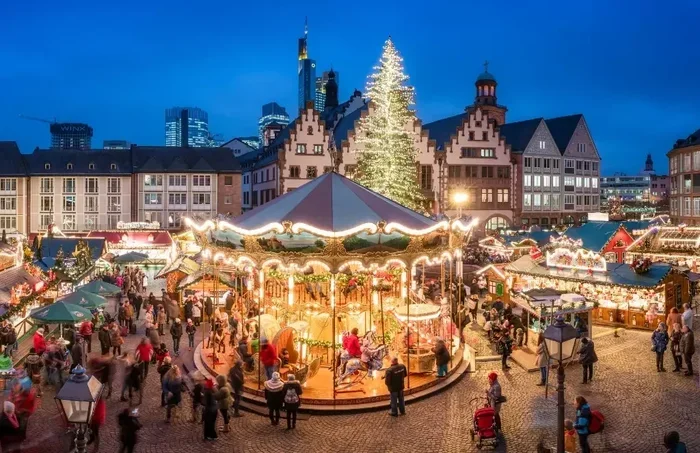
No discussion of German Christmas is complete without mentioning the famous Christmas markets. These open-air markets pop up in towns and cities across the country starting in late November. You will find handmade crafts, warm drinks, and festive decorations everywhere.
The markets are a perfect place to practice your German Christmas phrases. Vendors and visitors alike appreciate hearing visitors try to greet them in German. It is a wonderful way to connect with locals and experience the culture up close.
Christmas Eve Celebrations
In Germany, Christmas Eve, or Heiligabend, is the main event. Families gather on December 24th to exchange gifts, sing carols, and enjoy a festive meal. Many Germans attend a special church service in the afternoon or evening. The Christmas tree, or Tannenbaum, is decorated and lit with real candles on this day.
This is the moment when you really want to know how to say Merry Christmas in Germany. Greeting someone on Heiligabend with a heartfelt “Frohe Weihnachten” feels especially meaningful. It shows you understand that the celebration centers around this day.
Christmas Day and Boxing Day
December 25th and 26th are public holidays in Germany. Families continue celebrating with large meals and quality time together. The second day, known as Zweiter Weihnachtstag or Boxing Day, is also a time for family gatherings and relaxed festivities.
Many German families enjoy traditional dishes like roast goose, duck, or carp on Christmas Day. Stollen, a rich fruit bread, is a beloved holiday treat you will find everywhere during the season.
Festive Phrases for Every Christmas Occasion
Knowing how to say Merry Christmas in Germany is just the beginning. The holiday season brings many moments where a thoughtful phrase adds extra warmth. Here are some practical phrases for different situations.
Greeting Friends and Family
- “Frohe Weihnachten!” — Merry Christmas!
- “Fröhliche Festtage!” — Happy Holiday Days!
- “Ich wünsche dir eine schöne Weihnachtszeit!” — I wish you a beautiful Christmas season!
Talking About the Christmas Tree
The Christmas tree holds a special place in German holiday culture. The tradition of decorating a Tannenbaum originated in Germany and has spread worldwide. If you are discussing Christmas trees with German friends, these phrases come in handy:
- “Der Weihnachtsbaum ist wunderschön!” — The Christmas tree is beautiful!
- “Schau mal, der Baum leuchtet!” — Look, the tree is glowing!
If you are looking for creative Christmas tree names or fun ideas for your own tree, check out our guide on Christmas Tree Name for inspiration.
Gift-Giving Phrases
Gift-giving on Heiligabend is a central part of German Christmas. Here are some useful phrases to use when exchanging presents:
- “Ein schönes Geschenk für dich!” — A beautiful gift for you!
- “Ich hoffe, es gefällt dir!” — I hope you like it!
- “Frohe Weihnachten und viel Freude!” — Merry Christmas and much joy!
If you need creative ideas for gift names or want to add a personal touch to your presents, our Christmas Gift Name guide has some great suggestions.
Wishing Pets a Merry Christmas
Germans love their pets, and many families include their furry friends in holiday celebrations. If you want to include your pet in the festive spirit, check out our Christmas Names For Pets for adorable ideas that fit the season.
Fun Holiday Games and Activities
Many German families enjoy playing games together during the holidays. If you are hosting a Christmas Kahoot or trivia night, you might want fun Christmas-themed names. Our Funny Christmas Kahoot Name article has plenty of ideas to make your game night memorable.
Christmas Dinner and Feasting
German Christmas meals are hearty and delicious. Here are some food-related phrases to impress at the dinner table:
- “Das Essen ist köstlich!” — The food is delicious!
- “Ein frohes Fest und guten Appetit!” — A happy celebration and good appetite!
- “Prost und frohe Weihnachten!” — Cheers and Merry Christmas!”
Quick Tips for Impressing Germans at Christmas
Want to go the extra mile this holiday season? Here are some practical tips that will make your German Christmas interactions stand out.
- Learn a few phrases beyond the basics. Germans appreciate visitors who make an effort to speak even a little bit of their language. Start with “Frohe Weihnachten” and add a couple of extra phrases from this guide.
- Respect the Christmas Eve focus. Remember that December 24th is the main celebration day. Greeting someone with “Frohe Weihnachten” on the 24th carries special weight.
- Use formal “Sie” when appropriate. In formal settings or with older people, use the formal “Sie” form when speaking German. Switch to “du” only when invited to do so.
- Bring a small gift when invited. If you are invited to a German Christmas gathering, bring a small gift like flowers, chocolates, or a bottle of wine. This is a thoughtful gesture that Germans truly value.
- Try German Christmas treats. Accepting Stollen, Lebkuchen, or Glühwein shows you are open to experiencing the culture. Saying “Danke, das sieht lecker aus!” (Thanks, that looks delicious!) goes a long way.
- Visit a Christmas market. If you are in Germany during the holiday season, do not miss the Christmas markets. They are magical, and practicing your German greetings there feels natural and fun.
Common Mistakes to Avoid
Even with good intentions, some mistakes can make your German Christmas greetings feel off. Here are a few to watch out for.
- Using the wrong word order. German sentence structure can differ from English. Keep your greetings simple and stick with the standard “Frohe Weihnachten” format.
- Pronouncing the “w” like an English “w.” Remember that in German, “w” sounds like “v.” Saying “Froh VAY-nahk-ten” is much closer to the correct pronunciation than “Froh WEE-nahk-ten.”
- Forgetting about Christmas Eve. Many people focus only on December 25th, but in Germany, the 24th is the big day. Make sure your greetings align with the actual celebration date.
- Mixing up Fröhlich and Froh. Both are correct, but “Frohe Weihnachten” is more standard. Using “Fröhliche Weihnachten” is also fine, but avoid mixing them in the same sentence.
Expert Insights on German Christmas Culture
German Christmas traditions go back centuries and are deeply rooted in both religious and cultural history. The country is widely considered the birthplace of many Christmas traditions we now enjoy worldwide, including the Christmas tree, the Advent calendar, and Christmas markets.
Germans view Christmas as a deeply spiritual and family-oriented time. The emphasis is on togetherness, reflection, and warmth. This is why greetings like “Friedliche Weihnachten” and “Ein gesegnetes Weihnachtsfest” resonate so strongly. They carry genuine meaning and heartfelt sentiment.
If you want to explore more about the festive side of German culture, you can also look into Christmas names for games, festive team names, or even fun Christmas reindeer names to add a playful touch to your holiday celebrations. These little details show that you care about the full Christmas experience, not just the surface level.
The beauty of learning how to say Merry Christmas in Germany is that it connects you to a living tradition. Every phrase you learn carries a piece of history and culture with it. So take your time, enjoy the process, and let the words bring you closer to the heart of a German Christmas.
Key Takeaways
- Frohe Weihnachten is the go-to greeting for Merry Christmas in Germany
- Fröhliche Weihnachten and Friedliche Weihnachten offer alternative tones and styles
- Christmas Eve is the main celebration day in Germany, not December 25th
- Pronunciation matters — the German “w” sounds like an English “v”
- Cultural context adds depth and authenticity to every greeting you use
- Festive phrases for food, gifts, and trees make your holiday conversations richer
- Small efforts like learning a few German phrases go a long way in building connections
Conclusion
Now you know exactly how to say Merry Christmas in Germany and so much more. From “Frohe Weihnachten” to festive phrases for food, gifts, and celebrations, you have a full toolkit to make this holiday season special. The German Christmas experience is warm, meaningful, and deeply rooted in tradition.
Whether you are planning a trip to Germany, writing a holiday card to a German friend, or simply want to expand your cultural knowledge, these greetings and insights will serve you well. The effort you put into learning these phrases shows respect, curiosity, and a genuine love for the holiday spirit.
So practice your pronunciation, share these greetings with the people around you, and enjoy the magic of a German Christmas. Frohe Weihnachten and happy holidays to you and yours!
Frequently Asked Questions
What is the most common way to say Merry Christmas in Germany?
The most common greeting is “Frohe Weihnachten.” It is used across all of Germany and works in both formal and casual settings. Almost every German knows and uses this phrase during the holiday season.
Is “Fröhliche Weihnachten” also correct?
Yes, “Fröhliche Weihnachten” is completely correct and widely used. It carries a slightly more joyful tone compared to “Frohe Weihnachten.” Both phrases mean the same thing and are perfectly acceptable.
When do Germans celebrate Christmas?
Germans celebrate Christmas primarily on December 24th, known as Heiligabend or Christmas Eve. December 25th and 26th are public holidays for continued family celebrations and feasting.
Do Germans speak English during Christmas?
Many Germans understand and speak some English, especially in cities. However, using German greetings like “Frohe Weihnachten” is always appreciated and shows cultural respect.
What other festive phrases should I know for German Christmas?
Beyond greetings, learn phrases like “Schöne Feiertage” for happy holidays and “Ein gesegnetes Weihnachtsfest” for a blessed Christmas. These add depth and warmth to your holiday conversations.
Are German Christmas traditions similar to English-speaking countries?
There are similarities like gift-giving and Christmas trees, but German celebrations emphasize Advent, Christmas markets, and Christmas Eve as the main event. The cultural depth and historical roots make the German Christmas experience unique.