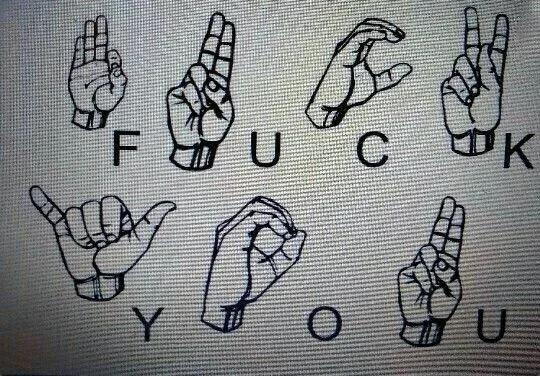

Learning how to say cuss words in sign language is easier than you think, and it helps you understand casual communication in the deaf community. This guide breaks down the most common offensive signs in ASL, shows you how facial expressions add meaning, and teaches you to use them confidently and respectfully. Whether you are curious about sign language slang or want to expand your vocabulary, you will find practical tips and real examples here.
Key Takeaways
- Basic cuss signs in ASL are simple hand gestures that many people learn early in their sign language journey.
- Facial expressions and body language are essential for conveying the full meaning of rude signs in sign language.
- Context matters a lot when using expressive signs, and knowing when and where to sign them shows maturity.
- Deaf culture values respect, so understanding the social norms around offensive signs is just as important as learning the signs themselves.
- Practicing with native signers helps you pick up nuances that textbooks and sign language dictionaries often miss.
- Common mistakes include overusing rude signs or using them in formal settings where they are not appropriate.
📑 Table of Contents
- What Are Cuss Words in Sign Language?
- Common Cuss Signs You Should Know
- How Facial Expressions Bring Meaning to Offensive Signs
- Using Cuss Signs with Confidence
- Common Mistakes People Make with Offensive Signs
- The Connection Between Text Communication and Sign Language
- Key Takeaways
- Frequently Asked Questions
- Final Thoughts
What Are Cuss Words in Sign Language?
Sign language is a rich and expressive way to communicate. It uses hand shapes, movements, and facial expressions to convey meaning. Just like spoken languages, sign language has its own set of rude and offensive signs. These signs are part of everyday casual signing among many deaf individuals and hard-of-hearing communities.
When people ask about cuss words in sign language, they usually want to know the actual hand gestures used to express profanity or strong emotions. These signs vary by region and country. American Sign Language (ASL) has its own set of offensive signs that differ from British Sign Language (BSL) or other sign languages around the world.
It is worth noting that sign language is not universal. Each country has its own version. Even within one country, regional differences exist. So the signs you learn in one area might not mean the same thing somewhere else. This is similar to how slang words differ from city to city in spoken English.
Understanding offensive signs in ASL gives you a fuller picture of the language. It also helps you navigate real conversations with deaf friends or colleagues. Knowledge is power, and knowing these signs helps you communicate more naturally in informal settings.
Common Cuss Signs You Should Know
Let us look at some of the most well-known rude signs in ASL. Keep in mind that these signs are meant for educational purposes. They are part of the language, and understanding them helps build fluency.
The Basic Offensive Hand Gesture
One of the most recognized offensive hand gestures in ASL involves a simple hand shape. You extend your middle finger and point it toward someone. This gesture carries the same weight as the spoken version in English. It is direct and clear.
Another common sign uses a flat hand tapped against the chin or cheek. The meaning is vulgar and is used among close friends in casual settings. The hand shape and movement are specific, and getting them right matters for clarity.
Signs That Involve Flipping the Bird
Yes, the middle finger gesture exists in sign language too. But in ASL, it is often combined with other movements to add emphasis. For example, you might flick the wrist outward while holding the finger up. This adds a layer of meaning that goes beyond the basic gesture.
In casual communication, people sometimes pair this with expressive body language. A shrug, a smirk, or a roll of the eyes can change the tone entirely. This is what makes sign language so dynamic and fun to watch.
Slang and Informal Rudeness
Not all rude signs are aggressive. Some are playful and used among friends. These sign language slang signs might involve funny hand movements or exaggerated expressions. They are less offensive and more about humor and bonding.
Think of it like saying “dude” or “whatever” in English. The words are casual and not meant to hurt anyone. In sign language, similar informal signs exist. They add color and personality to your signing.
How Facial Expressions Bring Meaning to Offensive Signs
Here is something that surprises many people. Facial expressions are a huge part of sign language. They change the meaning of signs in powerful ways. A rude sign without the right facial expression might seem mild or even confusing.
When you sign something offensive, your face should match the intent. Furrowed brows, a scowl, or a raised eyebrow all add layers of meaning. These expressions work together with your hand movements to create a complete message.
Think about it this way. If you sign a rude word with a blank face, it might seem like you are just describing something. But add a strong scowl and intense eye contact, and the message becomes clear. Your face is like the volume knob on your signing.
Body language also plays a role. Leaning forward, clenching your fists, or tensing your shoulders all add emphasis. These physical cues are natural in sign language and they help you communicate with real emotion and confidence.
Using Cuss Signs with Confidence
Now that you know some signs, how do you use them with confidence? Confidence comes from practice and understanding the social context. You do not want to offend people or come across as rude without meaning to.
First, know your audience. If you are around deaf friends who use casual language, they may appreciate your effort to communicate naturally. But in formal settings, like a business meeting or a classroom, these signs are not appropriate.
Second, practice in front of a mirror. Watch your hand shapes and facial expressions together. Make sure your movements are clear and deliberate. The more you practice, the more natural it will feel.
Third, learn from native signers. Watch deaf content creators on social media or attend local deaf community events. You will pick up on the subtle nuances that make signing feel authentic and natural.
Finally, remember that confidence comes with respect. Knowing when to use these signs and when to hold back shows emotional intelligence. It also earns you respect within the deaf community.
Common Mistakes People Make with Offensive Signs
Learning rude signs in sign language is straightforward. But using them correctly is a different story. Here are some common mistakes that people make.
Mistake 1: Overusing rude signs. Just like in spoken language, too much profanity can be off-putting. If every other sign you use is offensive, people will tune you out or feel uncomfortable.
Mistake 2: Using the wrong facial expression. A sign might be technically correct, but without the right expression, it loses its impact. Practice matching your face to the emotion behind the sign.
Mistake 3: Ignoring cultural context. The deaf community has its own norms and values. Using offensive signs in a way that feels disrespectful or ignorant can damage relationships. Always approach this part of the language with care.
Mistake 4: Assuming all sign languages are the same. The signs you learn in ASL might not exist in other sign languages. And even within ASL, regional variations can change the meaning of a sign. Stay curious and keep learning.
Mistake 5: Skipping the basics. Before diving into offensive signs, make sure you have a solid foundation in basic ASL. Understanding grammar, sentence structure, and everyday vocabulary will make learning these signs much easier.
The Connection Between Text Communication and Sign Language
Communication has changed a lot over the years. People use texting, social media, and video calls to stay connected. In the digital world, many of us rely on shortcuts and abbreviations. For example, when someone texts you and you are not sure what they mean, you might wonder about the wtw meaning in text or search for quick explanations online. These little abbreviations have become a normal part of how we communicate every day.
Similarly, people often look up the ts meaning in text to understand what someone is trying to convey in a casual message. These text shortcuts show how language keeps evolving to match our fast-paced lives. In the same way, sign language has evolved its own set of shortcuts and informal signs for everyday use.
Both text abbreviations and sign language slang serve the same purpose. They help people communicate quickly and casually. The difference is that sign language adds a visual and physical dimension that text simply cannot replicate. The combination of hand shapes, movements, and facial expressions makes sign language one of the most expressive forms of communication in the world.
As technology continues to shape how we connect, both text-based and visual communication methods will keep growing. Understanding both worlds gives you a real advantage in today’s diverse communication landscape.
Key Takeaways
- Basic cuss signs in ASL are simple hand gestures that many people learn early in their sign language journey.
- Facial expressions and body language are essential for conveying the full meaning of rude signs in sign language.
- Context matters a lot when using expressive signs, and knowing when and where to sign them shows maturity.
- Deaf culture values respect, so understanding the social norms around offensive signs is just as important as learning the signs themselves.
- Practicing with native signers helps you pick up nuances that textbooks and sign language dictionaries often miss.
- Common mistakes include overusing rude signs or using them in formal settings where they are not appropriate.
Frequently Asked Questions
Is it okay to use cuss words in sign language in public?
It depends on the setting and your audience. In casual conversations with friends who sign, using informal signs is generally accepted. But in public or formal environments, it is best to keep your language clean and respectful. Always consider the people around you before signing anything offensive.
Do all deaf people use offensive signs?
No, not everyone uses them. Just like in spoken language, some people prefer to keep their language clean. Others use casual or offensive signs among close friends. It all comes down to personal preference and the social context of the conversation.
Can learning offensive signs help me become more fluent in ASL?
Yes, understanding the full range of a language including its informal and offensive vocabulary can boost your overall fluency. It helps you understand native signers better and communicate more naturally in casual settings. However, always approach this part of the language with respect and awareness.
Are offensive signs in ASL the same across all countries?
Absolutely not. Every sign language has its own set of offensive signs. ASL is used primarily in the United States and parts of Canada, and its rude signs are specific to that community. British Sign Language, Australian Sign Language, and other sign languages all have their own unique expressions.
How can I practice signing offensive words without offending anyone?
The best way to practice is with trusted deaf friends or in educational settings where the topic is discussed openly. Many ASL classes cover informal vocabulary as part of their curriculum. Online resources and deaf community forums can also provide a safe space for learning and practice.
What should I do if I accidentally sign something offensive?
If you make a mistake, apologize sincerely and move on. Most people in the deaf community understand that learners make errors. The important thing is to show that you care and are willing to learn from the experience. Use it as a chance to grow and improve your signing skills.
Final Thoughts
Learning how to say cuss words in sign language is a natural part of becoming more comfortable with ASL. It opens doors to deeper conversations and helps you connect with deaf friends on a more personal level. But with that knowledge comes responsibility. Use these signs thoughtfully, respect the culture, and always consider your audience.
The beauty of sign language lies in its expressiveness. Every hand movement, every facial expression, and every body shift tells a story. When you add the full range of emotional expression to your signing, you become a more confident and authentic communicator. Keep practicing, stay curious, and enjoy the journey of learning this incredible visual language.
Remember, the goal is not just to know the signs but to use them with understanding and respect. That is what true fluency looks like. So go ahead, practice with confidence, and embrace the richness of sign language in all its forms.



