
Knowing how to say eggplant in Italian is essential for any food lover or traveler. The Italian word for eggplant is melanzana, and it plays a starring role in countless beloved Italian dishes. This guide covers pronunciation, grammar, recipes, and cultural tips to help you confidently use the word in real conversations.
If you have ever stood in an Italian kitchen or browsed a menu in Rome and felt lost, you are not alone. Learning how to say eggplant in Italian opens a whole world of delicious food and meaningful conversations. The Italian language is musical and expressive, and food words like melanzana sit right at the heart of daily life. Whether you are planning a trip to Italy or simply want to cook authentic dishes at home, this guide has you covered. We will walk you through everything step by step in a clear and friendly way.
Eggplant shows up in so many Italian recipes that knowing the word is more than just a vocabulary exercise. It is a gateway to understanding Italian culture, regional cooking, and the joy of sharing food with others. In this article, you will learn the Italian word for eggplant, how to pronounce it correctly, and how to use it in real-life situations. We will also explore famous eggplant dishes, helpful phrases, and fun cultural facts. Let us dive in and make learning easy and fun.
Key Takeaways
- The Italian word for eggplant is “melanzana” (singular) and “melanzane” (plural).
- Proper pronunciation is “meh-lahn-ZAH-nah” with the stress on the third syllable.
- Eggplant is central to iconic Italian dishes like eggplant parmesan and caponata.
- Learning how to use “melanzana” in sentences helps you order food and cook with confidence.
- Common mistakes include confusing gender and plural forms of the word.
- Italian eggplant varieties and regional dishes add rich cultural depth to your vocabulary.
📑 Table of Contents
- The Italian Word for Eggplant
- How to Pronounce Eggplant in Italian
- Popular Italian Eggplant Dishes
- Using “Eggplant” in Italian Sentences
- Fun Facts About Eggplant in Italian Culture
- Common Mistakes to Avoid
- Quick Tips for Remembering the Italian Word
- Expert Insights on Learning Italian Food Words
- Conclusion
The Italian Word for Eggplant
The direct translation of eggplant in Italian is melanzana. This is the word you will hear in kitchens, markets, and restaurants across Italy. In the singular form, it is melanzana. When you are talking about more than one eggplant, you simply add an e at the end to get melanzane. This follows standard Italian grammar rules for feminine nouns, which we will cover in more detail below.
Singular and Plural Forms
Italian nouns have a gender, and melanzana is a feminine noun. This means that adjectives and articles that describe it must also be feminine. Here is a quick breakdown:
- Melanzana — one eggplant (singular, feminine)
- Melanzane — more than one eggplant (plural, feminine)
- La melanzana — the eggplant (with feminine article)
- Le melanzane — the eggplants (plural feminine article)
Getting the plural form right is one of the most common things people get wrong when they first learn how to say eggplant in Italian. The good news is that once you remember to add that -e ending, you will have it down pat. Practice saying both forms out loud a few times, and it will start to feel natural very quickly.
How to Pronounce Eggplant in Italian
Pronunciation is where many English speakers stumble. The Italian word melanzana might look long, but it follows a very predictable pattern. Each vowel is pronounced clearly, and there are no silent letters. This is great news for beginners because Italian is one of the most phonetic languages in the world.
Breaking Down the Pronunciation
Let us break melanzana into syllables to make it easier:
- Meh — like the start of the English word “met”
- lahn — like the word “lawn” but shorter and softer
- ZAH — rhymes with “aha” and carries the main stress
- nah — like “nah” in a casual way
Put it all together and you get meh-lahn-ZAH-nah. The stress always falls on the third syllable, which is the ZAH part. If you remember that rhythm, your pronunciation will sound much more natural to native Italian speakers.
A quick tip is to listen to native speakers say the word online. YouTube and language apps are great resources. Hearing the word spoken by Italians helps your ear pick up the correct melody and rhythm. When you are texting Italian friends or food groups about recipes, you might also come across text abbreviations like what does WTW mean in text, since food lovers often share quick messages about meals and cooking plans.
Popular Italian Eggplant Dishes
Eggplant is one of the most beloved vegetables in Italian cooking. It shows up in appetizers, main courses, side dishes, and even desserts in some regions. Once you know how to say eggplant in Italian, you can explore these dishes with much more confidence and enjoyment.
Melanzane alla Parmigiana
This is probably the most famous eggplant dish from Italy. Melanzane alla parmigiana (often called eggplant parmesan in English) features sliced eggplant layered with tomato sauce, cheese, and baked until bubbly and golden. It originated in southern Italy, particularly in the Campania and Sicily regions. Every family seems to have its own special version, which makes it a dish full of personal and cultural meaning.
Caponata Siciliana
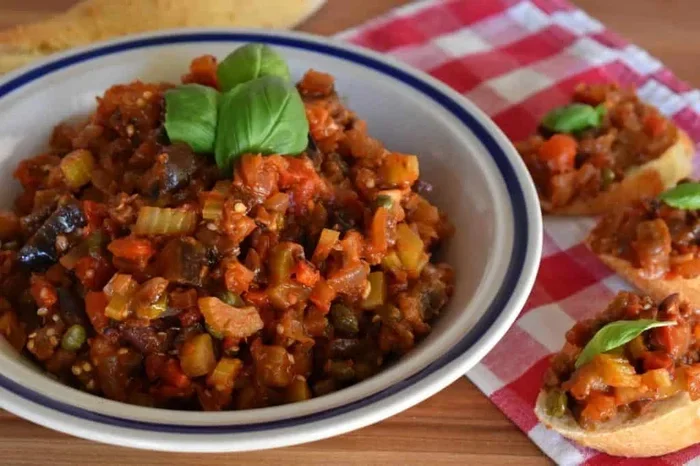
Caponata is a Sicilian specialty that combines eggplant with tomatoes, celery, olives, and capers in a sweet and sour sauce. It is served as an appetizer or a side dish and is a perfect example of how Italian cooks transform simple vegetables into something extraordinary. The dish reflects Sicily’s history of mixing Arab and Mediterranean flavors.
Melanzane Ripiene
Stuffed eggplant, or melanzane ripiene, is another crowd favorite. The eggplant is halved, hollowed out, and filled with a mixture of breadcrumbs, cheese, herbs, and sometimes meat. It is then baked until tender. This dish varies from region to region, and every cook adds their own twist to the filling.
Pasta con le Melanzane
Pasta with eggplant is a simple yet deeply satisfying dish found all over Italy. The eggplant is typically sautéed with garlic, basil, and olive oil, then tossed with pasta. It is a perfect example of how Italian cuisine lets a few high-quality ingredients shine without needing complicated techniques.
Using “Eggplant” in Italian Sentences
Knowing the word is one thing, but using it in real conversations is where the magic happens. Here are some practical phrases that will help you talk about eggplant in Italian with confidence.
Useful Phrases for Ordering and Cooking
- “Vorrei delle melanzane, per favore.” — I would like some eggplant, please.
- “Qual è il modo migliore per cucinare le melanzane?” — What is the best way to cook eggplant?
- “Mi piacciono le melanzane alla parmigiana.” — I like eggplant parmesan.
- “Ho comprato delle melanzane al mercato.” — I bought some eggplant at the market.
- “La melanzana è molto versatile in cucina.” — Eggplant is very versatile in the kitchen.
These phrases work well in restaurants, markets, and even when chatting with Italian friends. If you are texting someone about Italian food or sharing a recipe, you might also see abbreviations like TS meaning in text pop up in food-related group chats, especially when people are sharing quick tips or recipe updates in a hurry.
Talking About Preferences
Being able to express your preferences around eggplant is a great way to connect with Italian speakers. Italians are passionate about their food, and sharing your likes and dislikes is a natural part of dining together. Try saying “Non ho mai provato le melanzane fritte” to tell someone you have never tried fried eggplant. The conversation that follows can lead to wonderful food recommendations and new recipe ideas.
Fun Facts About Eggplant in Italian Culture
Eggplant has a rich history in Italy that goes back centuries. Understanding this history adds depth to your learning experience and gives you interesting talking points when you discuss Italian food.
A Vegetable with a Story
Eggplant was introduced to Italy by Arab traders during the Middle Ages. It originally came from South Asia and traveled through the Middle East before reaching Mediterranean shores. Italians embraced it fully, and today eggplant is a staple in kitchens from Naples to Palermo. The word melanzana itself has Arabic roots, coming from the word “al-badinjan,” which evolved over centuries into the Italian form we use today.
Regional Differences
Different regions of Italy prepare eggplant in unique ways. In Sicily, caponata reigns supreme. In Campania, eggplant parmesan is a comfort food staple. In Puglia, simple grilled eggplant with olive oil is a common side dish. Each region brings its own character to this versatile vegetable. When you learn how to say eggplant in Italian, you also gain access to these regional stories and traditions.
Eggplant in Everyday Life
In Italy, eggplant is not just a food, it is a part of family life. Sunday dinners often feature eggplant dishes passed down through generations. Farmers sell fresh melanzane at outdoor markets, and children grow up picking out the best ones with their grandparents. This cultural connection makes learning the Italian word for eggplant much more meaningful than just memorizing a translation.
Common Mistakes to Avoid
Even enthusiastic learners make mistakes when they first start using Italian food vocabulary. Being aware of common errors helps you avoid them and sound more natural.
Mistake 1: Getting the Gender Wrong
Melanzana is feminine, so you must use feminine articles and adjectives. Saying “il melanzana” instead of “la melanzana” is a common error among beginners. Always remember that melanzana takes the article “la” in the singular and “le” in the plural.
Mistake 2: Forgetting the Plural Ending
Some learners say “melanzana” even when they mean more than one eggplant. The plural form is melanzane, with the -e ending. This small change makes a big difference in clarity and correctness.
Mistake 3: Mispronouncing the Word
English speakers sometimes stress the wrong syllable or pronounce the z like an English “z.” In Italian, the letter z is pronounced like “ts” or “dz,” and the stress always falls on the third syllable. Slowing down and practicing the correct rhythm will help you sound much more natural.
Quick Tips for Remembering the Italian Word
- Break the word into chunks: Meh-lahn-ZAH-nah. Practice each chunk separately, then put them together.
- Use visual memory: Picture a beautiful Italian eggplant at a market and say the word out loud as you imagine it.
- Practice in context: Use the word melanzana in full sentences rather than memorizing it in isolation.
- Watch Italian cooking videos: Seeing and hearing the word in real Italian kitchens reinforces your memory.
- Teach someone else: Explaining how to say eggplant in Italian to a friend cements the knowledge in your own mind.
Expert Insights on Learning Italian Food Words
Language experts agree that the best way to remember food vocabulary is to connect it with real experiences. If you can cook an Italian eggplant dish while learning the words, you create a powerful memory link. The combination of taste, smell, and language makes the learning stick. Many learners also find that joining online communities where people discuss Italian food and language helps them pick up terms naturally and consistently.
Another expert tip is to focus on high-frequency food words first. Eggplant is a great starting point because it appears in so many popular Italian recipes. Once you master melanzana, you can build on that foundation to learn words for other vegetables, herbs, and cooking techniques. This approach keeps your learning focused and practical rather than scattered and overwhelming.
Conclusion
Learning how to say eggplant in Italian is a simple yet rewarding step in your language journey. The word melanzana opens the door to delicious Italian dishes, rich cultural traditions, and meaningful conversations with Italian speakers. From the classic eggplant parmesan to the vibrant Sicilian caponata, this humble vegetable carries centuries of history and culinary wisdom in every bite.
We covered the Italian translation, pronunciation, grammar, useful phrases, popular dishes, and common mistakes. With this knowledge in hand, you can confidently order eggplant at an Italian restaurant, cook authentic recipes at home, and chat with Italian friends about their favorite food. The key is to practice regularly, stay curious, and enjoy the process of learning.
So next time you see an eggplant at the grocery store or sit down to a plate of melanzane alla parmigiana, say the word out loud in Italian. Let it roll off your tongue as meh-lahn-ZAH-nah. You will be surprised how quickly it becomes second nature. Buon appetito!
Frequently Asked Questions
What is the Italian word for eggplant?
The Italian word for eggplant is melanzana in the singular form and melanzane in the plural. It is a feminine noun, so it uses the feminine article “la” when singular and “le” when plural.
How do you pronounce melanzana correctly?
Melanzana is pronounced “meh-lahn-ZAH-nah” with the stress on the third syllable. Each vowel is pronounced clearly, and the letter z sounds like “ts” or “dz” in Italian. Listening to native speakers is the best way to perfect your pronunciation.
What are the most popular Italian eggplant dishes?
The most popular dishes include melanzane alla parmigiana (eggplant parmesan), caponata siciliana (Sicilian sweet and sour eggplant), melanzane ripiene (stuffed eggplant), and pasta con le melanzane (pasta with eggplant). Each region in Italy has its own beloved version.
Is eggplant masculine or feminine in Italian?
Eggplant is feminine in Italian. The word melanzana takes feminine articles and adjectives. You should say “la melanzana” for the singular and “le melanzane” for the plural.
Can I use the English word “eggplant” in Italy?
While some younger Italians understand the English word, using the Italian word melanzana will make your conversations more natural and respectful. Italians appreciate when visitors make the effort to speak even a few words of their language, especially when it comes to food.
How can I practice using Italian eggplant vocabulary?
You can practice by cooking Italian eggplant recipes at home, watching Italian cooking videos, ordering eggplant dishes at Italian restaurants, and chatting with Italian speakers or language partners. Using the word in real context is the fastest way to remember it.
=== CONCLUSION ===
Now you know exactly how to say eggplant in Italian and so much more. From the pronunciation of melanzana to the best Italian eggplant dishes, you are well equipped to explore Italian food culture with confidence. Remember to practice the phrases, try cooking with the word, and share your new knowledge with friends. The journey of learning a language is best enjoyed one delicious word at a time.



