
Learning how to say good morning in croatian is easier than you think. The standard phrase Dobro Jutro works in most situations, but Croatians also use regional variations and informal alternatives that add warmth to every greeting. This guide gives you everything you need to greet someone in Croatian like a local.
Starting a conversation in a new language can feel intimidating. But when it comes to how to say good morning in croatian, you are in luck. The greeting is simple, warm, and easy to learn. Whether you are planning a trip to the Dalmatian coast or just want to impress a Croatian friend, mastering this basic phrase opens the door to real connections.
Good morning in Croatian is more than just a translation. It carries cultural weight. Croatians value politeness, and the way you greet someone sets the tone for the entire interaction. In this guide, we walk you through every aspect of morning greetings in the Croatian language. You will learn the standard phrase, informal alternatives, regional differences, and cultural tips that make your greetings feel authentic.
Key Takeaways
- Dobro Jutro is the standard and most widely used good morning greeting in Croatian.
- Regional dialects across Croatia offer unique variations of the morning greeting.
- Texting and informal settings call for shorter, friendlier alternatives.
- Timing and context matter when choosing between formal and casual greetings.
- Pronunciation is straightforward once you understand the basic sounds.
- Pairing your greeting with a smile and eye contact makes a big difference.
- Practice daily to build confidence and natural fluency.
📑 Table of Contents
- The Standard Good Morning Greeting in Croatian
- Informal and Casual Ways to Say Good Morning
- Regional Variations Across Croatia
- Cultural Tips for Greeting in Croatian
- Common Mistakes When Greeting in Croatian
- Practice Tips to Master Good Morning in Croatian
- Key Takeaways
- Frequently Asked Questions
- Conclusion
The Standard Good Morning Greeting in Croatian
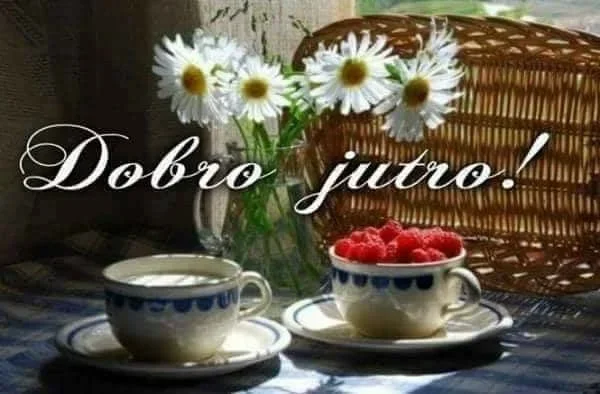
The most common way to say good morning in Croatian is Dobro Jutro. This phrase works in almost every situation. You can use it with strangers, colleagues, friends, and family. It is the go-to greeting from early morning until around noon.
Breaking Down Dobro Jutro
Let us look at the phrase closely. Dobro means good or well. Jutro means morning. Put them together and you get a straightforward, friendly greeting. The pronunciation is fairly easy for English speakers.
Here is a quick breakdown:
- Dobro (DOH-broh) – rhymes with “robe” but starts with a D
- Jutro (YOO-troh) – the J sounds like a soft Y in English
When you say Dobro Jutro, stress the first syllable of each word. Keep your tone warm and natural. Croatians appreciate effort, so even a basic attempt goes a long way.
When to Use Dobro Jutro
Use this greeting from sunrise until midday. In Croatia, people typically switch to other greetings after noon. Before that, Dobro Jutro is always appropriate. It works in shops, offices, on the street, and at home.
Here are some situations where Dobro Jutro fits perfectly:
- Walking into a coffee shop in Zagreb
- Greeting a colleague at work
- Answering the phone in the morning
- Saying hello to neighbors
- Starting a conversation with anyone new
Informal and Casual Ways to Say Good Morning
Not every morning greeting needs to be formal. Croatians use shorter, friendlier phrases in casual settings. If you are talking to a close friend or someone your age, you can skip the full Dobro Jutro and go for something more relaxed.
Casual Morning Greetings Among Friends
Among friends and peers, Croatians often use shortened or playful versions of the morning greeting. Some people simply say Jutro on its own. It is quick, casual, and perfectly natural.
You might also hear Dobar Dan used in the morning, though it technically means “good day.” In everyday conversation, Croatians are flexible with their greetings. The key is to match the energy of the person you are speaking with.
In text messages and online chats, people use even shorter forms. For example, many Croatians type quick abbreviations when they are texting friends. If you are curious about common abbreviations people use in digital conversations, you might come across someone asking what wtw means in text, since it is one of the popular abbreviations in casual digital communication. Similarly, you might see ts meaning in text pop up in informal Croatian chats as well.
Texting and Digital Greetings
Texting changes how people greet each other. In Croatian digital communication, people keep things short and sweet. A simple Jutro or Dobro works perfectly in a text message.
Some people also add emojis or exclamation marks to make the greeting feel warmer. For example:
- Jutro! 🌞
- Dobro jutro! ❤️
- Yuuutro 😄
These casual forms show friendliness and familiarity. They are perfect for texting someone you know well. The same principle applies to greetings in many languages, where informal digital communication calls for shorter, more expressive phrases.
Regional Variations Across Croatia
Croatia is a small country, but its dialects vary significantly from region to region. This diversity also affects how people say good morning in different parts of the country.
Dialects and Local Flavors
In the coastal regions of Dalmatia, the greeting might sound slightly different due to Italian influences on the local dialect. In the northern regions near Zagreb, the standard Dobro Jutro dominates everyday speech. In Slavonia, you might hear unique local expressions that have been passed down through generations.
These regional differences add richness to the Croatian language. They also show how deeply connected greetings are to local identity. When you travel within Croatia, you may notice these subtle variations in action. Each region takes pride in its linguistic heritage, and locals appreciate when visitors notice these differences.
Common Expressions That Pair with Morning Greetings
Croatians often pair their morning greeting with a follow-up question or comment. This is similar to how English speakers might say “Good morning, how are you?” Some common pairings include:
- Dobro Jutro, kako si? – Good morning, how are you?
- Dobro Jutro, sretan dan! – Good morning, have a nice day!
- Dobro Jutro, zdravo! – Good morning, hello!
Using these pairings makes your greeting feel more complete and natural. It shows you understand not just the words, but the flow of Croatian conversation. These small additions turn a simple greeting into a meaningful exchange.
Cultural Tips for Greeting in Croatian
Language is never just about words. It is about culture, context, and connection. Understanding the cultural side of Croatian greetings will help you use them more effectively and respectfully.
Timing and Context Matter
Croatians are generally polite and value proper timing. Saying Dobro Jutro in the afternoon might feel a bit odd. The greeting is specifically for the morning hours. After noon, switch to Dobar Dan for good day.
Here is a simple guide to Croatian greetings by time of day:
- Morning (sunrise to noon): Dobro Jutro
- Daytime (noon to evening): Dobar Dan
- Evening/Night: Dobra Večer
Using the right greeting at the right time shows respect and awareness. It is a small detail that Croatians notice and appreciate. Getting this right demonstrates that you have taken the time to learn their customs.
Body Language and Tone
How you say the greeting matters just as much as what you say. Croatians tend to be warm but not overly expressive in initial greetings. A friendly smile, steady eye contact, and a relaxed tone work best.
If you are in a formal setting, keep your tone slightly more reserved. In casual settings, you can be more relaxed and playful. Matching the energy of the room shows emotional intelligence and cultural awareness.
Also, if you are exploring common expressions and their meanings, you might come across phrases like the good riddance meaning in everyday English conversations, which shows how expressions carry different weight depending on context. This same principle applies to Croatian greetings, where tone and context shape the entire meaning of a simple phrase.
The Role of Politeness in Croatian Culture
Croatians place a high value on politeness, especially with people they do not know well. Using the formal Dobro Jutro with a stranger is always safe and appreciated. As the relationship becomes more familiar, you can shift to casual greetings.
Never underestimate the power of a simple greeting. In Croatian culture, it is a sign of respect and goodwill. It opens doors and builds trust, even before the conversation truly begins. A warm morning greeting can turn a stranger into a friend.
Common Mistakes When Greeting in Croatian
Learning any new language comes with mistakes. The good news is that most of them are easy to avoid. Here are the most common errors people make when trying to say good morning in Croatian.
Pronunciation Errors
The biggest mistake is mispronouncing Jutro. Many English speakers say it with a hard J sound, like the English letter J. But in Croatian, the J sounds like the English Y. So it is more like “Yutro” than “Jutro.”
Another common error is stressing the wrong syllable. Remember to stress the first syllable of each word: DO-bro YU-tro. Getting the stress right makes your greeting sound much more natural. Practice saying it slowly at first, then gradually speed up.
Using the Wrong Greeting at the Wrong Time
Using Dobro Jutro in the evening is a common mistake. Stick to the time-based guide we shared above. Croatians will notice if you use the wrong greeting, and while they will not be offended, using the correct one shows that you care about getting it right.
Being Too Formal or Too Casual
Both extremes can cause awkward moments. Being too formal with a close friend feels stiff. Being too casual with a stranger or elder can come across as disrespectful. Pay attention to the situation and the person you are greeting, and adjust accordingly. When in doubt, stick with the standard Dobro Jutro.
Practice Tips to Master Good Morning in Croatian
Like any language skill, greeting in Croatian improves with practice. Here are some practical tips to help you master the morning greeting and use it confidently in real conversations.
Daily Practice Habits
Start by saying Dobro Jutro out loud every morning. Even if you are alone, practicing the pronunciation builds muscle memory. Try saying it with different tones and emotions to find what feels natural.
You can also practice with a language partner or a Croatian friend. Ask them to correct your pronunciation and give you feedback. Most Croatians are happy to help someone learn their language. They will appreciate your effort.
Immerse Yourself in Croatian Media
Watch Croatian TV shows, listen to Croatian music, or follow Croatian social media accounts. Pay attention to how native speakers greet each other in different settings. This passive exposure helps you pick up natural rhythms and intonation patterns. Over time, you will start to feel when a greeting sounds right.
Use Greeting Apps and Flashcards
Language learning apps are great tools for memorizing phrases. Create flashcards with Dobro Jutro on one side and the pronunciation on the other. Review them daily for a few minutes. This spaced repetition technique helps you retain the phrase long-term. You can also set a morning alarm reminder to practice your greeting every day.
Key Takeaways
- Dobro Jutro is the standard and most widely used good morning greeting in Croatian.
- Regional dialects across Croatia offer unique variations of the morning greeting.
- Texting and informal settings call for shorter, friendlier alternatives like Jutro or Dobro.
- Timing and context matter when choosing between formal and casual greetings.
- Pronunciation is straightforward once you understand the basic sounds, especially the soft J that sounds like Y.
- Pairing your greeting with a smile and eye contact makes a big difference in how it is received.
- Practice daily to build confidence and natural fluency in your Croatian morning greetings.
Frequently Asked Questions
Is Dobro Jutro the only way to say good morning in Croatian?
No, Dobro Jutro is the standard, but Croatians also use shorter forms like Jutro in casual settings. Regional dialects may offer additional variations too. The key is to match the formality of the situation and the relationship you have with the person you are greeting.
What time of day should I switch from Dobro Jutro to Dobar Dan?
Switch to Dobar Dan after noon. Dobro Jutro is specifically for morning hours, typically from sunrise until around midday. Using the right greeting at the right time shows cultural awareness and respect for local customs.
How do you pronounce Jutro correctly?
The Croatian J sounds like the English Y. So Jutro is pronounced “YOO-troh.” Stress the first syllable and keep your tone warm and natural. Practice saying it slowly at first, then speed up as you get comfortable with the rhythm.
Can I use Dobro Jutro with someone I have just met?
Absolutely. Dobro Jutro is perfectly appropriate for strangers and new acquaintances. It is polite, friendly, and universally understood across Croatia. It is one of the safest and most effective greetings to use in any formal or semi-formal situation.
Do Croatians use English greetings like Good Morning in daily life?
While some younger Croatians understand English greetings, they prefer using Croatian in daily life. Using Dobro Jutro shows respect for the language and culture. It also makes a great impression on locals and opens up warmer responses.
Are there any slang versions of good morning in Croatian?
Yes, in very casual and friendly settings, some Croatians use shortened or playful versions. These include Jutro on its own or even creative spellings in texts. However, these are only appropriate with close friends and peers, not with strangers or in formal settings.
Conclusion
Learning how to say good morning in Croatian is a small but meaningful step. It shows respect, builds connections, and opens the door to deeper conversations. The phrase Dobro Jutro is simple, versatile, and universally understood across the country.
Whether you are greeting a stranger in Zagreb, texting a friend, or navigating the streets of Split, a warm morning greeting makes all the difference. Practice the pronunciation, understand the cultural context, and most importantly, enjoy the process of learning a new language.
Start your mornings with Dobro Jutro and watch how it transforms your interactions. The Croatian people appreciate the effort, and you will find that these small gestures lead to big connections. So tomorrow morning, try greeting someone in Croatian and feel the difference it makes.