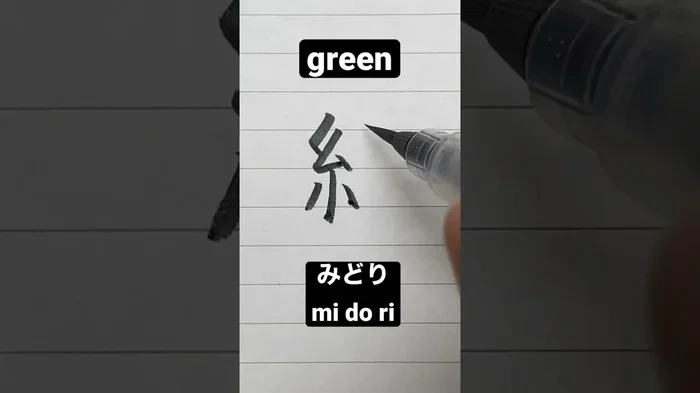

Learning how to say green in Japanese is simpler than you think. The main word is midori, but Japanese also uses ao for green in everyday speech. You will learn the kanji, hiragana, and how native speakers actually use these words in real life.
Have you ever wondered how to say green in Japanese? Maybe you are planning a trip to Japan, studying the language, or just curious about how other cultures describe colors. Either way, you are in the right place. This guide covers everything you need to know about the Japanese word for green. We will look at the main terms, how they are written, and how native speakers use them every day.
The Japanese language handles colors in a way that often surprises English speakers. Green and blue sometimes share the same word. This might sound confusing at first, but once you understand the logic, it all makes sense. Let us dive into the world of Japanese green and make it easy to remember.
Key Takeaways
- Midori is the standard word for green in Japanese: This is the most common and widely recognized term for the color green.
- Ao also means green in many contexts: Japanese speakers often use ao to describe green things like vegetables and traffic lights.
- Kanji and hiragana matter: Understanding the written forms helps you read signs, menus, and messages in Japanese.
- Green has cultural significance in Japan: The color green carries unique meanings in Japanese art, nature, and daily life.
- Pronunciation is straightforward: Both midori and ao are easy for English speakers to learn and say.
📑 Table of Contents
- The Main Word for Green: Midori
- The Surprising Word Ao
- How Green Is Written in Japanese
- Green in Japanese Culture
- Common Green Phrases and Expressions
- Quick Tips for Remembering Green in Japanese
- Common Mistakes to Avoid
- Expert Insight: How Native Speakers Think About Green
- Green in the Digital Age
- Key Takeaways
- Conclusion
The Main Word for Green: Midori
The most common word for green in Japanese is midori. This is the word you will find in textbooks, dictionaries, and language apps. When you want to describe something green, midori is your go-to choice. It works for green leaves, green cars, green shirts, and just about anything else you can think of.
Midori comes from the Japanese kanji character . This character combines elements that relate to growth and plants, which makes perfect sense since green is the color of nature. When you see this kanji, you know it refers to the color green.
How to Pronounce Midori
Pronouncing midori is not hard at all. It breaks down into two parts: mi-do-ri. Say it like mee-doh-ree. The stress is even across all three syllables. Here is a simple breakdown:
- Mi – like the English word “me”
- Do – like the English word “do”
- Ri – like “ree” with a soft r
Try saying it a few times: midori, midori, midori. Once it feels natural, you are ready to use it in real conversations.
Using Midori in Sentences
Here are some easy examples of how to use midori in everyday Japanese:
- Midori no kaa ga suki desu. – I like green cars.
- Kono wa midori desu. – This is green.
- Midori na shima ga suki desu. – I like green islands.
Notice how midori changes form slightly depending on the sentence. This is normal in Japanese. The base form, midori, works in most situations, especially when you are just starting out.
The Surprising Word Ao
Here is where things get interesting. In Japanese, the word ao can mean both blue and green. This might sound strange if you are an English speaker, but it makes perfect sense in Japanese culture and language.
Ao is written in hiragana as . You might also see it in kanji as in some older contexts. The pronunciation is simple: ah-oh. Two short syllables. Easy to remember.
When Does Ao Mean Green?
Ao means green in many everyday situations. Here are some common examples:
- Ao-murasaki – This phrase means purple, but ao is part of it, showing how blue and green overlap in Japanese.
- Ao-negi – Green onions. Not blue onions, but green ones.
- Ao-denpa – Green waves or signals, like a traffic light.
- Ao-kusuri – Green medicine or green-colored pills.
So when a Japanese person says ao, they might mean blue or green depending on the context. This is one of the most fascinating parts of learning Japanese colors. Over time, you will start to sense which meaning applies just from the sentence.
Interestingly, in modern Japanese texting and online communication, people often use abbreviations similar to how English speakers use terms like wtw meaning in text to keep messages short. The same kind of shorthand applies when Japanese speakers type about colors digitally.
How Green Is Written in Japanese
Understanding how to write green in Japanese helps you read signs, menus, and messages. There are three main writing systems in Japanese: kanji, hiragana, and katakana. Green can appear in all three.
| Writing System | Form | Usage |
|---|---|---|
| Kanji | Formal writing, signs, textbooks | |
| Hiragana | みどり | General writing, children’s books |
| Katakana | ミドリ | Foreign words, emphasis, signage |
For most learners, hiragana is the most practical form to start with. It is phonetic, which means you can read it once you learn the basic sounds. Kanji takes more study, but it adds depth and authenticity to your reading skills.
Kanji Breakdown
The kanji for midori is made up of parts that tell a story. The left side relates to grass and plants. The right side adds a sense of color or appearance. Together, they paint a picture of green growth. This visual connection makes the kanji much easier to remember than random symbols.
Green in Japanese Culture
Green holds a special place in Japanese culture. It is not just a color. It represents nature, life, and renewal. Let us explore some of the ways green shows up in Japanese traditions and daily life.
Green in Nature and Seasons
Japan is famous for its lush green landscapes. The country has four distinct seasons, and green plays a big role in each one. In spring, new leaves emerge in bright shades of green. In summer, the green of rice paddies stretches across the countryside. Autumn brings changes, but green still lingers. Even in winter, evergreen trees stay green and symbolize resilience.
The Japanese concept of shun refers to the peak season of ingredients. Many green vegetables like spinach, snap peas, and Japanese basil are celebrated during their shun. The color green on a plate signals freshness and health.
Green in Art and Design
Japanese art has long embraced green tones. From ukiyo-e woodblock prints to modern graphic design, green appears as a calming and balanced color. Traditional kimonos sometimes feature green dyes made from plants. These natural green pigments connect the wearer to the earth and the changing seasons.
In architecture and interior design, green is used to create peaceful spaces. Zen gardens often include green moss and carefully placed plants. The goal is to bring nature indoors and create a sense of harmony.
Green in Everyday Japanese Life
You will see green everywhere in Japan. Traffic lights use blue-green LEDs that locals call ao. The famous JR trains are painted in shades of green. Even the uniforms for many train conductors feature a deep green color. Green is woven into the fabric of Japanese daily life in ways that are both practical and beautiful.
In Japanese texting culture, people sometimes use shorthand similar to how English speakers use abbreviations like ts meaning in text to save time. When texting about colors, the same efficiency applies, and ao often gets shortened in casual digital conversations.
Common Green Phrases and Expressions
Learning phrases is one of the best ways to remember new vocabulary. Here are some useful expressions that include green in Japanese:
- Midori no kaze – A green wind, often used in poetry and songs
- Ao-sora – Blue sky (remember, ao covers both blue and green)
- Midori no shima – Green island
- Kusa no iro – The color of grass, another way to say green
- Midori no seikatsu – Green living or eco-friendly lifestyle
These phrases help you sound more natural when speaking Japanese. They also give you context clues about when to use midori versus ao in different situations.
Quick Tips for Remembering Green in Japanese
Here are some practical tips to help you remember the Japanese words for green:
- Connect midori to nature: Think of a lush green forest. The word midori comes from the same root as growth and plants.
- Remember ao covers blue-green: When in doubt, ao can mean either color. Context is your best guide.
- Practice writing the hiragana: Writing みどり a few times each day helps lock it into memory.
- Use flashcards: Write the English word on one side and the Japanese on the other. Quiz yourself daily.
- Watch Japanese media: Anime, dramas, and YouTube videos expose you to real-world usage of color words.
Common Mistakes to Avoid
Here are some pitfalls that learners often fall into when studying Japanese green:
- Assuming ao only means blue: This is the biggest mistake. Remember that ao covers both blue and green in many contexts.
- Ignoring kanji: While hiragana is easier, learning the kanji helps you read signs and menus with confidence.
- Overthinking the difference between midori and ao: In casual conversation, both can refer to green. Do not stress too much about choosing the perfect word.
- Skipping pronunciation practice: Even simple words benefit from regular speaking practice. Say midori out loud every day.
Avoiding these mistakes will save you time and frustration. Progress comes from steady practice and a willingness to make errors along the way.
Expert Insight: How Native Speakers Think About Green
Linguists who study Japanese color terms often point out that the Japanese color spectrum is broader than the English one. What English speakers call blue, Japanese speakers might call ao. What English speakers call green, they might call ao or midori depending on the shade and context.
This does not mean Japanese people cannot distinguish between blue and green. They absolutely can. But their language groups these colors differently. Understanding this helps you think in Japanese rather than translating directly from English.
When you start to see the world through the lens of ao and midori, your Japanese becomes more natural and intuitive. You stop translating and start thinking in the language. That is the real goal of language learning.
Green in the Digital Age
Today, Japanese people use green words in digital communication just like everyone else. Emojis featuring green objects are popular in text messages and social media. The green emoji for a car, a plant, or a money symbol all use the concept of midori or ao depending on the context.
Learning how colors work in digital Japanese is a fun and practical way to stay connected with the language. It also helps you understand internet culture in Japan, which is vibrant and fast-moving.
Key Takeaways
- Midori is the primary word for green in Japanese: Use it for most situations involving the color green.
- Ao covers both blue and green: This dual meaning is a core feature of Japanese color language.
- Write green in hiragana as みどり and kanji as : Both forms are widely used and understood.
- Green carries deep cultural meaning in Japan: It represents nature, renewal, and harmony in daily life.
- Practice with real phrases and sentences: Using green words in context builds fluency faster than memorizing alone.
- Avoid the ao-only-means-blue mistake: Always consider the full range of meaning when you hear or read ao.
Conclusion
Learning how to say green in Japanese opens up a new way of seeing the world. The words midori and ao each carry rich meaning and cultural weight. Midori is your safe, standard choice for green in most situations. Ao adds depth and flexibility, especially when talking about blue-green shades or everyday objects like green onions and traffic signals.
With practice, you will start to feel the difference between these words naturally. You will know when to use midori and when ao fits better. This is the mark of real progress in any language. Keep practicing, keep reading, and keep exploring the beautiful world of Japanese colors.
The journey of learning a new language is full of surprises. Green in Japanese is just one small piece of a much bigger puzzle. But it is a piece that brings you closer to understanding how Japanese speakers perceive and describe the world around them. So go ahead, say midori out loud, and let the color green come alive in your Japanese studies.
Frequently Asked Questions
What is the Japanese word for green?
The most common word for green in Japanese is midori. You will also encounter ao, which can mean both blue and green depending on the context. Both words are essential for anyone learning Japanese colors.
How do you write green in Japanese kanji?
The kanji for green is . It combines elements related to plants and growth. You will also see it written in hiragana as みどり or in katakana as ミドリ. Each form has its own use depending on the situation.
Does ao really mean both blue and green?
Yes, ao can refer to both blue and green in Japanese. This is a fundamental difference from English color terms. In most everyday contexts, ao covers the blue-green spectrum. The exact meaning depends on what is being described and the surrounding words.
Is midori or ao used more often in daily conversation?
Ao is actually used more frequently in casual daily conversation, especially for green objects like vegetables and traffic lights. Midori is more formal and precise. Both are correct, and knowing when to use each is part of mastering Japanese color vocabulary.
Can I use midori to describe green in any situation?
Midori works for most situations where you want to say green. It is the standard, textbook word for the color. However, in some traditional or poetic contexts, you might encounter other terms. For everyday use, midori is your best and most versatile choice.
How can I practice saying green in Japanese?
Try saying midori and ao out loud several times a day. Use them in simple sentences like “Kono wa midori desu” or “Kusa wa ao desu.” Watching Japanese videos and repeating color words is also a fun and effective way to build confidence and improve your pronunciation.



