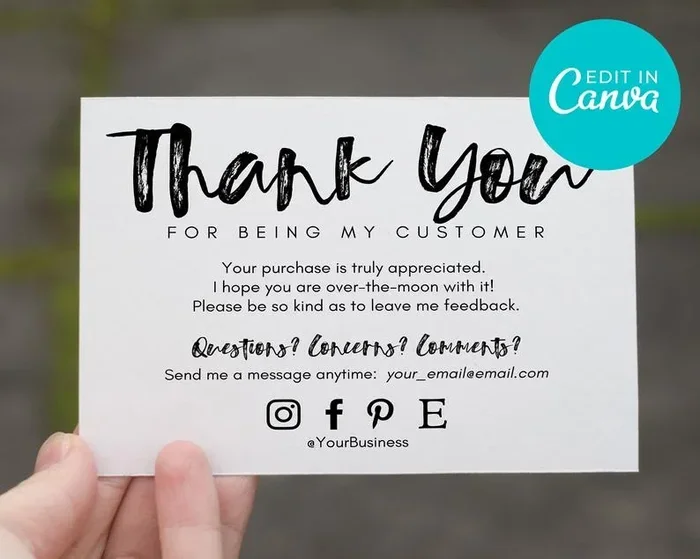

Saying thank you for feedback is a simple but powerful way to build trust, strengthen relationships, and show people their opinion matters. Whether it is a customer review, a team suggestion, or a friend’s honest thought, a genuine thank-you goes a long way. In this guide, you will learn easy templates, real examples, and proven tips to craft meaningful responses every time.
Have you ever sent a suggestion or left a review and never heard back? It feels awful, right? That is exactly why learning how to say thank you for your feedback is so important. When someone takes time to share their thoughts, they deserve a real reply. Not a robotic one-liner, but a message that makes them feel heard and valued.
Whether you run a business, manage a team, or just want to be a better friend, knowing how to respond to feedback with grace can change everything. A simple thank you for feedback message builds loyalty, deepens trust, and opens the door for more honest conversations. In this article, you will find everything you need to write replies that truly show you care.
Key Takeaways
- Always respond promptly: A quick thank-you shows respect and keeps the conversation going.
- Be specific and personal: Mention what the person said to prove you actually read their feedback.
- Use the right tone: Match your message to the situation, whether it is formal or casual.
- Show action, not just words: Let the person know how their feedback will make a difference.
- Avoid generic replies: Copy-paste messages feel hollow. Take the time to write something real.
- Follow up when needed: A second message shows you are still thinking about their input.
📑 Table of Contents
- Why Thanking People for Feedback Matters
- How to Write a Thank You for Feedback Message
- Thank You for Feedback Examples You Can Use
- Best Ways to Show You Care After Receiving Feedback
- Common Mistakes to Avoid When Thanking Someone for Feedback
- Quick Tips for Crafting the Perfect Thank-You Reply
- Conclusion
Why Thanking People for Feedback Matters
Feedback is a gift. People do not have to tell you what they think. They do it because they want to help you grow. When you acknowledge feedback with a sincere thank you message, you tell them their voice counts. This small act has a big impact.
Here is why it matters so much:
- It builds trust: When people see you respond to their input, they feel safe sharing more.
- It boosts customer satisfaction: A quick gratitude message can turn a one-time reviewer into a loyal fan.
- It encourages more feedback: People are more likely to speak up when they know you listen.
- It strengthens relationships: Whether with clients, teammates, or friends, appreciation creates connection.
Think about it this way. Imagine you left a positive feedback for a local shop. The owner replies with a warm, personal note. How would that make you feel? You would probably visit again and tell your friends. That is the power of a well-crafted feedback reply.
The Psychology Behind Gratitude and Feedback
When someone gives you feedback, they are taking a risk. They might worry about being ignored or judged. A thoughtful thank you for feedback reply removes that fear. It signals that you respect their effort and time.
Studies show that people who feel appreciated are more likely to engage again. This applies to client feedback, employee suggestions, and even personal relationships. Gratitude creates a positive cycle. The more you show it, the more you receive it.
How to Write a Thank You for Feedback Message
Writing a great reply does not need to be complicated. You just need a few key ingredients. Let us break it down step by step so you can create messages that feel warm, real, and professional.
Step 1: Start With a Genuine Greeting
Begin your message with a personal greeting. Use the person’s name if you can. This instantly makes the message feel less generic. A simple “Hi Sarah” or “Dear Team” sets the right tone right away.
Avoid starting with “Thank you for your business.” That phrase has been used a million times. It feels empty. Instead, try something like “Thanks so much for taking the time to share your thoughts.”
Step 2: Reference What They Said
This is the most important part. Show the person you actually read their feedback response. Mention something specific from their message. For example, “I loved your idea about adding more vegan options to the menu.”
When you reference their exact words, it proves you care enough to pay attention. This is what separates a good reply from a forgettable one.
Step 3: Express Real Appreciation
Do not just say “thanks.” Go deeper. Let the person know why their input matters to you. Use words like “I truly appreciate,” “your insight really helped,” or “this means a lot.”
A strong appreciation email or message does more than close a conversation. It opens a relationship. People remember when they feel genuinely valued.
Step 4: Share What You Will Do
Nothing builds more confidence than showing action. After someone gives you feedback, tell them what you plan to do with it. For example, “We are already working on improving our delivery times based on your suggestion.”
This step turns a simple thank you for your feedback into a promise. It shows you are not just listening, you are acting.
Step 5: Close With Warmth
End your message on a positive note. A simple “We really value your support” or “It is great having you in our community” leaves a lasting impression. Keep it short and sincere.
Thank You for Feedback Examples You Can Use
Sometimes the hardest part is just getting started. That is why having ready-to-use templates can be a game-changer. Below are several examples you can adapt for different situations.
For Customer Reviews
When a customer leaves a review, your reply should feel personal and warm. Here is a simple template:
“Hi [Name], thank you so much for taking the time to share your experience. We are thrilled to hear you loved [specific detail]. Your positive feedback means the world to our team. We cannot wait to welcome you back soon!”
For Team or Employee Suggestions
When a team member shares an idea, acknowledge their effort and show how it fits into the bigger picture:
“Hi [Name], I really appreciate you bringing this up. Your suggestion about [specific topic] is spot on, and we are already looking into how we can put it into action. Your voice truly shapes how we grow as a team.”
For Friends or Personal Feedback
Even in personal relationships, a thoughtful reply strengthens bonds. Keep it casual but genuine:
“Hey [Name], I really appreciate you being honest with me. Your thoughts on [topic] really made me think, and I am grateful you shared them. That means a lot!”
For Formal Business Feedback
In professional settings, keep the tone polished but still warm:
“Dear [Name], thank you for your detailed and thoughtful input regarding [subject]. We take all client feedback seriously and are actively working on the improvements you suggested. We truly value your partnership.”
Notice how each example follows the same basic structure: greeting, specific reference, genuine appreciation, action or follow-up, and a warm close. Once you know this pattern, you can write thank you for feedback replies for any situation.
Adding a Personal Touch With Fun Details
Sometimes a little creativity goes a long way. If the feedback came during a fun event or gathering, you can add a playful touch. For instance, if someone gave feedback at a party, you might say something like, “Just like funny table names for parties add a special vibe to any event, your thoughtful comments added real value to our conversation.” This kind of lighthearted reference can make your reply feel more personal and memorable.
Another way to add personality is by connecting your gratitude to something the person loves. If they mentioned a hobby or interest in their feedback, you could tie in a fun reference, like “Just as people love to customize funny names for water bottles, your unique perspective helped us see things in a fresh way.” These small touches show you were paying attention and that you value them as a whole person, not just a feedback source.
For team settings, you can also use collaborative language that highlights the group dynamic. Something like “Just like the best funny duo names for friends or team capture the spirit of working together, your combined ideas really captured the heart of what we are trying to build.” This kind of connection makes team members feel like they are part of something bigger.
Best Ways to Show You Care After Receiving Feedback
Thanking someone is just the beginning. If you really want to show you care, go beyond a simple reply. Here are some powerful ways to make your appreciation stand out.
Follow Up After Making Changes
Once you act on the feedback, let the person know. A follow-up message like “You suggested we improve our response time, and we just launched a new system. Thank you for inspiring the change!” shows that their input had a real impact.
This is one of the most effective ways to turn a one-time reviewer into a long-term advocate. People love knowing they helped make something better.
Send a Handwritten Note
In a digital world, a handwritten note feels incredibly special. Take five minutes to write a short, sincere note and mail it. It costs almost nothing but leaves a lasting impression.
This works especially well for client feedback or feedback from key partners. It shows effort, which automatically signals care.
Give Them Early Access or a Small Gift
If you have a business, consider offering early access to new features, products, or services as a thank-you. Even a small discount code can go a long way in showing appreciation.
Again, if you are planning an event or gathering where feedback was collected, you could bring in custom items with funny names for water bottles or themed gifts that reflect the personal touch you appreciated in their input. It is a tangible way to say “your voice matters.”
Share Their Feedback Publicly
With permission, share positive feedback on your social media or website. Tag the person and celebrate their contribution. This not only makes them feel great but also shows others that you value real input.
Create a Feedback Spotlight
Some businesses create a “Feedback Spotlight” section where they highlight a customer or team member’s suggestion each month. This is a powerful way to say thank you publicly while encouraging others to share their thoughts too.
Common Mistakes to Avoid When Thanking Someone for Feedback
Knowing what not to do is just as important as knowing what to do. Here are the most common mistakes people make when responding to feedback.
Using Generic Copy-Paste Replies
Nothing feels worse than getting a reply that could have been sent to anyone. “Thank you for your valuable feedback” is fine once, but not every time. Always personalize your message.
Forgetting to Respond at All
This is probably the worst mistake. If someone takes the time to give you feedback and you do not reply, they will feel ignored. Even a short “Thank you, we appreciate this” is better than silence.
Being Defensive
Even if the feedback is negative, resist the urge to defend yourself. Start by thanking them, then address their concerns calmly. A defensive response can damage relationships fast.
Overpromising
Do not say “We will fix this tomorrow” if you cannot. Be honest about timelines. People respect honesty more than empty promises.
Making It All About You
Your reply should focus on the person who gave feedback, not on how great you are. Keep the spotlight on them and their contribution.
Ignoring the Tone
Match your tone to the situation. A formal business email needs a different approach than a reply to a friend. Pay attention to how the person communicated and reflect that energy back.
Quick Tips for Crafting the Perfect Thank-You Reply
Want to level up your feedback responses? Here are some quick, actionable tips you can use right away.
- Respond within 24 hours: Speed matters. A quick reply shows you prioritize the person’s input.
- Keep it concise: You do not need a novel. A few thoughtful sentences are enough.
- Use the person’s name: It makes the message feel personal and warm.
- Proofread before sending: A typo-heavy reply undermines your message of care.
- Add a call to action: Invite them to share more. “We would love to hear more of your ideas” keeps the conversation going.
- Be consistent: Make responding to feedback a habit, not a one-time effort.
Remember, every feedback response is a chance to strengthen a relationship. Whether it is a quick email or a detailed message, your effort will not go unnoticed.
Conclusion
Learning how to say thank you for your feedback is one of the simplest yet most impactful skills you can develop. A genuine thank you for your feedback reply builds trust, deepens relationships, and encourages more open communication. It does not need to be long or fancy. It just needs to be real.
Use the examples and tips in this guide to craft replies that truly show you care. Whether you are responding to a customer, a teammate, or a friend, your words have power. Make them count. Start today, and watch how your relationships grow stronger with every thoughtful reply.
People remember how you made them feel. So make them feel appreciated. That is the real secret to a great thank you for feedback message.
Frequently Asked Questions
How soon should I respond to feedback?
The faster, the better. Try to reply within 24 hours. A quick thank you for your feedback message shows respect and keeps the conversation going. Even a short reply is better than no reply at all.
What if I do not know what to say?
Start simple. Say “Thank you for sharing this. I really appreciate your honesty.” Then mention one specific thing they said. This shows you listened and care about their input.
Should I thank people for negative feedback too?
Absolutely. Negative feedback is just as valuable as positive feedback. A calm, appreciative reply to criticism shows maturity and builds trust. Thank them for their courage to speak up.
Can I use the same thank-you message for multiple people?
You can use a template, but always personalize it. Mention something specific from each person’s feedback. Generic messages feel rushed and do not make people feel truly valued.
Is a handwritten note worth the effort?
Yes, definitely. In a world full of digital messages, a handwritten note stands out. It shows extra effort and sincerity. People remember and treasure handwritten notes long after they receive them.
How do I thank a team for collective feedback?
Acknowledge the group effort and highlight a few specific ideas the team shared. You can also create a “Feedback Spotlight” to celebrate their contributions publicly. This builds team morale and encourages more input in the future.



