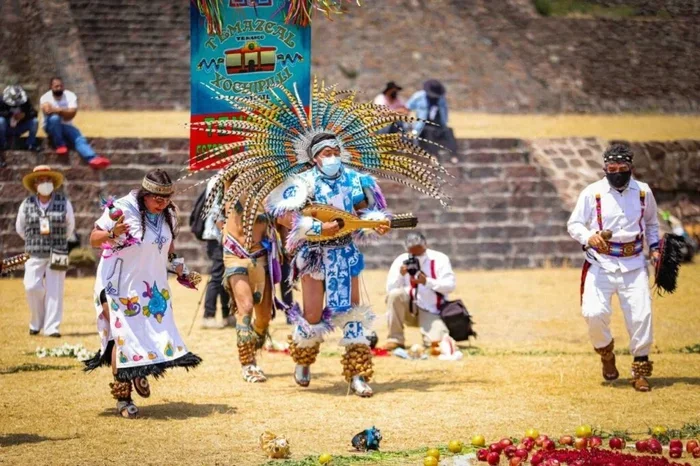

Learning how to say hello in Nahuatl opens a door to one of the most fascinating indigenous languages in the Americas. Nahuatl was the language of the Aztec Empire and is still spoken by over 1.5 million people today. This guide covers basic greetings, pronunciation tips, cultural context, and fun facts to help you start speaking Nahuatl confidently.
Have you ever wondered how people greeted each other in the Aztec Empire? The answer lies in Nahuatl, a language that has survived for centuries. If you have been searching for how to say hello in Nahuatl, you are in the right place.
Nahuatl is not just a historical language. It is a living, breathing language spoken by millions of people across Mexico today. Learning even a few basic phrases can open your eyes to a rich cultural heritage. Plus, it is a lot of fun to surprise your friends with a greeting in an ancient language.
In this guide, we will walk you through everything you need to know about Nahuatl greetings. We will cover the most common ways to say hello, how to pronounce them correctly, and why these phrases matter in modern times. Whether you are a language learner, a history buff, or just curious, this article has you covered.
Key Takeaways
- Basic Nahuatl greeting: “Niltze” is the most common way to say hello in Nahuatl.
- Pronunciation matters: Nahuatl uses unique sounds like glottal stops and long vowels that change meaning.
- Formal vs. informal: Different greetings exist depending on who you are speaking to and the setting.
- Cultural respect: Understanding the context behind Nahuatl phrases shows respect for indigenous heritage.
- Modern relevance: Nahuatl is still alive today, with communities actively preserving and teaching the language.
- Easy to start: Even a few Nahuatl phrases can deepen your connection to Mesoamerican culture and history.
📑 Table of Contents
- What Is Nahuatl and Why Does It Matter?
- How to Say Hello in Nahuatl: The Essential Greetings
- Pronunciation Guide for Nahuatl Greetings
- Cultural Context Behind Nahuatl Greetings
- Language Evolution: From Ancient Nahuatl to Modern Text Slang
- Tips for Practicing Nahuatl Greetings Daily
- Common Mistakes to Avoid When Learning Nahuatl Greetings
- Key Takeaways
What Is Nahuatl and Why Does It Matter?
Nahuatl belongs to the Uto-Aztecan language family. It was the dominant language of the Aztec Empire, which ruled large parts of Mesoamerica from the 14th to the 16th century. Today, it is classified as an indigenous language of Mexico and Central America.
The language has a long and complex history. Spanish colonizers arrived in the 1500s, and the language faced suppression for centuries. However, Nahuatl revitalization efforts in recent decades have helped bring it back. Many communities now teach the language in schools and cultural centers.
The Richness of the Nahuatl Language
What makes Nahuatl special is its poetic structure. The language is built around descriptive phrases. For example, the word for “human being” in Nahuatl is “humano,” which comes from the Nahuatl root. The language is deeply tied to nature, community, and identity.
When you learn how to say hello in Nahuatl, you are not just learning a word. You are connecting with a worldview. The way people greet each other in Nahuatl reflects values of respect, community, and harmony with the world around them.
How to Say Hello in Nahuatl: The Essential Greetings
Now let us get to the heart of the matter. Here are the most common and useful Nahuatl greetings you can start using right away.
Niltze — The Most Common Hello
Niltze (pronounced neel-tseh) is the standard way to say hello in Nahuatl. It is used in both formal and informal settings. You can use it with friends, family, elders, and strangers.
This greeting shows respect and warmth. It is the equivalent of saying “hello” or “good day” in English. If you only learn one Nahuatl greeting, make it this one.
Pialli — A Friendly and Warm Greeting
Pialli (pronounced pee-ah-lee) is another common way to say hello. It carries a warm, friendly tone. Use this when greeting close friends or people your age.
You might also hear variations like Piallitzin, which adds a formal or respectful tone. The suffix “-tzin” is a honorific in Nahuatl, similar to adding “sir” or “ma’am” in English.
Yōllōtlahuili — A Deeper, Heartfelt Greeting
Yōllōtlahuili is a more poetic greeting. It translates roughly to “I greet your heart.” This phrase is used in more ceremonial or respectful contexts.
While it might sound complex, breaking it down helps. “Yōllōtl” means heart, and “tlahuili” means greeting or offering. This greeting shows deep respect and is beautiful to say.
Other Common Nahuatl Greetings
Here are a few more phrases you can add to your vocabulary:
- Nimitzitta — “I see you” (a traditional greeting that acknowledges the other person’s presence)
- Ma huīlli — “Welcome” or “Please come in”
- Tlazocamati — “Thank you” (often used alongside greetings)
- Mochi — “Everything is good” (used as a general greeting)
Pronunciation Guide for Nahuatl Greetings
Pronouncing Nahuatl correctly is easier than you might think. The language follows consistent phonetic rules, which makes it beginner-friendly. Here is a quick breakdown of the key sounds.
Vowel Sounds
Nahuatl has five vowel sounds, just like Spanish. Each vowel is pronounced clearly and consistently:
- A — pronounced like “ah” in “father”
- E — pronounced like “eh” in “let”
- I — pronounced like “ee” in “see”
- O — pronounced like “oh” in “go”
- U — pronounced like “oo” in “food”
Long vowels are marked with a macron (a line over the letter). For example, “ō” sounds like a longer “oh.” Getting these right changes the meaning of words, so pay attention.
Consonant Sounds
Most consonants in Nahuatl sound similar to Spanish or English. A few unique sounds to watch for:
- Tl — a combination sound, like saying “tl” in “atlass” (the “l” is syllabic)
- Tz — similar to “ts” in “cats”
- Hu — sounds like “w” in “water”
- X — pronounced like “sh” in “shoe”
- Qu — pronounced like “k” in “kite”
The glottal stop is another important feature. It is a brief pause in the throat, similar to the sound between “uh-oh.” In Nahuatl writing, it sometimes appears as an apostrophe or is implied by the spelling.
Quick Tips for Better Pronunciation
Here are some fast tips to improve your Nahuatl pronunciation:
- Practice each syllable slowly before speeding up.
- Listen to native speakers online or through language apps.
- Record yourself and compare with audio clips.
- Do not rush — clarity matters more than speed.
- Focus on vowel length, as it changes word meanings.
Cultural Context Behind Nahuatl Greetings
Understanding the cultural context of Nahuatl greetings makes learning them more meaningful. These phrases are not just words — they carry centuries of tradition and values.
Respect for Elders and Community
In traditional Nahuatl culture, greeting an elder requires more formal language. Using the honorific “-tzin” suffix shows respect. For example, adding “-tzin” to a greeting signals that you acknowledge the person’s status and wisdom.
This practice reflects a deep value placed on community and hierarchy. When you greet someone in Nahuatl, you are participating in a tradition of mutual respect that has existed for generations.
Connection to Nature and Spirituality
Many Nahuatl phrases reference nature, the cosmos, and spiritual beliefs. The language was central to Aztec cosmology. Greetings often carried a sense of connection to the natural world and the divine.
When you say “Niltze” or “Yōllōtlahuili,” you are engaging with a worldview that sees humans as part of a larger, interconnected system. This is one reason why learning Nahuatl feels so powerful and meaningful.
The Living Language Today
It is important to know that Nahuatl is not a dead language. It is spoken in rural and urban communities across Mexico. Organizations and educators are working hard to keep it alive through schools, media, and digital platforms.
When you learn how to say hello in Nahuatl, you are supporting this ongoing effort. Language preservation is about more than words — it is about keeping cultural identity strong.
Language Evolution: From Ancient Nahuatl to Modern Text Slang
Language is always changing. Ancient languages like Nahuatl developed their own shorthand and informal ways of communicating. In a similar way, modern digital communication has created its own shortcuts. Think about how people text today — they use abbreviations like “wtw” to save time and keep conversations fast.
Just as people look up what Wtw means in text to decode modern shorthand, ancient Nahuatl speakers used shortened forms in poetry and everyday speech. Language evolution is a constant process that connects past and present.
Similarly, text abbreviations like what Ts means in text show how communication adapts to new platforms. These modern shortcuts mirror the kind of linguistic creativity that has always existed in human language. Whether it is an ancient Mesoamerican greeting or a modern text message, the impulse to communicate efficiently never changes.
This connection between ancient and modern language use is fascinating. It shows that the way we speak and write is always shaped by our tools, our culture, and our needs. When you explore Nahuatl greetings, you are stepping into a tradition of linguistic creativity that spans thousands of years.
Tips for Practicing Nahuatl Greetings Daily
Consistency is key when learning any language. Here are practical ways to build your Nahuatl vocabulary into your daily routine.
Start with One Greeting a Day
Pick one new greeting each day and use it out loud. Saying “Niltze” to yourself in the mirror might feel silly at first, but it builds muscle memory. Repetition is one of the most effective ways to retain new words.
Use Flashcards and Apps
Digital tools can make learning easier. Create flashcards with the Nahuatl greeting on one side and the English meaning on the other. Apps like Anki or Quizlet work well for this. You can also find Nahuatl language resources online that include audio clips.
Practice with a Partner
Find a friend or language partner who is also interested in Nahuatl. Practice greeting each other in the language. Even a few minutes a day of conversational practice can accelerate your progress significantly.
Immerse Yourself in Nahuatl Media
Listen to Nahuatl music, watch videos, or follow social media accounts that share Nahuatl content. Immersion helps you pick up natural rhythms and pronunciation. It also keeps you motivated and connected to the living culture behind the language.
Write Greetings in a Journal
Keep a small notebook or digital journal where you write down new Nahuatl phrases. Writing by hand strengthens memory. Review your journal regularly and try to use the phrases in real conversations.
Common Mistakes to Avoid When Learning Nahuatl Greetings
Every language learner makes mistakes. Here are some common ones to watch out for when you are starting with Nahuatl.
- Ignoring vowel length: Long and short vowels change meanings in Nahuatl. For example, “ā” and “a” are different words.
- Skipping pronunciation practice: Nahuatl has unique sounds like “tl” and “tz” that do not exist in English. Practice them early.
- Using informal greetings in formal settings: Always match the level of formality to the situation. Use “-tzin” when speaking to elders or strangers.
- Overlooking cultural context: Nahuatl greetings carry cultural meaning. Understanding this context helps you use them appropriately.
- Trying to learn too fast: Start with a few greetings and build gradually. Mastery takes time, and that is perfectly fine.
Key Takeaways
- Start with Niltze: This is the most universal and widely used way to say hello in Nahuatl.
- Respect the pronunciation: Pay attention to vowel length and unique consonant sounds like “tl” and “tz.”
- Use formal greetings when appropriate: The “-tzin” suffix shows respect in social and ceremonial contexts.
- Connect with the culture: Nahuatl greetings reflect deep values of community, nature, and respect.
- Practice daily: Consistent, small efforts lead to the best results in language learning.
- Avoid common pitfalls: Watch out for vowel length, pronunciation, and formality mismatches.
- Keep exploring: There is always more to learn about Nahuatl, and every new phrase brings you closer to fluency.
Frequently Asked Questions
What does “Niltze” mean in Nahuatl?
“Niltze” is the most common way to say hello in Nahuatl. It is a warm and respectful greeting used in both casual and formal settings. The word acknowledges the presence of the other person and expresses goodwill.
Is Nahuatl still spoken today?
Yes, Nahuatl is still spoken by over 1.5 million people, primarily in Mexico. It is an indigenous language that continues to thrive in communities across the country. Efforts to preserve and teach the language are ongoing and growing.
How do you pronounce the “tl” sound in Nahuatl?
The “tl” sound in Nahuatl is a unique consonant cluster where the “l” acts as a syllable. It sounds like saying “tl” in the middle of a word, with the tongue touching the roof of your mouth. Practice slowly at first, then build up speed as you get comfortable.
Can I learn Nahuatl on my own?
Absolutely. There are many online resources, apps, and community groups dedicated to teaching Nahuatl. While having a native speaker to practice with is ideal, self-study is a great starting point. Consistency and daily practice are the most important factors.
Why are Nahuatl greetings so important culturally?
Nahuatl greetings reflect the values of respect, community, and connection that are central to Mesoamerican cultures. They are not just words — they carry centuries of tradition and meaning. Using them properly shows respect for the people and heritage behind the language.
What is the easiest Nahuatl greeting for beginners?
“Niltze” is the easiest and most widely used greeting for beginners. It is simple to pronounce, appropriate in almost any setting, and understood by most Nahuatl speakers. Start here, and then expand your vocabulary from there.
=== CONCLUSION ===
Learning how to say hello in Nahuatl is a rewarding journey that connects you to one of the most important languages in the Americas. From the simple warmth of “Niltze” to the heartfelt depth of “Yōllōtlahuili,” each greeting carries meaning and history. These phrases are more than words — they are a bridge to a vibrant culture that has endured for centuries.
Whether you are studying for fun, for school, or to support language preservation, every greeting you learn makes a difference. Start with the basics, practice regularly, and embrace the cultural richness that comes with speaking Nahuatl. The ancient language is alive, and it is waiting for you to say hello.



