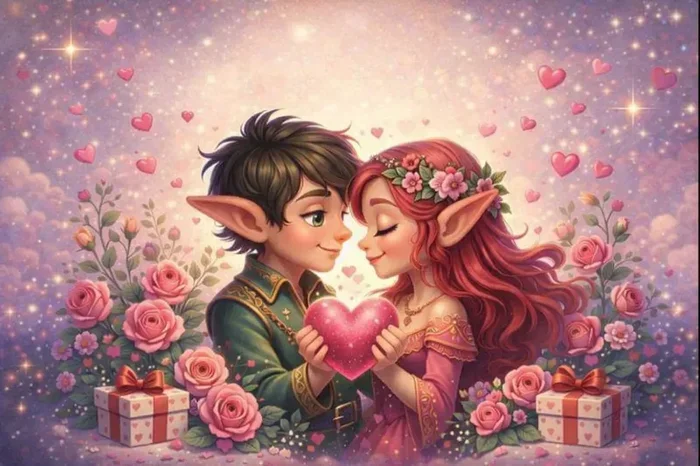

Learning how to say i love you in elvish is a magical way to express deep affection through the enchanting languages created by J.R.R. Tolkien. Whether you choose the melodic Sindarin or the ancient Quenya, these elven love phrases carry a unique linguistic charm that will truly melt someone’s heart. This guide covers translations, pronunciation tips, and creative ways to use romantic Elvish words in everyday life.
There is something undeniably captivating about the Elvish languages. Created by the legendary J.R.R. Tolkien, these fantasy languages have enchanted millions of fans worldwide. Among the most romantic things you can say in Elvish is a simple declaration of love. If you have ever wondered how to say i love you in elvish, you are in the right place. This guide will walk you through everything you need to know, from translations to pronunciation to creative ways to use these elven words in real life.
The beauty of Elvish lies not just in its sounds but in its depth. Tolkien spent decades building these languages, drawing inspiration from Finnish and Welsh. The result is a linguistic masterpiece that feels both ancient and alive. When you speak Elvish to someone you care about, you are tapping into a world of linguistic expression that goes far beyond ordinary words. Let us dive in and explore the most heartfelt ways to say “I love you” in these magical tongues.
Key Takeaways
- Two main Elvish languages: Sindarin and Quenya both offer beautiful ways to express love
- Sindarin is more commonly used: Most fans and speakers prefer this “everyday” Elvish tongue
- Quenya carries ancient elegance: It sounds more formal and mystical, perfect for deep romantic moments
- Pronunciation matters: Getting the sounds right adds authenticity to your romantic gestures
- More than just “I love you”: Elvish offers a rich vocabulary of romantic and heartfelt expressions
- Context enhances impact: Using Elvish phrases in the right moment makes them even more meaningful
📑 Table of Contents
Understanding the Elvish Languages
Before you learn how to say i love you in elvish, it helps to understand the two main languages Tolkien created. Each has its own character, history, and feel. Knowing the difference will help you pick the one that suits your romantic moment best.
Sindarin: The Common Elvish Tongue
Sindarin is the most widely spoken Elvish language in Tolkien’s world. It is the language of the Grey Elves and became the lingua franca of Middle-earth. When fans think of Elvish, they usually picture Sindarin. It has a soft, flowing sound that rolls off the tongue beautifully. Many of the Elvish phrases you see in the Lord of the Rings movies are in Sindarin.
For romance, Sindarin offers warm and intimate expressions. It feels natural and accessible, making it a great choice for everyday use. If you want to whisper something sweet to your partner, Sindarin is the way to go. Its linguistic charm comes from its melodic rhythm and familiar vowel sounds.
Quenya: The Ancient and Noble Language
Quenya is often called the “Elven Latin.” It is a more ancient and formal language, reserved for high elves and ceremonial occasions. Tolkien based Quenya partly on Finnish, which gives it a distinctive and ethereal quality. The sounds are more structured and carry a sense of timelessness.
When you use Quenya to express love, it feels grand and sacred. It is perfect for special moments, like writing a love letter or speaking during a meaningful ceremony. The ancient language quality of Quenya adds a layer of depth that few other constructed languages can match. If you want your words to feel epic and enduring, Quenya is your best choice.
How to Say I Love You in Sindarin
Now let us get to the heart of the matter. In Sindarin, “I love you” can be expressed in several ways. Each variation carries a slightly different nuance and emotional weight.
The most common translation is “Le melin” (pronounced leh MEH-lin). This is the standard way to say “I love you” in Sindarin. It is direct, clear, and deeply felt. The word “le” means “you,” and “melin” comes from the root “mel,” which means “love.” Together, they form a phrase that is both simple and profound.
Another option is “Gi melin” (pronounced gee MEH-lin). This uses “gi” as a slightly more formal or poetic “you.” It works well when you want to add a touch of elegance to your declaration. Some fans also use “Le nen melin”, which adds “nen” (meaning “to you”) for emphasis, making it feel even more personal.
Here is a quick comparison of these Sindarin phrases:
- Le melin — I love you (standard and most common)
- Gi melin — I love you (slightly more formal)
- Le nen melin — I love to you (deeply personal and emphatic)
Each of these phrases carries the same core meaning but with a different emotional texture. Practice saying them out loud to find the one that feels most natural to you. The romantic Elvish phrases gain power when spoken with sincerity and feeling.
How to Say I Love You in Quenya
Quenya offers its own set of beautiful love expressions. Because it is more archaic, the phrasing can feel more poetic and ceremonial. Here are the most popular ways to say “I love you” in Quenya.
The phrase “Melinyes” (pronounced meh-LEEN-yes) is the most direct translation. It combines “meli” (love) with the suffix “-nyes” (you). It is concise and powerful, and it sounds absolutely breathtaking when spoken aloud. This is the phrase most commonly associated with Quenya love declarations.
Another option is “Nalye melima” (pronounced NAH-lye meh-LEE-mah). This translates more literally to “You are beloved” or “You are my love.” It shifts the focus from the action of loving to the state of being loved, which can feel even more intimate. The word “nalye” means “you are,” and “melima” is the adjective form of love.
For a truly grand declaration, try “Melë nalyë” (pronounced MEH-leh NAH-lye). This means “Love is you” or “You are love.” It is short, elegant, and carries a philosophical weight that makes it perfect for deeply meaningful moments.
Here is a side-by-side look at these Quenya phrases:
- Melinyes — I love you (direct and poetic)
- Nalye melima — You are beloved (intimate and warm)
- Melë nalyë — You are love (grand and philosophical)
The Tolkien languages are rich with nuance, and these Quenya phrases reflect that beautifully. Choose the one that best matches the depth of your feelings.
Other Romantic Elvish Phrases to Impress
Saying “I love you” is wonderful, but the Elvish languages offer so much more. You can express a range of romantic feelings with these additional phrases. They will help you paint a fuller picture of your emotions.
Expressing Deep Affection
Use “Le câr melin” in Sindarin to say “I love your heart.” The word “câr” means heart, and combining it with “melin” adds a layer of tenderness that goes beyond a simple declaration. This phrase tells someone that you love not just who they are, but the very essence of their being.
In Quenya, try “Melmë nalyë”, meaning “You are my love.” This phrase is tender and direct, and it works beautifully in both spoken and written form. It is a great alternative to the more common “Melinyes” and adds variety to your romantic vocabulary.
Whispering Sweet Nothings
Elvish also has phrases for everyday romantic moments. “Le linnathon” in Sindarin means “I sing to you.” Imagine whispering this while gazing into someone’s eyes. It is poetic, gentle, and deeply romantic.
In Quenya, “Nai haryuvalyë” means “May you be happy.” This is a beautiful way to express your hopes and wishes for someone you love. It shifts the focus from your own feelings to their well-being, which is a genuinely touching gesture.
Declaring Forever Love
If you want to express eternal love, Elvish has you covered. “Melin cé” in Sindarin means “I love forever.” The word “cé” adds a sense of timelessness and permanence. It is a powerful phrase for anniversaries, commitments, or any moment when you want to promise lasting devotion.
In Quenya, “Melmë oialë” translates to “Love forever.” The word “oialë” means “always” or “forever,” and paired with “melmë” (love), it creates a declaration that feels both ancient and unbreakable.
Tips for Using Elvish Love Phrases in Real Life
Knowing the phrases is only half the battle. Using them effectively in real life takes a bit of thought and creativity. Here are some practical tips to help you make the most of your Elvish romantic expressions.
Practice Pronunciation
Elvish has some sounds that may be new to you. Take time to practice saying the phrases out loud. Listen to audio clips from Tolkien scholars or fan communities online. The more natural your pronunciation feels, the more impactful your words will be. A beautifully spoken Elvish phrase will always land better than a mumbled one.
Choose the Right Moment
Elvish love phrases carry a certain weight and mystique. Use them in moments that feel meaningful. A quiet evening together, a handwritten note, or a special anniversary are all perfect opportunities. The heartfelt words will feel even more powerful when paired with genuine emotion and a thoughtful setting.
Pair It with a Personal Touch
Do not just drop an Elvish phrase and walk away. Explain what it means to you. Share a little about Tolkien and the languages he created. This context transforms a simple phrase into a shared experience. It shows that you put thought and effort into your expression of love, which is always appreciated.
Use Text Messages Creatively
If you and your partner are fans of Elvish, try texting them a romantic phrase in the language. It is a fun and unexpected way to brighten their day. Just be mindful that not everyone knows Elvish, so you may want to include a translation. Interestingly, many fans also use popular text abbreviations alongside their Elvish messages to keep things casual and fun. Mixing languages and modern slang can create a unique and personal texting style that reflects your relationship.
Learn Together
Consider learning Elvish as a couple. It can be a fun shared hobby that brings you closer together. Study the phrases, practice them, and even create your own little Elvish love language. This shared journey adds another layer of connection to your relationship.
Common Mistakes People Make When Using Elvish
Even the most enthusiastic fans can stumble when using Elvish. Being aware of these common pitfalls will help you avoid them and speak with confidence.
- Assuming all Elvish is the same: Sindarin and Quenya are distinct languages with different grammar and vocabulary. Mixing them up can change the meaning of your phrase entirely.
- Ignoring pronunciation: Elvish has specific phonetic rules. Guessing the pronunciation can lead to awkward results. Take the time to learn the correct sounds.
- Overcomplicating things: You do not need to use the most complex phrase to make an impact. Sometimes the simplest translation, like “Le melin,” is the most powerful.
- Forgetting context: Elvish phrases work best when they are part of a genuine emotional moment. Using them randomly or without sincerity can make them feel hollow.
- Relying solely on fan translations: Not all online sources are accurate. Stick to trusted Tolkien linguistic resources or established fan communities for reliable translations.
By avoiding these mistakes, you will speak Elvish with confidence and authenticity. Your elven words will carry the weight and beauty they deserve.
Expert Insights on Elvish and Romance
Tolkien himself was a linguist at heart. He believed that language was the foundation of mythology and culture. In his letters, he often wrote about how the sound of a language could evoke deep emotions. This philosophy is at the heart of why Elvish feels so romantic.
Dr. Carl Hostetter, one of the leading scholars of Tolkien’s languages, has noted that the Elvish tongues were designed to sound beautiful. Tolkien wanted his fictional languages to feel as natural and expressive as real-world languages. This intentionality is what gives phrases like “Le melin” and “Melinyes” their enduring emotional power.
When you use Elvish to express love, you are participating in a tradition of linguistic artistry that spans decades of creative work. It is a beautiful way to connect with someone through language, story, and imagination. And if you ever find yourself curious about other text-based expressions and what they mean, exploring resources on popular text abbreviations can be a fun complement to your Elvish journey.
The magical language of the Elves continues to inspire people around the world. Whether you are a longtime Tolkien fan or just discovering these languages, there is always something new to learn and explore. The romantic potential of Elvish is just one of the many gifts Tolkien gave to his fans.
Key Takeaways
- Two main Elvish languages: Sindarin and Quenya both offer beautiful ways to express love
- Sindarin is more commonly used: Most fans and speakers prefer this “everyday” Elvish tongue
- Quenya carries ancient elegance: It sounds more formal and mystical, perfect for deep romantic moments
- Pronunciation matters: Getting the sounds right adds authenticity to your romantic gestures
- More than just “I love you”: Elvish offers a rich vocabulary of romantic and heartfelt expressions
- Context enhances impact: Using Elvish phrases in the right moment makes them even more meaningful
Conclusion
Learning how to say i love you in elvish opens up a world of romantic possibility. Whether you choose the warm familiarity of Sindarin or the ancient grandeur of Quenya, these phrases carry a magic that few other languages can match. From “Le melin” to “Melinyes,” each word is a testament to Tolkien’s genius and the enduring power of language to express the deepest human emotions.
Use these phrases with sincerity, practice them with care, and let the beauty of Elvish melt the heart of someone special. The elven words are waiting for you. Speak them with love, and they will never fail to impress.
Remember, the most important thing is not perfection but genuine feeling. When you say “Le melin” or “Melinyes” from the heart, the magic is already there. Let the languages of the Elves be the vessel for your deepest affection, and watch as those three simple words transform into something truly extraordinary.
Frequently Asked Questions
What does “Le melin” mean in Elvish?
“Le melin” is Sindarin for “I love you.” It is the most common and widely recognized way to express love in the Elvish language. The phrase is simple yet deeply emotional, making it perfect for everyday romantic use.
Is Sindarin or Quenya better for saying I love you?
It depends on the mood you want to create. Sindarin feels warmer and more conversational, making it great for daily use. Quenya sounds more ancient and ceremonial, which is ideal for special or deeply meaningful moments. Both are beautiful choices.
Can I learn Elvish on my own?
Absolutely. There are many resources available online, including dictionaries, grammar guides, and fan communities dedicated to Tolkien’s languages. With consistent practice and a genuine interest, you can become proficient in basic Elvish phrases and expressions.
Are Elvish love phrases accurate if I find them online?
Not all online sources are reliable. Some fan translations may contain errors or creative liberties. For the most accurate translations, consult established Tolkien linguistic resources or trusted Elvish dictionaries created by scholars and dedicated fan communities.
What other romantic Elvish phrases should I know?
Beyond “I love you,” you can try “Le câr melin” (I love your heart) in Sindarin or “Melmë oialë” (love forever) in Quenya. These phrases add depth and variety to your romantic Elvish vocabulary and make your expressions even more heartfelt.
How do I pronounce Elvish phrases correctly?
The best way to learn pronunciation is to listen to audio recordings from Tolkien scholars or reputable fan channels. Focus on the vowel sounds and the soft consonants, which are hallmarks of Elvish phonetics. Practice slowly at first, then gradually build up your fluency and confidence.