
Learning how to say cheers in Hebrew opens the door to meaningful connections during celebrations and gatherings. The most famous Hebrew toast is “L’chaim,” which means “to life” and carries deep cultural significance. Whether you are attending a wedding, a Shabbat dinner, or a casual party, knowing the right Hebrew cheers will make any moment feel authentic and memorable.
Have you ever found yourself at a Hebrew celebration, raised your glass, and wondered how to say cheers in Hebrew? Maybe you are planning a trip to Israel, attending a Jewish wedding, or simply want to impress your friends at your next dinner party. Whatever the reason, learning Hebrew toasting phrases is a fun and rewarding way to connect with culture and people.
The Hebrew language is rich with tradition, and toasting is no exception. From ancient blessings to modern casual cheers, there is a wide range of phrases you can use. How to say cheers in Hebrew depends on the occasion, the crowd, and even the region. But don’t worry, this guide covers everything you need to know.
In this article, we will walk you through the most popular Hebrew cheers, how to pronounce them, and when to use each one. We will also explore the cultural meaning behind these toasts so you can use them with confidence and respect. Let us raise a glass and dive in.
Key Takeaways
- L’chaim is the most iconic Hebrew toast: It means “to life” and is used across all celebrations.
- Pronunciation matters: Learning the correct Hebrew sounds helps you sound natural and respectful.
- Different occasions call for different toasts: Weddings, holidays, and casual gatherings each have unique Hebrew phrases.
- Hebrew drinking culture is warm and communal: Toasting is about togetherness, not just the drink itself.
- Casual Hebrew cheers are easy to learn: Even simple phrases like “L’chaim” go a long way in social settings.
- Respect the traditions: Understanding the cultural background behind Hebrew toasts shows genuine appreciation.
📑 Table of Contents
The Most Popular Hebrew Cheers
L’chaim: The Classic Hebrew Toast
When people ask how to say cheers in Hebrew, the answer is almost always “L’chaim.” This phrase is the most well-known Hebrew toast and is used in homes, restaurants, and celebrations across Israel and around the world. The word “L’chaim” comes from Hebrew and literally means “to life.”
Here is why L’chaim is so special:
- It dates back centuries: The phrase has roots in Jewish tradition and appears in ancient texts.
- It is universal: Whether the gathering is religious or secular, L’chaim fits perfectly.
- It carries deep meaning: Toasting “to life” is a beautiful way to honor the moment and the people you are with.
You will hear L’chaim at bar mitzvahs, engagement parties, holiday dinners, and even simple Friday night Shabbat gatherings. If you only learn one Hebrew toast, make it this one. Saying “L’chaim!” with a smile and a raised glass will always be appreciated.
Other Common Hebrew Cheers
While L’chaim is the star of Hebrew toasting, there are other phrases worth knowing. Here are a few alternatives you can use in different settings:
- L’chaim L’Shanah Tovah: This means “to life, to a good year.” It is perfect for Rosh Hashanah and other New Year celebrations.
- Mazal Tov: While this is more of a congratulatory phrase than a toast, people often say it with a glass raised during weddings and milestones.
- Tov Meod: This means “very good” and works as a casual cheer at informal gatherings.
- L’chaim Ve’Shalom: Meaning “to life and peace,” this toast adds a deeper spiritual tone to any celebration.
Each of these phrases carries its own flavor. Some are more formal, while others feel relaxed and fun. Choose the one that fits the moment best.
How to Pronounce Hebrew Cheers
Pronunciation can make or break your toast. The good news is that Hebrew cheers are not as hard to say as they might look. Let us break down the most important one.
Pronouncing L’chaim
The pronunciation of “L’chaim” might seem tricky at first, but it is actually quite simple once you get the hang of it. Here is a phonetic guide:
- L’chaim is pronounced “L’CHAI-yeem.”
- The “L” is a soft, clear sound.
- The “ch” sounds like the “ch” in the German word “Bach” or the Scottish “loch.” It is not a soft “ch” like in “cheese.”
- The “ai” sounds like the “eye” in “eye contact.”
- The “eem” at the end rhymes with “team.”
Put it all together and you get “L’KHYE-eem.” Practice it a few times out loud. Say it slowly at first, then pick up speed as you feel more comfortable. The rhythm is what gives L’chaim its natural flow.
If you are worried about sounding awkward, remember this: most people in Israel and Jewish communities are thrilled when non-native speakers try to speak Hebrew. Your effort alone will earn you smiles and maybe even a refill of your glass.
Quick Tips for Pronunciation
- Listen and repeat: Search for L’chaim pronunciation videos online and mimic the speaker.
- Break it into parts: Practice “L’chai” first, then add “eem.”
- Do not stress too much: Even a close attempt sounds wonderful in a social setting.
- Use it in context: Say L’chaim during a toast at home to build confidence before using it in public.
Hebrew Toasts for Different Occasions
Not all celebrations are the same, and neither are Hebrew toasts. The right phrase depends on the event and the mood. Here is a guide to help you pick the perfect Hebrew cheers for any occasion.
Weddings and Engagements
Weddings in Jewish culture are joyful and deeply meaningful. The most common toast at a Jewish wedding is “Mazal Tov!” which means “good fortune.” You will hear this said repeatedly throughout the celebration. For a more traditional Hebrew toast at a wedding, raise your glass and say “L’chaim” followed by “Mazal Tov!”
Some people also say “L’chaim L’Chupah,” which means “to life, to the chuppah” (the wedding canopy). This shows extra thoughtfulness and cultural awareness.
Holiday Celebrations
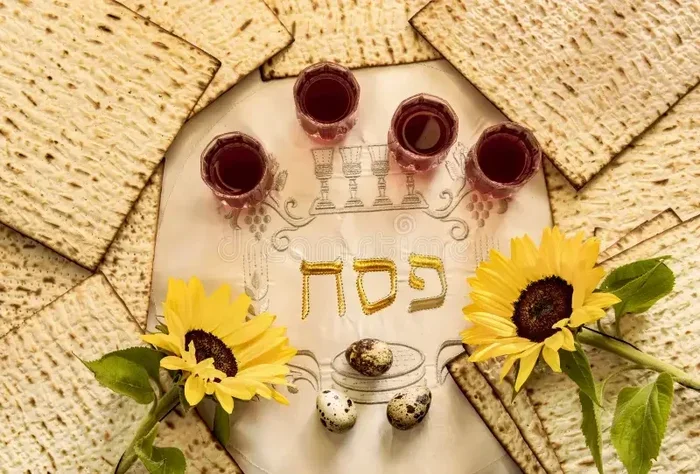
Jewish holidays are full of tradition, and toasting plays a big role. During Passover, a common toast is “L’chaim” or “L’Shanah Tovah Tikatevu,” which means “may you be inscribed for a good year.” On Hanukkah, “L’chaim” works perfectly alongside the festive atmosphere.
For Rosh Hashanah, the Jewish New Year, try “Shanah Tovah” paired with a glass raised high. These Hebrew celebration phrases bring warmth and meaning to every holiday gathering.
Casual Gatherings and Parties
Not every toast needs to be formal. At a casual dinner party, a backyard barbecue, or a night out with friends, simple is best. A hearty “L’chaim!” with a grin is all you need. You can also try “Tov Meod” for a more relaxed vibe.
If you want to sound a little more modern and casual, you might hear younger Hebrew speakers use fun slang. For those curious about modern digital Hebrew slang, check out what does wtw mean in text to explore how Hebrew speakers blend traditional language with contemporary texting culture. It is fascinating how language evolves!
Shabbat and Family Dinners
Shabbat dinners are a weekly tradition in many Jewish households. The Friday night table is set with candles, wine, and blessings. A common toast during Shabbat is simply “L’chaim” or “Shabbat Shalom,” which means “peaceful Sabbath.” The atmosphere is warm, and the toast feels personal and heartfelt.
If you are invited to a Shabbat dinner, raising your glass and saying “L’chaim” is a wonderful way to show respect and gratitude for the invitation.
Hebrew Drinking Culture and Etiquette
Understanding the culture behind Hebrew toasts is just as important as knowing the phrases themselves. Hebrew drinking culture is rooted in community, respect, and joy.
The Communal Nature of Toasting
In Israel, toasting is rarely a solo act. It is a shared experience. When someone says “L’chaim,” everyone at the table is expected to raise their glass. Eye contact is important, especially during the first toast of the evening. In many Israeli circles, it is considered rude to toast without making eye contact with the people you are drinking with.
This communal aspect is what makes Hebrew toasting so special. It is not just about the alcohol. It is about being present, showing appreciation, and sharing a moment with others.
Etiquette Tips for Non-Hebrew Speakers
Here are some simple rules to follow when toasting in Hebrew settings:
- Always make eye contact: This shows sincerity and respect.
- Take a sip after the toast: Do not just raise the glass and set it down.
- Wait for the host to toast first: In formal settings, let the host lead.
- Do not drink alone: Toasting is a group activity in Hebrew culture.
- Be genuine: Even if your pronunciation is imperfect, the effort is what counts most.
These small gestures go a long way in showing that you respect the culture and the people around you.
What Does Ts Mean in Text?
Language is always evolving, and Hebrew is no exception. Modern Hebrew speakers often blend traditional phrases with contemporary slang, especially in digital communication. If you are curious about how Hebrew slang and texting abbreviations work in everyday conversations, you can explore ts meaning in text to see how younger generations use abbreviated expressions. This kind of linguistic blending is common in Israeli culture and adds a fun, modern layer to traditional Hebrew.
While “ts” is not a toasting phrase, understanding the broader picture of how Hebrew is used in different contexts helps you appreciate the language more fully. It also gives you great conversation starters at social gatherings!
Fun and Casual Hebrew Cheers to Try
Now that you know the traditional toasts, let us have some fun with casual Hebrew cheers you can use in everyday situations.
Lighthearted Hebrew Party Words
Sometimes you just want to keep things fun and light. Here are some casual phrases that work great at parties and informal get-togethers:
- Yalla L’chaim! This adds energy and excitement. “Yalla” is an Arabic-influenced Hebrew word that means “let’s go” or “come on.”
- L’chaim Al HaGefen! This means “to life on the cup” or “to the glass.” It is a slightly more poetic version of the classic toast.
- Chaim Tov! A short and sweet “good life!” that works as a quick cheer.
- Siman Tov! Meaning “good sign,” this is perfect for celebrating achievements.
These casual cheers are easy to remember and fun to say. They add a playful touch to any gathering and show that you have put thought into learning the language.
Hebrew Toasts for Special Milestones
When someone reaches a big milestone, a thoughtful toast makes the moment even more meaningful. Here are some phrases for special occasions:
- L’chaim L’Hatchala Chadasha: “To a new beginning.” Perfect for new jobs, new homes, or new chapters in life.
- L’chaim L’Nesuah: “To the bride” or “to the groom.” Use this at wedding celebrations.
- L’chaim L’Yeled: “To the child.” A sweet toast for baby showers or birthdays.
These milestone toasts show that you care about the person and the occasion. They go far beyond a simple “cheers” and create a lasting impression.
Common Mistakes to Avoid When Toasting in Hebrew
Even with the best intentions, mistakes can happen. Here are some common pitfalls to watch out for.
- Mispronouncing L’chaim: The “ch” sound is the trickiest part. Practice it separately until it feels natural.
- Using the wrong phrase for the wrong occasion: “Mazal Tov” is not a toast in the traditional sense. It is a congratulatory expression. Use it alongside L’chaim for best results.
- Forgetting eye contact: This is a big one in Israeli culture. Skipping eye contact can come across as disinterested.
- Raising an empty glass: In Hebrew culture, it is customary to have something in your glass before toasting.
- Rushing through the toast: Take a moment. A slow, sincere toast is more powerful than a rushed one.
Avoiding these mistakes will help you toast with confidence and make a positive impression at any Hebrew celebration.
Expert Insights on Hebrew Toasting Traditions
Hebrew toasting traditions are deeply tied to Jewish history and values. The concept of “L’chaim” reflects a core belief in the preciousness of life. Every time you say “to life,” you are acknowledging the gift of being present with others, sharing a meal, and creating memories.
In Israel, the toasting culture is vibrant and inclusive. You will hear “L’chaim” shouted across restaurants, at street parties, and in family homes. It is one of those phrases that transcends age, background, and occasion. Whether you are a lifelong Hebrew speaker or someone learning the language for the first time, “L’chaim” welcomes everyone to the table.
The beauty of Hebrew toasting lies in its simplicity. You do not need to be fluent in the language to participate. A single word, spoken with sincerity, is enough to bring people together. That is the power of a good toast.
Key Takeaways
- L’chaim is the most iconic Hebrew toast: It means “to life” and is used across all celebrations.
- Pronunciation matters: Learning the correct Hebrew sounds helps you sound natural and respectful.
- Different occasions call for different toasts: Weddings, holidays, and casual gatherings each have unique Hebrew phrases.
- Hebrew drinking culture is warm and communal: Toasting is about togetherness, not just the drink itself.
- Casual Hebrew cheers are easy to learn: Even simple phrases like “L’chaim” go a long way in social settings.
- Respect the traditions: Understanding the cultural background behind Hebrew toasts shows genuine appreciation.
Conclusion
Now you know how to say cheers in Hebrew for almost any situation. From the classic “L’chaim” to casual party cheers and milestone toasts, you have a toolkit of phrases that will serve you well at any Hebrew celebration. The key is to practice, stay respectful of the traditions, and most importantly, enjoy the moment.
Hebrew toasting is more than just words. It is a way of saying “I am here, I value you, and I celebrate this moment with you.” Whether you are at a wedding in Tel Aviv or a dinner party in your hometown, a sincere Hebrew toast will always be appreciated.
So the next time you raise a glass, remember these phrases. Say them with confidence, share a smile, and toast to life. L’chaim!
Frequently Asked Questions
What is the most common way to say cheers in Hebrew?
The most common Hebrew toast is “L’chaim,” which means “to life.” It is used at weddings, holidays, casual gatherings, and nearly every celebration. It is simple, meaningful, and universally understood across Jewish communities worldwide.
How do you pronounce L’chaim correctly?
L’chaim is pronounced “L’CHAI-yeem.” The “ch” sound is guttural, like the “ch” in the German word “Bach.” Practice saying “L’chai” first, then add “eem” at the end. Listening to native speakers online is the best way to perfect your pronunciation.
Can I use Mazal Tov as a toast?
Mazal Tov is more of a congratulatory expression than a traditional toast. It means “good fortune” and is commonly said at weddings and celebrations. For a proper toast, pair Mazal Tov with L’chaim for the best results.
Is eye contact important when toasting in Hebrew?
Yes, eye contact is very important in Israeli toasting culture. It shows sincerity and respect. Skipping eye contact during a toast can be seen as disinterested or rude. Always make eye contact with the people you are toasting with.
What Hebrew phrases work for casual parties?
For casual parties, “L’chaim!” is always a great choice. You can also try “Yalla L’chaim!” for extra energy or “Tov Meod” for a relaxed vibe. These casual Hebrew cheers are easy to remember and fun to say at any informal gathering.
Are there Hebrew toasts for specific holidays?
Yes, there are many Hebrew celebration phrases for different holidays. During Rosh Hashanah, try “L’Shanah Tovah Tikatevu.” For Passover, “L’chaim” works beautifully. Each holiday has its own festive Hebrew phrases that add meaning and tradition to the celebration.