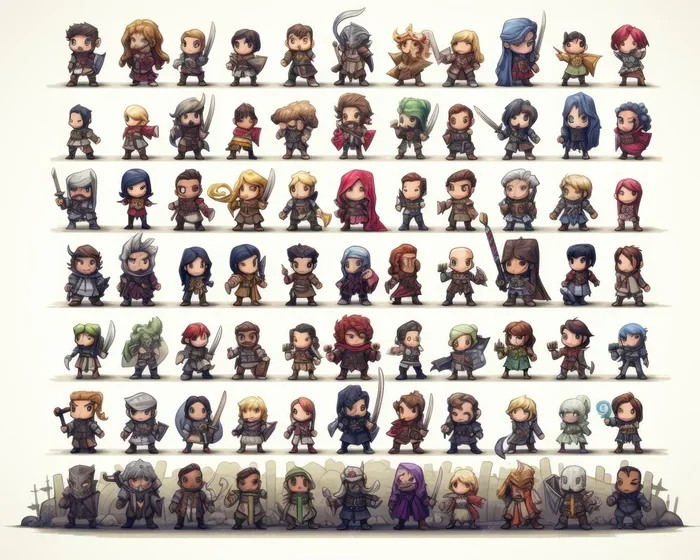

The NPC meaning refers to a “non-player character” — a figure in a video game controlled by the game itself rather than a real person. But today, NPC has expanded far beyond gaming into internet culture, memes, and even how people describe behavior in daily life.
Key Takeaways
- NPC stands for Non-Player Character: It originally described characters in video games that players do not control.
- NPCs follow scripts and patterns: They repeat the same lines, actions, and behaviors without adapting to the player.
- The NPC meme went viral: Online culture repurposed the term to describe people who seem robotic, repetitive, or lack independent thinking.
- NPC behavior can appear in real life: Some people use the label to critique conformity, scripted social interactions, or lack of self-awareness.
- NPCs are essential to gaming: Without them, game worlds would feel empty, lifeless, and boring.
- Understanding the term helps you navigate modern culture: Whether in gaming, social media, or conversation, knowing what NPC means keeps you in the loop.
- The term is evolving: As culture changes, so does how we use and understand the word NPC.
📑 Table of Contents
- What Does NPC Mean? The Full Breakdown
- The Origin and History of the Term NPC
- How NPCs Work in Modern Video Games
- The NPC Meme and Internet Culture
- NPC Personality Traits and Behavior in Real Life
- Why Understanding NPC Meaning Matters in Today’s World
- Common Mistakes People Make About NPCs
- Expert Insights on the Evolution of NPC
- Key Differences: NPC vs Player Character
- The Future of NPCs in Gaming and Culture
- Conclusion
What Does NPC Mean? The Full Breakdown
If you have spent any time online, in gaming circles, or even in casual conversations lately, you have probably heard someone drop the term NPC. Maybe a friend called someone an NPC. Maybe you saw a meme about it. Or maybe you are just curious what all the buzz is about.
So what does NPC meaning actually refer to? The short answer is simple. NPC stands for Non-Player Character. In video games, an NPC is any character that the player does not control. Instead, the game’s artificial intelligence runs that character. These characters follow pre-written scripts, repeat set phrases, and behave in predictable ways.
But the term has grown well beyond its gaming roots. Today, people use NPC to describe people, behaviors, and even cultural patterns. This article breaks down the full NPC definition, explores where it came from, and shows you how it shows up in gaming, memes, and real life.
NPC in Gaming: The Original Use
The original and most established use of NPC comes from the video game world. Every RPG, open-world adventure, and multiplayer game relies on non-player characters. Think of the shopkeeper who sells you swords. Think of the town elder who gives you a quest. Think of the guard who warns you to stay out of trouble.
All of these characters are NPCs. They exist to build the world around you. Without them, your favorite games would feel hollow and strange. NPC behavior is usually repetitive. They say the same things. They stand in the same spots. And they respond the same way no matter how many times you visit them.
Why NPCs Matter in Game Design
Game designers use NPC characters to make virtual worlds feel alive. They fill cities with merchants, guards, and villagers. They create quest-givers that push the story forward. They build entire dialogue trees that players can explore.
Here is a quick look at common NPC examples in popular games:
- Shopkeepers: Sell weapons, armor, and supplies. They repeat the same greeting every time.
- Quest givers: Provide missions and story objectives. They stand in key locations and offer the same dialogue options.
- Guards and soldiers: Patrol areas and enforce rules. Their movements follow set paths.
- Companions: Some NPCs travel with the player. They offer advice but cannot make true choices on their own.
- Background villagers: They fill streets and towns. They add atmosphere but rarely impact the main story.
Every single one of these roles depends on NPC artificial intelligence. The AI is what drives their responses, movements, and interactions. While it may not be as complex as a human mind, it creates the illusion of a living, breathing world.
The Origin and History of the Term NPC
The term NPC has been around since the early days of tabletop role-playing games. In the 1970s and 1980s, when games like Dungeons & Dragons became popular, game masters needed a quick way to describe characters they controlled. They were not player characters. So they called them non-player characters, or NPCs for short.
When video games emerged in the 1980s and 1990s, the term carried over seamlessly. Early games like The Legend of Zelda and Final Fantasy featured simple NPCs. These characters had very limited dialogue and basic behavioral patterns. But they were still essential to the experience.
How NPCs Evolved Over Time
As technology improved, so did NPC role in games. Early NPCs were little more than walking dialogue boxes. Today, some NPCs feature incredibly complex behavior, branching conversations, and emotional depth.
Here is a brief timeline of how NPC behavior patterns changed:
- 1980s: NPCs had one or two lines of dialogue. They stood still and offered basic services.
- 1990s: Games added more dialogue options. NPCs began to feel like part of the story.
- 2000s: Open-world games gave NPCs daily routines. They walked around, worked, and interacted with each other.
- 2010s: Advanced AI allowed NPCs to react dynamically. Games like Skyrim and Red Dead Redemption showed NPCs that felt surprisingly real.
- 2020s: Some modern games now use procedural generation and machine learning to create even more lifelike NPC interaction.
Clearly, the humble NPC has come a long way. But no matter how advanced they become, the core idea stays the same. An NPC is still a character controlled by something other than the player.
How NPCs Work in Modern Video Games
Understanding the NPC meaning in gaming becomes much easier when you look under the hood. Game developers build NPCs using a mix of scripting, behavioral trees, and artificial intelligence. Each approach gives NPCs different levels of complexity.
Scripted NPCs
The simplest type of NPC character is the scripted variety. These characters follow a fixed sequence of actions and dialogue. You talk to them, they respond with the same lines, and that is it. Scripted NPCs are common in linear games where the story does not branch much.
Behavioral Tree NPCs
More advanced games use something called a behavioral tree. This is a system that lets NPC behavior change based on conditions. For example, an NPC guard might patrol during the day and sleep at night. If the player steals something, the guard might switch to an alert state and chase the player.
Dynamic and AI-Driven NPCs
The most sophisticated NPC artificial intelligence allows characters to think and react in real time. These NPCs can track the player’s actions, remember past interactions, and adjust their behavior accordingly. Games like The Elder Scrolls series and Red Dead Redemption 2 use these systems to create immersive worlds where NPC interaction feels natural and unpredictable.
Why This Matters to Players
When NPCs behave realistically, games feel more engaging. You believe in the world. You care about the characters. You make choices that feel meaningful. The quality of NPC characters can make or break a game. That is why developers invest so much time and money into making them better.
The NPC Meme and Internet Culture
Now let us step outside the game world. Over the past few years, the term NPC has exploded into mainstream internet culture. The NPC meme is now one of the most recognizable cultural references online. But how did a gaming term become a viral sensation?
How the NPC Meme Started
The NPC meme began around 2018 and 2019. It typically shows a person who behaves in a robotic, repetitive, or mindless way. The humor comes from comparing that person to a video game character with no real personality or independent thought.
At first, the meme was mostly lighthearted. People posted funny clips of friends or strangers who seemed to be on autopilot. But over time, the meaning of NPC shifted. It started to carry a more critical tone.
What People Mean When They Call Someone an NPC
Today, calling someone an NPC can mean several things:
- They follow the crowd: The person never questions popular opinions. They just repeat what everyone else says.
- They seem robotic: Their reactions feel scripted or unnatural. They do not show genuine emotion.
- They lack self-awareness: The person does not seem to think independently or reflect on their own behavior.
- They are easily triggered: Some people use the term to describe someone who reacts the same way to every debate or disagreement.
- They stick to a routine: The person lives a very predictable life with little spontaneity or growth.
The Dark Side of the NPC Label
It is worth noting that the NPC meme is not always kind. Some people use the label to mock others or dismiss opinions they disagree with. This can be hurtful. Not everyone who repeats a talking point is “on autopilot.” Sometimes people express common views because they genuinely believe them.
Like many internet trends, the NPC slang term can be used for fun or for cruelty. Context matters a lot. It is always best to use labels like this thoughtfully and with respect.
NPC Personality Traits and Behavior in Real Life
One of the most interesting developments around the NPC meaning is how people now apply it to real human behavior. The idea of an NPC personality has become a recognizable concept, especially in online communities.
Common Signs of “NPC Behavior” in People
When someone says a person has NPC behavior, they usually mean the person displays some of these traits:
- Repetitive phrases: They use the same slogans or catchphrases without thinking about what they mean.
- No original opinions: They never offer a unique take. They always agree with whatever the group thinks.
- Scripted reactions: Their emotional responses seem rehearsed rather than genuine.
- Resistance to new ideas: They reject anything that does not fit their usual pattern of thinking.
- Groupthink: They do well only when they are part of a crowd. Alone, they seem lost or confused.
Is Calling Someone an NPC Helpful or Harmful?
This is a tough question. On one hand, the label can help people recognize unhealthy patterns. If someone notices they always react the same way in arguments, calling it NPC behavior might push them to think more deeply. Self-awareness is always valuable.
On the other hand, labeling real people as NPCs can shut down conversation. It implies the other person has no real thoughts or feelings. That is rarely true. People are far more complex than any NPC character in a game. So while the term can be a useful tool for reflection, it should never be used to belittle someone else.
Why Understanding NPC Meaning Matters in Today’s World
The NPC meaning matters because it touches so many areas of modern life. Whether you are a gamer, a content creator, or just someone who spends time on social media, you will encounter this term. Understanding it gives you a clearer view of online conversations and cultural trends.
NPC in Gaming Culture
For gamers, the NPC definition is straightforward. It describes the many characters that populate virtual worlds. Knowing what an NPC is helps you understand game discussions, reviews, and guides. It also helps you appreciate the craft that goes into designing NPC quest lines and NPC dialogue.
NPC in Social Media and Content Creation
Content creators frequently use the NPC label. YouTubers, streamers, and TikTok creators make videos about NPC behavior, NPC memes, and NPC personality types. Understanding the term helps you follow these conversations and enjoy the content fully.
NPC in Everyday Conversations
Even outside the internet, you might hear someone say, “That was so NPC.” They mean that a person or situation felt robotic, predictable, or unoriginal. The more you understand the NPC meaning, the better you can interpret what people are really saying.
Quick Tips for Using the Term
- Use it casually when referring to game characters. That is its home base.
- Be careful when applying it to real people. It can feel dismissive.
- Understand the context. The same word can be playful or critical depending on the situation.
- Stay open-minded. Not everyone who repeats a phrase or follows a trend deserves the label.
- Have fun with it. Memes and humor are a big part of why the term stays popular.
Common Mistakes People Make About NPCs
There are a few misconceptions that float around about the NPC meaning. Let us clear them up.
- Mistake 1: Thinking NPCs are always stupid. Some NPCs in modern games are very smart and challenging to defeat.
- Mistake 2: Believing the term only applies to games. As we have seen, NPC is now widely used in social and cultural contexts.
- Mistake 3: Assuming all NPCs are the same. Every NPC serves a different purpose and has different levels of complexity.
- Mistake 4: Using the label to insult people without thinking. Context and empathy should always guide your words.
- Mistake 5: Ignoring how far the term has come. From tabletop RPGs to viral memes, the NPC label has a rich and evolving history.
Expert Insights on the Evolution of NPC
Gaming experts and cultural commentators have noticed something fascinating about the NPC term. It reflects a broader human interest in the line between artificial and natural behavior. When we watch NPCs in games, we see simulated life. When we call real people NPCs, we are really commenting on the desire for authenticity.
Dr. Rachel Kowert, a research psychologist who studies games and culture, has pointed out that the popularity of the NPC meme reflects how people think about conformity in the digital age. The term gives us a shared language to talk about something that feels increasingly important: thinking for ourselves.
Game designer Hideo Kojima, known for the Metal Gear series, has also spoken about how NPC characters should feel more human. He believes the best NPCs surprise players and make them forget they are not real. That goal pushes developers to create NPC interaction that feels genuine, emotional, and memorable.
These expert views remind us that NPC meaning is not just a trivia question. It is a window into how we see technology, society, and ourselves.
Key Differences: NPC vs Player Character
To fully grasp the NPC meaning, it helps to compare it directly with the other main type of character in any game: the player character. Here is a quick comparison:
- Control: The player controls the player character. The game controls the NPC.
- Uniqueness: Player characters are one-of-a-kind. NPCs usually follow templates and repeat the same actions.
- Development: Player characters grow and change through the story. NPCs usually stay the same unless the developer updates them.
- Dialogue: Player characters say what the player wants. NPCs say what the script tells them.
- Purpose: Player characters drive the story. NPCs support the world around the player.
This table shows why the distinction matters. When you understand the NPC vs player difference, game design and game discussions become much clearer.
The Future of NPCs in Gaming and Culture
What does the future hold for NPCs? In gaming, the trend is clear: more realism, more depth, and more NPC artificial intelligence. Technologies like AI-generated dialogue and procedural personality systems are pushing NPC behavior patterns closer to how real humans think and react.
In culture, the NPC label is likely here to stay. As long as people value individuality and fear conformity, the term will carry weight. We may see new memes, new slang, and new applications emerge as technology continues to blur the line between virtual and real.
One thing is certain. The npc meaning has grown from a simple gaming abbreviation into a cultural touchstone. It captures something deeply human: the tension between following a script and writing your own story.
Conclusion
Now you know the full npc meaning inside and out. From its origins as a gaming term for non-player characters to its modern role as a viral meme and cultural label, NPC has proven to be a surprisingly powerful word. It shapes how we talk about games, how we view online culture, and even how we think about human behavior.
The next time someone drops the term NPC in a conversation, you will know exactly what they mean. You will understand the gaming roots, the meme culture, and the deeper commentary behind it. And that knowledge makes you a sharper thinker, a better gamer, and a more informed citizen of the internet.
NPC is more than just three letters. It is a reflection of how we interact with technology, with each other, and with ourselves. Embrace the knowledge, share it with your friends, and keep exploring the ever-changing world of gaming culture.
Frequently Asked Questions
What does NPC stand for?
NPC stands for Non-Player Character. It originally described any character in a video game or tabletop RPG that the player does not directly control. Today, the term is also widely used in internet culture and memes.
Are NPCs real people?
No, NPCs are fictional characters controlled by a game’s artificial intelligence. However, people sometimes use the word NPC as a slang label to describe real humans who seem repetitive, robotic, or lacking independent thought. This usage is informal and often humorous.
Can an NPC be a villain?
Yes. Many villains in video games are NPCs. Boss characters, antagonists, and story villains are all typically non-player characters. They follow programmed scripts and behavioral patterns even though they may feel powerful and threatening in the game.
Why do people call others NPCs online?
People call others NPCs online as a humorous or critical way to describe behavior that seems scripted, unoriginal, or mindless. It is a popular meme format. However, it can be hurtful if used to dismiss someone unfairly. Context and tone matter a lot.
Do modern NPCs have feelings or emotions?
NPCs do not truly have feelings. However, modern game design uses advanced AI to simulate emotional responses. Some NPCs can appear sad, angry, or happy based on player actions. This creates a more immersive experience but the emotions are programmed, not real.
Is the NPC meme still popular?
Yes, the NPC meme remains very popular across platforms like TikTok, YouTube, and X. New videos, reaction clips, and commentary about NPC behavior are constantly being created. The term continues to evolve and stay relevant in online discussions.



