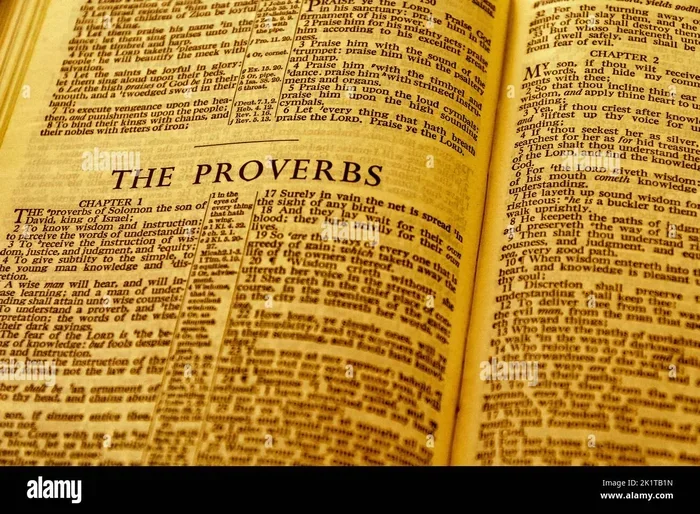

The proverbial meaning of everyday sayings goes far deeper than their surface words. These timeless expressions carry centuries of cultural wisdom and hidden lessons. Understanding the proverb definition helps you communicate more clearly and connect with others. This guide breaks down the figurative meaning behind popular proverbs and expressions. You will learn their origins, how to use them, and why they still matter today.
Have you ever heard someone say “a bird in the hand is worth two in the bush” and wondered what on earth they meant? The proverbial meaning behind common sayings is something we all encounter every day. Yet most of us use these expressions without really thinking about where they come from or what they truly mean.
Proverbs are short, wise sayings that pass down lessons from generation to generation. They pack a lot of wisdom into just a few words. When you understand the proverb definition and the figurative meaning behind these phrases, you unlock a whole new level of communication. This article will walk you through the most popular sayings, their hidden meanings, and how you can use them in your own life.
Whether you are a student learning English, a writer looking for inspiration, or simply someone who loves words, this guide has something for you. Let us dive into the world of proverbial expressions and uncover the stories hiding inside them.
Key Takeaways
- Proverbs carry hidden wisdom: The proverbial meaning behind common sayings teaches life lessons in just a few words.
- Figurative language is key: Most proverbs use symbolic meaning, not literal definitions, to convey deeper truths.
- Origins are fascinating: Many famous sayings come from ancient cultures, literature, and historical events.
- Daily use adds richness: Using proverbs in conversation makes your English more expressive and engaging.
- Cultural differences matter: Proverbial expressions vary across languages and cultures but share universal themes.
- Common mistakes exist: Misunderstanding the figurative meaning can lead to confusion in communication.
📑 Table of Contents
What Does Proverbial Mean?
The word proverbial comes from the Latin word “proverbium,” which means a short, pithy saying. When we say something is proverbial, we mean it is so well known that it has become a symbol of a broader idea. For example, when people talk about the proverbial glass ceiling, they are not talking about an actual ceiling made of glass. They are referring to an invisible barrier that prevents certain groups from advancing in their careers.
Understanding the proverb definition is the first step to mastering figurative language. A proverb is not meant to be taken literally. Instead, it uses familiar images and comparisons to teach a lesson. The proverbial meaning is always deeper than the surface words suggest.
Proverb vs Saying vs Adage
People often use the words proverb, saying, and adage interchangeably. But there are small differences worth noting. A proverb is a traditional saying that offers advice or a general truth. A saying is a broader term that can include any commonly used phrase. An adage is a proverb that has been accepted as true over a long period of time. All three fall under the umbrella of proverbial expressions, but each carries its own flavor.
Here are some quick examples to help you tell them apart:
- Proverb: “Actions speak louder than words.”
- Saying: “Break a leg before a performance.”
- Adage: “Time heals all wounds.”
Notice how each one teaches a lesson or shares a common belief. That is the heart of proverbial language. It turns everyday observations into memorable wisdom.
The History of Proverbs and Their Hidden Meanings
Proverbs are older than most people realize. Some of the earliest known proverbs come from ancient civilizations like Egypt, Greece, and India. The Bible, the works of Aesop, and ancient Hindu texts are full of proverbial sayings that people still use today. These expressions survived for thousands of years because they capture truths about human nature that never change.
How Proverbs Travel Across Cultures
One of the most fascinating things about proverbial sayings is how they spread across the world. The idea behind “a stitch in time saves nine” appears in many different languages and cultures. English, German, Spanish, and Arabic all have versions of this proverb. This shows that people everywhere share similar experiences and values. The figurative meaning may stay the same even when the words change.
When proverbs cross borders, they sometimes take on new twists. For example, the English saying “the early bird catches the worm” has a similar version in Japanese: “The early frog gets the worm.” The image changes, but the meaning stays the same. Being early and prepared leads to success.
Famous Proverbs and Where They Came From
Many popular sayings have surprising origins. “Biting the bullet” comes from the old practice of having soldiers bite on a bullet during surgery without anesthesia. “Letting the cat out of the bag” may trace back to medieval market scams where sellers would swap a pig for a cat in a bag. Knowing the origin of a proverb makes its proverbial meaning even more powerful and memorable.
Here are some famous proverbs and their roots:
- “The pen is mightier than the sword” — Coined by Edward Bulwer-Lytton in 1839 to highlight the power of words over violence.
- “Every cloud has a silver lining” — First appeared in John Milton’s work in the 1600s, symbolizing hope in difficult times.
- “Don’t judge a book by its cover” — A proverb warning against making assumptions based on outward appearances.
Popular Sayings and Their Hidden Meanings
Now let us look at some of the most common proverbial expressions you hear every day. For each one, we will explore the literal meaning, the figurative meaning, and how to use it in real life.
The Proverbial Elephant in the Room
This is probably the most used proverbial phrase in modern English. The literal image is of a giant elephant standing in the middle of a room. Of course, no one would ignore an elephant in a room. So the figurative meaning is about an obvious problem or issue that everyone sees but no one wants to talk about.
Example: “We need to address the proverbial elephant in the room. Our project is behind schedule, and nobody is mentioning it.”
Curiosity Killed the Cat
The original version of this saying was actually “care killed the cat,” where care meant worry or sorrow. Over time, the proverb shifted to focus on curiosity. The proverbial meaning warns that excessive questioning or poking into things that do not concern you can lead to trouble.
However, there is a twist. The full expression is often followed by “but satisfaction brought it back.” This adds a positive spin, suggesting that curiosity can also lead to rewarding discoveries.
The Grass Is Always Greener on the Other Side
This proverb speaks to the human tendency to think that other people’s situations are better than our own. The figurative meaning is a reminder to appreciate what you have instead of constantly comparing yourself to others. It is one of the most relatable proverbial sayings because almost everyone has felt this way at some point.
A Rolling Stone Gathers No Moss
This old proverb has two opposing interpretations depending on the culture. In some traditions, a rolling stone gathers no moss, meaning a person who keeps moving does not accumulate responsibilities or problems. In other traditions, moss represents stability and wealth, so a rolling stone loses those things. The proverbial meaning depends on the context and the speaker’s perspective.
Figurative vs Literal: Understanding the Difference
One of the biggest challenges with proverbial expressions is knowing when a phrase is literal and when it is figurative. If someone says “it is raining cats and dogs,” you do not look outside for falling animals. You understand the figurative meaning: it is raining very heavily. This distinction is at the core of understanding the proverbial meaning behind any saying.
Here is a simple way to tell the difference:
- Literal language means exactly what the words say. “The cat is on the mat” is literal.
- Figurative language uses words symbolically to convey a deeper idea. “The cat is out of the bag” is figurative.
Most proverbs fall into the figurative category. They use familiar images — animals, weather, food, nature — to express abstract ideas. Learning to recognize these patterns makes it much easier to grasp the proverbial meaning quickly.
Quick Tips for Spotting Figurative Language
- If the phrase sounds impossible or strange, it is probably figurative.
- If the saying uses a comparison or metaphor, look for the deeper lesson.
- Ask yourself what the saying would mean if you replaced the image with a real-life situation.
- Context matters. The same proverb can mean different things in different situations.
How to Use Proverbial Expressions in Daily Life
Using proverbs in everyday conversation is easier than you might think. These expressions add color, wisdom, and personality to your words. Whether you are writing a blog post, giving a speech, or just chatting with friends, proverbial sayings can make your message more memorable.
Tips for Using Proverbs Naturally
- Match the proverb to the situation. Do not force a saying into a conversation where it does not fit. Let the moment guide you.
- Keep it simple. Use well-known proverbs that your audience will immediately understand. Avoid obscure or archaic sayings unless your listener is familiar with them.
- Explain when needed. If you sense your listener might not get the reference, briefly explain the proverbial meaning after you say it.
- Use them to teach. Proverbs are powerful tools for parents, teachers, and mentors. They convey lessons without sounding preachy.
- Mix old and new. Pair a traditional proverb with a modern example to make it feel fresh and relevant.
Common Mistakes When Using Proverbs
Even native speakers sometimes misuse proverbs. Here are a few pitfalls to avoid:
- Taking them literally. Remember that the proverbial meaning is almost always figurative. Saying “I will kill two birds with one stone” does not involve any actual birds.
- Using the wrong proverb. Mixing up similar sayings can confuse your message. “The early bird catches the worm” is not the same as “make hay while the sun shines,” even though both encourage action.
- Overusing them. Dropping proverbs into every sentence can sound unnatural and even annoying. Use them sparingly for maximum impact.
- Ignoring cultural context. Some proverbs do not translate well across cultures. What makes perfect sense in English might confuse a listener from another background.
Why Proverbs Still Matter Today
You might wonder why we still use sayings that are hundreds or even thousands of years old. The answer is simple: proverbs capture truths that never go out of style. Human nature does not change much over time. We still face the same challenges, make the same mistakes, and learn the same lessons that our ancestors did.
The proverbial meaning behind these sayings connects us to a shared human experience. When you say “honesty is the best policy,” you are joining a conversation that has been going on for centuries. That sense of connection is powerful.
In today’s fast-paced digital world, proverbs also serve as quick wisdom capsules. They give us a way to express complex ideas in just a few words. In a world of short attention spans, that is a valuable skill.
The Role of Proverbs in Education
Teachers around the world use proverbs to build language skills and cultural awareness. Learning the proverbial meaning behind common sayings helps students understand figurative language, which is a key part of reading comprehension and communication. Proverbs also introduce students to different cultures and worldviews in a fun and engaging way.
Proverbs in Pop Culture and Media
Proverbs show up everywhere in modern culture. Movies, songs, books, and social media posts frequently reference well-known sayings. When a character in a film says “all that glitters is not gold,” the audience immediately understands the deeper meaning. This shows how deeply proverbs are embedded in our collective consciousness.
Even brands and advertisers use proverbial expressions in their marketing. Phrases like “the proof is in the pudding” or “good things come to those who wait” tap into shared cultural knowledge and make messages more relatable.
Proverbial Meanings Around the World
While this article focuses on English proverbs, it is worth noting that every culture has its own collection of proverbial sayings. Japanese proverbs often draw from nature and martial arts. African proverbs carry deep philosophical wisdom passed down through oral traditions. Chinese proverbs are rooted in ancient history and Confucian teachings. The proverbial meaning may differ in expression, but the core human truths remain the same.
Exploring proverbs from different cultures broadens your perspective and enriches your understanding of the world. It also reminds us that despite our differences, people everywhere share the same basic hopes, fears, and lessons.
Conclusion
The proverbial meaning behind common sayings is a treasure trove of wisdom, history, and human connection. From the simplest proverb to the most complex figurative expression, these sayings shape the way we communicate and think. Understanding the proverb definition and the figurative meaning behind each phrase gives you a deeper appreciation for language itself.
Next time you hear or use a proverb, take a moment to think about its origin and its deeper meaning. You will find that these short expressions carry more power and beauty than you ever imagined. The world of proverbial sayings is wide open, and there is always something new to discover. Start exploring today, and let these timeless words enrich your conversations and your life.
Frequently Asked Questions
What is the proverbial meaning of a saying?
The proverbial meaning refers to the deeper, figurative lesson behind a well-known saying. It is never meant to be taken literally. Instead, it uses a familiar image or comparison to teach a universal truth or piece of wisdom.
How do you find the meaning of a proverb?
Start by looking at the words literally, then ask what the image or comparison might symbolize. Research the origin of the proverb, as history often reveals the intended lesson. Context also plays a big role in unlocking the proverbial meaning of any expression.
Can proverbs have more than one meaning?
Yes, many proverbs carry multiple interpretations depending on the culture, context, and time period. For example, “a rolling stone gathers no moss” can mean either freedom from responsibilities or a lack of stability, depending on who is interpreting it.
Why are proverbs important in everyday language?
Proverbs make communication more vivid and memorable. They pass down cultural wisdom in a compact, easy-to-remember format. Using proverbs in daily conversation adds depth, personality, and a shared sense of understanding between speakers.
Are proverbs the same as idioms?
They are closely related but not exactly the same. An idiom is a phrase where the meaning cannot be guessed from the individual words. A proverb is a specific type of idiomatic expression that offers advice or a general truth. All proverbs are idioms, but not all idioms are proverbs.
Where can I learn more about the origin of famous proverbs?
Books on etymology, cultural history, and folklore are great resources. Websites like the Oxford Dictionary of Proverbs and online etymology databases also provide detailed information about the origins and proverbial meaning of classic sayings from around the world.