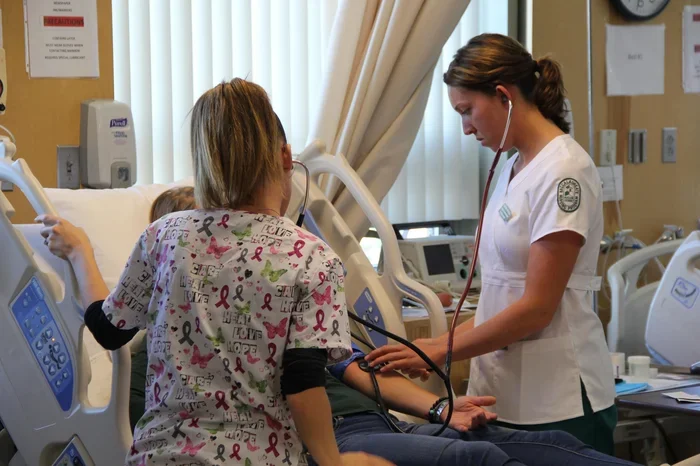

The DNP meaning is Doctor of Nursing Practice, a terminal clinical doctorate designed for nurses who want to lead at the highest level. This advanced degree goes beyond the MSN and focuses on real-world patient care, healthcare policy, and evidence-based practice. Whether you are a practicing nurse or planning your next career move, understanding the DNP degree opens doors to leadership, specialization, and bigger impact in healthcare.
If you have ever wondered what DNP stands for in the world of nursing, you are not alone. The DNP meaning is Doctor of Nursing Practice. It is a professional doctorate that prepares nurses for the most advanced roles in clinical practice. This degree is not just another line on a resume. It represents a serious commitment to improving patient outcomes, leading healthcare teams, and shaping the future of medicine.
Nursing has changed a lot over the past few decades. Today, nurses do far more than check vitals and hand out medications. They diagnose conditions, prescribe treatments, lead departments, and influence healthcare policy. The DNP degree equips nurses with the skills and knowledge needed to do all of that and more. In this article, we will break down everything you need to know about the DNP meaning, what the program involves, and why it matters for the future of nursing practice.
Whether you are a registered nurse thinking about going back to school or a healthcare professional curious about advanced degrees, this guide has you covered. We will walk through the DNP meaning in simple terms, compare it to other nursing degrees, and share practical tips for choosing the right program. Let us dive in.
Key Takeaways
- DNP stands for Doctor of Nursing Practice: It is the highest clinical nursing degree available today.
- It focuses on hands-on patient care: Unlike a PhD in nursing, the DNP is practice-centered, not research-centered.
- DNP graduates can become nurse practitioners, clinical leaders, and healthcare policymakers: The career options are vast.
- You typically need an MSN first: Most DNP programs require a Master of Science in Nursing as a prerequisite.
- The degree is growing in demand: Hospitals and healthcare systems increasingly seek DNP-prepared nurses for leadership roles.
- DNP programs take 3 to 4 years to complete: They include clinical hours, coursework, and a final capstone project.
- Salaries increase significantly: DNP holders often earn more than those with an MSN alone.
📑 Table of Contents
- What Does DNP Stand For in Nursing?
- Why the DNP Degree Matters in Modern Healthcare
- What Does a DNP Program Involve?
- Career Opportunities After Earning a DNP
- How to Choose the Right DNP Program
- Common Mistakes to Avoid When Pursuing a DNP
- Expert Insights on the DNP Degree
- The Future of the DNP Degree in Nursing
- Conclusion
What Does DNP Stand For in Nursing?
The DNP meaning is straightforward: Doctor of Nursing Practice. It is a clinical doctorate, which means it focuses on hands-on patient care rather than academic research. This sets it apart from a PhD in Nursing, which is more research-oriented. The DNP degree is designed for nurses who want to stay close to the bedside while also stepping into leadership roles.
Here is a quick look at what the DNP meaning covers:
- Advanced clinical practice: Deepening your skills as a nurse practitioner or clinical specialist.
- Healthcare leadership: Learning how to manage teams, departments, and entire healthcare systems.
- Evidence-based practice: Using the latest research to improve patient care decisions.
- Healthcare policy: Understanding how laws and regulations affect patient outcomes and nursing workflows.
- Systems thinking: Looking at healthcare as a whole and finding ways to make it better.
The DNP meaning goes far beyond a title. It represents a mindset of continuous improvement and a dedication to excellence in patient care. Nurses who earn this degree are often the ones driving change in hospitals, clinics, and public health organizations.
How Is DNP Different from a PhD in Nursing?
This is one of the most common questions people ask about the DNP meaning. Both are doctoral-level degrees, but they serve different purposes. A PhD in Nursing prepares scholars and researchers. Graduates typically work in academia, publish studies, and teach at universities. The focus is on generating new knowledge.
A DNP degree, on the other hand, is all about applying that knowledge in real-world settings. DNP graduates are practice experts. They work directly with patients, lead clinical teams, and translate research into everyday practice. If you want to be in the thick of things, making a tangible difference in nursing practice, the DNP is the way to go.
| Feature | DNP (Doctor of Nursing Practice) | PhD in Nursing |
|---|---|---|
| Focus | Clinical practice and patient care | Research and academic scholarship |
| Career Paths | Nurse practitioner, clinical leader, healthcare executive | Professor, researcher, academic |
| Capstone Requirement | Practice-focused capstone project | Dissertation based on original research |
| Clinical Hours | Required (often 1,000+ hours) | Not typically required |
| Best For | Nurses who want to lead in clinical settings | Nurses who want to teach or conduct research |
Understanding this distinction is key to grasping the full DNP meaning. Both degrees are valuable, but they serve different ends of the nursing profession.
Why the DNP Degree Matters in Modern Healthcare
Healthcare is evolving fast. Patients are more informed, treatments are more complex, and the demand for high-quality care is growing every year. The DNP meaning matters now more than ever because it addresses these challenges head-on. DNP-prepared nurses bring a deep level of expertise to the table that directly benefits patient care and healthcare outcomes.
Improving Patient Outcomes
Studies have shown that hospitals with more advanced practice nurses see better patient results. Fewer complications, shorter hospital stays, and higher patient satisfaction are all linked to advanced practice registered nurse (APRN) involvement. The DNP degree gives nurses the training they need to make these improvements happen at scale.
Filling Leadership Gaps
Healthcare systems need strong leaders. Nurses with a DNP degree are often the ones stepping into roles like Chief Nursing Officer, Director of Clinical Operations, or Healthcare Administrator. The DNP meaning in this context is about preparing nurses to lead not just individual teams but entire organizations. These professionals understand both clinical care and business operations, making them invaluable.
Shaping Healthcare Policy
Policy affects everything in healthcare, from how nurses are paid to what treatments are covered by insurance. DNP graduates are equipped to understand and influence healthcare policy. They can advocate for better working conditions, improved patient care standards, and smarter funding models. The DNP meaning includes this broader societal impact.
What Does a DNP Program Involve?
If you are considering earning a DNP degree, you probably want to know what to expect. The journey is demanding but incredibly rewarding. Most DNP programs take about three to four years to complete, though timelines vary depending on whether you attend full-time or part-time.
Prerequisites and Admission Requirements
Before you can start a DNP program, you usually need a few things in place. Most programs require a Master of Science in Nursing (MSN) degree. You will also need an active registered nurse (RN) license and a certain amount of clinical experience. Some programs accept students with a Bachelor of Science in Nursing (BSN), but these are often longer and more intensive.
Here are common admission requirements for a DNP program:
- A master’s degree in nursing from an accredited program
- An active, unrestricted RN license
- A minimum GPA, often around 3.0 to 3.5
- Letters of recommendation from nursing professionals
- A personal statement or essay explaining your goals
- Resume or CV highlighting clinical experience
Core Coursework and Clinical Hours
Once admitted, you will dive into a rigorous curriculum. Coursework typically covers topics like evidence-based practice, healthcare informatics, epidemiology, and nursing leadership. You will also complete a significant number of clinical hours, often 1,000 or more, depending on your program and prior clinical experience.
The clinical hours are a huge part of the DNP meaning. They are not just a checkbox. They give you real-world experience in advanced clinical practice, allowing you to apply what you learn in the classroom to actual patient situations. This hands-on training is what sets the DNP apart from other advanced degrees.
The DNP Capstone Project
Every DNP program ends with a capstone project. This is a culminating experience where you identify a real problem in nursing practice and develop a solution. It could be a new protocol for reducing hospital infections, a training program for nursing staff, or a quality improvement initiative in a clinic.
The capstone is practice-focused, which ties back to the core DNP meaning. You are not writing a dissertation. You are solving a real problem and making a measurable impact on patient care. Many DNP graduates say the capstone project was the most valuable part of their entire education.
Career Opportunities After Earning a DNP
One of the most exciting parts of the DNP meaning is the wide range of career paths it opens up. A DNP degree is not just for nurse practitioners, though that is a common route. The degree qualifies you for leadership, education, and policy roles across the entire healthcare industry.
Nurse Practitioner (NP)
Many DNP graduates go on to become nurse practitioners. NPs can diagnose illnesses, prescribe medications, and manage treatment plans. In many states, they have full practice authority, meaning they do not need a doctor’s oversight. The DNP degree gives NPs a deeper knowledge base and stronger credentials, which can lead to better job opportunities and higher pay.
Clinical Nurse Leader
A clinical nurse leader oversees nursing teams and ensures high standards of care. This role blends clinical expertise with management skills. DNP graduates are well-prepared for this position because the program teaches both. You will learn how to coordinate care, mentor staff, and improve healthcare outcomes across a unit or department.
Healthcare Executive or Administrator
Some DNP graduates move into hospital administration or healthcare management. Roles like Chief Nursing Officer, Vice President of Nursing, or Healthcare Director are common for DNP holders. These positions involve budgeting, staffing, strategic planning, and policy development. The DNP meaning in this context is about shaping the systems that deliver care to millions of people.
Nursing Faculty or Educator
Although the DNP is practice-focused, many graduates teach at nursing schools. There is a growing need for qualified nursing faculty, and DNP holders are well-positioned to fill those roles. You might teach clinical courses, mentor students, or help design nursing education curricula. The DNP degree gives you credibility and depth of knowledge that students benefit from greatly.
How to Choose the Right DNP Program
Not all DNP programs are created equal. Choosing the right one can make or break your educational experience and your career trajectory. Here are some factors to consider when evaluating programs.
Accreditation Matters
Always check that the program is accredited by a recognized body, such as the Commission on Collegiate Nursing Education (CCNE) or the Accreditation Commission for Education in Nursing (ACEN). Accreditation ensures that your degree will be respected by employers and licensing boards. It also means the program meets high standards of quality.
Program Format and Flexibility
Many working nurses choose online DNP programs or hybrid formats that combine online coursework with in-person clinical placements. These options offer flexibility, which is essential if you are juggling a job and family responsibilities. Look for programs that let you customize your schedule without sacrificing quality.
Specialization Tracks
Some DNP programs offer specialization tracks, such as family practice, psychiatric mental health, pediatrics, or healthcare leadership. Choosing a track that aligns with your career goals can make your education more relevant and impactful. Think about where you want to be in five or ten years and pick a program that supports that vision.
Cost and Financial Aid
DNP programs can be expensive, but there are ways to manage the cost. Look for programs that offer scholarships, grants, or employer tuition reimbursement. Some hospitals will even pay for your degree if you agree to work for them for a certain number of years after graduation. Always explore all financial options before committing.
Common Mistakes to Avoid When Pursuing a DNP
Going after a DNP degree is a big decision. To help you navigate the process smoothly, here are some common mistakes to watch out for.
- Choosing a program based on cost alone: Cheap does not always mean quality. Look at accreditation, faculty credentials, and graduation outcomes.
- Ignoring clinical hour requirements: Make sure you understand how many clinical hours you need and how the program helps you fulfill them.
- Not planning for the capstone early: The capstone project takes serious time and effort. Start thinking about your project idea well before you reach that stage.
- Overlooking networking opportunities: Your program is a chance to build relationships with professors, peers, and healthcare leaders. Do not waste it.
- Assuming a DNP replaces certification: Even with a DNP degree, you still need to earn and maintain your nursing certification in your specialty area.
Expert Insights on the DNP Degree
We spoke with several DNP-prepared nurses and educators to get their take on the value of this degree. Here is what they had to say.
Dr. Sarah Mitchell, DNP, FNP-BC: “Earning my DNP degree changed the way I approach patient care. I feel more confident, more knowledgeable, and more equipped to lead. It is the best investment I have ever made in my career.”
Dr. James Carter, DNP, RN, NEA-BC: “The DNP meaning is about more than personal advancement. It is about improving the entire healthcare system. DNP graduates have a responsibility to use their skills to make care better for everyone.”
Dr. Lisa Nguyen, DNP, RN, CNE: “If you love clinical work and want to stay at the top of your game, the DNP is the right choice. It keeps you sharp, current, and ready for whatever challenges healthcare throws at you.”
These insights reinforce the real-world value of the DNP meaning. It is not just a degree. It is a commitment to excellence in nursing practice and patient care.
The Future of the DNP Degree in Nursing
The DNP degree is gaining momentum across the healthcare industry. More hospitals, health systems, and government bodies are recognizing the value of having DNP-prepared nurses in leadership and advanced practice roles. The American Association of Colleges of Nursing (AACN) has recommended that DNP-prepared nurses fill key leadership positions, and many organizations are beginning to follow that guidance.
As healthcare becomes more complex, the need for highly trained clinical leaders will only grow. The DNP meaning will continue to evolve, but its core mission will remain the same: to improve patient care through advanced clinical practice, leadership, and evidence-based decision-making. If you are a nurse who wants to make a lasting impact, there has never been a better time to pursue a DNP degree.
Conclusion
The DNP meaning is clear and powerful: Doctor of Nursing Practice. It is a degree built for nurses who want to lead, innovate, and make a real difference in healthcare outcomes. From advanced clinical practice to healthcare policy, the DNP degree opens doors that a lesser degree simply cannot. It demands hard work, dedication, and a genuine passion for patient care, but the rewards are well worth the effort.
If you are ready to take the next step in your nursing career, the DNP is a path worth exploring seriously. Research programs, talk to DNP graduates, and ask yourself what you want your future to look like. The DNP meaning is not just about what the letters stand for. It is about the impact you can make with the knowledge and skills this degree gives you.
Start your journey today. The world of healthcare needs more DNP-prepared leaders, and that leader could be you.
Frequently Asked Questions
What is the DNP meaning in simple terms?
DNP stands for Doctor of Nursing Practice. It is a professional doctorate for nurses who want to advance their clinical skills, take on leadership roles, and improve patient care. It is the highest clinical degree available in the nursing field.
How long does it take to earn a DNP degree?
Most DNP programs take about three to four years to complete. The timeline depends on whether you attend full-time or part-time, your prior education, and the program’s clinical hour requirements. Some accelerated options may take less time.
Can you become a nurse practitioner with a DNP degree?
Yes, absolutely. In fact, many nurse practitioners earn a DNP degree to deepen their expertise and strengthen their credentials. The DNP provides advanced training that enhances clinical decision-making and patient care abilities.
Is a DNP the same as a PhD in Nursing?
No. The DNP degree is practice-focused, while a PhD in Nursing is research-focused. DNP graduates work in clinical settings, lead healthcare teams, and improve nursing practice directly. PhD graduates typically work in academia and research.
Do DNP graduates earn more than MSN graduates?
Generally, yes. DNP holders often qualify for higher-paying roles in healthcare leadership, advanced practice, and administration. The DNP meaning includes access to positions that command stronger salaries and greater responsibility.
What is a DNP capstone project?
A DNP capstone project is a final, practice-focused project where you identify a real-world problem in nursing practice and develop a solution. It is not a dissertation. Instead, it is a hands-on initiative designed to improve patient care or healthcare processes.



