
A salvage title means a vehicle was declared a total loss by an insurer. The salvage title meaning signals major damage, theft recovery, or flooding. This guide explains what buyers need to know before purchasing a salvage title car.
If you’ve ever seen a car with a salvage title and wondered what that really means, you’re not alone. The salvage title meaning is simple: it tells you the vehicle was declared a total loss by an insurance company. This can happen after a bad crash, flood, fire, or even a theft recovery. For car buyers, a salvage title is a big red flag that needs attention. In this guide, I’ll break down the salvage title meaning in plain English so you can make a smart decision.
Many people avoid salvage title cars because they fear hidden problems. But some buyers find great deals on these vehicles. The key is knowing what you’re getting into. I’ll walk you through the risks, the inspection process, and how insurance works with a salvage title. By the end, you’ll understand whether a salvage title car is right for you. Let’s dive into the world of salvage vehicles and clear up the confusion.
- Salvage title meaning: A salvage title indicates the insurer totaled the vehicle due to damage or loss.
- Total loss triggers: Accidents, floods, fires, and theft recoveries can all lead to a salvage title.
- Rebuilt title path: A salvage vehicle can be repaired and rebranded as rebuilt after passing inspection.
- Clean vs. salvage: Clean titles mean no major damage history; salvage titles carry risk and lower value.
- Insurance hurdles: Getting full coverage for a salvage title car is often harder and more expensive.
- Financing limits: Many lenders refuse loans for salvage title vehicles or charge higher interest.
- Always check history: Use VIN checks and title brands to uncover hidden problems before buying.
📑 Table of Contents
Salvage Title Meaning: What It Really Means
The Simple Definition of Salvage Title Meaning
A salvage title is a legal designation given to a vehicle that an insurance company has deemed a total loss. When the cost to repair a car exceeds a certain percentage of its market value, the insurer declares it a total loss. They then issue a salvage title. This brand stays with the vehicle’s history forever. It signals to future buyers that the car has suffered significant damage.
The salvage title meaning goes beyond just accidents. A vehicle can receive a salvage brand for several reasons. Insurance companies use strict formulas to decide if a car is a total loss. They compare repair costs plus salvage value to the actual cash value. If the repair bill is too high, they total the vehicle. The car is then sold at auction or to a salvage yard. Buyers who purchase these vehicles often do so for parts or to rebuild them.
How Insurance Companies Decide a Car Is a Total Loss
Every state has a total loss threshold. This threshold is usually a percentage of the car’s value. Common thresholds are 70% to 100%. For example, if a car is worth $10,000 and repairs cost $8,000, it might be totaled in a state with a 75% threshold. The insurer pays the owner the actual cash value minus the deductible. Then they take ownership of the damaged vehicle.
The process is straightforward but has important details. The insurer sends an adjuster to assess the damage. They create a repair estimate. They also check the vehicle’s pre-accident value using market data. If the numbers cross the threshold, the car gets a salvage title. The owner can sometimes buy the wreck back from the insurer. This is called a salvage retention. The car then keeps the salvage brand even if the owner repairs it.
Why Do Vehicles Get Salvage Titles?
Common Causes of Salvage Title Brands
Understanding the salvage title meaning starts with knowing the common causes. Not every salvage car was in a horrible crash. Here are the main reasons a vehicle earns a salvage brand:
- Collision damage: Front-end impacts, side collisions, or rollovers can bend the frame or crush the cabin.
- Flood damage: Cars submerged in water often have rust, mold, and electrical shorts. Flood salvage titles are very common in hurricane zones.
- Fire damage: Even a small engine fire can melt wiring and warp metal. The smoke smell often lingers.
- Theft recovery: If a stolen car is found damaged or missing parts, it may receive a salvage title.
- Vandalism or hail: Extensive vandalism or large hail storms can total a vehicle if repairs cost too much.
Each cause leaves a different kind of damage. A flood-damaged car might look fine on the outside but have rotten wiring inside. A collision-damaged car might have a bent frame that affects safety. This is why the salvage title meaning matters so much. It tells you the car went through something serious, but it doesn’t tell you exactly what happened.
Flood, Fire, and Collision Damage Explained
Flood damage is one of the sneakiest problems. Water can seep into seats, dashboards, and computers. Corrosion starts within weeks. A flood salvage title car might start fine but fail months later. Fire damage often destroys the interior and engine. Even if the car is rebuilt, the structural integrity might be compromised. Collision damage is the most straightforward. A bad crash can bend the unibody or crush safety crumple zones.
Buyers should always ask for the cause of the salvage title. A repair shop can often tell by looking at the car. For example, rust under the carpet suggests flood damage. Smoke smells inside the vents point to fire. Misaligned doors or uneven gaps suggest a serious collision. Knowing the cause helps you assess the real risk.
Salvage Title vs. Clean Title: Key Differences
A clean title means the vehicle has never been declared a total loss. A salvage title means it has. This difference affects value, insurance, and safety. Here is a simple comparison:
| Feature | Clean Title | Salvage Title |
|---|---|---|
| Damage History | No major damage reported | Declared a total loss by insurer |
| Market Value | Full market value | Typically 20% to 40% less |
| Insurance Availability | Full coverage available | Limited coverage; often liability only |
| Financing Options | Easy to get a loan | Hard to finance; high interest rates |
| Resale Difficulty | Easy to sell | Harder to sell; limited buyer pool |
| Safety Inspection | Standard inspection | Rebuilt title requires special inspection |
Quick Tips: How to Spot a Salvage Title Car
- Check the title document for words like “salvage,” “total loss,” or “flood.”
- Run a VIN check using services like Carfax or AutoCheck.
- Look for mismatched paint or panels, which can indicate repair work.
- Smell for musty odors that suggest water damage.
- Ask the seller directly if the car has a salvage or rebuilt title.
Always get a vehicle history report before you buy. A clean title can sometimes hide a rebuilt salvage car if the paperwork was forged. Trust only official title documents and verified reports.
Can You Still Buy and Drive a Salvage Title Car?
Yes, you can buy and drive a salvage title car in many states. However, the process is not as simple as buying a clean title car. The vehicle must be repaired and pass a state inspection before it can be legally driven on public roads. This process changes the title brand from salvage to rebuilt. A rebuilt title means the car has been fixed and inspected, but it still carries a permanent record of its past.
The Rebuilt Title Process
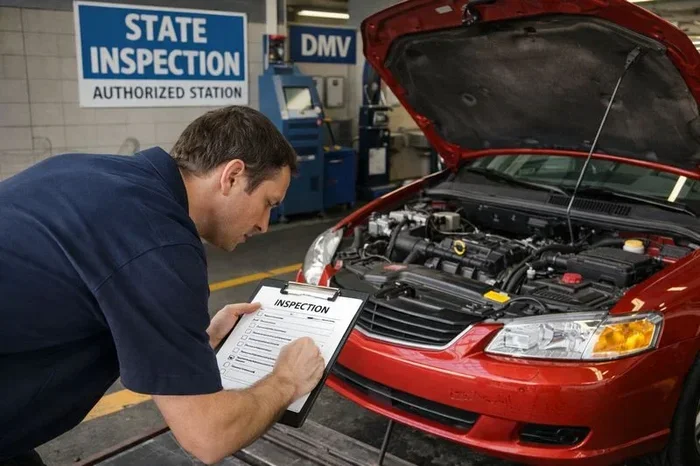
To get a rebuilt title, the owner must repair the vehicle completely. Then they take it to a state inspection station. The inspector checks the frame, brakes, lights, and safety systems. If the car passes, the DMV issues a rebuilt title. This title proves the car is roadworthy again. However, some states require a rebuilt vehicle to be inspected every year for a set period.
The salvage title meaning does not disappear after a rebuild. The vehicle’s history report will always show it was once a salvage title car. This history can affect resale value and buyer trust. Some people buy salvage cars to part them out for profit. Others buy them to restore as a hobby project. Either way, you need to understand the commitment.
Safety Considerations and Inspections
Safety is the biggest concern with a salvage vehicle. A car that was in a serious crash might have hidden structural damage. Even if it passes inspection, the frame might not be as strong as before. Flood-damaged cars can develop electrical problems that cause fires. You should always have a trusted mechanic inspect a salvage title car before you drive it.
Never buy a salvage car without a test drive and a professional inspection. Look for signs of poor repairs. Check if the airbags were replaced. Verify the odometer reading matches the damage level. A low-mileage car with a salvage title might have a rolled-back odometer. These steps protect you from buying a dangerous vehicle.
Insurance and Financing Challenges
Getting Coverage for a Salvage Title Vehicle
Insuring a salvage title car is tricky. Many standard insurance companies will not cover a salvage or rebuilt title vehicle. Those that do often offer only liability coverage. They might not provide collision or comprehensive coverage. This means if the car gets damaged again, the insurer won’t pay for repairs. You would be fully responsible for the cost.
The salvage title meaning affects your insurance rates too. Insurers see a salvage title as a higher risk. They may charge more for liability coverage. Some companies specialize in salvage title insurance, but their rates are often higher. You should always get quotes before you buy a salvage car. Make sure you can afford the coverage you need.
Loan Options and Interest Rates
Financing a salvage title car is much harder than financing a clean title car. Most banks and credit unions refuse to lend money for a salvage title vehicle. They consider it a poor collateral investment. If you can find a lender, expect a much higher interest rate. The loan term might be shorter too. This means higher monthly payments.
Some buyers pay cash for salvage cars to avoid financing issues. If you need a loan, look for specialty lenders who work with salvage title buyers. Read the fine print carefully. Watch out for predatory loans with very high APRs. A salvage title car is already a risky investment. Adding expensive debt makes it riskier.
How to Check a Vehicle’s Title History Before Buying
Free and Paid Tools for Title Checks
Before you buy any used car, check its title history. You can start with free tools like the National Motor Vehicle Title Information System (NMVTIS). This government database shows title brands and odometer readings. Paid services like Carfax and AutoCheck give more detailed reports. They show accident history, service records, and title changes.
Always run a VIN check. The Vehicle Identification Number is on the dashboard and the driver’s side door jamb. Enter the VIN into the tool and review the results. Look for the word “salvage” or “total loss” in the title history. If the report shows a salvage title, investigate further. Ask the seller for repair invoices and inspection records.
Red Flags to Watch For
- The seller refuses to provide a VIN or title document.
- The car has a rebuilt title but no inspection records.
- The price is far below market value for the same model.
- The paint matches perfectly on all panels, suggesting a full repaint after damage.
- The odometer reading seems too low for the car’s age.
These red flags don’t guarantee a bad car, but they warrant caution. A salvage title car can be a good deal if it’s honest and well repaired. But hidden problems can cost you thousands in repairs.
Common Mistakes Buyers Make
Many buyers fall in love with a low price and ignore the salvage title. They skip the VIN check or the mechanic inspection. They assume the car is safe because it runs fine today. Others buy a salvage car without understanding insurance limitations. They get into an accident and find out their policy won’t cover the damage. Always do your homework before you sign the paperwork.
Another common mistake is confusing a salvage title with a rebuilt title. A salvage title means the car is not yet roadworthy. A rebuilt title means it has passed inspection. Make sure you know which title the car has. Ask to see the actual title document, not just a copy of the report.
Expert Insights: What Mechanics Look For
Experienced mechanics look for specific signs when inspecting a salvage title car. They check the frame for straightness using a measuring machine. They look for fresh weld marks that indicate frame repair. They inspect the undercarriage for rust or flood residue. They test all electrical systems, including power windows, locks, and sensors. A mechanic can often tell if a car was rebuilt properly or just patched up.
Ask the mechanic to check the structural integrity first. If the frame is bent, the car might not be safe even if it drives okay. They should also check for proper airbag deployment. Missing or replaced airbags are a serious safety concern. A thorough inspection gives you peace of mind. It can save you from buying a dangerous salvage title car.
Conclusion
The salvage title meaning is a clear warning that a vehicle has a history of significant damage. It does not automatically mean the car is unsafe or not worth buying. But it does mean you need to do extra homework. Always get a full history report, have a mechanic inspect the car, and understand the insurance and financing limits. A salvage title car can be a smart buy for a knowledgeable buyer who takes the right precautions.
Whether you are looking for a cheap project car or a daily driver, the salvage title meaning should guide your decision. Never rush into a purchase just because the price is low. Take your time, ask questions, and protect yourself. A salvage title car can serve you well if you know exactly what you are getting. Use the tips in this guide to make a confident, informed choice.
Frequently Asked Questions
What exactly does salvage title mean?
A salvage title means an insurance company declared the vehicle a total loss. The damage was so severe that repairs would cost more than the car’s value. The title brand stays with the vehicle permanently, signaling a history of major damage or loss.
Can I drive a salvage title car on the road?
You cannot drive a car with a salvage title on public roads. It must be repaired and pass a state inspection to receive a rebuilt title. Until then, the vehicle is only legal for transport to a repair shop or auction.
Is a salvage title car worth buying?
It can be worth it if you find a fair price and the car has been properly repaired. Salvage title cars are usually 20% to 40% cheaper than clean title cars. But you must factor in repair costs, insurance challenges, and lower resale value.
How does a salvage title affect insurance?
Insurance for a salvage title car is often limited. Many companies only offer liability coverage. Comprehensive and collision coverage may be unavailable or very expensive. Always get insurance quotes before you buy a salvage vehicle.
What is the difference between a salvage title and a rebuilt title?
A salvage title means the car was totaled and not yet repaired. A rebuilt title means the car has been fixed and passed a state inspection. Both titles carry a permanent record of the vehicle’s damage history.
Will a salvage title car pass a safety inspection?
A salvage title car cannot pass a safety inspection until it is repaired and rebranded as rebuilt. The inspection checks frame integrity, brakes, lights, and emissions. A professional mechanic can help you understand if the car will pass before you buy it.



