
The lms meaning text can refer to two very different things depending on the context. In casual texting, LMS stands for “Let Me Start” or “Like My Status,” while in education it means Learning Management System. This guide covers both meanings thoroughly with practical examples, platform recommendations, and tips to help you communicate and learn more effectively.
Have you ever been texting with friends and suddenly seen the letters LMS pop up on your screen? Maybe you were scrolling through a group chat, or perhaps you saw it on an online course website. The lms meaning text can be confusing because it means very different things depending on where you see it.
In casual texting, LMS usually stands for “Let Me Start” or “Like My Status.” But in the world of education and technology, LMS means Learning Management System. Both meanings are widely used today, and understanding them helps you communicate better and learn more effectively.
This guide breaks down both meanings of lms meaning text in a simple and clear way. You will learn what LMS stands for in text messages, what a Learning Management System does, and how to choose the right platform for your needs. We also cover common mistakes and practical tips you can use right away.
Whether you are a student, a teacher, or just someone who texts a lot, this article has something for you. Let us dive in and explore the full picture of what LMS means in different contexts.
Key Takeaways
- Dual Meaning: LMS in text messages means “Let Me Start” or “Like My Status,” while in education it stands for “Learning Management System.”
- Widely Used Abbreviation: LMS is one of the most common text message abbreviations in casual digital communication and a cornerstone of education technology.
- Popular Platforms: Moodle, Canvas, Blackboard, Google Classroom, and TalentLMS are among the top LMS software options available today.
- Key Features Matter: Look for content delivery, assessment tools, communication features, progress tracking, and mobile access when choosing a learning platform.
- Avoid Common Mistakes: Confusing the two meanings, overusing slang, and skipping training are frequent errors that can be easily avoided.
- Context Is Everything: Always consider your audience and setting when using LMS, whether in a group chat or an academic environment.
- Start Free, Scale Up: Many excellent free LMS platforms exist for beginners, with paid options available as your needs grow.
📑 Table of Contents
What Does LMS Mean in Text Messages?
The LMS abbreviation has become a staple of modern digital communication. When you see LMS in a text message, it most often means “Let Me Start.” People use this shorthand to kick off a conversation or to signal that they are about to share something important. For example, a friend might text, “LMS tell you what happened today,” meaning “Let Me Start telling you what happened today.”
Another common text message abbreviation for LMS is “Like My Status.” This usage is popular on social media and in group chats. Someone might post a photo and add “LMS” to encourage others to like their status update. It is a quick and easy way to get engagement without typing out the full phrase.
Understanding LMS in Casual Conversations
The beauty of text slang like LMS is that it saves time and keystrokes. In fast-paced conversations, nobody wants to type out long phrases. Short forms like LMS make chatting quicker and more fun. They also help people feel like they are part of an inside group that understands the shorthand.
However, context matters a lot. The same three letters can mean completely different things depending on who is texting and where the conversation is happening. Always pay attention to the surrounding messages to understand the intended meaning. If a friend texts “LMS” right after you post a photo, they probably mean “Like My Status.” If they text it before sharing news, they likely mean “Let Me Start.”
LMS vs Other Common Text Abbreviations
There are many abbreviations used in messaging abbreviation culture. Some of the most popular ones include LOL, BRB, and TTYL. LMS fits right into this family of short forms that make digital communication faster and more efficient.
What makes LMS unique is that it has multiple meanings. Unlike some abbreviations that have just one fixed definition, LMS can mean “Let Me Start,” “Like My Status,” or even something else entirely depending on the conversation. This flexibility is part of what makes text slang so dynamic and interesting.
Here are some other common abbreviations you might see alongside LMS in your chats:
- LOL – Laughing Out Loud
- BRB – Be Right Back
- TTYL – Talk To You Later
- IMO – In My Opinion
- TBH – To Be Honest
- SMH – Shaking My Head
- GTG – Got To Go
Each of these serves a specific purpose in digital conversations. LMS is particularly useful when you want to introduce a new topic or when you are asking for engagement on a post. Understanding these abbreviations helps you keep up with modern communication styles and stay connected with friends and peers.
What Is an LMS in Online Learning?
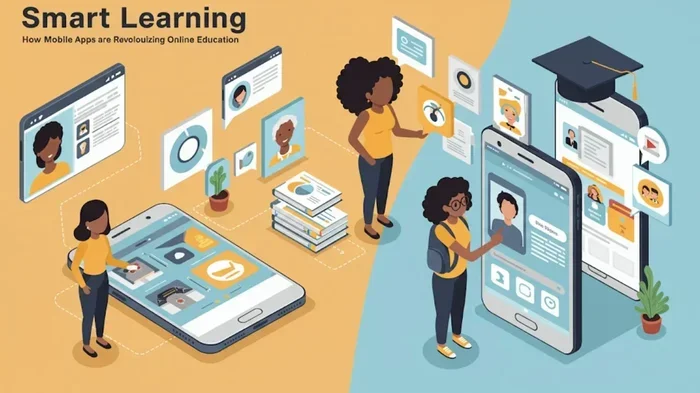
In the world of online education, LMS stands for Learning Management System. A learning management system is a software application that helps organizations create, deliver, and manage educational courses. It serves as a central hub where teachers and students can interact, share materials, and track progress all in one place.
Think of an LMS as a digital classroom. It brings together everything needed for learning in one convenient platform. Teachers can upload lesson plans, assignments, and videos. Students can access these materials anytime, from anywhere with an internet connection. This flexibility is one of the biggest advantages of e-learning platforms and has transformed how people around the world access education.
How Learning Management Systems Work
Most LMS platforms include tools for grading, attendance tracking, and communication. Teachers can create quizzes, manage course management tasks, and provide feedback directly within the system. Students can submit assignments, participate in discussions, and monitor their own progress through a student portal.
The LMS full form — Learning Management System — captures exactly what these platforms do. They manage the learning process from start to finish. They handle the logistics so that educators can focus on teaching and students can focus on learning. This division of responsibilities makes education more efficient for everyone involved.
Many LMS platforms also support virtual classroom features. This means live sessions, real-time collaboration, and interactive whiteboards. These tools bring the feel of a physical classroom into the digital space. That is especially valuable for remote learning and hybrid education models that have become increasingly popular.
Key Features of LMS Platforms
Not all LMS platforms are the same, but most share a core set of features. These features make online learning possible and effective. Here are the key components you should look for in any quality learning platform:
- Content Delivery: The ability to upload and organize course materials like videos, documents, and presentations in a structured way.
- Assessment Tools: Quizzes, tests, and assignment submission features that make grading easier and more consistent for teachers.
- Communication Tools: Forums, messaging, and video conferencing that connect teachers and students in real time.
- Progress Tracking: Dashboards that show how students are performing and where they might need extra help.
- Mobile Access: Apps or responsive design that lets learners access courses from any device, anywhere.
- Certification: The ability to issue certificates or completion badges for finished courses and modules.
These features work together to create a digital classroom experience. A good learning platform should feel intuitive and easy to navigate. When the technology works well, it becomes invisible, and learners can focus on the actual content rather than struggling with the tools.
Why Do People Use LMS in Casual Chats?
The Dual Meaning of LMS
One of the most interesting things about the LMS abbreviation is that it has two completely different meanings. In text messages, it means “Let Me Start” or “Like My Status.” In education technology, it means “Learning Management System.” This dual meaning can cause confusion, especially for people who are new to either world.
The reason LMS works so well as text slang is that it is short, easy to type, and memorable. Three letters can carry a lot of meaning when the context is clear. In a group chat about plans for the weekend, “LMS” almost certainly means “Let Me Start.” On a university website, it definitely means “Learning Management System.”
Understanding both meanings makes you a more versatile communicator. You will not get confused when you see LMS in different settings. You will also be able to use it correctly yourself, which makes your digital communication more effective and helps you connect better with people in different communities.
When to Use LMS in Texting
So when should you actually use LMS in a text message? Here are some common scenarios where it fits naturally:
- You want to start telling a story or sharing news: “LMS tell you about my weekend plans.”
- You posted something on social media and want likes: “Check out my new profile pic, LMS!”
- You are beginning a group project discussion: “LMS brainstorm some ideas for the presentation.”
- You want to share your current mood or activity: “LMS, I am watching a great movie right now.”
In each of these cases, LMS acts as a quick and casual way to transition into a new topic or request engagement. It is part of the natural rhythm of digital communication. Using it appropriately shows that you understand modern communication platform norms and digital culture.
However, there is a time and place for this kind of shorthand. In formal emails or professional messages, it is best to write out the full phrase. Save LMS for casual conversations with friends and peers where the tone is relaxed and informal. Knowing when to use abbreviations and when to avoid them is an important communication skill.
Popular LMS Platforms for Online Education
Top LMS Software Options
The education technology industry has grown rapidly in recent years. As a result, there are now many excellent LMS platforms to choose from. Each one offers different features, pricing, and strengths. Here are some of the most popular options that dominate the online learning platform market:
- Moodle: An open-source platform that is free to use and highly customizable. It is popular among schools and universities worldwide because of its flexibility and large community of developers.
- Canvas: Known for its clean interface and user-friendly design. Many colleges and universities use Canvas for their online courses because it is intuitive and reliable.
- Blackboard: A well-established platform used by many higher education institutions. It offers robust features for large-scale deployments and enterprise-level needs.
- Google Classroom: A free and simple tool that integrates seamlessly with Google Workspace. It is great for K-12 teachers and students who already use Google products.
- Schoology: A balanced platform that works well for both schools and businesses. It offers strong collaboration tools and a modern interface.
- TalentLMS: A cloud-based solution designed for corporate training and smaller organizations. It is easy to set up and use, making it ideal for quick deployment.
Each of these LMS software options has its own strengths and weaknesses. The best choice depends on your specific needs, budget, and technical expertise. A K-12 teacher might prefer Google Classroom, while a university professor might lean toward Canvas or Moodle. A corporate trainer might find TalentLMS to be the perfect fit.
Free vs Paid LMS Solutions
When choosing an online learning platform, one of the first decisions is whether to go free or paid. Free LMS options like Moodle and Google Classroom are excellent for getting started. They offer solid core features without any cost, making them accessible to teachers and learners with limited budgets.
However, paid platforms often provide more advanced features, better support, and greater customization options. If you are running a business training program or a large-scale academic course, the investment in a paid LMS app can be well worth it. The extra features can save time, improve engagement, and deliver better results.
Here is a quick comparison to help you decide between free and paid options:
- Free LMS: Moodle (open-source), Google Classroom, Canvas Free Tier. Best for small classes, individual learners, and those just getting started with online education.
- Paid LMS: Canvas (paid plans), Blackboard, Schoology, TalentLMS. Best for organizations that need advanced features, dedicated support, and enterprise-level capabilities.
The right choice depends on your goals and resources. If you are just experimenting with online education, start with a free option. You can always upgrade later as your needs grow and you discover what features matter most to you.
How to Choose the Right LMS Software
Factors to Consider
Choosing the right learning management system can feel overwhelming at first. There are so many options, and each one seems to offer something different. But if you focus on a few key factors, the decision becomes much clearer and less stressful.
First, think about your audience. Are you teaching K-12 students, college students, or adult learners in a corporate setting? Different groups have different needs. Younger students might need a simpler interface, while professionals might want advanced analytics and detailed reporting features.
Second, consider your budget carefully. Free platforms can do a lot, but they may lack certain advanced features. Paid platforms offer more but require a financial investment. Be honest about what you can afford and what you actually need. Sometimes a mid-range option gives you the best value.
Third, think about ease of use. The best LMS software in the world is useless if nobody knows how to use it. Look for platforms with intuitive interfaces and good onboarding support. You want something that both teachers and students can navigate without frustration or confusion.
Fourth, check for integration capabilities. Your LMS should work well with other tools you already use every day. Can it connect with your email system, video conferencing tool, or student information system? Seamless integration saves time and reduces headaches for everyone involved.
Quick Tips for Selection
Here are some practical tips to help you choose the right platform for your online learning needs:
- Start with a free trial or free tier before committing to a paid plan. Test the features hands-on.
- Read reviews from other educators and trainers in your specific field or industry.
- Test the mobile experience thoroughly, since many learners access courses from their phones and tablets.
- Check if the platform supports the types of content you want to create, such as video, quizzes, and interactive lessons.
- Ask for recommendations from colleagues or peers who already use an LMS in their work.
- Consider scalability — will the platform grow with your needs over time as your audience expands?
Taking the time to evaluate your options carefully pays off in the long run. The right LMS platform can transform how you deliver and experience education. It makes learning more organized, more accessible, and more engaging for everyone involved. Do not rush the decision — your future self will thank you.
Common LMS Abbreviation Mistakes and How to Avoid Them
With any abbreviation, mistakes can happen. Here are some common errors people make when using LMS, and simple ways to avoid them:
- Confusing the two meanings: Using LMS to mean “Learning Management System” in a casual text conversation can confuse your friends. Always consider your audience and context before using the abbreviation.
- Overusing slang: While LMS is handy, using too many abbreviations can make your messages hard to understand. Balance shorthand with clear, full sentences for better communication.
- Ignoring platform differences: Not all LMS platforms are created equal. Assuming that every Learning Management System works the same way can lead to frustration. Take time to learn the specific features of your chosen platform.
- Skipping training: If you are adopting an LMS for a school or business, do not skip the training phase. Proper onboarding ensures everyone can use the system effectively and confidently.
- Ignoring mobile access: Many learners access courses from their phones and tablets. If your chosen platform does not work well on mobile devices, you are unnecessarily limiting your audience.
By being aware of these common pitfalls, you can make smarter choices. Whether you are texting with friends or setting up a digital classroom, understanding the full picture of LMS helps you communicate and learn more effectively. Small mistakes can lead to big misunderstandings, so stay mindful and keep learning.
The lms meaning text may seem simple on the surface, but it opens up a world of possibilities once you understand both meanings. In casual texting, LMS is a quick and convenient way to say “Let Me Start” or “Like My Status.” It fits naturally into the fast-paced world of digital communication and text slang.
In the world of online education, LMS stands for Learning Management System, a powerful tool that transforms how courses are created, delivered, and managed. From Moodle to Canvas, these platforms have made e-learning accessible to millions of people around the world. The education technology landscape continues to evolve, and LMS platforms are at the heart of that evolution.
Whether you are navigating LMS texting with friends or exploring a digital classroom for the first time, understanding what LMS means in each context is essential. The right knowledge helps you communicate clearly, learn more effectively, and make the most of modern technology. Do not let abbreviations intimidate you — embrace them and use them with confidence.
Now that you understand the full lms meaning text in both casual and educational settings, you are better equipped to use it correctly and confidently. Keep exploring, keep learning, and keep communicating. The world of digital communication and online education is waiting for you, and you are now ready to navigate it with ease.
Frequently Asked Questions
What does LMS mean in a text message?
In a text message, LMS most commonly means “Let Me Start” or “Like My Status.” It is a popular piece of text slang used in casual conversations and on social media to introduce a topic or ask for engagement on a post.
What is an LMS in online learning?
In online learning, LMS stands for Learning Management System. It is a software platform used by schools, universities, and businesses to create, deliver, and manage educational courses and training programs digitally.
How do I know which meaning of LMS to use?
Context is the key factor. If you are texting friends or chatting on social media, LMS likely means “Let Me Start” or “Like My Status.” If you are on an educational website or discussing coursework, it means “Learning Management System.”
Which LMS platform is best for beginners?
Google Classroom and Moodle are excellent choices for beginners. Google Classroom is free and simple, while Moodle is open-source and highly customizable. Both are great starting points for exploring online education.
Can LMS be used in professional communication?
In professional settings, it is best to write out “Learning Management System” rather than using the abbreviation LMS. Reserve the shorthand for casual texting and informal conversations where everyone understands the context.
Are there free LMS options available?
Yes, several free LMS options exist, including Moodle, Google Classroom, and the free tier of Canvas. These platforms offer solid core features at no cost, making them ideal for individuals and small organizations starting with e-learning.