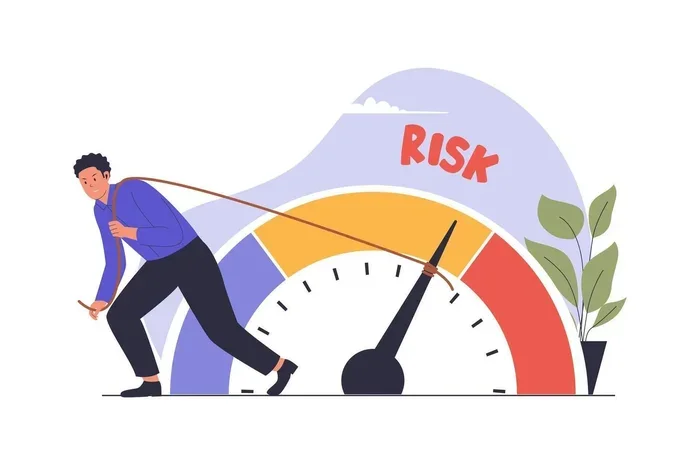

The mitigate meaning is simple: it means to make something less severe, serious, or painful. Whether you are writing an email, a report, or just talking with friends, knowing how to use this word correctly makes your language stronger and clearer. This guide breaks down the real mitigate meaning, gives you practical examples, and shows you the most common mistakes to avoid.
Have you ever read a sentence and thought, “What does mitigate mean, really?” You are not alone. This word pops up in news articles, workplace emails, and even casual conversations. But many people are not entirely sure what it means or how to use it correctly.
The mitigate meaning is actually quite straightforward once you break it down. At its core, to mitigate means to make something less severe, less painful, or less serious. It is a powerful word that helps you express the idea of reducing the intensity of a problem. Whether you are a student writing an essay, a professional drafting a report, or just someone who wants to sound more confident in conversation, understanding this word opens up new ways to communicate clearly.
In this guide, we will explore the mitigate meaning in depth. You will learn where the word comes from, how to use it in real sentences, and the common pitfalls that trip up even native English speakers. By the end, you will feel confident using this word in any context.
Key Takeaways
- Mitigate means to reduce severity: The core mitigate meaning is to make a problem, situation, or feeling less intense or serious.
- It comes from Latin roots: The word traces back to “mitigare,” which means to soften or make gentle.
- It is not a synonym for “prevent”: A common mistake is using “mitigate” when you mean “stop something entirely.” Mitigate reduces, it does not eliminate.
- Use it in many contexts: From climate change to workplace safety, the word fits in professional writing, academic papers, and daily conversation.
- Pair it with strong nouns: Words like “risk,” “damage,” “impact,” and “severity” work best after “mitigate.”
- Avoid overusing it: Using “mitigate” too often in one piece of writing can make it feel repetitive and unnatural.
- Practice makes perfect: The more you write and speak using this word, the more natural it will feel.
📑 Table of Contents
- What Does Mitigate Mean? The Simple Definition
- How to Use Mitigate in Everyday Sentences
- Mitigate vs. Similar Words: What Is the Difference?
- Common Mistakes People Make with Mitigate
- When and Where to Use Mitigate in Professional Writing
- Expert Tips for Mastering the Word Mitigate
- Why Understanding Mitigate Meaning Matters
What Does Mitigate Mean? The Simple Definition
The dictionary definition of mitigate is to make a situation less harsh, serious, or painful. When you mitigate something, you are taking action to reduce its negative effects. Think of it like putting a bandage on a wound. The wound is still there, but the bandage helps ease the pain and prevent it from getting worse. That is what mitigating does.
The Core Meaning of Mitigate
The mitigate meaning centers on the idea of softening. When you mitigate a problem, you do not erase it. You make it more manageable. For example, if a storm damages your roof, you cannot undo the storm. But you can mitigate the damage by covering the hole with a tarp. You are reducing the severity of the situation.
Here are a few everyday ways to think about the word:
- Reduce severity: Taking medicine to mitigate a headache means the headache becomes less intense.
- Lessen the blow: Wearing a seatbelt mitigates the risk of serious injury in a car accident.
- Ease the burden: A strong team can mitigate the workload during a busy season at work.
- Tone down the impact: Planting trees can mitigate the effects of pollution in a city.
Notice how each of these examples uses the word to show a reduction in something bad. The problem still exists, but it becomes smaller or easier to handle.
Where Does the Word Mitigate Come From?
Understanding the origin of a word can make it easier to remember its meaning. The word “mitigate” comes from the Latin word “mitigare,” which means to soften or make gentle. The root “mitis” in Latin means mild or soft. So when you mitigate something, you are literally softening its effect.
This Latin connection helps explain why the word carries such a strong sense of reducing harshness. The word has been used in English since the 15th century. Over the centuries, it has become a staple in formal writing, legal documents, and everyday speech.
How to Use Mitigate in Everyday Sentences
Now that you understand the basic mitigate meaning, let us look at how to use it in real life. The word works in many different situations, from personal conversations to professional settings.
Using Mitigate in Personal Conversations
You do not need to be in a boardroom to use this word. Here are some natural ways to include it in daily talk:
- “I took an aspirin to mitigate the pain in my back.”
- “Wearing sunscreen helps mitigate the harmful effects of the sun.”
- “Talking it out helped mitigate the tension between us.”
- “The new policy was designed to mitigate traffic congestion in the neighborhood.”
As you can see, the word fits naturally in casual speech. It sounds polished without being overly formal.
Using Mitigate in Professional and Academic Writing
In professional settings, “mitigate” is especially popular. It shows up in business reports, legal language, and academic papers. Here are some examples:
- Risk management: “The company implemented new safety protocols to mitigate workplace hazards.”
- Environmental science: “Reforestation efforts help mitigate the effects of climate change.”
- Healthcare: “Early treatment can mitigate the severity of the symptoms.”
- Finance: “Diversifying your portfolio can mitigate financial risk during market downturns.”
- Engineering: “The engineers designed a drainage system to mitigate flood damage.”
In each of these examples, the word is paired with a noun that describes something negative. The action of mitigating makes that negative thing less severe. This pattern is very common and very useful to remember.
Quick Tips for Using Mitigate Correctly
Here are some simple tips to keep in mind when you use this word:
- Always pair it with something negative. You mitigate problems, risks, pain, damage, or threats. You do not mitigate good things.
- Use it to show action. Mitigating means you are doing something about a problem, not just noticing it.
- Keep your sentences clear. The word works best when the reader or listener knows exactly what you are reducing.
- Avoid repeating it too often. If you use “mitigate” five times in one paragraph, it starts to feel heavy. Mix in synonyms like “reduce,” “alleviate,” or “ease” to keep your writing fresh.
Mitigate vs. Similar Words: What Is the Difference?
One of the best ways to truly understand the mitigate meaning is to compare it with words that sound similar but mean different things. English has many words that overlap in meaning, and “mitigate” is no exception.
Mitigate vs. Alleviate
Both words mean to make something less severe. However, “alleviate” often refers to relieving pain or discomfort, while “mitigate” focuses more on reducing the overall impact or seriousness of a situation. You might alleviate a headache, but you mitigate the damage from a storm.
Mitigate vs. Lessen
“Lessen” is a simpler, more general word. You can lessen the weight of a backpack or lessen your worries. “Mitigate” carries a stronger sense of deliberate action. When you mitigate something, you are taking specific steps to reduce its negative effects.
Mitigate vs. Prevent
This is one of the most important distinctions. “Prevent” means to stop something from happening altogether. “Mitigate” means to reduce the impact of something that is already happening or could happen. You can prevent a fire by installing smoke alarms. You can mitigate a fire by having a sprinkler system that limits the spread.
| Word | Meaning | Example |
|---|---|---|
| Mitigate | Reduce the severity of something | We installed barriers to mitigate flood damage. |
| Alleviate | Relieve pain or discomfort | The medication helped alleviate her symptoms. |
| Lessen | Make something smaller or weaker | Exercise can lessen feelings of stress. |
| Prevent | Stop something from happening | Washing your hands prevents the spread of germs. |
Understanding these differences helps you choose the right word for the right situation. It also strengthens your overall command of the English language.
Common Mistakes People Make with Mitigate
Even confident writers sometimes misuse “mitigate.” Let us look at the most common mistakes and how to avoid them.
Mistake 1: Using It as a Synonym for “Stop”
The biggest error people make is treating “mitigate” as if it means “to stop completely.” It does not. Mitigating reduces the intensity of a problem; it does not remove the problem entirely. Saying “We mitigated the risk of rain” is incorrect if you actually prevented the rain. The correct phrasing would be “We mitigated the impact of the rain by bringing umbrellas.”
Mistake 2: Pairing It with the Wrong Nouns
You mitigate negative things, not positive ones. You would not say “The bonus mitigated our happiness.” That makes no sense. Instead, you would say “The bonus mitigated the financial stress we were feeling.” Always make sure the noun you pair with “mitigate” is something that can be reduced in severity.
Mistake 3: Overcomplicating Simple Ideas
Sometimes people use “mitigate” when a simpler word like “reduce” or “ease” would work just as well. Using big words unnecessarily can make your writing feel forced. If “reduce” says what you mean just as clearly, go with “reduce.” Reserve “mitigate” for situations where you want to emphasize the deliberate effort to reduce harm or severity.
Mistake 4: Forgetting That Mitigating Requires Action
Mitigating is an active process. It implies that someone or something is taking steps to lessen the impact. You cannot passively mitigate. For example, “The rain mitigated our plans” is incorrect because the rain did not take action to reduce anything. A better sentence would be, “We adjusted our schedule to mitigate the effects of the rain.”
Mistake 5: Confusing Mitigate with Mollify
“Mollify” means to calm someone down or soothe their feelings. “Mitigate” is about reducing the scale or intensity of a situation, not about calming emotions. You mollify an angry customer, but you mitigate the damage caused by a product recall.
When and Where to Use Mitigate in Professional Writing
The word “mitigate” is especially common in certain fields and types of writing. Knowing when to use it can make your professional communication more effective and polished.
In Business and Corporate Reports
Business writers use “mitigate” frequently when discussing risks and strategies. Phrases like “mitigate risk,” “mitigate losses,” and “mitigate threats” appear regularly in corporate documents. The word signals that a company is taking proactive steps to manage challenges.
For example, a company might write: “Our new cybersecurity measures are designed to mitigate the risk of data breaches.” This sentence clearly communicates that the company is not eliminating all risk, which is impossible, but is taking steps to reduce it significantly.
In Legal Documents
Lawyers and legal writers use “mitigate” to describe the duty to reduce harm. In contract law, there is often a “duty to mitigate,” which means one party must take reasonable steps to reduce damages after a breach. Understanding the mitigate meaning in this context is essential for anyone working in law or dealing with legal matters.
In Environmental and Scientific Writing
Scientists and environmentalists use “mitigate” when discussing efforts to reduce the impact of climate change, pollution, or habitat loss. The phrase “climate mitigation” is widely used in this field. For instance, “Carbon capture technology can help mitigate greenhouse gas emissions” is a common statement in environmental reports.
In Healthcare and Safety Writing
Healthcare professionals use “mitigate” to describe actions that reduce the severity of a condition or the risk of injury. You might see sentences like “Wearing protective gear mitigates the risk of workplace injuries” or “Early intervention can mitigate the progression of the disease.”
In Everyday Professional Communication
Even if you are not a lawyer, scientist, or doctor, you can use “mitigate” in your regular work emails and messages. It adds a touch of professionalism and clarity. For instance, “Let us schedule a meeting to mitigate any confusion about the project timeline” sounds polished and direct.
Expert Tips for Mastering the Word Mitigate
Want to sound even more confident when you use this word? Here are some expert-level tips that will help you integrate it naturally into your writing and speech.
Read Widely to See How Others Use It
The best way to learn how to use any word well is to see it used by skilled writers. Read newspapers, academic journals, and long-form articles. Pay attention to how “mitigate” appears in different contexts. Over time, you will develop an instinct for when the word fits and when it does not.
Practice Writing Sentences
Try writing five original sentences using the word each day. Vary the nouns you pair with it. Mix formal and informal settings. This practice builds muscle memory and helps the word feel natural.
Use It in Conversations
Do not limit yourself to writing. Start using “mitigate” in your daily conversations. The more you say it out loud, the more comfortable you will become with its rhythm and sound.
Keep a Personal Word Bank
Create a small list of words related to “mitigate.” Include words like “alleviate,” “reduce,” “ease,” “soften,” and “dampen.” Having a personal word bank helps you choose the best word for each situation and keeps your writing varied and engaging.
Ask for Feedback
If you are unsure whether you are using the word correctly, ask a friend, colleague, or teacher to review your writing. A fresh pair of eyes can catch mistakes you might have missed.
Why Understanding Mitigate Meaning Matters
Words carry power. When you use the right word in the right place, your communication becomes clearer, more persuasive, and more professional. Understanding the mitigate meaning gives you a precise tool for expressing the idea of reducing harm, easing pain, or lessening the impact of a difficult situation.
Whether you are writing a college paper, a business proposal, or a simple email to a friend, knowing how to use “mitigate” correctly sets you apart. It shows that you think carefully about your word choices and that you respect your reader’s intelligence.
The mitigate meaning boils down to one simple idea: make it less bad. Keep that in mind every time you reach for this word, and you will use it correctly almost every time.
So go ahead. Use “mitigate” in your next piece of writing. Start with one sentence. Then another. Before long, it will feel like second nature. And your communication will be stronger for it.
Frequently Asked Questions
What is the basic mitigate meaning in simple words?
In simple terms, to mitigate means to make something less severe or serious. It is about reducing the negative impact of a problem, not eliminating the problem entirely. Think of it as turning down the volume on a difficult situation.
Can you use mitigate in casual conversation?
Yes, absolutely. While the word is common in professional and academic writing, it works perfectly well in everyday conversations. Just use it naturally and make sure the context makes it clear that you are talking about reducing something negative.
Is mitigate the same as prevent?
No. Prevent means to stop something from happening. Mitigate means to reduce the harm or severity of something that is happening or could happen. For example, you can prevent a fire by removing fuel sources, but you mitigate a fire by using sprinklers to limit its spread.
What nouns work best with the word mitigate?
The most common and effective pairings include risk, damage, impact, severity, effects, threat, harm, pain, and burden. Always make sure the noun describes something negative that can be made less intense.
How can I remember the meaning of mitigate easily?
Think of the word “mild.” Mitigate comes from the same Latin root meaning “soft” or “mild.” When you mitigate something, you are making it milder or gentler. That mental connection can help you recall the word quickly.
Are there any situations where I should avoid using mitigate?
Avoid using “mitigate” when you mean “prevent” or “stop.” Also, do not use it with positive things. You cannot mitigate happiness or success. The word is specifically for reducing negative outcomes, so make sure your context matches that meaning.
=== CONCLUSION ===
The mitigate meaning is clear and powerful: to reduce the severity, intensity, or impact of something negative. It is a word that works across every context, from casual chats to formal reports, and mastering it will make your communication more precise and confident.
Remember the key points we covered. Mitigate means to soften the blow, not to stop it entirely. Always pair it with negative nouns like risk, damage, or threat. Avoid the common mistake of confusing it with “prevent.” And practice using it regularly to build natural fluency.
Now that you understand the real mitigate meaning, put it to work. Use it in your next email, your next essay, or your next conversation. The more you use it, the more natural it will feel. And the clearer your communication will become. Start today, and watch how this one word transforms the way you express yourself.



