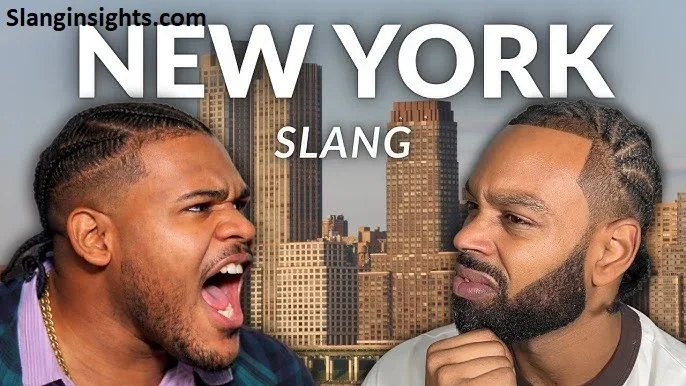

The opp meaning in slang refers to an opponent, enemy, or rival, and it has become one of the most popular slang terms in modern conversation. Originally rooted in street and rap culture, the word opp has spread across social media, texting, and everyday talk. Understanding opp slang definition helps you keep up with current language trends and follow conversations on platforms like TikTok and Instagram.
If you have been scrolling through social media or listening to rap music lately, you have probably seen or heard the word opp everywhere. The opp meaning slang has taken over conversations, captions, and song lyrics. But what does opp actually mean, and why has it become so popular so fast?
In simple terms, opp is short for opponent. It describes someone you are up against, competing with, or have a conflict with. The term comes from street and hip hop culture, and it has deep roots in rap music and urban slang. Over the past few years, it has jumped from music lyrics into everyday texting, social media posts, and casual conversations.
Whether you are a longtime rap fan or someone who just stumbled across the word on TikTok, understanding the opp definition is essential if you want to keep up with modern slang. This guide breaks down everything you need to know, from the origin of the word to how people use it today. Let us dive in.
Key Takeaways
- Opp means opponent or rival: The core opp meaning slang is someone you are competing against or have a conflict with.
- It originated in street and rap culture: The term grew from hip hop and urban communities before going mainstream.
- Opp is used in many contexts: From music lyrics to text messages, the opp slang term has flexible usage.
- Social media boosted its popularity: TikTok, Twitter, and Instagram helped spread the opp meaning in text to a global audience.
- Context matters when using opp: Knowing when and how to use the word prevents miscommunication.
- Opp is not always negative: It can describe competition in sports, music, or friendly rivalries too.
- Learning slang keeps you connected: Staying updated on terms like opp helps you understand modern conversations and online culture.
📑 Table of Contents
What Does Opp Mean in Slang?
The opp meaning in slang is straightforward at its core. It stands for opponent, which means someone who opposes you or stands against you. But like most slang words, the meaning has evolved and expanded over time. Today, opp can mean different things depending on the situation.
The Basic Opp Slang Definition
At its most basic level, opp meaning in slang is an enemy or rival. If someone calls you an opp, they are saying you are their competitor or adversary. This usage comes straight from the word opponent, which has been part of the English language for centuries. Slang just shortened it to make it quicker and more casual.
Here are some common ways people use the word opp:
- To describe an enemy: “He is my opp.”
- To talk about a rival: “We going up against our opps tonight.”
- To refer to a threat: “Watch out for that opp.”
- In rap battles: “I dissed every opp on this track.”
Opp Meaning in Different Contexts
The opp definition can shift slightly depending on where you hear it. In rap music, opp often refers to someone who disrespects you or tries to steal your shine. In everyday conversation, it can mean a rival in any situation, like sports, school, or work. On social media, people use it to describe anyone who annoys them or disagrees with them.
The beauty of this slang term is its flexibility. You can use it in a serious way when talking about real enemies, or you can use it in a lighter, more playful way when joking around with friends. The opp meaning in text is especially versatile because tone can be hard to read in messages, and context helps clarify what the sender means.
Where Did the Word Opp Come From?
Every slang word has a story, and the opp slang origin is deeply tied to music and street culture. Understanding where the word came from helps you appreciate why it is so widely used today.
The Roots in Hip Hop and Rap
The word opp has been a staple in hip hop slang for decades. Rappers in cities like New York, Chicago, and Atlanta used the term long before it hit the mainstream. In rap music, opp short for opponent and was used to describe rivals in the music scene, street conflicts, and competitive environments.
Early uses of the word can be traced back to the 1990s and early 2000s in underground rap circles. Artists used it in their lyrics to talk about competition, betrayal, and street life. The word fit naturally into rap because it is short, punchy, and easy to rhyme with.
How Opp Spread Beyond Music
As rap music grew in popularity worldwide, the opp abbreviation traveled with it. Listeners who were not even familiar with the genre started picking up the term from song lyrics and social media. By the time platforms like Twitter, Instagram, and TikTok became dominant, opp was already well on its way to becoming a universal slang word.
The opp meaning urban dictionary entries helped solidify the definition for people who were hearing the word for the first time. Urban Dictionary has long been a go-to resource for understanding new slang, and opp quickly became one of the top entries. This further boosted its visibility and usage across different communities and age groups.
Opp Meaning in Music and Pop Culture
Music has always been a driving force behind new slang, and opp is no exception. The opp meaning in rap has been shaped by countless artists who have used the word in their songs. This section explores how music and pop culture have turned opp into a household word.
Opp in Rap and Hip Hop Lyrics
Many famous rappers have used the word opp in their tracks. When a rapper says opp in a song, they are usually talking about rivals, fake friends, or people who have wronged them. The word adds edge and authenticity to lyrics, which is why it has remained so popular in the genre.
Some well-known songs and artists associated with the opp meaning in songs include tracks from drill rap and gangsta rap genres. These subgenres often focus on street life, competition, and real-life struggles, making opp a natural fit for their lyrics. When fans hear opp in a song, they immediately understand the context and emotion behind it.
Opp on Social Media and TikTok
Social media has supercharged the spread of slang, and opp is a perfect example. On TikTok, users create videos using the word opp in captions, sounds, and skits. The platform’s algorithm pushes trending content, so videos featuring opp slang get massive views and help introduce the term to new audiences.
On Twitter and Instagram, people use opp in captions, comments, and direct messages. The opp meaning on social media often leans toward describing someone who annoys you or a rival in a lighthearted way. It has become part of the casual digital language that millions of people use every day without even thinking about it.
How Opp Is Used in Everyday Conversations
Now that you know the opp slang definition and its origins, let us look at how real people use it in daily life. The word has moved far beyond music and social media into regular conversations.
Common Phrases with Opp
Here are some phrases you might hear or see when people use opp in conversation:
- “That person is my opp.”
- “We need to watch our opps in this game.”
- “He tried to opp me last night.”
- “I am not playing with any opps right now.”
- “She called me her opp and I was not even mad.”
Opp in Texting and DMs
The opp meaning in text is slightly different from how it sounds in person. Because texting lacks tone and body language, people often use opp in a more playful or exaggerated way. You might text your friend “my opp stole my lunch” even though it was just a playful joke between buddies.
In direct messages, opp is often used to describe someone who is giving you trouble or being a nuisance. It is a quick, efficient way to label someone without over-explaining the situation. The opp abbreviation works perfectly in texting because it is short and saves characters.
Opp in Casual and Group Settings
When you are hanging out with friends, opp can come up in all kinds of conversations. Maybe you are talking about a sports rival, a coworker who gives you a hard time, or even a friend who keeps borrowing your stuff without asking. In all these cases, calling that person your opp feels natural and relatable.
The word has become so common that many people use it without even realizing they are using slang. It has blended into everyday language, especially among younger generations who grew up hearing it in music and online.
Opp vs. Other Similar Slang Terms
Slang is always evolving, and opp is not the only word used to describe rivals or enemies. Here is how opp compares to other similar terms that you might hear in conversations.
| Term | Meaning | How It Differs from Opp |
|---|---|---|
| Opp | Opponent, rival, or enemy | Broad usage in street, rap, and everyday slang |
| Rival | A competitor | More formal, often used in sports or business |
| Enemy | Someone who hates you | Stronger and more serious than opp |
| Hater | Someone who dislikes you from jealousy | Focuses on negativity rather than competition |
| Bitch (slang) | A rude or disrespectful person | More aggressive and often gender-specific |
| Adversary | A opponent in a conflict | Formal and rarely used in casual talk |
As you can see, opp sits in a unique spot in the slang world. It is less formal than rival or adversary, but less aggressive than enemy or hater. This middle ground is exactly why the opp meaning slang has become so widely accepted and used across different groups of people.
How to Use Opp Correctly and Avoid Mistakes
Using slang correctly is all about context. The opp meaning is pretty flexible, but there are still some rules to keep in mind so you do not accidentally cause confusion or offend someone.
Common Mistakes People Make with Opp
Here are some mistakes to avoid when using the word opp:
- Using it too seriously in casual settings: Calling a coworker your opp in a friendly office environment might come across as aggressive.
- Assuming everyone knows the meaning: Older generations or people outside of urban culture might not understand the opp slang term right away.
- Using it to start drama: Slang should bring people together, not create unnecessary conflict. Using opp to accuse someone of being your enemy can escalate situations fast.
- Overusing it: Like any slang word, using opp too often in every sentence can make your speech feel forced or try-hard.
Quick Tips for Using Opp the Right Way
Follow these simple tips to use opp like a pro:
- Read the room: Make sure the people around you are familiar with the word before dropping it in conversation.
- Keep it light: Use opp in a fun, casual way when chatting with friends.
- Match the tone: If the conversation is serious, a lighter word might work better than opp.
- Watch your audience: On social media, consider who might see your post and whether they will understand the opp meaning in context.
- Stay authentic: Only use slang that feels natural to you. Forced slang always sounds awkward.
Expert Insights on Slang Evolution
Language experts agree that slang words like opp reflect how communities communicate and bond. When a term moves from a specific subculture into mainstream use, it often picks up new meanings and nuances along the way. The opp meaning explained simply is a word that adapts to whatever situation it is used in.
Dr. Lisa Green, a linguist who studies African American English, has noted that slang terms from hip hop culture have a powerful way of entering everyday speech. Words like opp, cap, no cap, and based all started in specific communities before reaching a global audience. This process shows how music and social media shape the way we talk.
Why Opp Has Stayed So Popular
Slang words come and go, but opp has shown real staying power. Why? Because it fills a specific need in language. Sometimes one word is all you need to describe a rival, an enemy, or a competitor. Opp does all of that in a single syllable.
The rise of streaming platforms, social media, and global music sharing has only accelerated the spread of the opp meaning slang. When a song with the word opp goes viral, millions of people hear it within days. That kind of exposure keeps the word alive and relevant, even as new slang terms emerge every month.
Another reason opp has endured is its simplicity. It is easy to say, easy to spell, and easy to understand. Unlike some slang terms that require a whole explanation, opp is immediately clear to most people who have even a basic awareness of modern language trends.
Conclusion
The opp meaning in slang is simple but powerful. It means opponent, rival, or enemy, and it has become one of the most widely used slang terms in modern conversation. From its roots in hip hop and street culture to its current dominance on TikTok and in everyday texting, opp has proven that it is more than just a passing trend.
Now that you understand the opp definition, its origin, and how to use it correctly, you are better equipped to follow conversations both online and offline. Whether you are reading rap lyrics, scrolling through your feed, or chatting with friends, you will know exactly what people mean when they drop the word opp.
Slang is always changing, and that is part of what makes language so exciting. Terms like opp remind us that words are living things. They grow, shift, and adapt to the culture around them. So the next time you hear someone say opp, you will know the full story behind it. Keep learning, keep listening, and stay curious about the words that shape the way we connect.
Frequently Asked Questions
What does opp stand for in slang?
Opp stands for opponent. It is a shortened version of the word opponent and is used to describe a rival, enemy, or someone you are competing against. The opp meaning slang has its roots in hip hop and street culture and is now widely used in everyday conversations and on social media.
Is opp a negative word?
Not necessarily. While opp often describes someone who is against you or a rival, it can also be used in a lighthearted or playful way among friends. The tone and context of the conversation determine whether the word carries a negative or neutral meaning. In most cases, it is used casually without any real malice.
Where did the opp slang term originate?
The word opp originated in hip hop and rap culture, particularly in urban communities across the United States. It was used in rap lyrics during the 1990s and 2000s to describe rivals and opponents. Over time, it spread through music, social media, and everyday conversation to become a mainstream slang term recognized worldwide.
How is opp different from the word enemy?
While both words describe someone who is against you, opp is more casual and slangy. Enemy carries a heavier, more serious tone. Opp is often used in a lighter context and can even be playful. The opp meaning in text is also more flexible, as it can describe a temporary rival or a minor annoyance rather than a deep-seated foe.
Can opp be used in professional settings?
It is best to avoid using opp in professional or formal settings. The word is slang and may not be understood by everyone, especially older colleagues or clients. Stick to more formal language like opponent or rival in work environments to ensure clear communication.
Why is opp so popular on social media?
Opp is popular on social media because it is short, easy to use, and fits naturally into captions, comments, and video content. Platforms like TikTok and Instagram have helped spread the opp meaning slang to millions of users worldwide. Music trends, challenges, and viral content have all contributed to keeping the word in the spotlight.