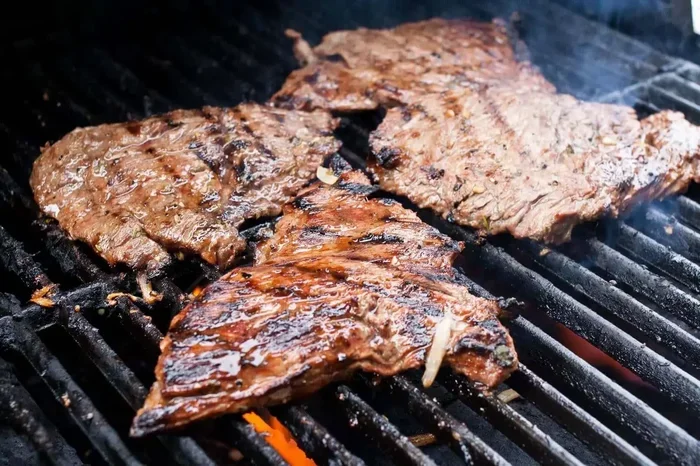

The asada meaning goes far beyond just “grilled meat.” It represents a beloved culinary tradition rooted in Mexican culture that brings people together around the grill. Whether you are new to the term or a longtime fan, understanding the asada meaning helps you appreciate the history, techniques, and flavors behind this iconic dish. This guide covers everything from the word’s origin to practical tips for making authentic asada at home.
Key Takeaways
- Asada meaning: It refers to grilled or roasted meat, deeply tied to Mexican and Latin American food culture.
- Origin matters: The word comes from the Spanish verb “asar,” meaning to roast or grill.
- Popular cuts: Skirt steak and flank steak are the most traditional choices for making asada.
- Marinade is key: A good citrus-based marinade transforms ordinary meat into flavor-packed asada.
- Global appeal: Asada has spread worldwide and now appears on menus in many countries beyond Mexico.
- Common mistake: Overcooking is the #1 error people make when preparing asada at home.
- Versatile dish: Asada works in tacos, burritos, bowls, and as a standalone entrée.
📑 Table of Contents
What Does Asada Mean? The Simple Answer
So, what is the asada meaning exactly? At its core, the word asada comes from the Spanish language. It is the past participle of the verb “asar,” which means to roast or to grill. When you see the word asada on a menu or in a recipe, it is referring to meat that has been cooked over direct heat, usually on a grill or a flat iron surface called a comal.
But the asada meaning is not just about cooking method. It carries cultural weight. In Mexico and across Latin America, the word evokes weekends spent outdoors, family gatherings, and the smoky aroma of meat hitting a hot grill. It is a way of life as much as it is a type of food.
When people ask, “What does asada mean?” they are often looking for more than a dictionary definition. They want to understand the tradition, the flavors, and the experience that come with this beloved dish. That is exactly what this article will explore in depth.
The Spanish Roots of the Word
The Spanish verb “asar” has been used for centuries. It describes any cooking method that uses dry heat. This includes grilling over open flames, roasting in an oven, and even smoking meat slowly. The word asada simply means “roasted” or “grilled” in Spanish. It is a feminine adjective, which is why it pairs with words like “carne” (meat) to form the famous term “carne asada.”
Understanding the asada meaning in Spanish gives you a foundation for exploring the dish itself. The language is precise. “Asada” tells you exactly how the meat was prepared: grilled or roasted, usually with some form of seasoning or marinade involved.
How the Word Is Used in Everyday Language
In everyday conversation, asada can refer to the meat itself or the entire meal. You might hear someone say, “Let’s go to the asada,” meaning a gathering centered around grilling meat. This usage shows how deeply the term is embedded in food culture.
Here are some common ways the word asada appears in daily life:
- Carne asada — the most popular use, meaning grilled beef
- Pollo asado — grilled chicken (a related but different term)
- Asada tacos — tacos filled with grilled meat
- Asada night — a social event built around grilling
- Asada seasoning — spice blends designed for grilled meat
Each of these phrases carries the asada meaning of grilled, roasted, or cooked over open flame. The word is versatile and widely understood across Spanish-speaking communities and beyond.
The Origins of Asada: A Rich Cultural History
The history of asada stretches back hundreds of years. To truly understand the asada meaning, you need to look at where it came from and how it evolved over time.
Pre-Hispanic Roots
Before the Spanish arrived in what is now Mexico, indigenous peoples already had sophisticated methods for cooking meat over open flames. The Aztecs and other Mesoamerican cultures used comals — flat stone or clay griddles — to cook meats, corn, and vegetables. While the word “asada” itself is Spanish, the cooking techniques it describes have ancient roots.
When Spanish colonizers arrived in the 16th century, they brought cattle, new spices, and European grilling traditions. Over time, these influences merged with indigenous practices. The result was a unique culinary fusion that gave birth to what we now call carne asada and the broader concept of asada cooking.
Asada in Regional Mexican Cuisine
Different regions of Mexico put their own spin on asada. In northern Mexico, particularly in states like Sonora and Nuevo León, beef asada is king. The climate is dry and arid, which makes cattle ranching a natural part of life. Grilling beef over mesquite wood is a tradition passed down through generations.
In central Mexico, you might find asada served alongside other grilled meats like pork and chicken. Coastal regions often pair grilled fish with the same techniques used for beef. This regional diversity shows that the asada meaning is flexible and adapts to local ingredients and traditions.
Here is a quick look at regional asada styles:
- Northern Mexico: Focuses on beef, especially skirt and flank cuts, grilled over mesquite
- Central Mexico: Mixes beef with pork and chicken, often served with fresh salsas
- Coastal regions: Incorporates grilled fish and seafood alongside traditional beef asada
- Yucatan Peninsula: Uses achiote paste and citrus marinades for a distinctive flavor profile
The Social Role of Asada Gatherings
In Mexican culture, an “asada” is not just a meal. It is a social event. Families and friends gather outdoors, often on weekends or holidays, to grill meat together. The process of preparing and cooking asada is just as important as eating it. People take turns tending the grill, sharing stories, and enjoying each other’s company.
This social dimension is a huge part of the asada meaning. It is about community, celebration, and connection. When you eat asada, you are participating in a tradition that has brought people together for centuries.
Popular Cuts of Meat Used in Asada
Not all cuts of meat work equally well for asada. The right cut makes a big difference in flavor, texture, and how easy it is to prepare. Let us look at the most popular choices.
Skirt Steak: The Classic Choice
Skirt steak is arguably the most traditional cut for asada. It comes from the diaphragm muscle of the cow, which makes it flavorful but also somewhat tough if not handled correctly. The key to great skirt steak asada is marinating it well and cooking it hot and fast.
Skirt steak has a strong beefy flavor that stands up well to bold marinades. It absorbs citrus, garlic, and chili flavors beautifully. When grilled properly, it develops a nice char on the outside while staying juicy inside.
Flank Steak: The Lean Alternative
Flank steak is another excellent option for asada. It is leaner than skirt steak and has a more uniform shape, which makes it easier to grill evenly. Flank steak also benefits greatly from marinating, and it should always be sliced against the grain for the best texture.
Many people prefer flank steak because it is widely available and more affordable than skirt steak. The asada meaning applies equally to both cuts — they are both grilled, seasoned beef served as a centerpiece of a meal.
Other Cuts Worth Trying
While skirt and flank steak are the traditional choices, you can use other cuts for asada as well. Here are some options to consider:
- Chuck steak: Rich in flavor, but needs careful grilling to avoid toughness
- Ribeye: More marbling means more juice and flavor, great for premium asada
- Tri-tip: Popular in California-style asada, with a triangular shape and fine texture
- Brisket: Slow-smoked asada has a devoted following in Texas and beyond
Each cut brings something different to the table. The asada meaning stays the same — grilled meat done right — but the experience changes based on the cut you choose.
How to Make Authentic Asada at Home
Making asada at home is easier than you might think. With the right cut, a solid marinade, and a hot grill, you can recreate the magic of a Mexican asada in your own backyard.
The Marinade: Heart of the Flavor
A good marinade is the soul of any asada. It tenderizes the meat and infuses it with deep, complex flavors. Most traditional asada marinades start with a base of fresh lime juice and orange juice. From there, you add garlic, cumin, chili powder, cilantro, and a pinch of salt.
Here is a simple marinade recipe to get you started:
- Juice of 3 limes
- Juice of 1 orange
- 4 cloves of garlic, minced
- 1 teaspoon cumin
- 1 teaspoon chili powder
- Fresh cilantro, chopped
- Salt and pepper to taste
Marinate your meat for at least 2 hours, but overnight is even better. The acids in the citrus break down the muscle fibers, making the meat more tender and flavorful.
Grilling Tips for Perfect Asada
Grilling asada correctly is just as important as the marinade. Here are some tips that will help you nail it every time:
- Preheat your grill: Get it ripping hot before the meat goes on. You want those grill marks and a good sear.
- Pat the meat dry: Remove excess marinade before grilling. Too much liquid creates steam instead of char.
- Cook fast and hot: Asada is best cooked quickly over high heat. This keeps the inside juicy while creating a flavorful crust.
- Let it rest: After grilling, let the meat rest for 5 to 10 minutes before slicing. This allows the juices to redistribute.
- Slice against the grain: This is especially important for flank and skirt steak. Cutting against the grain makes the meat much more tender to chew.
Common Mistakes to Avoid
Even experienced cooks make mistakes when preparing asada. Here are the most common ones and how to avoid them:
- Skipping the marinade: Plain grilled beef is not the same as asada. The marinade is non-negotiable.
- Overcooking the meat: This is the number one mistake. Overcooked asada becomes dry and tough. Pull it off the grill when it still has a slight pink center.
- Cutting with the grain: This makes even the best cut of meat chewy and hard to enjoy.
- Not letting the meat rest: Cutting too early releases all the juices, leaving you with dry meat.
- Using a dirty grill: A clean grill ensures proper searing and prevents sticking.
Avoiding these pitfalls will take your asada from average to restaurant-quality. The asada meaning is all about getting it right — and that starts with attention to detail.
Asada vs Other Grilled Meats: How Does It Compare?
The asada meaning is specific, but people often confuse it with other grilled meat dishes. Let us clear up the differences.
| Dish | Primary Meat | Cooking Style | Origin | Key Flavor Profile |
|---|---|---|---|---|
| Asada | Beef (skirt, flank) | Grilled over open flame | Mexico | Citrus, chili, smoky char |
| Churrasco | Various cuts | Grilled, often sliced thin | Brazil, Portugal | Garlic, salt, simple and clean |
| Barbacoa | Beef cheeks, lamb | Slow-cooked, often underground | Mexico | Rich, tender, earthy spices |
| Fajita Meat | Grilled beef or chicken | Grilled, sliced, served with peppers | Texas-Mexico border | Sizzling, peppery, slightly sweet |
| Yakiniku | Beef, pork, chicken | Grilled on tabletop grill | Japan | Soy-based, savory, umami-rich |
As you can see from the table, asada stands out with its citrus-forward marinade and smoky grilled flavor. While other cultures have their own grilled meat traditions, the asada meaning is uniquely tied to Mexican culinary identity.
How Asada Differs from Fajitas
People often use “asada” and “fajitas” interchangeably, but they are not the same thing. Fajitas refer to a complete dish — grilled meat served with sautéed peppers and onions, usually wrapped in a flour tortilla. Asada refers specifically to the grilled meat itself. You can use asada in fajitas, but not all asada is served as fajitas.
This distinction matters because it shows the asada meaning is about the preparation method, not the serving style. It is a flexible term that can be part of many different dishes.
Why Asada Has Become a Global Favorite
The asada meaning has traveled far beyond Mexico. Today, you can find asada on restaurant menus in the United States, Canada, Europe, Asia, and beyond. Why has this dish captured the hearts — and taste buds — of people around the world?
The Rise of Mexican Cuisine Worldwide
Mexican food has experienced a massive surge in popularity over the past two decades. Dishes like tacos, burritos, and asada bowls have become staples in cities across the globe. The bold flavors, fresh ingredients, and grilled textures of asada appeal to a wide range of palates.
Food media has also played a role. Cooking shows, social media, and food blogs have all showcased the appeal of homemade asada. People love the idea of grilling marinated beef outdoors and sharing it with friends and family.
The Versatility Factor
One reason asada has spread globally is its versatility. You can serve it in so many ways:
- In tacos: The classic preparation, with fresh salsa and tortillas
- In burritos: Wrapped with rice, beans, cheese, and guacamole
- In bowls: Over cilantro lime rice with roasted vegetables
- On its own: Sliced and served with sides like grilled onions and peppers
- In quesadillas: Melted between crispy tortillas with melted cheese
No matter how you serve it, the asada meaning remains consistent: it is grilled meat that is flavorful, juicy, and meant to be shared.
Expert Insights on Asada’s Growing Popularity
Chef and food writer Eduardo Garcia once noted that asada represents the best of what grilled food can be. “It is simple, honest, and deeply satisfying,” he said. “There is something about meat that has been marinated in citrus and cooked over real flame that just cannot be replicated indoors.”
This sentiment captures why asada resonates so strongly with people. It is not fancy or overly complicated. It is pure, direct, and full of flavor. The asada meaning is about authenticity and simplicity — two things that modern food lovers crave more than ever.
Quick Tips for the Best Asada Experience
Want to take your asada game to the next level? Here are some quick tips that make a real difference:
- Use fresh citrus: Bottled juice lacks the brightness that makes asada marinades shine. Always use fresh limes and oranges.
- Let the meat come to room temperature: Take it out of the fridge 30 minutes before grilling for more even cooking.
- Rest your meat properly: Five to ten minutes off the grill makes a noticeable difference in juiciness.
- Experiment with wood chips: Mesquite, hickory, and applewood all add unique smoky flavors to asada.
- Serve with fresh toppings: Pickled onions, fresh cilantro, diced avocado, and a squeeze of lime elevate any asada dish.
These small adjustments can transform your asada from good to unforgettable. The asada meaning is about doing it right — and these tips help you do exactly that.
Conclusion
The asada meaning is rich, layered, and deeply connected to Mexican culture and culinary tradition. From the Spanish roots of the word to the sizzling grills of modern backyard gatherings, asada represents more than just a way to cook meat. It is a celebration of flavor, community, and shared experience.
Whether you are a beginner exploring Mexican cuisine for the first time or a seasoned cook looking to refine your technique, understanding the asada meaning gives you a deeper appreciation for this beloved dish. You now know the history, the cuts, the marinades, and the common mistakes to avoid.
The best part? You can start making asada at home today. Grab some skirt or flank steak, mix up a fresh marinade, fire up your grill, and enjoy the process. The asada meaning is not just something to read about — it is something to live and taste. So go ahead, fire up that grill, and bring people together the way asada has done for generations.
Frequently Asked Questions
What does asada mean in English?
The asada meaning in English is “grilled” or “roasted.” It comes from the Spanish verb “asar” and is used to describe meat that has been cooked over direct heat, usually on a grill or comal. The most common use is in the phrase “carne asada,” which means grilled beef.
Is asada the same as carne asada?
Not exactly. “Asada” on its own means grilled or roasted. “Carne asada” specifically refers to grilled meat, usually beef. When people say “asada,” they are often shorthand for “carne asada,” but technically “asada” is the adjective that describes how the meat was prepared.
What cut of meat is best for asada?
Skirt steak and flank steak are the traditional and most popular choices for asada. Both cuts absorb marinades well and develop great flavor when grilled hot and fast. Ribeye and tri-tip are also excellent alternatives if you want a richer or more tender result.
Can you make asada without a grill?
Yes, you absolutely can. While grilling over open flame is traditional, you can make asada on a stovetop cast iron skillet, a grill pan, or even under a broiler. The key is high heat and a good sear. The asada meaning is about the cooking method and flavor, not the specific equipment.
How long should you marinate asada meat?
At least 2 hours is recommended for asada marinades, but overnight is ideal. The citrus acids in the marinade need time to tenderize the meat and infuse it with flavor. If you are short on time, even 30 minutes of marinating will add noticeable flavor compared to no marinade at all.
Why is asada so popular in Mexican culture?
Asada is popular because it brings people together. In Mexican culture, an “asada” is a social gathering centered around grilling meat outdoors. It is tied to weekends, holidays, and family celebrations. The asada meaning goes beyond food — it represents community, tradition, and the joy of sharing a meal cooked together.



