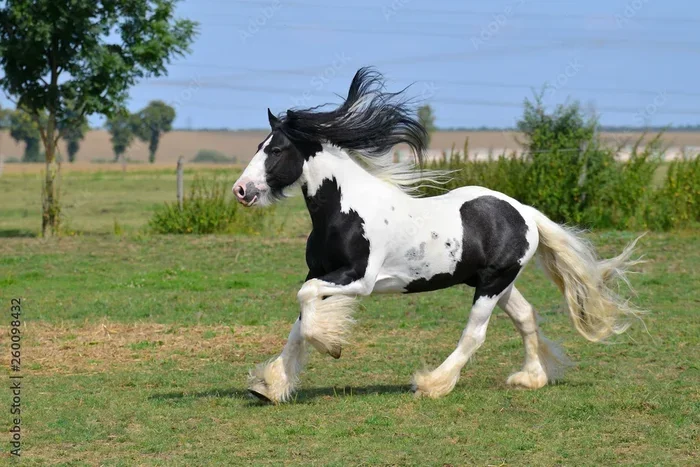

The canter is a three-beat horse gait that sits between the trot and the gallop in speed and smoothness. Understanding the canter meaning goes beyond just knowing the definition — it involves recognizing the rhythm, the leads, and the role this gait plays in every riding discipline. Whether you are a beginner or an experienced rider, grasping the canter meaning will help you communicate better with your horse and ride with more confidence and control.
Key Takeaways
- The canter is a three-beat gait: It has a distinct rhythm that every rider should learn to identify and feel.
- There are different types of canter: Collected, working, extended, and medium canter each serve a unique purpose in riding.
- Leads matter: Understanding left and right leads is essential for balance, turns, and proper horse training.
- The canter meaning extends to horse-rider communication: Your body position, seat, and cues all influence how your horse moves at this gait.
- Common mistakes are fixable: Issues like wrong leads, rushing, or losing balance can be corrected with practice and awareness.
- The canter is foundational in equestrian sports: From dressage to show jumping, mastering this gait is key to success.
📑 Table of Contents
Canter Meaning: What It Really Means and Why It Matters
If you have ever watched a horse move gracefully across an arena and wondered what that smooth, rolling movement was called, you have seen the canter in action. The canter meaning is simple on the surface — it is a three-beat gait that is faster than a trot but slower than a gallop. But if you dig deeper, the canter meaning opens up a whole world of horse training, riding technique, and partnership between horse and rider.
Understanding the canter meaning is not just for seasoned equestrians. Whether you are a beginner who has just started horseback riding or an experienced rider looking to refine your skills, knowing what the canter is and how it works will change the way you ride. This guide breaks down everything you need to know about the canter, from the basics of the gait to advanced techniques used in dressage and jumping.
The canter meaning also matters because it shapes how you communicate with your horse. Every time you ask your horse to move into a canter, you are giving it a signal. Learning to send that signal clearly — and to read your horse’s response — is at the heart of good riding. So let us dive in and explore the canter from every angle.
What Exactly Is the Canter?
The canter meaning in plain terms is a three-beat gait performed by a horse. Each beat is a single hoof landing on the ground, and the three beats create a distinctive rhythm that riders feel as a gentle rocking motion. Unlike the two-beat trot, where diagonal pairs of legs move together, the canter has an uneven pattern that gives it a unique feel.
To understand the canter meaning fully, you need to know the sequence. In a right-lead canter, the horse moves its right hind leg first, then the left hind leg and right front leg together, and finally the left front leg. That moment when all three legs are in the air before the next stride is called the “suspension phase.” It is what gives the canter its smooth, floating quality that riders love.
The canter meaning also includes its place among the horse’s natural gaits. Most horses naturally perform four gaits: the walk, the trot, the canter, and the gallop. Some breeds, like the Tennessee Walking Horse, have additional gaits. But the canter remains universal across all riding disciplines and breeds. It is the gait that bridges the gap between the steady trot and the fast gallop.
How the Canter Differs from Other Horse Gaits
When you are learning about the canter meaning, it helps to compare it side by side with other gaits. The walk has four beats and is the slowest gait. The trot has two beats and is a bit faster, with a bouncy feel that many beginners find challenging. The canter has three beats and feels smoother than the trot. The gallop has four beats and is the fastest gait a horse can perform.
Here is a quick comparison of the main horse gaits:
- Walk: Four beats, slow and steady. Great for warming up and cooling down.
- Trot: Two beats, diagonal pairs move together. A bit bumpy for beginners.
- Canter: Three beats, smooth and rolling. The focus of our canter meaning discussion.
- Gallop: Four beats, the fastest gait. Used in racing and cross-country riding.
The canter meaning really stands out when you compare it to the gallop. While the gallop is all about speed, the canter is about controlled energy. A horse at the canter can cover ground quickly but still stay manageable for the rider. This balance of speed and control is why the canter is so important in many riding styles, from western riding to English equitation.
The History Behind the Canter
The canter meaning is not just about the gait itself — it also carries a rich history. The canter has been a part of horse riding for centuries. Its origins trace back to the medieval era when knights and cavalry riders needed a gait that was faster than a trot but less exhausting than a full gallop during long rides.
The name “canter” likely comes from the word “Canterbury,” referencing the pilgrims who rode to Canterbury at a comfortable, moderate speed. This connection gives the canter meaning a sense of steady, purposeful movement. Over time, riders across different cultures adopted the canter and refined it for various purposes.
In modern times, the canter meaning has evolved alongside the growth of equestrian sports. In dressage, the canter is judged on its quality, rhythm, and harmony between horse and rider. In show jumping, the canter sets up the horse for takeoff and landing over fences. In western riding competitions, the canter is evaluated for its smoothness and the horse’s responsiveness to cues. No matter the discipline, the canter remains a cornerstone of horse training and performance.
How the Canter Shaped Equestrian Sports
The canter meaning in equestrian sports goes beyond just being a gait — it is a measure of skill. In dressage, riders use the canter to demonstrate collection, extension, and lateral movements. A good canter shows that the horse is balanced, supple, and responsive. In horse training, the canter is often the gait where riders first practice lead changes, which require the horse to switch leads smoothly while maintaining the same rhythm.
In western riding, the canter is often called a “lope.” The canter meaning in western disciplines focuses on a relaxed, smooth, and slow-moving gait that shows the horse’s calm and steady nature. Riders in western classes are judged on how effortless the canter looks and how well the horse responds to subtle riding cues.
Types of Canter and What They Mean
One of the most important aspects of the canter meaning is understanding that there is not just one type of canter. Depending on the riding discipline and what the rider is asking for, the canter can change in speed, elevation, and collection. Let us look at the main types.
Collected Canter
The collected canter is a slow, elevated canter where the horse carries more weight on its hindquarters. The canter meaning in this context is about control and balance. The horse takes shorter, more engaged steps, and the rider feels a sense of power and precision. In dressage, the collected canter is often required for movements like pirouettes and half-passes.
Working Canter
The working canter is the most common canter you will encounter in lessons and everyday riding. The canter meaning here is about a natural, relaxed, and forward-moving stride. The horse maintains a steady rhythm without being too collected or too extended. This is the gait where most riders build their horse balance and develop a feel for the three-beat rhythm.
Extended Canter
The extended canter is all about lengthening the stride. The canter meaning in this context is about reaching forward and covering more ground with each step while maintaining the same three-beat rhythm. You will see the extended canter a lot in dressage tests and in equitation classes where judges look for smoothness and reach.
Medium Canter
The medium canter sits between the working canter and the extended canter. The canter meaning here is about creating a bit more energy and stride length than the working canter without going all the way to the extended version. It is a great tool for building the horse’s strength and preparing it for more advanced movements.
| Type of Canter | Speed | Stride Length | Main Focus |
|---|---|---|---|
| Collected Canter | Slow | Short | Engagement and balance |
| Working Canter | Moderate | Natural | Relaxed forward movement |
| Medium Canter | Moderate-Fast | Slightly longer | Building strength and energy |
| Extended Canter | Fast | Long | Maximum reach and ground cover |
Each type of canter has its own canter meaning in terms of what the horse and rider are working toward. A skilled rider knows when to ask for each type and how to transition between them smoothly.
How to Recognize and Feel the Canter
One of the most exciting parts of learning about the canter meaning is actually feeling it on a horse. The canter has a distinctive rocking motion that you can feel in your body once you know what to look for. Many riders describe the moment they first truly felt the canter as a turning point in their riding journey.
The Three-Beat Rhythm You Can Hear
When a horse is in the canter, you can hear the three beats if you listen closely. The first beat is the striking of the leading hind leg, the second beat is the simultaneous landing of the other hind leg and the diagonal front leg, and the third beat is the striking of the trailing front leg. After the third beat, there is a brief moment of suspension before the next stride begins.
The canter meaning in terms of rhythm is all about that even, flowing pattern. If the rhythm feels uneven or broken, something is off — either the horse is not truly in the canter, or there is a training issue that needs to be addressed. Riders who develop a good ear for the canter rhythm can spot problems early and correct them before they become habits.
Body Signals for Riders
As a rider, you will feel the canter through your seat and legs. The canter meaning in terms of body feel is a rolling, forward motion. Your hips will swing with the rhythm of the gait, and you will feel a moment of weight shift as the horse transitions between beats.
Here are some tips for feeling the canter correctly:
- Keep your upper body tall: Sitting upright helps you stay balanced over the horse’s center of gravity.
- Follow the motion with your hips: Do not stiffen up. Let your hips move with the canter’s rocking feel.
- Use your core muscles: A strong core gives you the stability you need to stay balanced during the canter.
- Feel the outside shoulder: In the canter, the horse’s outside shoulder moves more. Many riders feel this as a slight forward push.
Understanding the canter meaning through body feel takes time and practice. The more you ride, the more natural it will become to recognize and respond to the canter’s rhythm and motion.
Why the Canter Matters in Riding
The canter meaning goes far beyond just being a gait. It is a fundamental building block in horse training and riding development. Every discipline, from western riding to dressage to show jumping, relies on the canter as a key tool for communication between horse and rider.
Building Balance and Control
Learning to ride the canter is one of the first major milestones in a rider’s education. The canter meaning in this context is about developing balance. Unlike the walk or the trot, the canter requires the rider to find and maintain a centered position while the horse moves with more energy and momentum.
When you can ride a balanced canter, you have a stronger foundation for everything else. The canter meaning as a balance-building tool cannot be overstated. It teaches riders how to use their seat, legs, and reins together in a coordinated way. This coordination is what separates a beginner from an intermediate and eventually an advanced rider.
The Canter in Dressage and Jumping
In dressage, the canter is where most of the technical work happens. The canter meaning in dressage is about collection, impulsion, and harmony. Judges look for a canter that is uphill, forward, and relaxed, with clear beats and a steady rhythm. Movements like flying lead changes, half-pass, and canter-walk transitions all rely on a quality canter.
In show jumping, the canter sets the horse up for success over fences. The canter meaning in jumping is about creating the right amount of energy and stride adjustment. A rider needs to be able to collect the canter for a tight turn or extend it for a long distance between fences. The ability to adjust the canter on demand is what makes a good jumping rider stand out.
The Canter in Western Riding and Trail
In western riding, the canter — often called the lope — has a different canter meaning than in English disciplines. The western canter is expected to be slow, relaxed, and smooth. A horse that lopes with a rough, jarring motion will be penalized in western classes. The focus is on the horse’s natural ability to carry a rider comfortably over long distances, which is why the western canter is so important in trail riding and ranch work.
Common Mistakes When Riding the Canter and How to Fix Them
Every rider makes mistakes when learning the canter, and that is perfectly normal. Understanding the canter meaning also means understanding what can go wrong and how to correct it. Here are the most common issues riders face.
Wrong Lead Problems
One of the most common mistakes is asking for the canter on the wrong lead. The canter meaning includes the concept of leads — the horse should be on the lead that matches the direction of travel. If you are going clockwise, you should be on the right lead. Going counterclockwise means the left lead. Riding on the wrong lead can cause the horse to become unbalanced and can lead to resistance or stumbling.
To fix this, practice asking for the canter from a walk or trot and check the lead immediately. Use your outside leg slightly behind the girth to ask for the correct lead. If you consistently get the wrong lead, your horse may need more horse training on lead departures.
Rushing or Losing Rhythm
Another common mistake is letting the canter get too fast and out of control. The canter meaning is about controlled energy, not speed. When a rider allows the horse to run into the canter without regulation, the rhythm breaks down and the ride becomes uncomfortable and unsafe.
The fix here is to practice using half halts to bring the horse back to balance. A half halt is a subtle combination of seat, leg, and rein aids that tells the horse to rebalance without stopping. Learning to use the half halt effectively is one of the most valuable skills in all of riding.
Stiffness in the Rider’s Body
Many new riders tense up when they feel the canter starting, which makes it harder for both them and the horse. The canter meaning includes relaxation and following the horse’s motion. When a rider becomes stiff, the horse has to work harder to maintain the canter, and the ride becomes tense for both parties.
To avoid this, focus on breathing deeply and keeping your joints soft. Your ankles, hips, and knees should all act as shock absorbers. The more relaxed you are, the easier it will be to stay balanced and enjoy the canter’s smooth motion.
Key Takeaways
- The canter is a three-beat gait: It has a distinct rhythm that every rider should learn to identify and feel.
- There are different types of canter: Collected, working, extended, and medium canter each serve a unique purpose in riding.
- Leads matter: Understanding left and right leads is essential for balance, turns, and proper horse training.
- The canter meaning extends to horse-rider communication: Your body position, seat, and cues all influence how your horse moves at this gait.
- Common mistakes are fixable: Issues like wrong leads, rushing, or losing balance can be corrected with practice and awareness.
- The canter is foundational in equestrian sports: From dressage to show jumping, mastering this gait is key to success.
Conclusion
The canter meaning is about much more than just a definition in a riding manual. It is a gateway to better communication with your horse, improved balance, and greater confidence in the saddle. Whether you are riding for fun, competing in dressage, or galloping across a trail, understanding the canter will make you a better rider.
Take the time to feel the three-beat rhythm, practice your lead departures, and work on your balance at the canter. The more you understand the canter meaning, the more you will get out of every ride. The canter is one of the most rewarding gaits to master, and the journey to understanding it fully is one of the best parts of being a rider.
So the next time your horse asks you to move into the canter, remember everything you have learned about the canter meaning. Feel the rhythm, stay balanced, and enjoy the ride. That is what it is all about.
Frequently Asked Questions
What is the simple canter meaning for beginners?
The canter meaning for beginners is straightforward: it is a three-beat gait that is faster than a trot but slower than a gallop. When a horse canters, you will feel a smooth, rolling motion with three distinct beats followed by a brief moment of suspension. It is one of the first gaits beginners learn to ride after mastering the walk and trot.
How do you know if your horse is on the correct lead?
A horse is on the correct lead when the leading front leg matches the direction of travel. If you are riding a circle to the right, your horse should be on the right lead. You can feel the correct lead through a balanced, straight canter. If the horse is on the wrong lead, you may feel crookedness or resistance, especially on circles and turns.
What is the difference between the canter and the gallop?
The canter meaning and the gallop differ mainly in speed and the number of beats. The canter is a three-beat gait with a smooth, controlled rhythm, while the gallop is a four-beat gait that is significantly faster. The gallop has a longer suspension phase and is used mainly in racing and cross-country riding, whereas the canter is used across all riding disciplines for controlled forward movement.
Can any horse learn to canter?
Yes, virtually all horses can learn to canter. The canter meaning applies to every breed and type of horse, from ponies to draft crosses to thoroughbreds. Some horses may take longer to develop a quality canter depending on their training, conformation, and discipline, but the ability to canter is a natural part of being a horse.
Why does my horse resist the canter transition?
Horses may resist the canter transition for several reasons, including pain, poor horse balance, unclear riding cues, or insufficient horse training. The canter meaning involves a forward-driving energy that some horses find challenging if they are not properly prepared. Working on transitions from the walk and trot, using clear riding cues, and ensuring your horse is physically comfortable can help resolve resistance.
What role does the canter play in dressage competitions?
In dressage, the canter is one of the most important gaits that judges evaluate. The canter meaning in dressage centers on quality, rhythm, impulsion, and submission. A good dressage canter shows that the horse is engaged, balanced, and responsive to the rider’s aids. Movements like canter pirouettes, flying lead changes, and extended canter lines all demonstrate the highest level of equitation and horse-rider partnership.



