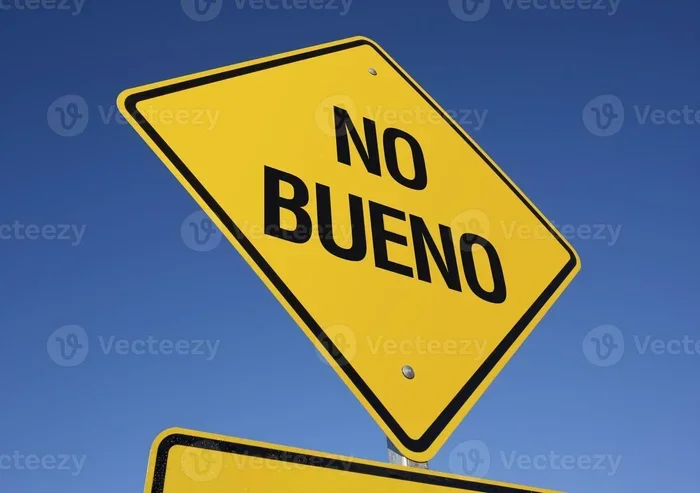

The no bueno meaning is simple: it translates to “not good” in English and is a widely used Spanish slang expression. This phrase has crossed borders and become a staple in casual English conversations, memes, and pop culture. We will break down its origin, how to use it correctly, and why it has become so popular worldwide.
Have you ever heard someone say no bueno and wondered what it really means? You are not alone. This catchy little phrase has popped up everywhere — from casual chats to social media posts and even in movies. But what does no bueno meaning actually stand for? And why do so many people use it without knowing its roots? In this guide, we will walk you through everything you need to know about this popular expression. By the end, you will sound like a pro when you drop it into a conversation.
The no bueno meaning is straightforward. It simply means “not good” in Spanish. However, the way people use it goes far beyond a basic translation. It carries a playful, casual tone that makes it perfect for everyday reactions. Whether you are talking about a bad meal, a questionable decision, or an awkward situation, no bueno gets the point across with style. Let us dive deeper into this fun expression and explore its world.
Key Takeaways
- No bueno meaning: It simply means “not good” in Spanish and is used as a casual way to express disapproval.
- Origin story: The phrase comes from Spanish and gained traction in English-speaking countries through cultural exchange and media.
- Everyday usage: People use no bueno in casual conversations, texting, and social media to react to bad situations.
- Pop culture impact: No bueno appears in memes, TV shows, and online content, making it a recognizable phrase even for non-Spanish speakers.
- Common mistakes: Overusing the phrase or using it in formal settings can come across as inappropriate or lazy.
- Related expressions: There are many similar Spanish slang phrases that carry a similar vibe and cultural weight.
- Key takeaway: Understanding no bueno meaning helps you connect with Spanish-speaking cultures and use the phrase with confidence.
📑 Table of Contents
What Does No Bueno Mean?
The no bueno meaning in its simplest form is “not good.” The word no means “not,” and bueno means “good.” Put them together, and you get a phrase that expresses dissatisfaction or disapproval. But here is the thing — no bueno is not just a literal translation. It is a cultural expression that carries attitude, humor, and personality.
When someone says no bueno, they are not giving a formal critique. They are making a lighthearted comment. Think of it as a casual way of saying “that is not great” or “that is a bad idea.” The phrase works in many situations, from reacting to bad weather to commenting on a terrible haircut. It is flexible, fun, and easy to remember.
One reason no bueno has become so popular is its simplicity. You do not need to be fluent in Spanish to use it. Even people who know zero Spanish can pick up this phrase quickly. That accessibility has helped it spread far beyond Spanish-speaking communities. Today, you will hear no bueno in English-speaking countries all around the world.
Literal Translation vs. Real-World Usage
The literal no bueno meaning is “not good.” But in real-world usage, the phrase often carries more emotion. It can signal surprise, disappointment, or even humor. For example, if your friend tries a weird food combination and makes a face, you might say, “That is no bueno.” It adds a layer of playful judgment without being mean.
In texting and social media, no bueno is a go-to reaction. People type it in comments, group chats, and captions. It works as a quick, punchy response that everyone understands. The phrase has also found its way into English dictionaries as a recognized borrowing. That shows just how deeply it has embedded itself in everyday language.
The Origin and History of No Bueno
Understanding the no bueno origin gives you a deeper appreciation for the phrase. Spanish has always been a rich, expressive language. And like many Spanish expressions, no bueno traveled across borders through migration, media, and cultural exchange. The phrase started in Spanish-speaking countries and slowly made its way into English conversations.
The word bueno comes from Latin bonus, meaning “good.” This root connects to many Romance languages, including Italian, French, and Portuguese. The addition of no to negate the word is a simple but powerful grammatical structure in Spanish. Over time, Spanish speakers in the United States and other English-speaking countries brought this phrase into their daily English usage.
The rise of no bueno in English can be traced to the late 20th century. As Latino culture gained more visibility in media, music, and entertainment, Spanish phrases started entering the mainstream. No bueno was one of the first to stick. Its catchy sound and easy meaning made it a favorite among non-Spanish speakers too. Today, it is a household phrase recognized by millions.
How Immigration and Media Spread the Phrase
Immigration played a huge role in spreading no bueno. As Spanish-speaking communities grew in the United States, their language naturally blended with English. Neighborhoods, schools, and workplaces became melting pots where phrases like no bueno became common. People adopted these expressions not just for convenience but also out of cultural appreciation.
Media also fueled the spread. Spanish-language TV shows, music, and films introduced English speakers to phrases like no bueno. Comedians and late-night hosts used the expression for laughs. Social media platforms like Twitter, TikTok, and Instagram accelerated the trend even further. Memes featuring no bueno went viral, cementing the phrase in internet culture.
How to Use No Bueno in Everyday Conversations
Now that you know the no bueno meaning, let us talk about how to use it. The great thing about this phrase is that it fits naturally into casual conversation. You do not need a complicated setup or a formal context. Just drop it in when something is clearly not working out.
Here are some common situations where no bueno fits perfectly:
- Reacting to bad news: “My flight got canceled? No bueno.”
- Commenting on food: “I tried that new restaurant. No bueno.”
- Evaluating decisions: “Quitting your job without a plan? No bueno.”
- Describing weather: “It is supposed to rain all weekend. No bueno.”
- Reacting to fashion: “Those shoes with those pants? No bueno.”
Tone and Context Matter
The no bueno meaning stays the same, but your tone can change the impact. Said with a laugh, it is playful and light. Said with a serious face, it can signal genuine concern. The beauty of the phrase is its versatility. You can adjust the delivery to match the moment.
However, context is important. No bueno works best in informal settings. Using it in a business meeting or a formal email would feel out of place. Save it for casual chats with friends, family, or online interactions. When used in the right setting, it adds color and personality to your language.
Here is a quick tip: pair no bueno with a facial expression or gesture for extra effect. A shrug, a raised eyebrow, or a playful sigh makes the phrase even more fun. It turns a simple comment into a memorable moment. People remember expressions like that, and it makes conversations more engaging.
No Bueno in Pop Culture and Memes
The no bueno meaning has become a staple in pop culture. You will find it in TV shows, movies, songs, and especially memes. Its short, punchy structure makes it perfect for visual content. A simple image with the words “no bueno” written across it can convey a whole story in seconds.
Memes featuring no bueno are everywhere on the internet. They range from funny reaction images to relatable everyday situations. Some popular meme formats show a character looking disappointed with the caption “no bueno” below. These memes resonate with people because they capture universal feelings of disappointment or bad judgment in a humorous way.
No Bueno in Movies and TV
Television shows and movies have also embraced no bueno. Characters in sitcoms and comedies use the phrase to add humor to scenes. It often appears in dialogue when a character realizes they have made a mistake or when something goes wrong. The phrase adds a lighthearted touch that keeps the tone fun rather than dramatic.
Social media influencers and content creators have also popularized the phrase. Many use no bueno in video captions, reaction videos, and comedy sketches. Its universal appeal means it crosses language barriers. Even viewers who do not speak Spanish understand the meaning instantly. That is the power of a simple, well-placed expression.
No Bueno as Internet Slang
In the world of internet slang, no bueno holds a special place. It is shorthand for expressing negativity or disapproval in a fun way. Instead of writing a long complaint, you can simply type “no bueno.” It is efficient, expressive, and universally understood. This efficiency has made it a favorite in online communities.
The phrase also appears in gaming communities, where players use it to react to bad moves or unfortunate events. “I walked into a trap? No bueno,” is a common refrain. Its casual tone fits perfectly with the informal nature of online communication. As internet culture continues to evolve, no bueno remains a reliable and recognizable expression.
Common Mistakes People Make with No Bueno
While no bueno is easy to use, there are some common mistakes people make. Avoiding these pitfalls will help you use the phrase correctly and respectfully. Let us look at the most frequent errors.
Mistake 1: Using it in formal settings. No bueno is casual slang. It does not belong in professional emails, academic papers, or business presentations. Using it in these contexts can make you seem unprofessional or careless. Always match your language to the setting.
Mistake 2: Overusing the phrase. Like any catchy expression, no bueno can lose its charm if overused. If every sentence contains the phrase, it starts to feel repetitive and annoying. Use it sparingly for maximum impact. A well-placed no bueno hits harder than one dropped every few minutes.
Mistake 3: Ignoring the cultural roots. Some people use no bueno without any respect for its Spanish origins. This can come across as cultural appropriation rather than appreciation. Take a moment to learn about the language and culture behind the phrase. That awareness makes your usage more respectful and meaningful.
Mistake 4: Mispronouncing or misspelling. The correct pronunciation is “noh bweh-noh.” Some people say it wrong, which can be distracting. Also, watch your spelling — it is “no bueno,” not “no bueno” or “no bueano.” Small details matter, especially if you want to use the phrase confidently.
Quick Tips for Using No Bueno Correctly
- Keep it casual and playful in tone.
- Use it to react to minor disappointments, not serious issues.
- Pair it with appropriate body language for emphasis.
- Do not use it in formal writing or professional communication.
- Learn a few other Spanish slang phrases to expand your vocabulary.
- Respect the cultural origins of the expression.
No Bueno and Other Popular Spanish Slang Expressions
No bueno is just one of many Spanish slang expressions that have crossed into English. Once you understand the no bueno meaning, you might want to explore related phrases. These expressions share a similar vibe — casual, expressive, and fun. Learning them can make your conversations more colorful and culturally aware.
Here are some popular Spanish slang expressions that pair well with no bueno:
- No mames: A Mexican Spanish expression meaning “no way” or “get out of here.” It is informal and often used among close friends.
- Chido: Means “cool” or “awesome” in Mexican Spanish. Great for expressing approval.
- Está cañón: Translates roughly to “it is tough” or “it is rough.” Used to describe difficult situations.
- No hay pedo: A Mexican expression meaning “no problem” or “it is all good.” Very casual and friendly.
- Qué chafa: Means “how lame” or “how cheap.” Used to describe something of poor quality.
- A toda madre: Means “awesome” or “really cool.” The opposite of no bueno in many situations.
Building Your Spanish Slang Vocabulary
Adding these expressions to your vocabulary can make you more versatile in casual conversations. They also show respect for Spanish-speaking cultures. When you use these phrases naturally, people notice. It shows that you have taken the time to understand their language beyond the basics.
The beauty of expressions like no bueno is that they bridge cultures. They create connections between people who might not share a common language. A simple phrase can spark a smile, start a conversation, or build a sense of community. That is the real power of slang — it brings people together.
So the next time you want to express disapproval in a fun way, remember the no bueno meaning and all the related expressions at your disposal. You will sound more natural, more culturally aware, and more engaging. That is a win in any conversation.
Why No Bueno Has Stuck Around
Language evolves constantly. New words and phrases enter the lexicon every year. So why has no bueno endured while other expressions faded away? The answer lies in its simplicity, versatility, and cultural resonance. These qualities have given the phrase staying power.
First, the no bueno meaning is easy to understand. You do not need a dictionary or a translation app. The two words are intuitive, even for people who have never studied Spanish. That low barrier to entry has helped the phrase spread widely and stick around.
Second, the phrase is versatile. It works in almost any informal context. Whether you are texting a friend, commenting on a post, or reacting to something in person, no bueno fits. This flexibility means it never feels outdated or forced. It remains relevant across different platforms and generations.
Finally, no bueno carries cultural weight. It represents the blending of languages and cultures that defines modern communication. When you say no bueno, you are participating in a larger cultural conversation. You are acknowledging the influence of Spanish-speaking communities on the English language. That connection gives the phrase meaning beyond its words.
The Future of No Bueno in English
As the world becomes more connected, expressions like no bueno will likely continue to grow in popularity. Globalization, social media, and migration all contribute to the mixing of languages and cultures. Phrases that are simple, expressive, and fun tend to thrive in this environment. No bueno checks all those boxes.
We can expect to see no bueno appear in more mainstream media, educational materials, and even professional settings over time. Language boundaries are blurring, and expressions that once belonged to one culture now belong to everyone. The no bueno meaning will continue to evolve as people find new ways to use it.
Conclusion
The no bueno meaning is more than just “not good.” It is a cultural expression that brings humor, personality, and connection to everyday conversations. From its Spanish roots to its current status as a global slang phrase, no bueno has come a long way. It is playful, versatile, and easy to use, which is exactly why it has stuck around.
Now that you understand the no bueno meaning, its origin, and how to use it properly, you can confidently drop it into your next conversation. Whether you are reacting to bad weather, a disappointing meal, or a friend’s questionable life choice, no bueno is the perfect phrase. Use it with care, use it with humor, and most importantly, use it with an appreciation for the rich culture behind it.
Language is a living thing. It grows, changes, and picks up new expressions along the way. No bueno is a perfect example of how a simple Spanish phrase can become a beloved part of English. So go ahead, share it with your friends, and keep the conversation fun and expressive.
Frequently Asked Questions
What does no bueno mean in English?
The no bueno meaning in English is “not good.” It is a Spanish phrase that people use in casual English conversations to express disapproval or react to something negative. It is simple, fun, and widely understood.
Is no bueno a proper Spanish phrase?
Yes, no bueno is grammatically correct in Spanish. Native speakers use it in everyday conversation to describe something that is not good. It is informal, so it is best suited for casual settings rather than formal or academic contexts.
Can I use no bueno in professional settings?
It is best to avoid using no bueno in professional settings. The phrase is casual slang and can come across as too informal in business emails, meetings, or presentations. Save it for friendly, informal conversations where a relaxed tone is appropriate.
Where did the phrase no bueno come from?
No bueno originates from Spanish, where “no” means “not” and “bueno” means “good.” The phrase spread into English through cultural exchange, immigration, media, and social media. Its catchy sound and easy meaning helped it become a staple in casual English slang.
Are there similar phrases to no bueno?
Yes, there are many similar expressions. Phrases like “no mames,” “qué chafa,” and “está cañón” carry a similar casual, expressive vibe. Each has its own cultural roots and regional flavor, but they all share the playful, informal tone that makes no bueno so popular.
Is no bueno considered offensive?
No, no bueno is not offensive when used appropriately. It is a lighthearted, casual expression. However, using it disrespectfully or mocking Spanish speakers could be considered offensive. Always use the phrase with appreciation for its cultural origins and in the right context.



