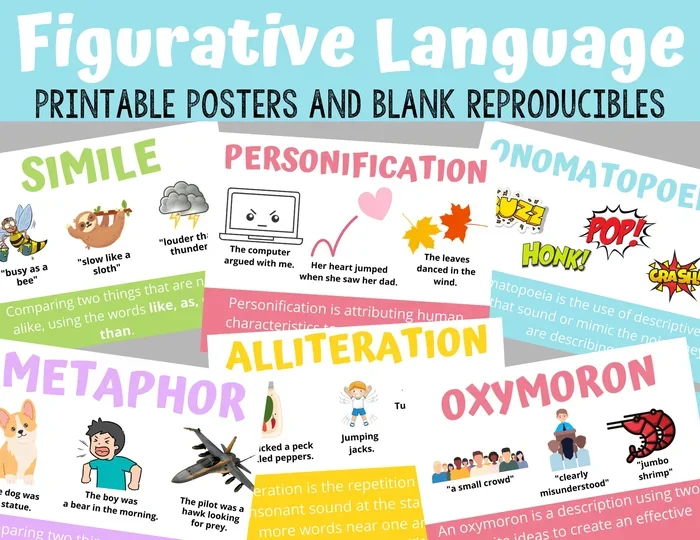

The simile meaning is a simple comparison using the words “like” or “as” to make descriptions more vivid. Understanding simile meaning helps you write better, speak more clearly, and appreciate literature on a deeper level. This guide covers everything from the basic simile definition to real-world examples and practical tips for everyday use.
Have you ever read a sentence that made you see something so clearly it felt like you were right there? Maybe a writer described someone’s smile as bright as the sun, or said a task was as easy as pie. Those comparisons are not accidents. They are deliberate tools that writers use to bring words to life. And the name for that tool is a simile.
The simile meaning is straightforward but powerful. A simile is a figure of speech that compares two different things using the words “like” or “as.” It helps readers visualize an idea, feel an emotion, or understand something abstract through a familiar image. Whether you are a student learning language arts, a writer crafting a story, or someone who simply loves reading, understanding simile meaning opens up a whole new layer of communication.
In this guide, we will break down the simile definition in plain language. We will explore simile examples from everyday life and famous literature. We will also look at how similes differ from metaphors and other literary devices. By the end, you will see just how much these small phrases shape the way we speak and write.
Key Takeaways
- Simile meaning explained: A simile is a figure of speech that compares two unlike things using “like” or “as” to create a clearer picture.
- Simile vs metaphor: A simile uses comparison words, while a metaphor states something IS something else directly.
- Similes are everywhere: You encounter common similes daily in conversations, books, songs, and movies.
- Writing boost: Using similes in creative writing makes descriptions more vivid and relatable for readers.
- Easy to spot: Look for “like” or “as” in a sentence to identify a simile quickly.
- Learning tool: Kids and adults alike benefit from understanding simile meaning in language arts and communication.
- Powerful persuasion: Similes strengthen arguments, speeches, and marketing messages by painting mental pictures.
📑 Table of Contents
- What Is a Simile? The Basic Simile Meaning
- Simile vs Metaphor: What Is the Difference?
- Common Similes You Already Know
- Similes in Literature and Poetry
- How to Use Similes in Your Own Writing
- Similes Across Different Fields and Uses
- Common Mistakes to Avoid with Similes
- Why Understanding Simile Meaning Really Matters
What Is a Simile? The Basic Simile Meaning
A simile is a type of figure of speech that draws a comparison between two things that are not alike but share one common quality. The key giveaway is the use of “like” or “as.” For example, saying “she runs like the wind” does not mean she is actually wind. It means she moves very fast, and the comparison helps you picture that speed.
The word “simile” comes from the Latin word “similis,” which means “like” or “similar.” That makes sense because a simile always signals similarity. It says, “Thing A is similar to Thing B in this one way.” This makes simile meaning one of the easiest literary techniques to recognize and use.
How a Simile Works
Every simile has three parts. First, there is the thing being described. Second, there is the comparison word — “like” or “as.” Third, there is the thing being compared to. Together, these parts create a descriptive phrase that paints a picture in the reader’s mind.
Here is a simple breakdown:
- The subject: The person, place, thing, or idea being described.
- The comparison word: “Like” or “as” (sometimes “as if” or “as though”).
- The image: The thing being compared to, which adds color and clarity.
When you put them together, you get something like “The baby’s laugh is like a bell.” The subject is the laugh, the comparison word is “like,” and the image is a bell. The result? You instantly hear a bright, cheerful sound. That is the magic of figurative language.
Why Similes Matter in Everyday Communication
You do not need to be a poet to use similes. They show up in regular conversations all the time. When someone says “he is as stubborn as a mule” or “this homework is as easy as ABC,” they are using descriptive writing techniques without even thinking about it. Similes make our language more expressive and relatable.
In creative writing, similes help readers connect with characters and scenes. In speeches, they make points more memorable. In marketing, they make products feel more appealing. The simile meaning goes far beyond the classroom. It is a living tool that shapes how we share ideas every single day.
Simile vs Metaphor: What Is the Difference?
One of the most common questions people ask is how a simile differs from a metaphor. Both are types of comparison techniques, but they work in distinct ways. Understanding this difference is key to mastering simile meaning and figurative language as a whole.
The Simile Approach
A simile uses “like” or “as” to make a comparison. It says two things are similar but keeps them separate. For example: “Her voice is like silk.” The voice and silk are not the same thing. They just share a smooth, soft quality.
This separation is important. A simile says, “Think of A as being similar to B.” It invites the reader to make the connection themselves. That is what makes similes feel gentle and accessible, even to young readers or those new to English.
The Metaphor Approach
A metaphor skips the comparison words entirely. It states that one thing IS another. For example: “Her voice is silk.” Here, the voice becomes silk directly. There is no “like” or “as.” The comparison is stronger and more absolute.
Metaphors can be more powerful, but they can also be harder to understand. Simile meaning, on the other hand, is clearer because the comparison words signal exactly what is happening. Both tools are valuable, and great writers use them together.
Quick Comparison Table
| Feature | Simile | Metaphor |
|---|---|---|
| Uses “like” or “as” | Yes | No |
| Keeps things separate | Yes | No |
| Strength of comparison | Gentle, suggestive | Direct, bold |
| Ease of understanding | Very clear | Can be abstract |
| Example | “He fights like a lion” | “He is a lion” |
Once you see the difference, you will start noticing both similes and metaphors everywhere. That is a sign you are developing a deeper appreciation for literary devices and how language works.
Common Similes You Already Know
You have probably used or heard dozens of common similes without realizing they have a name. Simile meaning is all around us. These phrases have become so familiar that they feel like natural parts of our language. Let us look at some of the most well-known ones.
Similes for Speed and Movement
- “He runs like the wind.”
- “She moved like lightning.””
- “The car shot off like a rocket.”
- “He scurried around like a bee.”
Similes for Emotions and Feelings
- “She was as happy as a clam.”
- “He felt like a million bucks.”
- “The news hit her like a ton of bricks.”
- “He was as cool as a cucumber.”
Similes for Appearance
- “Her eyes were as blue as the sky.”
- “His hands were like ice.”
- “She glowed like a star.”
- “The room was as dark as night.”
Notice how each of these simile examples uses “like” or “as” to bridge two different ideas. The simile meaning in each case is to make an abstract feeling or quality more concrete. You can almost feel the cold hands or see the dark room. That is the goal of descriptive writing.
Where These Similes Come From
Many of the common similes on this list come from old sayings, nursery rhymes, and classic literature. Some trace back to Shakespeare, Aesop’s fables, or even ancient proverbs. Over time, these phrases have become part of everyday speech. They are so embedded in our language that most people do not think twice about using them.
But just because a simile is common does not mean it has lost its power. A well-placed simile can still surprise, delight, and clarify. The key is knowing when to reach for a familiar phrase and when to create something fresh.
Similes in Literature and Poetry
Some of the most famous similes in literature come from classic poems and novels. Writers have used figurative language for centuries to create imagery that stays with readers long after the last page. Let us explore a few standout examples.
Similes in Classic Poetry
Homer’s “The Odyssey” is full of epic similes — long, detailed comparisons that paint sweeping pictures. One famous example compares Odysseus struggling against the waves to a man fighting a great wave in a storm. These poetic comparisons make the action feel larger than life.
In Shakespeare’s plays, characters often speak in figurative expressions. When Romeo says Juliet “hangs upon the cheek of night like a rich jewel,” he is using a simile to make her beauty feel precious and radiant. The simile meaning here is to elevate Juliet from a normal person to something precious and luminous.
Similes in Modern Writing
Modern authors also rely heavily on similes. In children’s books, similes help young readers grasp new concepts. In novels, they add texture to scenes. In memoirs, they make personal experiences feel universal. The simile definition stays the same, but the uses are endlessly flexible.
For instance, a modern novelist might write, “The city woke up like a giant stretching after a long sleep.” This comparison gives the city a human quality. It makes the scene feel alive. That is the beauty of literary techniques like similes — they turn flat descriptions into experiences.
Why Writers Love Similes
Writers use similes because they work. A well-chosen comparison can do the heavy lifting of a whole paragraph. It can make a reader feel something instantly. It can simplify a complex idea. And it can add rhythm and musicality to prose.
When you study simile meaning in literature, you start to see patterns. Great writers choose comparisons that are unexpected yet instantly understandable. They avoid clichés when possible and reach for images that feel fresh. That is the difference between a forgettable simile and a brilliant one.
How to Use Similes in Your Own Writing
Now that you understand simile meaning, you might wonder how to use similes in your own writing. The good news is that anyone can learn this skill. It takes practice, but the results are well worth the effort.
Start with Observation
The best similes come from keen observation. Look at the world around you. How does the morning light feel? What does a crowded subway sound like? When you notice details, you naturally start making comparisons. “The sunrise spread like warm honey across the sky” comes from someone who really watched the light change.
Use “Like” and “As” with Purpose
Not every comparison needs a simile. Overusing them can make your writing feel cluttered. Instead, choose your moments carefully. Use a simile when it adds clarity, emotion, or a vivid image. When in doubt, ask yourself: “Does this comparison help the reader see, feel, or understand something better?” If yes, keep it.
Mix Familiar and Fresh
There is a place for common similes — they are clear and easy to understand. But the most engaging writing balances familiar phrases with original ones. Try to create your own comparisons based on your unique experiences and perspective. “His voice felt like an old wool sweater” might not be a famous phrase, but it could be the perfect description for a particular character.
Avoid Clichés When Possible
Clichés are similes that have been used so often they have lost their impact. Phrases like “as busy as a bee” or “cold as ice” are understood immediately, but they do not spark the imagination. If you can replace a cliché with a fresher comparison, do it. Your descriptive writing will stand out.
Practice Exercise
Try this fun exercise. Pick an emotion — joy, sadness, anger, or excitement. Now brainstorm five similes that capture that feeling. Use “like” or “as” in each one. For example, for joy you might write: “Joy bubbled up like champagne.” “She skipped as if the ground were made of clouds.” This kind of practice builds your figurative language skills fast.
Similes Across Different Fields and Uses
Simile meaning extends far beyond poetry and novels. Similes play important roles in many areas of life and work. Let us explore how they are used in different fields.
Similes in Education
Teachers use similes to help students understand complex topics. In science, a teacher might say “a cell membrane is like a security guard, deciding what comes in and out.” This comparison technique makes abstract concepts tangible. In language arts, students learn to identify and create similes as part of building strong writing skills.
Similes in Business and Marketing
Advertisers and marketers use similes to make products feel more appealing. A car commercial might say “this engine runs like a dream.” A skincare brand might claim “your skin will feel as smooth as silk.” These figurative expressions create positive mental images that influence purchasing decisions.
Similes in Everyday Conversation
Even in casual chat, similes add color and humor. When a friend says “this traffic is slower than molasses,” you instantly picture the slow, sticky flow. These everyday rhetorical devices make conversations more engaging and help people connect through shared imagery.
Similes in Song Lyrics and Pop Culture
Songwriters are masters of the simile. From classic ballads to modern pop hits, comparisons using “like” and “as” fill the lyrics we sing every day. Movies, TV shows, and social media also rely on similes to deliver punchy, memorable lines. Understanding simile meaning helps you appreciate these creative expressions on a deeper level.
Common Mistakes to Avoid with Similes
Even though similes are simple to understand, there are common pitfalls to watch out for. Avoiding these mistakes will make your writing stronger and more effective.
Mixing Up Similes and Metaphors
The most frequent error is confusing a simile with a metaphor. Remember: if it uses “like” or “as,” it is a simile. If it states something IS something else without those words, it is a metaphor. Keeping this distinction clear helps you use each tool correctly and discuss literary techniques with confidence.
Using Weak Comparisons
A simile is only as good as the comparison it makes. “He is as fast as a snail” does not work because snails are slow. The comparison must actually highlight the shared quality. Always double-check that your figurative language makes logical sense.
Overloading Your Writing
Too many similes in one paragraph can overwhelm the reader. Use them strategically. One strong, well-placed simile is worth more than five forced ones. Let your descriptive phrases breathe and do their job without cluttering the page.
Ignoring the Audience
Some similes rely on cultural knowledge that not everyone shares. “As rare as a hen’s tooth” might confuse readers who do not know the idiom. Choose comparisons that your audience will understand. Clarity should always come first in descriptive writing.
Why Understanding Simile Meaning Really Matters
You might wonder why spending time on simile meaning is worth your effort. The answer is simple. Similes are everywhere — in books, conversations, advertisements, songs, and speeches. Understanding them makes you a better reader, a stronger writer, and a more thoughtful communicator.
When you grasp the simile definition, you gain a new lens for interpreting the world. You start to see how language shapes perception. You notice how a single comparison can shift the tone of a sentence or the mood of a scene. This awareness makes you a more critical thinker and a more expressive speaker.
For students, mastering similes builds a foundation for studying other literary devices like metaphors, personification, and hyperbole. For writers, similes are a go-to tool for creating imagery and engaging readers. For anyone who communicates, similes add clarity, color, and connection to everyday language.
The beauty of simile meaning is that it does not require advanced knowledge or special training. You already use similes every day. Now you just have the words to name them and the skills to use them with intention. That small shift can make a big difference in how you express yourself.
So the next time you read a book, listen to a song, or even chat with a friend, pay attention to the comparisons. You will be amazed at how often similes appear and how much they enrich the message. Understanding simile meaning is not just an academic exercise. It is a gateway to deeper, more vivid communication that lasts a lifetime.
Frequently Asked Questions
What is the simile meaning in simple words?
A simile is a figure of speech that compares two different things using the words “like” or “as.” It helps make descriptions more vivid and easier to understand by connecting something unfamiliar to something familiar. For example, “as brave as a lion” uses a simile to describe courage.
How is a simile different from a metaphor?
A simile uses “like” or “as” to compare two things, while a metaphor directly states that one thing is another. For instance, “she sings like an angel” is a simile, but “she is an angel” is a metaphor. Both are types of figurative language, but they create different effects.
Can similes be used in formal writing?
Yes, similes work well in formal writing when used appropriately. They can clarify complex ideas, add clarity, and make arguments more persuasive. The key is to choose comparisons that fit the tone and audience of the piece.
What are some everyday simile examples?
Common everyday similes include “as busy as a bee,” “like a kid in a candy store,” and “as easy as pie.” You probably use several of these without even realizing they are similes. They are part of the natural way people speak and write.
Why do similes matter in creative writing?
Similes matter because they help readers visualize and feel what the writer is describing. They add texture, emotion, and clarity to prose and poetry. A well-placed simile can turn a flat sentence into a memorable image that stays with the reader.
Are similes only used in English?
No, similes exist in virtually every language and culture around the world. Different languages have their own common similes based on local idioms and cultural references. The concept of comparing two things using specific words is a universal feature of human communication.
=== CONCLUSION ===
The simile meaning is more than just a school lesson. It is a fundamental building block of how we use language to connect, describe, and inspire. From the earliest nursery rhymes to modern marketing campaigns, similes help us make sense of the world by linking the unfamiliar to the familiar.
We have explored the simile definition, compared similes to metaphors, looked at famous examples from literature, and shared practical tips for using similes in your own writing. We also covered common mistakes and the wide range of fields where similes make a difference. Whether you are a student, a writer, a professional, or simply a curious reader, understanding simile meaning gives you a richer appreciation for the power of words.
The next time you read a sentence that makes you pause and smile, ask yourself: “Is that a simile?” You will start seeing these comparisons everywhere. And who knows? You might find yourself reaching for a fresh, vivid simile the next time you sit down to write. That is the real beauty of understanding simile meaning — it changes the way you see and share the world around you.