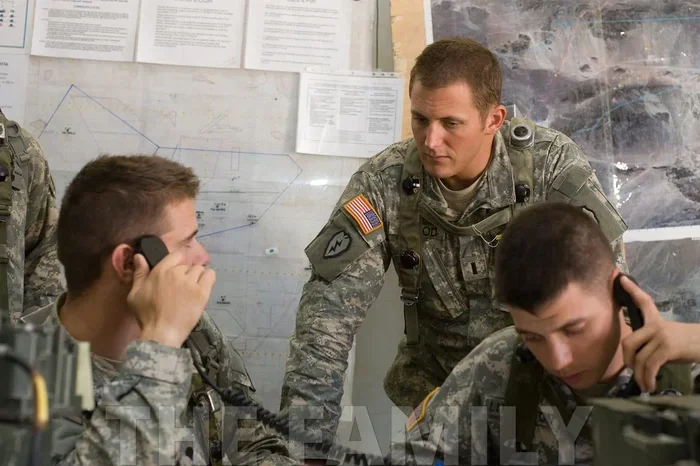

The phrase “roger that” is a widely used acknowledgment meaning “message received and understood.” It originated from military radio communication during World War II, where “Roger” stood for the letter R in the radiotelephony alphabet. Today, the phrase is used in casual conversation, pop culture, and professional settings to confirm understanding. This article covers the full history, meaning, and modern usage of this iconic phrase.
You have probably heard someone say “roger that” a hundred times. Maybe a friend used it on a phone call. Maybe you heard it in a movie or a video game. It is one of those phrases that feels universal. But what does it actually mean? And where did it come from? The roger that meaning is simpler than most people think, but the history behind it is surprisingly rich. In this article, we will walk you through everything. You will learn where the phrase started, what it really means, how it evolved, and why people still use it today.
The roger that meaning boils down to a simple acknowledgment. It tells someone, “I heard you, and I understand.” But behind those two words is a story that stretches back to World War II, military radio codes, and the evolution of language itself. Whether you are a history buff, a language lover, or just curious, this guide has something for you. Let us dive in.
Key Takeaways
- Military Roots: “Roger that” started as a radio code in WWII military communication.
- Clear Meaning: It simply means “I understand” or “message received.”
- Cultural Spread: The phrase moved from the military into movies, TV shows, and everyday talk.
- Still Widely Used: People still say “roger that” in workplaces, aviation, and casual conversation today.
- Name Connection: The word “Roger” itself has an interesting history as a personal name.
📑 Table of Contents
- What Does “Roger That” Mean?
- The Origin of “Roger That”
- How “Roger That” Entered Everyday Language
- The Science Behind Why We Use Acknowledgment Phrases
- Common Mistakes and Misuses of “Roger That”
- The Name Roger: A Quick Look at Its History
- How “Roger That” Is Used Around the World
- Quick Tips for Using “Roger That” Effectively
- The Future of “Roger That”
- Conclusion
What Does “Roger That” Mean?
At its core, the phrase “roger that” is a way of saying “yes, I understand.” It is an affirmative response that confirms a message has been received. In radio communication, clarity is everything. There is no room for confusion. That is why short, clear phrases like “roger that” became so important. They leave no doubt about what the speaker means.
Here are the most common ways people use “roger that” today:
- Confirming a message: “We will meet at 5 PM.” — “Roger that.”
- Acknowledging instructions: “Please head to the north entrance.” — “Roger that.”
- Casual agreement: “Let us grab pizza tonight.” — “Roger that.”
- Showing understanding: “The deadline moved to Friday.” — “Roger that.”
The phrase works in both formal and informal settings. You might hear a pilot use it during a flight. You might also hear a friend say it when making weekend plans. The roger that meaning stays the same in both cases. It is all about saying, “Got it.”
Roger That vs. Copy That
People often confuse “roger that” with “copy that.” Both are acknowledgment phrases, but they have slight differences. “Roger” specifically means the message was received and understood. “Copy” means the message was received, similar to making a copy of a document. In practice, most people use them interchangeably. But in strict radio protocol, there is a small distinction. “Roger” confirms understanding, while “copy” confirms receipt.
Another related phrase you might hear is ten-four. This also means “understood” or “acknowledged.” All of these phrases — “roger that,” “copy that,” and “ten-four” — serve the same basic purpose. They let the speaker know you are on the same page.
The Origin of “Roger That”
The story of “roger that” begins with the military. Before the 1940s, radio communication was messy. Different countries and branches used different codes. Messages often got mixed up. During World War II, the need for a standardized system became urgent. That is when the military phonetic alphabet was developed.
The original version was called the Joint Army/Navy Phonetic Alphabet. In this system, each letter of the alphabet had a specific word assigned to it. The letter R was represented by the word “Roger.” So when a radio operator said “Roger,” they were really saying the letter R. When they followed it with “that,” they were confirming the specific message they just received.
Over time, “roger that” became a standalone phrase. People stopped thinking of it as a code and started using it as a natural way to say “yes, understood.” The beauty of it was its simplicity. Anyone who heard it immediately knew what it meant.
The NATO Phonetic Alphabet Connection
In 1956, the NATO phonetic alphabet replaced the older system. The letter R was now represented by “Romeo.” So technically, “roger” was no longer the official code for the letter R. But the phrase “roger that” had already stuck. It was too deeply embedded in communication culture to fade away. Even today, decades after the change, people still say “roger that” all the time.
This is a great example of how language evolves. Official codes change, but everyday phrases take on a life of their own. The roger that meaning survived the shift because it was simple, clear, and easy to remember.
How “Roger That” Entered Everyday Language
For years, “roger that” was mostly a military and aviation term. But it did not stay locked away in those worlds for long. Movies, television shows, and popular culture helped bring it into the mainstream. By the 1950s and 1960s, American audiences were hearing the phrase in war films and spy shows.
Hollywood played a huge role in this. Films set during World War II often featured radio scenes where characters said “roger that.” These movies reached millions of people. Viewers picked up the phrase and started using it in their own lives. It felt authoritative and cool.
Television shows of the 1960s and 1970s also helped spread the phrase. Military and police dramas used radio dialogue regularly. Characters would say “roger that” to confirm orders. Audiences loved the realism. Soon, the phrase became part of the everyday vocabulary of regular people who had never served in the military.
The Role of Pop Culture
Pop culture has a powerful way of shaping language. Think about how many phrases from movies and TV shows we still use today. “Roger that” is one of them. It shows up in action movies, comedies, and even video games. The phrase has become a shorthand for agreement and understanding.
In video games, especially multiplayer shooters, “roger that” is used in voice chat. Players use it to confirm strategies or acknowledge instructions from teammates. It adds a sense of teamwork and camaraderie. The phrase feels natural in these settings because of its connection to clear, direct communication.
Names also play an interesting role here. “Roger” is a real personal name with a long history. The name comes from the Germanic elements “hrod” meaning fame and “ger” meaning spear. Names like funny names that start with R are popular in name lists, and Roger is one of the most recognizable. The name itself has a strong, classic feel, which may be part of why the phrase “roger that” feels so natural and confident.
The Science Behind Why We Use Acknowledgment Phrases
Have you ever wondered why humans use phrases like “roger that” in the first place? It comes down to how our brains process communication. When someone sends a message, the receiver needs to confirm they understood it. This is called a communication feedback loop. Without it, messages can get lost or misunderstood.
In high-stakes environments like aviation and the military, this feedback loop is critical. A misunderstood instruction can be dangerous. That is why short, clear acknowledgment phrases exist. “Roger that” eliminates any doubt. The sender knows the message got through. The receiver knows they understood it correctly.
This same principle applies in everyday life too. When your boss sends an email with a new task, saying “roger that” in response is a quick way to close the loop. It shows you are paying attention and ready to act. Even in text messages, people use “roger that” or similar phrases to confirm plans or agreements.
Why Short Phrases Work Best
Our brains prefer short, punchy information. Long explanations take more time and mental energy. A two-word phrase like “roger that” is easy to process. It is fast. It is clear. This is why it has survived for decades. The roger that meaning is instantly understood by almost everyone who hears it.
Other short acknowledgment phrases work the same way. “Copy that,” “affirmative,” “ten-four,” and “understood” all serve the same purpose. They are quick and effective. In a world full of noise and distractions, brevity is a gift.
Common Mistakes and Misuses of “Roger That”
Even though “roger that” is widely used, people sometimes misuse it. Here are a few common mistakes to avoid:
- Using it when you do not understand: Saying “roger that” when you actually did not catch the message defeats the purpose. Always make sure you truly understood before confirming.
- Using it too casually in serious settings: In formal business meetings or serious conversations, “roger that” might feel too informal. Choose a more professional acknowledgment when the situation calls for it.
- Confusing it with agreement: “Roger that” means you understood the message. It does not necessarily mean you agree with it. Be careful not to mix up understanding with approval.
- Overusing it: Like any phrase, saying “roger that” too often can make it feel hollow. Use it when it adds value to the conversation.
Understanding the roger that meaning properly helps you use it in the right context. It is a powerful tool for clear communication, but like any tool, it works best when used correctly.
The Name Roger: A Quick Look at Its History
The word “Roger” is not just a radio code. It is also a popular personal name with deep roots. The name Roger comes from the Old French name “Rogier,” which itself came from the Germanic name “Hrodger.” The elements “hrod” (fame) and “ger” (spear) give the name a strong meaning: “famous spear.”
The name Roger has been used for centuries. It was common among Norman nobles after the Norman Conquest of England in 1066. Over the centuries, it became a staple name in English-speaking countries. Famous Rogers throughout history include Roger Williams, the founder of Rhode Island, and Roger Federer, the legendary tennis player.
If you enjoy exploring names, you might also like checking out funny names that start with B or funny names that start with S for some entertaining name lists. Names are a fun window into language and culture.
Interestingly, the popularity of the name Roger may have also helped the phrase “roger that” feel natural and familiar. People already knew the name well before it became a radio code. That familiarity made the transition from name to code to everyday phrase smooth and effortless.
How “Roger That” Is Used Around the World
While “roger that” is an English phrase, similar concepts exist in other languages. Many countries have their own versions of acknowledgment codes for radio communication. In Russian, for example, “roger” has been adopted directly into some military jargon because of its international recognition.
The phrase has also spread beyond English-speaking countries through movies and media. People in Japan, Brazil, Germany, and many other countries recognize “roger that” even if they do not speak English. This shows the global reach of American pop culture and military influence.
In professional fields like aviation, maritime communication, and emergency services, “roger that” is understood worldwide. The International Civil Aviation Organization (ICAO) uses standardized phrases, and “roger” is one of them. This makes it a truly universal acknowledgment term.
Some people also enjoy exploring names from different cultures. If you are curious about names starting with other letters, you can explore funny names that start with J for a fun and colorful list of options.
Quick Tips for Using “Roger That” Effectively
Want to use “roger that” like a pro? Here are some quick tips:
- Use it to confirm understanding: The best time to say “roger that” is when you genuinely understand a message.
- Keep it short and clear: Do not add extra words. The power of the phrase is in its brevity.
- Match the tone to the situation: In casual settings, “roger that” works great. In very formal settings, consider “understood” or “acknowledged.”
- Pair it with action: After saying “roger that,” follow through on what was asked. The phrase is a promise to act on the message.
- Use it in writing too: “Roger that” works in text messages and emails as a quick confirmation.
These simple tips will help you use the phrase naturally and effectively in any situation. The roger that meaning is straightforward, but how you use it can make a big difference in how your communication comes across.
The Future of “Roger That”
Language is always changing. New phrases emerge, and old ones sometimes fade. But “roger that” seems here to stay. Its simplicity and clarity give it lasting power. Even as technology changes the way we communicate, the need for quick acknowledgment remains.
In the age of texting and messaging, people still value fast, clear confirmations. “Roger that” fits perfectly into this world. It is already used in text messages and online chats. As communication continues to evolve, the phrase will likely evolve with it.
Some people wonder if “roger that” will eventually be replaced by something new. Maybe. But history shows that simple, effective phrases tend to stick around. “Roger that” has survived for over 75 years. It has earned its place in the language.
Names and language are deeply connected. If you are interested in exploring more name-related topics, you might enjoy looking into funny names that start with N or other name list articles for more inspiration.
Conclusion
The roger that meaning is something we all understand, even if we rarely think about it. It means “I hear you, and I understand.” Simple as that. But the story behind the phrase is anything but simple. From its roots in World War II military radio to its place in movies, TV shows, and everyday conversation, “roger that” has traveled a remarkable journey.
What makes this phrase so enduring is its clarity and simplicity. In a world full of complex communication, sometimes the oldest phrases are the best. “Roger that” gets the job done in two words. It confirms understanding, builds trust, and keeps conversations moving forward.
So the next time you say “roger that,” you can appreciate the rich history behind it. You are using a phrase that has connected soldiers, pilots, actors, gamers, and everyday people for decades. That is pretty powerful for just two little words.
Frequently Asked Questions
What does “roger that” actually mean?
“Roger that” is an acknowledgment phrase that means “message received and understood.” It is used to confirm that you heard and comprehended what someone said. The phrase originated in military radio communication during World War II.
Where did the phrase “roger that” come from?
The phrase comes from the military phonetic alphabet used during World War II. “Roger” was the code word for the letter R, and it was used to confirm that a message was received. Over time, it evolved into a standalone phrase meaning “I understand.”
Is “roger that” the same as “copy that”?
They are very similar and often used interchangeably. “Roger” specifically means the message was understood, while “copy” means the message was received. In everyday conversation, the difference is minimal and most people do not distinguish between them.
Can “roger that” be used in casual conversation?
Absolutely. While it started in military and aviation settings, “roger that” is now widely used in casual conversation. People use it to confirm plans, acknowledge instructions, or simply show they are listening and understand what was said.
Why do people still say “roger that” today?
The phrase has survived because it is simple, clear, and universally understood. It works in both formal and informal settings. Its connection to popular culture through movies and TV shows has also helped keep it relevant for new generations.
Does “roger that” mean you agree with something?
Not necessarily. “Roger that” means you understood the message. It is a confirmation of comprehension, not necessarily approval. You can say “roger that” even if you disagree with the message, because it only confirms that you received and understood it.



