
The hamsa meaning centers on protection, blessing, and divine power. This ancient hand-shaped symbol has been used for thousands of years across the Middle East and North Africa. People of many faiths, including Islam, Judaism, and Christianity, embrace the hamsa hand as a talisman against the evil eye. Understanding its spiritual meaning helps you appreciate why it remains so popular today in jewelry, wall art, and tattoos.
The hamsa meaning goes far deeper than most people realize. At first glance, it looks like a simple hand shape. But this ancient symbol carries layers of history, faith, and protective power. Millions of people around the world wear it, hang it in their homes, and even get it inked on their skin. If you have ever wondered why this symbol shows up everywhere, you are in the right place.
In this article, we will explore the hamsa meaning in full detail. You will learn where it came from, what it represents, and why it still matters today. We will also look at how different cultures use it and how you can bring its energy into your own life. By the end, you will see the hamsa hand in a whole new light.
Key Takeaways
- Universal Symbol of Protection: The hamsa meaning revolves around shielding against negative energy and the evil eye.
- Rich Cultural History: It spans thousands of years and connects to multiple religions and civilizations across the Middle East.
- Five Fingers Matter: Each finger represents one of the five pillars of faith or the five senses in spiritual traditions.
- Used in Many Forms: From hamsa jewelry and tattoos to wall art and home decor, the symbol is versatile and widely embraced.
- Both Hands Have Meaning: The right-facing hamsa and left-facing hamsa carry slightly different spiritual purposes and uses.
- Modern Relevance: People today use the hamsa not just for its protective power but also as a fashion statement and cultural symbol.
- Easy to Incorporate: You can add hamsa items to your home or daily life in simple and meaningful ways.
📑 Table of Contents
What Does Hamsa Mean?
The word hamsa comes from the Arabic language. It simply means “five.” This refers to the five fingers of the hand. But the hamsa meaning goes well beyond a simple count. In many traditions, the number five holds deep spiritual significance.
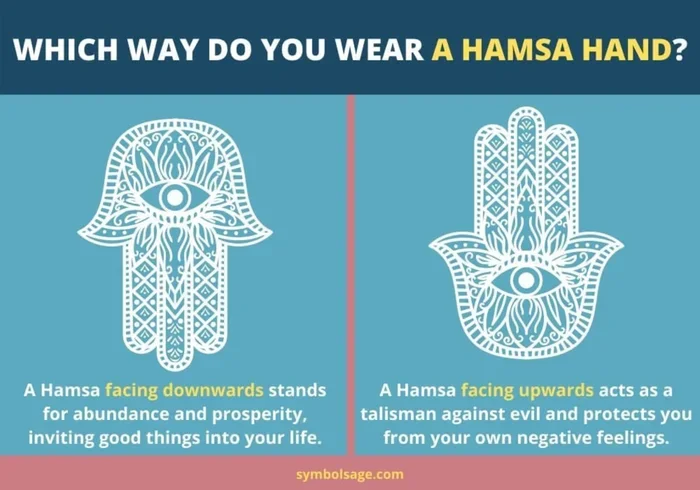
The hamsa hand is often drawn with an open palm. Sometimes it faces upward. Sometimes it faces downward. Each direction carries a slightly different meaning. The upward hamsa is seen as a symbol of welcome and blessing. The downward hamsa is believed to ward off evil and negative energy. Both versions share the same core purpose: protection.
People also call this symbol the “hand of Fatima” or the “hand of Miriam.” These names come from important women in Islamic and Jewish history. The hamsa symbol is not tied to just one religion. It crosses cultural and spiritual boundaries. This universality is part of what makes it so powerful and so beloved.
The Five Fingers and Their Symbolism
Each finger on the hamsa hand has its own meaning. Together, they represent wholeness and balance. Here is a quick look at what each finger symbolizes:
- Thumb: Represents faith and connection to the divine.
- Index finger: Stands for self-expression and leadership.
- Middle finger: Symbolizes balance and responsibility.
- Ring finger: Represents love and relationships.
- Pinky: Stands for communication and community.
When you see a hamsa hand, remember that every finger plays a role. They work together to create a complete shield of divine protection. This is why the hamsa amulet feels so powerful to so many people.
The Origin and History of the Hamsa
The hamsa origin stretches back thousands of years. No one knows exactly when the first hamsa symbol appeared. But historians believe it predates all major religions. Ancient Mesopotamia, Carthage, and Phoenicia all used hand-shaped amulets. These early cultures believed the hand could deflect harm.
The symbol gained deep roots in the Middle East and North Africa. Over time, it became a shared symbol across Jewish, Muslim, and Christian communities. In Jewish tradition, the hamsa meaning is tied to the hand of Miriam, the sister of Moses. In Islamic tradition, it is linked to Fatima, the daughter of the Prophet Muhammad.
What makes the hamsa history so fascinating is how it survived across so many eras. Empires rose and fell. Religions spread and changed. But the hamsa hand endured. It adapted to different cultures while keeping its core purpose intact. Today, it is one of the most recognized protection symbols in the world.
How the Hamsa Spread Across Cultures
The hamsa symbol traveled along ancient trade routes. Merchants carried it from the Middle East to the Mediterranean and beyond. Along the way, different cultures added their own touches. Some decorated it with the evil eye. Others added geometric patterns or flowers. Each culture kept the core hamsa meaning alive while making it their own.
In North Africa, the hamsa is called “khamsa.” In Turkey, it is known as the “hand of the goddess.” In India, some communities use a similar hand symbol in their spiritual practices. This widespread use shows how deeply the hamsa hand resonates with people across the globe.
The Spiritual Meaning of the Hamsa
At its heart, the hamsa meaning is about spiritual protection. The hamsa amulet is believed to repel negative energy. It acts as a shield against the evil eye, which is a harmful gaze that can bring bad luck or illness. Many people hang a hamsa wall hanging near their front door to protect their home.
The hamsa symbol also represents blessings and good fortune. When you wear hamsa jewelry, you carry that positive energy with you. Some people meditate with a hamsa hand to center themselves and feel grounded. The symbol serves as a reminder of their spiritual connection.
The Hamsa and the Evil Eye
The evil eye is one of the most common beliefs tied to the hamsa. The idea is simple but powerful. When someone looks at you with envy or malice, it can cause harm. The hamsa hand catches that negative gaze and deflects it. This is why you often see an eye in the center of the hamsa symbol.
The combination of the hamsa and the evil eye creates a powerful protection amulet. Many people feel safer knowing they have this symbol nearby. Whether it is a pendant around your neck or a keychain in your pocket, the hamsa meaning stays the same: keep the bad out and the good in.
The Hamsa as a Blessing Symbol
Beyond protection, the hamsa hand is also a symbol of blessings. In many homes, a hamsa wall art piece is placed in the living room or entryway. It is meant to invite prosperity, happiness, and peace into the space. The open palm is seen as an offering of goodwill.
Some people give hamsa gifts to loved ones during special occasions. A new home, a wedding, or a birth are all moments where the hamsa is welcomed. The hamsa meaning in these contexts is one of love, care, and hope for the future.
Hamsa in Different Cultures and Religions
The beauty of the hamsa symbol is that it belongs to everyone. It crosses religious and cultural lines with ease. Let us look at how different groups understand the hamsa meaning in their own way.
The Hamsa in Islam
In Islam, the hamsa hand is often called the “hand of Fatima.” Fatima was the daughter of the Prophet Muhammad and the wife of Ali. She represents purity, devotion, and strength. The hamsa meaning in this context is tied to her virtues. Muslims wear hamsa jewelry as a reminder of faith and patience.
The five fingers also connect to the Five Pillars of Islam. These are the core practices of the faith. The hamsa symbol serves as a daily reminder of these principles. It is both a spiritual tool and a cultural emblem.
The Hamsa in Judaism
In Jewish tradition, the hamsa is known as the “hand of Miriam.” Miriam was a prophetess and the sister of Moses and Aaron. She is celebrated for her courage and faith. The hamsa meaning in Judaism centers on her strength and divine protection.
Jewish families often display hamsa wall art in their homes. It is seen as a way to invite peace and guard against negativity. The symbol is also popular in hamsa jewelry, especially among Sephardic and Mizrahi Jewish communities. It bridges the gap between cultural heritage and modern style.
The Hamsa in Christianity and Other Traditions
While less common, the hamsa symbol also appears in some Christian communities. In these contexts, it represents the hand of God. The hamsa meaning here is about divine guidance and protection. Some Eastern Christian traditions use similar hand symbols in their art and rituals.
Beyond organized religion, many people simply appreciate the hamsa hand as a universal symbol of goodness. It does not require a specific faith to feel its power. This openness is part of why the symbol has lasted for so long.
How People Use the Hamsa Today
The hamsa meaning has not faded with time. In fact, it has grown in popularity around the world. Today, people use the hamsa in many creative and personal ways. Let us explore the most common uses.
Hamsa Jewelry
Hamsa jewelry is one of the most popular ways people connect with the symbol. You can find hamsa necklaces, bracelets, earrings, and rings. Each piece carries the hamsa meaning of protection and blessing. Many people wear a hamsa pendant every day as a personal talisman.
The style of hamsa jewelry varies widely. Some pieces are simple and minimalist. Others are ornate and decorated with gemstones or intricate metalwork. You can find hamsa jewelry in gold, silver, and even colored materials. No matter the style, the purpose remains the same.
Hamsa Wall Art and Home Decor
Bringing the hamsa into your home is another popular choice. Hamsa wall art comes in many forms. You can hang a painted wooden sign, a metal sculpture, or a woven tapestry. Each piece adds a touch of beauty and spiritual energy to your space.
Some people pair their hamsa wall art with other protective symbols. The evil eye, the cross, or the Om symbol are common companions. Together, they create a space that feels safe and welcoming. The hamsa meaning in this setting is clear: protect the home and its inhabitants.
Hamsa Tattoos
Hamsa tattoos have become increasingly popular in recent years. People choose this design for its beauty and its deep spiritual meaning. A hamsa tattoo can be small and delicate or large and detailed. The placement on the body also carries meaning. Many people choose the back of the neck or the inner wrist.
When getting a hamsa tattoo, it is important to understand the symbol’s significance. It is not just a trendy design. It represents protection, faith, and cultural respect. Taking the time to learn the hamsa meaning before getting inked shows appreciation for the symbol’s rich history.
Hamsa in Fashion and Accessories
Beyond jewelry and tattoos, the hamsa symbol appears in many fashion items. You can find hamsa patterns on clothing, bags, scarves, and phone cases. This trend has helped introduce the hamsa hand to new audiences around the world.
Some people may not even realize the spiritual hamsa meaning behind the designs they wear. But once they learn, it often deepens their connection to the symbol. Fashion can be a gateway to cultural understanding and spiritual awareness.
Quick Tips for Choosing Hamsa Items
Not all hamsa products are created equal. Here are some tips to keep in mind when you shop:
- Look for authenticity: Choose items from artisans or sellers who understand the symbol’s cultural roots.
- Consider the direction: Decide if you want an upward or downward hamsa based on your intention.
- Check the materials: Natural materials like wood, silver, or stone often carry more energy than mass-produced plastic.
- Think about placement: Where you place or wear the hamsa can enhance its meaning in your daily life.
- Trust your intuition: Pick a hamsa item that speaks to you personally. The connection matters most.
Common Mistakes People Make with the Hamsa
Even well-meaning people sometimes make mistakes when using the hamsa symbol. Being aware of these can help you honor the symbol properly.
One common mistake is treating it as just a fashion trend. The hamsa meaning is rooted in deep spiritual traditions. Using it purely as a trendy accessory without understanding its significance can feel disrespectful to the cultures it comes from.
Another mistake is ignoring the direction of the hand. As we mentioned earlier, the upward and downward hamsa have different purposes. Choosing the wrong direction for your intention can send mixed signals. Take a moment to learn what each direction means before you buy or wear one.
A third mistake is buying low-quality mass-produced items. These often lack the care and intention behind authentic hamsa artifacts. Supporting artisans who create genuine pieces helps preserve the cultural heritage of the symbol.
Expert Insights on the Hamsa
“The hamsa is not just a symbol. It is a living tradition that connects millions of people across faiths and borders,” says cultural historian Dr. Layla Hassan. “When you understand the hamsa meaning, you hold a piece of shared human history in your hands.”
“People often come to us looking for protection without understanding the depth of what the hamsa represents,” adds jewelry designer Amir Cohen. “Our goal is to educate as much as we sell. When a customer knows the meaning, the piece becomes so much more personal.”
Key Takeaways
- The hamsa meaning is rooted in protection, blessing, and divine power across multiple cultures and religions.
- The symbol dates back thousands of years and connects to Jewish, Islamic, and Christian traditions alike.
- Each of the five fingers on the hamsa hand carries its own symbolic meaning related to faith and human experience.
- The upward hamsa welcomes blessings, while the downward hamsa deflects negative energy and the evil eye.
- Modern uses include hamsa jewelry, wall art, tattoos, and fashion accessories that carry both style and spiritual significance.
- Common mistakes include treating the symbol as a mere fashion trend, ignoring its directional meaning, or buying mass-produced low-quality items.
- Honoring the hamsa’s cultural roots deepens your personal connection to this powerful and timeless symbol.
Conclusion
The hamsa meaning is a beautiful reminder of our shared human desire for protection, peace, and blessings. This ancient symbol has survived for thousands of years because it speaks to something universal. No matter your faith or background, the hamsa hand offers a message of hope and safety.
From its hamsa origin in ancient Mesopotamia to its modern presence in jewelry and wall art, the symbol has never lost its power. It crosses borders, languages, and religions with ease. The hamsa symbol reminds us that we are all connected by a desire to protect what we love and invite goodness into our lives.
If you feel drawn to the hamsa meaning, there is no better time to explore it. Start small. A hamsa necklace or a piece of hamsa wall art can transform your space and your mindset. Learn what the symbol means to you personally. Let it guide you toward a life filled with more protection, blessings, and positive energy. The hamsa hand has waited for thousands of years to find you. It is time to listen to what it has to say.
Frequently Asked Questions
What does the hamsa symbol mean?
The hamsa meaning centers on protection, blessing, and divine power. It is an ancient hand-shaped symbol used across many cultures to ward off negative energy and the evil eye. The five fingers represent wholeness, faith, and the senses.
Is the hamsa a Jewish or Islamic symbol?
The hamsa symbol belongs to both traditions and many others. In Islam, it is called the hand of Fatima. In Judaism, it is known as the hand of Miriam. Christians and people of no specific faith also use it. Its hamsa meaning is universal and inclusive.
Which direction should the hamsa face?
An upward-facing hamsa is believed to welcome blessings and good fortune. A downward-facing hamsa is thought to deflect negative energy and the evil eye. Choose the direction that aligns with your personal spiritual intention and protection needs.
Can anyone wear hamsa jewelry?
Yes, anyone can wear hamsa jewelry. The symbol is not restricted by religion or culture. It is a universal sign of protection and blessing. Wearing it shows respect for the rich hamsa origin and the many traditions it represents.
What is the difference between a hamsa and an evil eye amulet?
The hamsa hand is the protective symbol itself, while the evil eye is the negative force it deflects. Many hamsa designs include an eye in the center to specifically counter the evil eye. Together, they form a powerful protection amulet that is widely recognized.
How can I incorporate the hamsa into my home?
You can hang hamsa wall art near your front door, place a hamsa sculpture on a shelf, or display a woven hamsa tapestry. Each item carries the hamsa meaning of protection and welcome. Choose pieces that feel meaningful and authentic to you.



