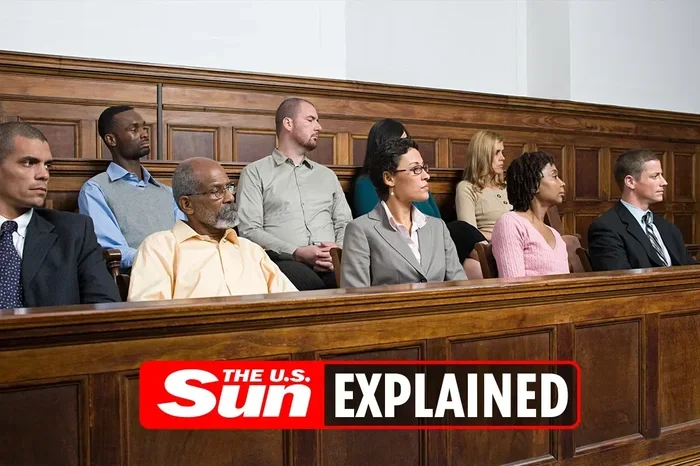

The hung jury meaning is simple: when a jury cannot reach a unanimous verdict after extended deliberation, the result is a hung jury. This deadlocked situation leads to a mistrial, forcing prosecutors to decide whether to retry the case. Understanding hung jury meaning helps citizens, law students, and anyone following high-profile trials make sense of courtroom outcomes.
Key Takeaways
- Hung jury meaning: A jury that fails to agree on a verdict, resulting in a mistrial.
- Unanimous agreement required: In most criminal cases, all jurors must agree for a conviction or acquittal.
- Mistrial declared: The judge declares a mistrial, and the case may be retried from scratch.
- No double jeopardy violation: A hung jury does not protect the defendant from a second trial.
- Common in high-profile cases: Celebrity trials and complex criminal cases see hung juries more often.
- Jury selection matters: The voir dire process can reduce the odds of a hung jury significantly.
- Civil and criminal cases differ: Hung juries in civil court do not carry the same weight as in criminal trials.
📑 Table of Contents
- What Does Hung Jury Meaning Actually Mean?
- How a Hung Jury Happens in Criminal Trials
- Hung Jury Meaning vs. Mistrial: What Is the Difference?
- What Happens After a Hung Jury Is Declared?
- Real-World Examples of Hung Juries That Made Headlines
- How the Legal System Tries to Prevent Hung Juries
- Key Takeaways for Understanding Hung Juries
What Does Hung Jury Meaning Actually Mean?
Let us start with the basics. The hung jury meaning refers to a jury that has reached an impasse. After hours or even days of deliberation, the jurors simply cannot agree on a guilty or not guilty verdict. When this happens, the judge declares a mistrial.
Think of it this way. Imagine twelve people locked in a room trying to agree on one decision. Some believe the defendant is guilty. Others are not so sure. If no compromise emerges, the jury hangs. That is where the term comes from. The jury is “hung” in indecision.
In the American legal system, the hung jury meaning carries serious consequences. It wastes time, money, and emotional energy for everyone involved. The defendant goes free for now, but the case may come back to court later. Prosecutors must decide whether to try again.
A hung jury does not mean the defendant is innocent. It also does not mean the defendant is guilty. It simply means the jury could not reach a unanimous verdict. That distinction matters a lot, and we will explore why throughout this guide.
The hung jury definition is straightforward. A jury that fails to agree on a verdict after reasonable deliberation is considered deadlocked. The judge then has no choice but to declare a mistrial. From there, the legal process enters a new phase that nobody wanted.
How a Hung Jury Happens in Criminal Trials
Understanding hung jury meaning requires knowing how juries work in the first place. In a criminal trial, the burden of proof falls on the prosecution. They must prove guilt beyond a reasonable doubt. The defense tries to create that reasonable doubt.
After both sides present their cases, the judge gives the jury jury instructions. These instructions explain the law and what the jury must do. Then the jurors go into a private room to deliberate. They discuss the evidence, review testimony, and try to reach a decision.
In most criminal cases, the verdict must be unanimous. Every single juror must agree. If even one juror holds a different view, the jury may deadlock. This is the most common path to a hung jury outcome.
The Role of One Holdout Juror
Sometimes just one person can cause a hung jury. This is called the holdout effect. One juror might have doubts that others do not share. Or one juror might feel strongly that the evidence is not enough. Either way, that single voice can prevent a verdict.
Judges encourage jurors to listen to each other respectfully. They remind the panel that disagreement is normal. But if the talks go on for too long without progress, the judge may declare a mistrial. At that point, the hung jury meaning becomes real for everyone in the courtroom.
Why Deliberations Stall
Several factors can cause jury deliberations to stall. Here are the most common reasons:
- Weak evidence: The prosecution fails to present a compelling case.
- Strong defense arguments: The defense creates genuine doubt in jurors minds.
- Juror bias: Personal beliefs or experiences influence how jurors interpret evidence.
- Complex testimony: Technical or confusing evidence makes agreement difficult.
- Emotional factors: Sympathy for the defendant or the victim sways opinions.
- Misunderstanding instructions: Jurors may not fully grasp the legal standards they must apply.
Each of these factors can push a jury toward a deadlock. The more complex the case, the higher the chance of a hung jury. This is why hung jury statistics show that complicated criminal trials face the greatest risk.
Hung Jury Meaning vs. Mistrial: What Is the Difference?
People often confuse a hung jury with a mistrial. They are related but not the same thing. Let us break it down clearly.
A hung jury is the situation itself. The jurors cannot agree. A mistrial is the legal result of that situation. The judge declares the trial invalid because no verdict was reached. So the hung jury meaning leads directly to a mistrial, but they are two separate concepts.
Not all mistrials come from hung juries. Sometimes a mistrial happens because of juror misconduct, a key witness dying, or a procedural error. In those cases, the jury may have reached a verdict, but the trial is still declared invalid. Understanding this distinction is crucial for anyone studying the hung jury meaning in depth.
Types of Mistrials
Mistrials fall into two broad categories. The first is a mistrial by necessity. This happens when something goes wrong that cannot be fixed. A hung jury falls into this category. The second is a mistrial by permission. This happens when a judge allows the trial to be restarted for a valid reason.
In both cases, the defendant may face a new trial. The hung jury meaning in this context is that the legal process resets. Everything starts over, from jury selection to opening statements. This can be exhausting for everyone involved.
| Type | Cause | Can the Case Be Retried? |
|---|---|---|
| Hung Jury | Jury cannot reach a unanimous verdict | Yes, unless it violates double jeopardy |
| Mistrial by Necessity | Hung jury, juror misconduct, key evidence lost | Yes, if the error was not intentional |
| Mistrial by Permission | Judge allows a restart for good reason | Yes, prosecution decides to retry |
| Directed Acquittal | Judge finds insufficient evidence | No, double jeopardy applies |
As you can see, the hung jury meaning fits into a larger legal framework. It is one piece of a complex system that aims to deliver justice fairly.
What Happens After a Hung Jury Is Declared?
Once the judge declares a mistrial because of a hung jury, the courtroom process does not end. It enters a new phase that many people do not expect. Here is what typically happens next.
First, the jury is dismissed. The jurors go home. Some may feel relieved. Others may feel frustrated. They gave their time and effort, and no verdict was reached. The hung jury meaning affects them too, even if they do not talk about it publicly.
Second, the prosecution reviews the case. They consult with the judge and their legal team. They weigh the odds of winning a second trial. If they believe they have a stronger case now, they may decide to retry. If they think the same deadlock will happen again, they may drop the charges.
The Decision to Retry
The decision to retry a case after a hung jury is not automatic. Prosecutors consider several factors:
- Strength of the evidence: Is the evidence strong enough to convince a second jury?
- Witness availability: Are key witnesses still willing and able to testify?
- Public interest: Is the case high-profile enough to warrant another trial?
- Cost and resources: Does the prosecution have the budget and manpower for a retrial?
- Jury feedback: What did the jurors say during post-trial interviews?
If the prosecution decides to retry, the entire process starts over. A new jury is selected. New opening statements are made. The whole trial plays out again. This is one reason why the hung jury meaning matters so much. It does not just end one trial. It can restart the entire legal process.
Double Jeopardy and Hung Juries
Many people worry about double jeopardy. The Fifth Amendment protects defendants from being tried twice for the same crime. But a hung jury does not trigger double jeopardy protections. Why? Because a mistrial is not a final verdict.
Since no conclusion was reached, the legal system treats the case as if it never finished. The defendant can be retried without violating double jeopardy. This is an important point that many people misunderstand about hung jury meaning and its legal consequences.
Real-World Examples of Hung Juries That Made Headlines
The hung jury meaning becomes much clearer when you look at real cases. History is full of famous trials that ended in deadlocked juries. Let us look at a few notable examples.
One of the most well-known hung jury cases involved a high-profile celebrity trial where the jury deliberated for weeks. Despite strong opinions on both sides, the jurors could not reach a unanimous decision. The judge declared a mistrial. The prosecution later decided not to retry the case, effectively ending the legal battle.
In another famous case, a murder trial ended in a hung jury after the defense presented compelling forensic evidence that created reasonable doubt. The jury split roughly along ideological lines. Some jurors believed the defendant was guilty. Others felt the prosecution had not met its burden of proof. After ten days of deliberation, the judge declared a mistrial.
These real-world hung jury examples show that deadlocked juries are not rare. They happen in both state and federal courts. They happen in cases involving everything from white-collar crime to violent felonies. The hung jury meaning is not just a legal technicality. It has real-world impact on defendants, victims, and communities.
Why Some Cases Are More Prone to Hung Juries
Not all trials face the same risk of a hung jury. Some cases are much more likely to end in deadlock. Here are the factors that increase the odds:
- High-profile cases: Media coverage can bias potential jurors before trial even starts.
- Complex financial crimes: Fraud and embezzlement cases involve confusing evidence that is hard to follow.
- Cases with strong emotional elements: Cases involving children, violence, or moral questions stir strong feelings.
- Cases with weak physical evidence: When the case relies heavily on witness testimony, credibility becomes the main battleground.
- Long trials: The longer a trial lasts, the more fatigued jurors become. Fatigue leads to frustration and deadlock.
Understanding these factors helps legal professionals prepare better. It also helps ordinary citizens understand why some trials end without a verdict. The hung jury meaning is shaped by the specific circumstances of each case.
How the Legal System Tries to Prevent Hung Juries
Nobody wants a hung jury. Not the judge, not the lawyers, not the jurors, and certainly not the defendant or the victim. The legal system has built-in tools to reduce the chances of a deadlock. Let us explore some of them.
The Voir Dire Process
Jury selection, also known as voir dire, is the first line of defense against a hung jury. During this process, attorneys from both sides interview potential jurors. They look for biases, prejudices, or conflicts of interest. The goal is to build a fair and balanced jury panel.
Good jury selection reduces the risk of a hung jury significantly. If both sides agree on a jury that can listen objectively, the chances of agreement go up. This is why experienced trial lawyers spend so much time on the voir dire process. It directly affects the hung jury meaning in any given case.
Jury Instructions and Deliberation Guidance
Judges play a key role in preventing hung juries too. They give clear jury instructions before deliberations begin. These instructions explain the legal standards the jurors must apply. They also encourage jurors to listen to each other and respect differing opinions.
In some cases, judges give what is called a Allen charge. This is a special instruction that encourages deadlocked jurors to keep talking. The judge reminds them that reaching a unanimous verdict is their duty. But the judge also warns that no one should feel pressured to change their honest opinion. The Allen charge is a delicate tool. It can help resolve a deadlock or make it worse.
Alternative Verdict Systems
Not all legal systems require unanimous verdicts. Some states allow non-unanimous jury decisions in certain cases. Others have explored systems where a supermajority vote is enough. These alternatives aim to reduce the frequency of hung juries. However, the debate over hung jury meaning and verdict requirements continues in courts and legislatures across the country.
The Supreme Court has weighed in on this issue multiple times. The rulings shape how juries operate and how hung juries are handled. Anyone interested in the hung jury explanation should follow these legal developments closely.
Key Takeaways for Understanding Hung Juries
Let us pull everything together. Here are the most important things to remember about hung jury meaning:
- A hung jury means the jurors cannot agree on a verdict after reasonable deliberation.
- In most criminal cases, the verdict must be unanimous. One holdout can cause a deadlock.
- A hung jury leads to a mistrial, not an acquittal or a conviction.
- The prosecution can decide to retry the case without violating double jeopardy.
- Real-world hung jury examples show that deadlocks happen in both serious and high-profile cases.
- The legal system uses jury selection, jury instructions, and Allen charges to prevent deadlocks.
- Understanding hung jury meaning helps citizens follow trials and appreciate the challenges of the justice system.
The hung jury meaning is more than just a legal term. It reflects the human reality of trying to reach consensus among twelve different people. Each juror brings their own experiences, beliefs, and values to the deliberation room. When those perspectives clash, deadlock happens. The system is designed to handle this, even if it is messy and imperfect.
For defendants, a hung jury can feel like a partial victory. They walk free, at least for now. For prosecutors, it can feel like a setback. For victims, it can feel like justice was delayed or denied. For jurors, it can feel like a heavy burden they carried for weeks. The hung jury meaning touches everyone in the courtroom in different ways.
As the legal system evolves, so does our understanding of hung juries. Reform efforts continue at the state and federal levels. Some advocate for changes to unanimity requirements. Others push for better juror support and mental health resources during long trials. The conversation around hung jury meaning is far from over. It is a topic that affects the core of how justice is delivered in America.
Whether you are a law student, a journalist, or simply a curious citizen, understanding the hung jury meaning gives you a deeper appreciation for the complexities of the courtroom. It reminds us that justice is not always quick or clean. Sometimes it hangs in the balance, waiting for twelve people to find common ground.
Frequently Asked Questions
What is the hung jury meaning in simple terms?
A hung jury means the jury could not agree on a verdict after deliberating. When this happens, the judge declares a mistrial. The case may be tried again with a new jury. It does not mean the defendant is guilty or innocent.
Does a hung jury mean the defendant is free forever?
No. A hung jury leads to a mistrial, not an acquittal. Prosecutors can decide to retry the case with a new jury. Double jeopardy does not block a retrial after a hung jury because no final verdict was reached.
How common are hung juries in criminal cases?
Hung juries are relatively uncommon but not rare. Studies suggest they occur in about 5 to 10 percent of criminal trials that go to verdict. Complex cases and high-profile trials face a higher risk of deadlock.
Can a single juror cause a hung jury?
Yes. In most criminal cases, the verdict must be unanimous. If even one juror disagrees and refuses to change their position, the jury can deadlock. This is often called the holdout juror effect.
What happens to jurors after a hung jury is declared?
The jurors are dismissed from service. They go home. In some cases, they may be called back for another trial if the case is retried. Courts appreciate their service and understand the frustration of not reaching a verdict.
Are hung juries more common in criminal or civil cases?
Hung juries can happen in both. However, they are more frequently discussed in criminal cases because the stakes are higher. In civil cases, a hung jury still results in a mistrial, but the burden of proof is lower, which sometimes makes agreement easier to reach.
=== CONCLUSION ===
The hung jury meaning is a fundamental concept in the American legal system. When a jury cannot reach a unanimous verdict, the result is a mistrial. The case may be retried, and the legal process starts over. Understanding this concept helps citizens make sense of courtroom news and follow high-profile trials with confidence.
From jury selection to deliberation to the final verdict, every step matters. The hung jury meaning reminds us that justice depends on people. Real human beings with real opinions must come together to decide the fate of a defendant. When they succeed, justice is served. When they cannot agree, the system adapts and tries again.
Whether you are following a case for personal reasons or professional curiosity, knowing the hung jury meaning gives you an edge. You will understand why trials end without verdicts, what happens next, and how the legal system handles these messy but necessary situations. Keep this knowledge in your toolkit. It will serve you well the next time a trial makes the headlines.



