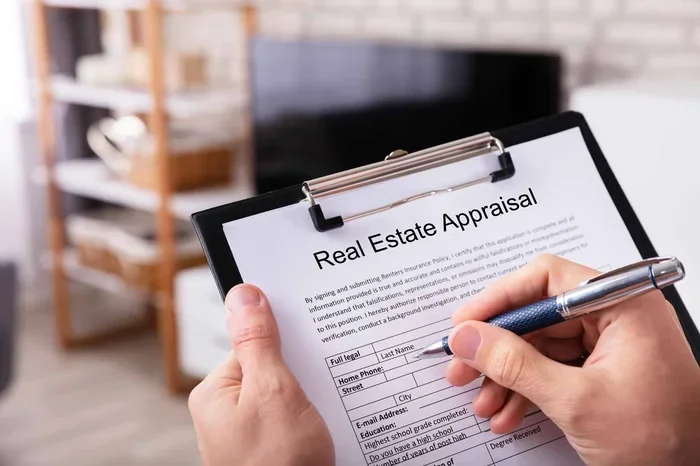

The appraisal meaning is simple: it is a professional opinion of a property’s fair market value. A licensed appraiser evaluates your home by comparing it to similar properties, checking its condition, and analyzing current market trends. Whether you are buying, selling, or refinancing, understanding this process saves you money and prevents costly surprises.
Key Takeaways
- Appraisal meaning: A professional estimate of what a property is worth in the current market.
- Protects buyers: Ensures you do not overpay for a home.
- Required by lenders: Most mortgage companies demand an appraisal before approving a loan.
- Multiple methods exist: Appraisers use the sales comparison, cost, and income approaches.
- Low appraisals happen: You can negotiate, appeal, or cover the gap with more cash.
- Not the same as a home inspection: Appraisals focus on value, while inspections focus on condition and safety.
- Knowledge is power: Understanding the process gives you confidence during any real estate transaction.
📑 Table of Contents
- What Is the Appraisal Meaning?
- How the Appraisal Process Works
- Why Appraisals Matter for Home Buyers and Sellers
- Different Types of Property Appraisals
- How Appraisers Calculate Property Value
- Common Appraisal Problems and How to Handle Them
- The Role of the Certified Appraiser
- How Appraisals Fit Into the Bigger Real Estate Picture
- Key Takeaways
- Conclusion
What Is the Appraisal Meaning?
Let us start with the basics. The appraisal meaning is a professional opinion about how much a property is worth right now. It is not a guess. It is not a hunch. A certified appraiser studies the property, reviews recent sales of similar homes nearby, and puts together a detailed report with a final value number.
Think of it this way. You want to sell your car. You would look at what similar cars of the same make, model, and year are selling for in your area. An appraisal does the exact same thing for a home. The only difference is that a trained expert does the work for you.
Now, why does the appraisal meaning matter so much? In real estate, everyone needs to know the truth about a property’s worth. Buyers need it so they do not overpay. Sellers need it to list at a fair price. Lenders need it to protect their investment. And governments need it to calculate property taxes.
The appraisal meaning also ties directly into the concept of fair market value. That is the price a willing buyer would pay a willing seller when both sides are informed and neither is under pressure. An appraisal tries to find that number as accurately as possible.
Breaking Down the Definition
When you hear the phrase appraisal meaning, think of three key ideas. First, it is an objective evaluation. The appraiser does not care about your emotional attachment to the home. They look at facts, data, and market conditions. Second, it is a current snapshot. Property values change all the time. An appraisal reflects what the home is worth today, not last year. Third, it is a formal document. The appraisal report includes photos, maps, comparisons, and the final value conclusion.
People often confuse an appraisal with a home inspection. They are not the same thing. An inspector checks for problems like a leaky roof or faulty wiring. An appraiser figures out what the property is worth in the market. Both are important, but they serve different purposes.
Why the Term Confuses Many People
Here is why the appraisal meaning trips people up. The word “appraisal” gets used in many different situations. You might hear about a tax assessment, a comparative market analysis, or an insurance replacement estimate. All of these involve putting a value on property, but they are not all the same.
A tax assessment is done by a government office to figure out your property tax bill. A comparative market analysis is usually done by a real estate agent to help you price your home. And an insurance replacement estimate tells you how much it would cost to rebuild the home from scratch. The formal appraisal meaning is specifically a licensed, professional valuation for lending or legal purposes.
Understanding this distinction matters. When you are in a real estate deal, you need the right type of value for the right reason. Using the wrong one can lead to problems down the road.
How the Appraisal Process Works
Now let us walk through the appraisal process step by step. Knowing what happens makes the whole thing less intimidating. Whether you are a first-time homebuyer or a seasoned seller, understanding the process helps you feel more in control.
Step-by-Step Walkthrough
The appraisal process follows a clear path. Here is what typically happens:
- The lender orders the appraisal. This usually happens after your offer is accepted and you move into the mortgage approval phase.
- The appraiser researches the property. They pull public records, look at the deed, check the square footage, and review any permits or renovations.
- The appraiser visits the property. This is the in-person property inspection. They measure rooms, check the condition of the roof, HVAC, plumbing, and electrical systems.
- The appraiser gathers data. They find comparable sales, which are recent sales of homes similar to yours in the same neighborhood.
- The appraiser writes the report. This document includes all the findings, photos, maps, and the final property valuation.
- The lender receives the report. The lender shares the results with you and moves forward with the loan decision.
The entire process usually takes between one and three weeks. It depends on how busy the appraiser is and how complex the property is. Simple homes in standard neighborhoods tend to go faster.
What to Expect During a Property Inspection
On inspection day, the appraiser will walk through every room. They will note the size of each space, the condition of the floors and walls, and any upgrades or repairs needed. They will also check the exterior, including the foundation, landscaping, and driveway.
Here are some quick tips to prepare:
- Make sure all lights work and all appliances are functioning.
- Clean up clutter so the appraiser can see everything clearly.
- Gather any documents about recent renovations or repairs.
- Make the yard presentable.
- Point out any upgrades you have made, like a new roof or updated kitchen.
You do not need to scrub every corner of the house. The appraiser is not looking for cleanliness. They are looking for the property condition and how it affects value. But a tidy home helps them see things more easily.
Why Appraisals Matter for Home Buyers and Sellers
The appraisal meaning hits different people in different ways. For a buyer, it is a shield. For a seller, it is a guide. Let us look at why this matters for both sides of the transaction.
Protecting Buyers From Overpaying
Imagine you fall in love with a home and offer $400,000. The seller accepts. Then the appraisal comes back at $375,000. Suddenly, the lender will only loan you money based on the $375,000 value. You now have to either pay the extra $25,000 out of pocket, negotiate the price down, or walk away.
This is why the appraisal meaning is so important for buyers. It acts as a safety net. The lender wants to make sure the home is worth the loan amount. If it is not, the lender takes on too much risk. The appraisal protects everyone involved.
An appraisal gap happens when the appraised value is lower than the offer price. This has become more common in hot markets where homes sell fast and prices jump quickly. Knowing how to handle an appraisal gap before it happens puts you in a stronger position.
Helping Sellers Set the Right Price
For sellers, the appraisal meaning helps you understand what buyers and lenders see as reasonable. If you list your home at $500,000 but the appraisal comes in at $460,000, buyers may walk away or ask for a price cut.
Smart sellers work with their real estate agent to study comparable sales before listing. They look at what homes like theirs sold for in the last three to six months. This helps them set a price that is attractive to buyers and likely to appraise well.
Overpricing a home is one of the biggest mistakes sellers make. A high price can lead to a low appraisal, which kills the deal or forces a price reduction later. Starting with a realistic price based on market data is always the smarter move.
Different Types of Property Appraisals
Not all appraisals are the same. Different situations call for different types of evaluations. Understanding the types helps you know what to expect when the time comes.
Residential vs Commercial Appraisals
Residential appraisals focus on homes where people live. This includes single-family houses, condos, townhomes, and duplexes. The appraisal process for residential properties is usually faster and more straightforward because the data is more abundant.
Commercial appraisals cover properties used for business. Think office buildings, retail stores, warehouses, and apartment complexes with five or more units. These appraisals take longer because they involve more complex analysis. The income approach becomes very important here, since the value depends heavily on how much money the property generates.
Tax Assessment vs Full Appraisal
A tax assessment is done by your local government to determine your property tax bill. It uses broad data and does not involve a detailed inspection. A full real estate appraisal is much more thorough. It involves an in-person visit, detailed analysis, and a formal report.
You should never assume your tax assessment reflects your true market value. Tax assessments are often based on outdated information or rough estimates. If you are buying or selling, you need a proper property valuation from a licensed professional.
Drive-By Appraisal vs Full Interior Inspection
In some cases, a lender may order a drive-by appraisal. This is a limited appraisal where the appraiser only looks at the exterior of the home from the street. They do not go inside. Drive-by appraisals are faster and cheaper, but they are less accurate. Most lenders prefer a full interior inspection for a complete and reliable property valuation.
How Appraisers Calculate Property Value
Now for the interesting part. How do appraisers actually figure out what a property is worth? They use three main methods, and each one has its own strengths.
The Sales Comparison Approach
This is the most common method for residential properties. The appraiser finds comparable sales, or “comps” for short. These are homes that sold recently, usually within the last six months, in the same neighborhood. The comps should be similar in size, age, condition, and features.
The appraiser then adjusts the comps to account for differences. For example, if a comparable home has a pool and yours does not, the appraiser will adjust the value down. If your home has a newer roof, the value goes up. These adjustments bring the comps in line with your property.
The sales comparison approach is powerful because it reflects what real buyers are actually paying for homes like yours. It is grounded in real market data, not estimates.
The Cost Approach
The cost approach estimates how much it would cost to rebuild the property from scratch today. The appraiser looks at the land value and adds the cost of construction, minus depreciation. This method works best for new homes or unusual properties where there are not many comparable sales available.
For example, if you own a historic home with unique architecture, finding comps might be difficult. The cost approach helps fill that gap by focusing on what the physical structure is worth.
The Income Approach
The income approach is mainly used for investment properties and commercial real estate. The appraiser looks at the rental income the property generates and applies a capitalization rate to determine the value. If a duplex brings in $3,000 per month in rent, that income stream directly affects the property valuation.
Homebuyers who plan to rent out part of their property should understand this approach. It can significantly impact the appraisal value, especially in areas with strong rental demand.
Common Appraisal Problems and How to Handle Them
The appraisal process does not always go smoothly. Problems come up more often than you might think. Knowing what to expect helps you stay calm and find solutions.
What Happens When the Value Comes In Low
A low appraisal is one of the most common issues in real estate. It means the appraiser valued the home lower than the agreed purchase price. This can delay or even kill a deal if no one addresses it.
Here is what you can do when facing a low appraisal:
- Negotiate with the seller. Ask the seller to lower the price to match the appraised value.
- Challenge the appraisal. If you believe the appraiser made mistakes, you can request a reconsideration of value through the lender.
- Cover the gap. The buyer can pay the difference between the appraisal and the offer price with additional cash.
- Get a second appraisal. In some cases, the lender will order a new appraisal if there are clear errors in the first one.
The key is to stay calm and look at the options. A low appraisal is not the end of the deal. It is just a bump in the road that requires a smart response.
Tips to Avoid Appraisal Issues
Prevention is always better than cure. Here are some tips to help your appraisal go smoothly:
- Price your home realistically from the start. Do not overinflate the listing price.
- Provide the appraiser with a list of all upgrades and renovations, including permits if possible.
- Make minor repairs before the inspection. Fix leaky faucets, patch holes in the wall, and tighten loose cabinet handles.
- Keep records of any major work, like a new roof, HVAC system, or kitchen renovation.
- Understand the appraisal contingency in your purchase contract. This clause lets you back out or renegotiate if the appraisal comes in low.
Being prepared shows the appraiser that you care about the property and gives them accurate information to work with. It also builds trust and can lead to a better outcome for everyone.
The Role of the Certified Appraiser
A certified appraiser is a trained professional who follows strict standards. In the United States, most appraisers follow the USPAP guidelines, which stands for the Uniform Standards of Professional Appraisal Practice. These rules ensure that every appraisal is done ethically and consistently.
The appraiser must be licensed or certified by the state where the property is located. They must also maintain continuing education to stay up to date with market trends, regulations, and valuation methods. This training ensures that the appraisal meaning you receive is reliable and defensible.
When choosing or working with an appraiser, look for someone with experience in your specific type of property and neighborhood. Local knowledge matters. An appraiser who knows your area understands the nuances of the local market, from neighborhood trends to zoning changes.
How Appraisals Fit Into the Bigger Real Estate Picture
The appraisal meaning does not exist in a vacuum. It connects to many other parts of the real estate world. Understanding these connections gives you a bigger picture of how property value works.
For mortgage lending, the appraisal is the foundation of the loan decision. The lender wants to know that the property backing the loan is worth the loan amount. If the appraisal is low, the lender may reduce the loan amount or deny the application altogether.
For property taxes, the assessed value determines how much you pay each year. While this is not the same as a formal appraisal, the concepts are related. A high appraisal value can sometimes lead to a higher tax assessment over time.
For home equity, the appraisal determines how much equity you have built. If your home was worth $300,000 when you bought it and the appraisal now shows $350,000, you have $50,000 more in equity. This matters for refinancing, home equity loans, and selling.
For estate planning and legal matters, appraisals are often needed to determine the value of a property for inheritance, divorce, or legal disputes. The appraisal meaning in these contexts carries serious legal and financial weight.
Every one of these scenarios shows why understanding the appraisal meaning is valuable. It is not just a piece of paperwork. It is a tool that protects your financial interests and helps you make smarter decisions.
Key Takeaways
- The appraisal meaning is a professional, objective estimate of a property’s fair market value.
- Appraisals protect buyers from overpaying and give lenders confidence in the loan.
- The appraisal process involves research, an in-person inspection, and a formal written report.
- Appraisers use three main methods: the sales comparison approach, the cost approach, and the income approach.
- Low appraisals happen but can be handled through negotiation, challenging the report, or covering the gap.
- Different types of appraisals serve different purposes, from tax assessments to full real estate valuations.
- Understanding the process empowers you to navigate real estate transactions with confidence and clarity.
Conclusion
The appraisal meaning is more than just a value number on a page. It is a critical part of any real estate transaction that affects buyers, sellers, lenders, and even governments. When you understand what an appraisal is, how it works, and why it matters, you are in a much better position to make smart decisions.
Whether you are buying your first home, selling a property you have owned for years, or refinancing to get a better rate, the appraisal meaning will come into play. It protects you. It guides you. And it keeps the real estate market fair and transparent for everyone involved.
Take the time to learn about the appraisal process before you need it. Talk to your real estate agent, ask your lender questions, and read up on property valuation basics. The more you know, the less intimidating the process becomes. And when the appraisal report lands on your desk, you will know exactly what it means and what to do next.
Knowledge is your greatest asset in real estate. Understanding the appraisal meaning gives you that knowledge. Use it wisely, and it will serve you well in every transaction you face.
Frequently Asked Questions
What is the appraisal meaning in simple terms?
The appraisal meaning is a professional opinion of how much a property is worth in the current market. A licensed appraiser evaluates the home, compares it to similar properties, and writes a formal report with a final value. It is used mainly by lenders to make sure the loan amount matches the property’s true worth.
How long does the appraisal process take?
The appraisal process typically takes between one and three weeks from start to finish. The actual property inspection might only take a couple of hours. But the research, data analysis, and report writing take more time. Busy markets and complex properties can stretch the timeline a bit longer.
What is the difference between an appraisal and a home inspection?
The appraisal meaning focuses on property value, while a home inspection focuses on condition and safety. An appraiser determines what the home is worth. An inspector checks for problems like mold, electrical issues, or structural damage. Both are important, but they serve completely different purposes in a real estate transaction.
Can I challenge a low appraisal?
Yes, you can challenge a low appraisal. Start by reviewing the report for errors. Look at the comparable sales the appraiser used. If you find mistakes or outdated data, you can ask the lender for a reconsideration of value. Having your real estate agent provide additional comps can also strengthen your case.
Does the buyer or seller pay for the appraisal?
In most cases, the buyer pays for the appraisal as part of the closing costs. However, this can vary depending on the contract and local customs. Some sellers choose to pay upfront to show the property’s value and attract more buyers. Always check the terms of your purchase agreement.
What happens if the appraisal comes in lower than the offer price?
When the appraisal meaning comes in lower than the offer price, you have a few options. The buyer and seller can renegotiate the price down to the appraised value. The buyer can pay the difference in cash. Or the buyer can use the appraisal contingency in the contract to back out and get their deposit back. Your real estate agent can help you decide the best path forward.