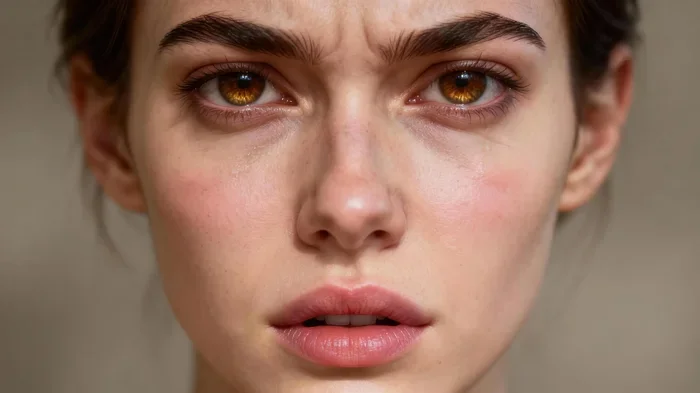

The frown meaning goes far deeper than most people realize. It is a powerful facial expression that signals emotions like displeasure, concern, and deep thought. Understanding what a frown truly communicates can transform how you read others and even improve your own mood. This guide breaks down the science, types, and social impact of frowning in plain, easy-to-follow language.
Have you ever caught yourself frowning and wondered what it actually meant? Maybe someone gave you a frown, and you spent the whole day thinking about it. The frown meaning is something most of us never stop to consider, yet it shapes our daily interactions in powerful ways. A frown is one of the most universal facial expressions, but its meaning is far more complex than simply feeling sad.
This article dives deep into what a frown really means. You will learn about the science behind it, the different types of frowns, and how it affects your relationships and mental well-being. By the end, you will see this simple facial expression in a completely new light. Let us get started.
## What Does a Frown Really Mean?
The frown meaning is not a one-size-fits-all answer. Most people associate a frown with being unhappy. But that is only part of the story. A frown can mean many things depending on the situation, the person, and the context around it.
### The Basic Frown: Sadness and Displeasure
The most common frown meaning is straightforward sadness or displeasure. When someone frowns, they are usually reacting to something they do not like. It could be bad news, a disappointing outcome, or simply a bad day. This type of frown is easy to read because it is so familiar.
### Frowning as a Sign of Deep Concentration
Here is something surprising. A frown does not always mean unhappiness. Many people frown when they are deeply focused or thinking hard about a problem. Studies in facial coding show that concentration activates the same facial muscles as a displeased frown. So the next time someone frowns while working, they might just be solving a puzzle, not feeling down.
### Frowning as a Signal of Confusion or Concern
A slight frown can also mean confusion or concern. When something does not make sense, the face naturally pulls inward. This subtle frown meaning is important in conversations. It tells the other person that you are processing information and might need clarification.
## The Science Behind Frowning
Understanding the frown meaning requires looking at the science. Facial expressions are not just emotional outbursts. They involve specific muscles, brain processes, and even chemical responses in the body.
### The Facial Muscles Involved in Frowning
The main muscle responsible for frowning is the corrugator supercilii. This small muscle sits above the eyebrow and pulls the brows downward and together. When it contracts, it creates the classic furrowed brow look. Another muscle, the procerus, also plays a role by pulling the skin between the eyebrows downward.
These muscles work together to create the physical appearance of a frown. Interestingly, these muscles are some of the most active in human facial expression. They fire up during a wide range of emotions, not just negative ones.
### How the Brain Processes Frowning
The brain plays a central role in frowning. The amygdala, which handles emotional responses, triggers facial muscle movements. When you feel something, your brain sends signals to the face within milliseconds. This is why frowning often feels involuntary. You do not always choose to frown. Your brain reacts first, and the face follows.
The facial feedback hypothesis adds another layer. This theory suggests that the act of frowning can actually influence your emotions. When you frown, your brain may interpret the facial position as a signal of displeasure and amplify negative feelings. This creates a feedback loop that can affect your mood over time.
### Microexpressions and the Frown
Microexpressions are brief, involuntary facial expressions that reveal true emotions. A quick frown might be a microexpression that flashes across someone’s face in a fraction of a second. These tiny expressions are hard to control and often expose feelings the person is trying to hide. Understanding microexpression frowning can help you read people more accurately in social situations.
## Different Types of Frowns and Their Meanings
Not all frowns look the same. Each type carries its own frown meaning and emotional signal. Learning to distinguish between them improves your ability to understand others.
### The Social Frown
A social frown is a polite or restrained expression. People use it to show disagreement or discomfort without being rude. For example, if someone tells a joke that falls flat, a social frown signals that the humor did not land. It is a subtle way of giving feedback without words.
### The Pain Frown
When people experience physical pain, their face often forms a distinctive frown. The brows knit together, and the eyes squeeze shut. This pain frown is instinctive and appears across all cultures. It is one of the most recognizable facial expressions linked to discomfort.
### The Frustration Frown
Frustration creates a very specific frown. The brows press down, and the lips may press together tightly. This expression often appears when someone is stuck or unable to solve a problem. The frustration frown meaning is clear: something is blocking progress, and the person feels stuck.
### The Sympathy Frown
A sympathy frown shows empathy and care. The brows tilt inward, and the mouth softens. This type of frown means you feel concern for someone else’s situation. It is a compassionate expression that signals you understand another person’s pain.
## How Frowning Affects Your Relationships
The frown meaning has a direct impact on how people perceive you. Your facial expressions shape first impressions, trust levels, and overall relationship quality.
### First Impressions and the Frown
First impressions matter enormously. Research shows that people form judgments about others within milliseconds. A frown can create an immediate impression of unfriendliness or disapproval. Even if you are simply concentrating or thinking, others may interpret your frown as being upset or unapproachable.
This does not mean you should never frown. But being aware of how your face reads to others helps you manage social interactions more effectively.
### Frowning and Trust
Trust is built through consistent positive social cues. Frequent frowning can erode trust over time. People may start to associate your face with negativity, even if your frowns have nothing to do with them. This is why emotional awareness matters so much in relationships.
### How Others’ Frowns Affect You
It works both ways. When someone frowns at you, your brain processes it as a negative social signal. This can trigger stress responses, lower your mood, and make you feel unwelcome. Understanding frown meaning helps you respond with empathy instead of taking it personally.
## Frowning and Your Mental Health
The connection between frowning and mental health is stronger than most people realize. Your facial expressions are not just outputs of emotion. They can actively influence your psychological state.
### The Facial Feedback Effect
The facial feedback effect suggests that facial expressions can trigger or amplify emotions. When you frown repeatedly, your brain may reinforce feelings of sadness or stress. Over time, habitual frowning can contribute to a more negative emotional state.
This does not mean frowning causes depression. But chronic facial tension and frequent frowning can worsen existing mood challenges. Being mindful of your expressions is a small but meaningful step toward better emotional health.
### Stress and the Frown
Stress is one of the biggest triggers for unconscious frowning. When you feel pressure, your face tenses up. The brow furrows, and the jaw tightens. Over time, this becomes a habit that persists even after the stressor is gone.
Reducing stress through exercise, meditation, or relaxation techniques can naturally decrease frowning. Your face will look more relaxed, and your mood may improve as a result.
### When Frowning Becomes a Habit
Some people frown without any emotional trigger. It becomes a habitual facial pattern that they are not even aware of. This constant tension in the face can lead to headaches, jaw pain, and increased feelings of negativity.
Breaking this habit starts with awareness. Once you notice yourself frowning, you can consciously relax your face. Over time, this simple practice can rewire your facial expressions and improve your emotional outlook.
## Can You Change Your Frowning Habits?
The good news is that frowning habits can be changed. With practice and awareness, you can reduce unconscious frowning and improve both your expressions and your mood.
### Step 1: Build Awareness
The first step is noticing when you frown. Set gentle reminders throughout the day to check your facial expression. Are your brows furrowed? Is your jaw clenched? Awareness is the foundation of change.
### Step 2: Practice Relaxed Facial Posture
Consciously relax your face throughout the day. Let your brows lift slightly. Soften your jaw. Keep your lips gently closed rather than pressed together. A relaxed face sends positive signals to your brain and reduces the facial feedback effect.
### Step 3: Use Mirror Practice
Stand in front of a mirror and observe your resting face. What expression do you see? If it looks tense or furrowed, practice softening it. Mirror practice helps train your facial muscles to default to a more neutral, relaxed state.
### Step 4: Address Underlying Stress
Chronic frowning often stems from unmanaged stress. Tackling the root cause through healthy coping strategies can reduce frowning naturally. Exercise, quality sleep, and mindfulness practices all help lower overall tension in the body and face.
## Frown Meaning Across Cultures
Frown meaning is not identical across every culture. While basic emotions like sadness and displeasure are universally recognized, the intensity and frequency of frowning can vary.
In some cultures, frowning is more common and socially acceptable. In others, people may frown less frequently in public settings. Understanding cultural differences in facial expression helps you avoid misreading others and communicating more effectively across diverse backgrounds.
## Quick Tips for Understanding Frown Meaning
Here are some fast, practical tips to keep in mind:
- Look at the whole face: a single frown means less than a combination of facial cues.
- Consider the context: a frown during a puzzle is different from a frown during a conversation.
- Watch for duration: a quick frown is different from a sustained one.
- Check body language: crossed arms with a frown means something different than a frown with open hands.
- Ask before assuming: when in doubt, simply ask the person how they are feeling.
## Common Mistakes People Make About Frowning
Misunderstanding the frown meaning leads to several common mistakes that affect relationships and self-awareness.
### Mistake 1: Assuming Every Frown Means Anger
A frown does not always equal anger. People frown when they are thinking, concentrating, or feeling concerned. Jumping to conclusions based on a single expression can lead to unnecessary conflict.
### Mistake 2: Ignoring Your Own Frowning
Many people are completely unaware of their own habitual frowning. This lack of self-awareness can damage relationships and affect mood without the person ever realizing it.
### Mistake 3: Overcorrecting and Smiling Forcedly
Some people try to never frown by forcing a smile all the time. This inauthentic approach can feel unnatural and even increase stress. The goal is not to eliminate frowning but to be mindful of it.
### Mistake 4: Reading Only the Mouth
The mouth is only part of the frown. The brows, eyes, and overall facial tension all contribute to the full expression. Ignoring these other cues leads to incomplete understanding.
## Expert Insights on Facial Expression and Emotion
Dr. Paul Ekman, a pioneer in facial expression research, identified the frown as one of the key facial actions linked to negative emotion. His work on facial coding laid the foundation for understanding how specific muscle movements correspond to emotional states.
Modern researchers continue to build on this work. Studies using electromyography (EMG) measure the electrical activity in facial muscles during frowning. These studies confirm that frowning involves measurable physiological changes that go beyond simple emotion.
The field of emotional intelligence also emphasizes the importance of reading facial cues accurately. People with high emotional intelligence tend to pick up on subtle expressions like frowning more readily. This skill helps them navigate social situations with greater empathy and understanding.
## Conclusion
The frown meaning is richer and more nuanced than most people ever consider. It is not simply a sign of being unhappy. A frown can signal concentration, concern, confusion, pain, frustration, or empathy. Understanding these layers helps you connect better with others and understand yourself more deeply.
By paying attention to your own facial expressions and learning to read the frowns of others, you build stronger relationships and greater emotional awareness. Small changes in how you manage frowning can lead to meaningful improvements in your mood, your interactions, and your overall well-being.
Start today. Notice your face throughout the day. Listen to what it might be telling you. You might be surprised by what you discover.
Key Takeaways
- A frown is not always sadness: it can signal concentration, confusion, or even pain.
- Facial muscles drive frowning: the corrugator supercilii muscle plays the biggest role.
- Frowning affects how others see you: it influences relationships, trust, and first impressions.
- Chronic frowning can impact mental health: it is linked to stress, anxiety, and low mood.
- Body language context matters: a frown combined with other cues changes its meaning entirely.
- You can retrain frowning habits: awareness and simple exercises help reduce unconscious frowning.
- Frown meaning varies across cultures: what a frown signals in one culture may differ in another.
Frequently Asked Questions
What is the basic frown meaning in everyday communication?
In everyday communication, a frown most commonly signals sadness, displeasure, or dissatisfaction. However, it can also indicate deep concentration, confusion, or concern depending on the situation and context around the expression.
Why do I frown without realizing it?
Unconscious frowning often stems from stress, habit, or concentration. Your facial muscles tense up automatically in response to mental load or emotional tension, and over time this becomes a pattern you are not actively aware of.
Can frowning actually make you feel worse?
Yes, according to the facial feedback hypothesis, the physical act of frowning can amplify negative emotions. When your face adopts a frowning expression, your brain may interpret it as a signal of displeasure and reinforce those feelings.
Does the frown meaning change across different cultures?
While the core emotions behind a frown are fairly universal, the frequency, intensity, and social acceptability of frowning can vary across cultures. Some cultures frown more openly, while others may suppress the expression in public settings.
How can I stop frowning so much?
Start by building awareness of your facial expressions throughout the day. Practice relaxing your brow and jaw muscles consciously, manage underlying stress through healthy habits, and use mirror exercises to train your face toward a more neutral, relaxed resting state.
What other body language cues should I look for alongside a frown?
Look at the whole picture. Check for crossed arms, eye contact, posture, jaw clenching, and overall body tension. These additional cues help you interpret the frown meaning more accurately and avoid misreading someone’s true feelings.
=== CONCLUSION ===
Understanding the frown meaning opens up a new level of awareness in your daily life. It helps you read others with more accuracy and manage your own expressions with greater intention. The frown is not just a simple face. It is a complex emotional signal that carries weight in every conversation and interaction.
Take what you have learned here and start applying it today. Notice the frowns around you. Notice your own. Small shifts in awareness lead to big changes in how you connect with the world.