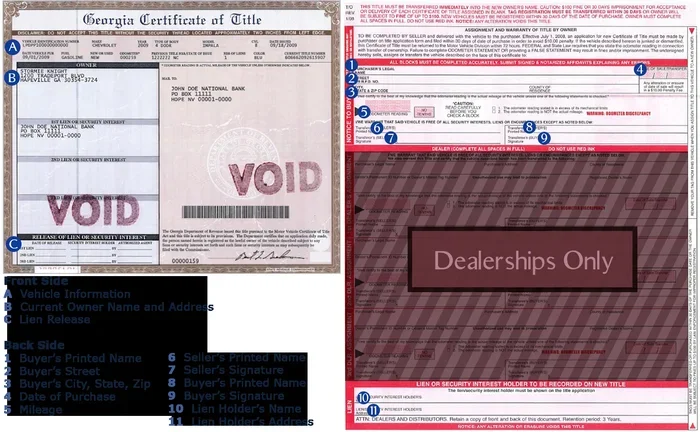

The lienholder meaning is simple: it is the bank, company, or person that holds a legal claim on your property until you fully pay off a loan. Whether you are buying a car or a home, a lienholder protects the lender’s financial interest. Understanding this concept helps you avoid surprises when selling, refinancing, or transferring ownership of your assets.
If you have ever bought a car with a loan or taken out a mortgage, there is a good chance someone else has a legal claim on that property. That claim comes from a lienholder. The lienholder meaning might sound like a legal term meant for lawyers, but it is actually quite simple. Once you understand it, you will see why it touches almost every major purchase that involves borrowing money.
A lienholder is simply the person, bank, or company that holds a lien on your property. A lien is a legal right to keep or sell your property if you fail to pay what you owe. The lienholder uses this right as protection. They want to make sure they get their money back. In most cases, the lien stays in place until you finish paying off the loan in full.
This article breaks down the lienholder meaning in plain language. You will learn how liens work, the different types you may encounter, and what to do when the loan is paid off. Whether you are buying a car, a house, or dealing with an unexpected claim on your property, this guide has you covered.
Key Takeaways
- A lienholder is the lender or entity that has a legal claim on your property until the loan is fully paid.
- There are different types of liens, including car liens, mortgage liens, tax liens, and mechanic’s liens.
- You cannot sell or transfer clear title to property while an active lien is still on it.
- A lien release is a document that proves the loan is paid and removes the claim from your property.
- You can find your lienholder by checking your vehicle title, property deed, or doing a lien search.
- Ignoring a lien can lead to repossession, legal action, or difficulty refinancing.
- Always get a lien release document and confirm it is recorded after paying off any loan.
📑 Table of Contents
- What Is a Lienholder? The Simple Definition
- How Does a Lienholder Work in Practice?
- Types of Liens You Should Know
- How to Find Out Who the Lienholder Is
- What Happens When You Pay Off Your Loan
- Common Mistakes People Make With Liens
- Expert Insights on Lienholders and Your Property
- Key Takeaways
- Frequently Asked Questions
- Conclusion
What Is a Lienholder? The Simple Definition
The lienholder meaning comes down to one core idea: someone who holds a legal claim on your property as security for a debt. Think of it like a safety net for the lender. If you stop making payments, the lienholder has the legal right to take the property or force its sale to recover the money owed.
Let us say you buy a car for $25,000. You do not pay the full amount upfront. Instead, you take out an auto loan from a bank. Until you pay off that loan, the bank is the lienholder. The bank has a legal interest in your car. This means the bank’s name appears on your vehicle title. It also means the bank can repossess the car if you fall too far behind on payments.
The same idea applies to homes. When you get a mortgage, the lender places a lien on the property. The lender is the lienholder. If you default on your mortgage payments, the lender can start foreclosure proceedings. The lien gives them the legal right to take your home in exchange for the unpaid debt.
Why Does a Lienholder Matter?
The lienholder meaning matters because it affects your ability to sell, transfer, or refinance property. A lien is an encumbrance. That means it is a legal burden on your property. As long as the lien is active, you do not own the property completely free and clear. The lienholder has a piece of the ownership rights tied to the debt.
Here are a few real-life situations where understanding your lienholder is essential:
- Selling a car: You cannot transfer a clean title to a buyer while a lienholder still has a claim on the vehicle. You must pay off the loan first.
- Refinancing a home: Lenders will check for existing liens before approving a new mortgage. An active lien can complicate or block the process.
- Buying used property: You need to do a lien search to make sure no one else has a claim on the property you are buying.
- Insurance claims: If your property is damaged or totaled, the lienholder may need to be listed on the insurance payout.
In short, knowing who your lienholder is and what they can do protects you from unpleasant surprises. It also helps you make smarter financial decisions.
How Does a Lienholder Work in Practice?
Understanding the lienholder meaning is one thing. Understanding how it works day to day is another. Let us walk through the process step by step so it feels clear and practical.
The Loan Agreement Creates the Lien
Every time you borrow money to buy something, a lien is created. The lender and you sign a loan agreement. That agreement includes a clause that gives the lender a security interest in the property. This is how the lienholder meaning becomes a legal reality.
For a car loan, the lender files a lien with the state’s Department of Motor Vehicles. For a home loan, the lien is filed with the county recorder’s office. Once filed, the lien becomes part of the public record. Anyone can look it up and see that the property has an outstanding debt attached to it.
The Lienholder Holds the Title or Deed
In many cases, the lienholder physically holds the title or deed until the loan is paid off. For cars, the lender often keeps the vehicle title. You receive a copy, but the original stays with the lender. For homes, the deed of trust or mortgage document gives the lender a security interest, even though you hold the deed.
This arrangement protects the lender. It also means you should always check with your lienholder before making major decisions about the property. Selling, gifting, or transferring the property without involving the lienholder can create legal problems.
Payments Reduce the Lien Over Time
Every payment you make chips away at the loan balance. As the balance goes down, your ownership stake goes up. The lienholder still has a claim, but it gets smaller with each payment. Once the loan is fully paid, the lien should be released.
Here is a simple example. Say you buy a truck for $30,000 with a five-year loan. At the start, the lienholder has a $30,000 claim on the truck. After two years of on-time payments, you might owe $18,000. The lienholder claim drops to $18,000. After five years of payments, the balance is zero. The lien should be fully released.
Types of Liens You Should Know
Not all liens are the same. The lienholder meaning stays consistent, but the type of lien can vary widely. Knowing the different kinds helps you understand where you might encounter a lien and what to expect.
Voluntary Liens
A voluntary lien is one you agree to when you take out a loan. These are the most common types of liens. When you finance a car or a home, you voluntarily give the lender a lien on the property as collateral.
- Auto loan liens: The lender places a lien on your car until the loan is paid.
- Mortgage liens: The bank places a lien on your home as security for the home loan.
- Boat or RV liens: Similar to auto liens, these apply to recreational vehicles financed through a loan.
Voluntary liens are predictable. You know they are there because you agreed to them. The lienholder in a voluntary lien is almost always a financial institution like a bank or credit union.
Involuntary Liens
Involuntary liens are placed on your property without your direct agreement. These often come from unpaid debts or legal judgments. They can be a real headache if you are not aware of them.
- Tax liens: If you owe back taxes, the government can place a lien on your property. The IRS or state tax agency becomes the lienholder.
- Judgment liens: If someone sues you and wins a court judgment, they can place a lien on your property to secure the debt.
- Mechanic’s liens: If a contractor does work on your home or property and you do not pay, they can file a mechanic’s lien. The contractor becomes the lienholder until the bill is paid.
Involuntary liens can affect your ability to sell property or get new credit. They are also public record, which means anyone can find them. If you suspect an involuntary lien exists, doing a lien search at your county clerk’s office is a smart first step.
Statutory Liens
A statutory lien is created by law rather than by a contract. These liens arise automatically in certain situations. For example, a garage that repairs your car has a statutory lien right to keep the car until you pay the repair bill. The garage is the lienholder by default under state law.
Statutory liens are less common in everyday life, but they are important to know about. They give certain service providers automatic legal rights to your property until their bills are settled.
How to Find Out Who the Lienholder Is
Sometimes you need to find out who the lienholder is on a property you own or want to buy. The process is straightforward, and knowing how to do it gives you control over your financial situation.
Check Your Title or Deed
The fastest way to find your lienholder is to look at your vehicle title or property deed. For cars, the title usually lists the lienholder’s name and address. For homes, the deed of trust or mortgage document names the lender. If you do not have these documents, contact your lender or county recorder’s office.
Do a Lien Search
A lien search pulls up all liens recorded against a property. You can do this at the county clerk’s office or through online title search services. For vehicles, you can also check with your state’s DMV. A lien search is especially important before buying used property or a used car. It helps you avoid inheriting someone else’s debt.
Contact Your Lender Directly
If you are not sure who holds a lien, reach out to your lender. They can confirm the lienholder status and provide a payoff quote. This is especially useful if you are planning to sell or refinance. Your lender can also tell you the exact amount needed to fully satisfy the loan and release the lien.
What Happens When You Pay Off Your Loan
Paying off a loan is a great feeling, but the process does not end with the final payment. There is an important step that many people overlook: getting a lien release.
The Lien Release Process
Once your loan balance reaches zero, the lienholder is required to release the lien. This usually involves sending you a lien release document or a certificate of satisfaction. This document proves that the debt is fully paid and that the lienholder no longer has a claim on your property.
Here is what you should do after paying off a loan:
- Request the lien release in writing. Do not rely on a verbal confirmation. Get a physical or digital document from the lienholder.
- Confirm the document is recorded. For property liens, the release must be filed with the county recorder. For vehicle liens, the release should be sent to the DMV.
- Keep copies for your records. Save the lien release in a safe place. You may need it when selling or refinancing the property.
Why a Lien Release Matters
Without a proper lien release, you may not be able to sell or refinance your property. The lienholder still shows up in public records as having a claim, even if the debt is paid. This creates confusion and can delay transactions. Always follow up to make sure the release is properly recorded.
Some lenders are slow to send the release. If this happens, contact them directly and request the document. Most states also have laws that require the lienholder to release the lien within a certain timeframe after loan payoff. Know your rights and do not let this step slip through the cracks.
Common Mistakes People Make With Liens
Even people who understand the lienholder meaning can make mistakes when dealing with liens. Avoiding these common errors saves time, money, and stress.
Skipping the Lien Search Before Buying
One of the biggest mistakes is buying property without doing a lien search. You could end up purchasing a car or home with an outstanding debt attached to it. The lienholder still has legal rights. Always check for liens before completing any purchase.
Assuming the Lien Disappears Automatically
Paying off a loan does not automatically remove the lien. The lienholder must take action to release it. Some lenders do this promptly, while others need a formal request. Do not assume the lien is gone just because your balance is zero.
Ignoring Involuntary Liens
If you discover an involuntary lien, such as a tax lien or judgment lien, do not ignore it. These liens can grow with interest and penalties. They can also lead to wage garnishment or property seizure. Address them head-on by contacting the lienholder or seeking legal advice.
Not Keeping Records
Keep every document related to your loans and liens. This includes the original loan agreement, payment records, and the lien release. Good record-keeping protects you if a dispute ever arises about the lienholder or the status of the debt.
Expert Insights on Lienholders and Your Property
Financial advisors and legal professionals agree that understanding the lienholder meaning is one of the most overlooked aspects of personal finance. A clear title or clear vehicle title is one of the most valuable assets you can have. It gives you freedom to sell, trade, or refinance whenever you choose.
Experts recommend reviewing your credit report regularly. A credit report can reveal outstanding liens or judgments you may not know about. You should also check your property records at least once a year. This simple habit catches errors and prevents surprises down the road.
Another tip from professionals: always read the fine print before signing a loan agreement. The terms will tell you exactly what rights the lienholder has and what happens if you miss payments. Knowledge is your best defense against unexpected claims on your property.
Key Takeaways
- A lienholder is the lender or entity that has a legal claim on your property until the loan is fully paid.
- There are different types of liens, including car liens, mortgage liens, tax liens, and mechanic’s liens.
- You cannot sell or transfer clear title to property while an active lien is still on it.
- A lien release is a document that proves the loan is paid and removes the claim from your property.
- You can find your lienholder by checking your vehicle title, property deed, or doing a lien search.
- Ignoring a lien can lead to repossession, legal action, or difficulty refinancing.
- Always get a lien release document and confirm it is recorded after paying off any loan.
Frequently Asked Questions
What does lienholder mean in simple terms?
A lienholder is the person or company that has a legal claim on your property because you owe them money. They hold the right to keep or sell the property if you fail to repay the debt. The lienholder meaning is essentially “the entity that protects its financial interest by placing a lien on your property.”
Can a lienholder take my property?
Yes, but only under specific conditions. If you default on the loan and fail to make payments, the lienholder has the legal right to repossess the property or initiate foreclosure. However, they cannot take the property simply because you are late on one payment. Most lenders will work with you before taking such serious action.
How do I remove a lienholder from my title?
To remove a lienholder from your title, you must pay off the loan in full. Then, request a lien release document from the lender. For vehicles, the lender sends the release to the DMV, and a new title is issued in your name without the lienholder listed. For property, the release must be filed with the county recorder’s office.
Is a lienholder the same as a mortgage lender?
In most cases, yes. The lienholder on a home is the mortgage lender. They hold a lien on the property as security for the home loan. However, a lienholder can also be a mechanic, contractor, or government agency, depending on the type of lien. The term simply means the entity that holds the legal claim.
What happens if I buy a car with an existing lien?
If you buy a car with an existing lien, the lienholder still has a claim on the vehicle. This means you cannot get a clear title until the lien is satisfied. In a private sale, the seller must pay off the loan first. If you are buying from a dealer, they typically handle the payoff as part of the transaction. Always do a lien search before completing any vehicle purchase.
Can a lienholder place a lien on property I already own?
Yes, under certain circumstances. If you have unpaid debts, a creditor can obtain a court judgment and place a judgment lien on your existing property. Government agencies can also place tax liens on property you already own for unpaid taxes. These involuntary liens do not require your permission and can complicate your ability to sell or refinance.
Conclusion
The lienholder meaning is a concept that touches almost everyone who borrows money to buy property. Whether it is a car, a home, or another major asset, a lienholder has a legal stake in your property until the debt is satisfied. Understanding this relationship empowers you as a buyer, seller, and borrower.
Knowing who your lienholder is, how the lien works, and what steps to take for a lien release puts you in control. You avoid common pitfalls like buying property with hidden liens or forgetting to get the release document after payoff. These small but critical steps protect your financial health and your ownership rights.
Take action today. Review your titles and deeds. Do a lien search if you are unsure about the status of any property. And always follow up with your lienholder after paying off a loan to make sure the release is properly recorded. A clear title is one of the best assets you can have, and understanding the lienholder meaning is the first step toward keeping it that way.