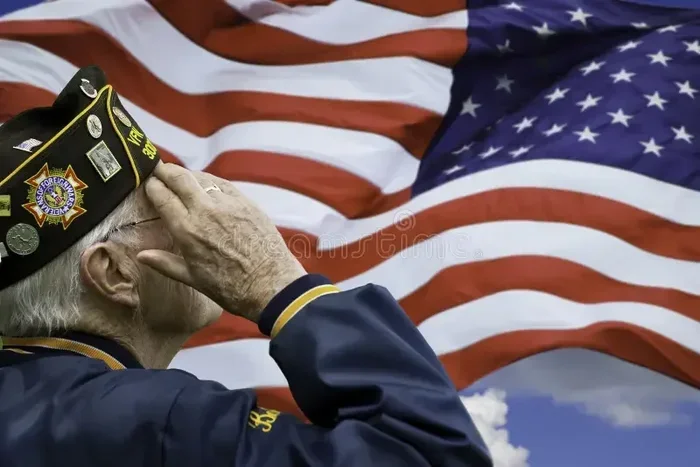

The veterans day meaning goes far deeper than a day off work. It is a powerful national holiday that honors every man and woman who ever wore the uniform of the United States military. Understanding what veterans day truly represents helps us connect with the sacrifice, courage, and patriotism behind the date on our calendars.
Every November 11, millions of Americans fly flags, attend parades, and enjoy a long weekend. But behind the barbecues and retail sales lies a deeper story. The veterans day meaning carries a weight that many people overlook in the rush of everyday life.
So what does Veterans Day really mean? It is not just another federal holiday. It is a day set aside to honor every person who has ever served in the United States military. Whether they served during wartime or peacetime, whether they are young or old, living or gone, this day belongs to them.
In this article, we will walk through the full story. You will learn where the holiday came from, how it grew, and why the veterans day meaning still matters today. We will clear up common confusions, share practical ways to celebrate, and give you a fuller picture of what this day truly stands for.
Key Takeaways
- Veterans Day honors all who served: Unlike Memorial Day, this holiday celebrates living and deceased veterans alike.
- The real story starts with World War One: The armistice signed on November 11, 1918, gave birth to this meaningful day.
- It was once called Armistice Day: The name changed in 1954 to include veterans of every war.
- Many people confuse it with Memorial Day: Knowing the difference shows respect for both holidays.
- You can celebrate in many ways: From parades to simply saying thank you, every gesture counts.
- The veterans day meaning is personal: It is about gratitude, remembrance, and recognizing sacrifice and service.
📑 Table of Contents
- What Is the Veterans Day Meaning?
- How Veterans Day Started: The Real Story
- Veterans Day vs Memorial Day: What Is the Difference?
- Who Does Veterans Day Honor?
- How People Celebrate Veterans Day Today
- Why Understanding the Veterans Day Meaning Matters
- Common Mistakes People Make About Veterans Day
- Expert Insights on the Veterans Day Meaning
- Quick Tips for a Meaningful Veterans Day
- Conclusion
What Is the Veterans Day Meaning?
At its core, the veterans day meaning is simple: it is a day of gratitude. A day to say thank you. A day to remember the courage of those who defended our country. But like most things worth understanding, the full picture has many layers.
The holiday honors all American veterans. That includes those who served in the Army, Navy, Air Force, Marine Corps, Coast Guard, and Space Force. It also includes those who served in the Reserve and National Guard. Every branch. Every era. Every single person who answered the call to serve.
What makes this day different from other patriotic holidays? It does not focus on battles or deaths. It focuses on people. The living and the fallen. The young recruit and the retired sergeant. The father, mother, son, daughter, and friend. That broad scope is what gives the veterans day meaning its unique power.
On this day, communities across the country come together. Schools hold special assemblies. Businesses offer free meals to those who served. Neighbors take a moment to reflect. All of these acts tie back to one central truth: we are grateful for those who wore the uniform.
A Day of Gratitude, Not Grief
It is important to understand that Veterans Day is not a sad day. It is not a day of mourning. Instead, it is a day of celebration and appreciation. People honor veterans with pride. They recognize the bravery it takes to serve. They acknowledge the sacrifice and service that defines military life.
This distinction matters. When we understand the veterans day meaning as a celebration of life and courage, we engage with the holiday in a more meaningful way. We show up not out of sorrow, but out of love and respect.
How Veterans Day Started: The Real Story
The veterans day meaning has roots that stretch back over a century. To truly understand the holiday, you need to know where it began. The story starts with one of the deadliest conflicts in human history.
The End of World War One
World War One, also known as the Great War, ended on the eleventh hour of the eleventh day of the eleventh month in 1918. On that day, the fighting stopped. An armistice, or agreement to cease hostilities, was signed between the Allied forces and Germany. The world breathed a collective sigh of relief.
People across Europe and America celebrated. Church bells rang. Communities gathered in the streets. They had lost millions of loved ones. The armistice day history was born out of that mix of joy and heartbreak. The first anniversary was marked in 1919 with parades, speeches, and moments of silence.
From Armistice Day to Veterans Day
For decades, November 11 was known as Armistice Day. It honored the veterans of World War One. But as American soldiers returned from future conflicts, people realized the day needed to grow too.
In 1954, President Dwight D. Eisenhower signed a law that changed the name. Armistice Day became Veterans Day. The change was simple but powerful. It expanded the veterans day meaning to include veterans of World War Two, the Korean War, and all future conflicts. The holiday now belongs to every single veteran.
Why November 11 Matters
The date itself carries deep significance. The eleventh hour of the eleventh day of the eleventh month is not random. It marks the exact moment the guns fell silent in 1918. That precision is a reminder of the cost of war and the value of peace.
Even when Veterans Day falls on a different day of the week, the date November 11 remains the official observance. The veterans day meaning is tied to that specific moment in history. It is a fixed point in time that reminds us of the armistice day history and the millions who served since.
Veterans Day vs Memorial Day: What Is the Difference?
One of the most common questions people ask is how Veterans Day differs from Memorial Day. The confusion is understandable. Both are federal holidays in the United States. Both involve flags, ceremonies, and gratitude. But the veterans day meaning is distinct from the memorial day meaning in a very important way.
Who Each Holiday Honors
Memorial Day honors those who died while serving in the military. It is a day of remembrance for the fallen. People visit cemeteries and memorials. The tone is reflective and somber.
Veterans Day honors all veterans, both living and deceased. It is a broader celebration. The focus is on thanking those who served, whether they are still with us or have passed on. This is the key distinction that defines the veterans day meaning.
A Simple Way to Remember
Think of it this way. Memorial Day remembers those who gave their lives. Veterans Day thanks those who gave their service. Both are essential. Both deserve our respect. But they serve different purposes in our national calendar of patriotic holidays.
| Aspect | Veterans Day | Memorial Day |
|---|---|---|
| Date | November 11 | Last Monday in May |
| Who It Honors | All veterans, living and deceased | Those who died in service |
| Tone | Celebration and gratitude | Remembrance and mourning |
| Common Activities | Parades, thank-you events, free meals | Cemetery visits, flag placements |
| Origins | Armistice Day (1918) | After the Civil War (1868) |
Why Confusing Them Hurts
When we mix up these two holidays, we risk diluting the meaning of both. Veterans who have served feel the difference. Their families feel it too. Taking the time to understand each holiday shows respect. It shows that we care enough to get the details right. That attention to detail is part of what makes the veterans day meaning so powerful.
Who Does Veterans Day Honor?
The veterans day meaning is as broad as the military itself. It does not pick and choose. It does not rank one service above another. It simply says: thank you. Every veteran. Every branch. Every era.
Living Veterans
There are millions of living veterans in the United States today. Many of them served during peacetime. Others deployed to conflict zones. Some spent years on bases overseas. Others served stateside in support roles. Every one of them contributed. Every one of them deserves recognition on this day.
Living veterans often feel overlooked. People remember them during wartime but forget them in between. Veterans Day is a chance to change that. It is a reminder that service does not end when the uniform comes off. The veterans day meaning extends to every person who ever raised their right hand and swore an oath.
Deceased Veterans
The holiday also honors those who are no longer with us. The men and women who served in World War Two, Korea, Vietnam, Desert Storm, and every conflict since. Their sacrifice and service shaped the nation we live in today. Remembering them is a sacred part of the veterans day meaning.
Families of deceased veterans carry their legacy forward. When we honor a veteran on this day, we also honor their loved ones. The ripple effect of service extends far beyond the individual.
Veterans of Every Branch
The veterans day meaning is inclusive. It covers every branch of the armed forces. The Army has the largest number of veterans, but every branch plays a vital role. The Navy sails the seas. The Air Force guards the skies. The Marine Corps stands ready for any challenge. The Coast Guard protects our shores. The Space Force defends our interests in orbit.
Each branch brings unique skills and experiences. Veterans from each one deserve our gratitude. The veterans day meaning embraces them all equally.
How People Celebrate Veterans Day Today
The way Americans observe Veterans Day has evolved over the years. But the core purpose remains the same: to honor those who served. From small towns to big cities, the veterans day meaning comes alive through community action.
Parades and Ceremonies
Veterans day parades are a staple of the holiday. Towns and cities across the country organize marching bands, floats, and flyovers. Veterans march proudly. Families line the streets. Flags wave in the breeze. These parades are more than just events. They are public declarations of gratitude.
Wreath-laying ceremonies are also common. At the Tomb of the Unknown Soldier in Arlington National Cemetery, guards maintain a solemn watch. Communities hold similar ceremonies at local memorials. Each one reinforces the veterans day meaning in a tangible, visible way.
Free Meals and Special Offers
Many restaurants and businesses offer free meals to veterans on November 11. This is one of the most practical ways to show appreciation. A free breakfast or dinner may seem small, but it sends a powerful message. It says: we see you. We value you. You are not forgotten.
Retailers also run veterans day sales. While shopping deals are not the main point of the holiday, they can be a nice bonus. The key is to remember the veterans day meaning behind the sales. The discounts are a perk, not the purpose.
Personal Acts of Gratitude
You do not need a parade or a free meal to honor veterans. Simple, personal gestures carry immense weight. Here are meaningful ways to show your appreciation:
- Say thank you. A sincere, heartfelt thank you to a veteran can mean the world. Do not underestimate the power of those two simple words.
- Write a letter. Put your gratitude on paper. Veterans cherish handwritten notes more than most people realize.
- Attend a local event. Check your community calendar for parades, ceremonies, or open houses at military bases.
- Fly the American flag. Displaying the flag is a visible sign of respect and pride.
- Volunteer. Support organizations that serve veterans, such as the VA, USO, or local veteran centers.
- Share their stories. Talk to veterans in your life. Listen to their experiences. Preserve their memories.
Schools and Education
Many schools use Veterans Day as a teaching moment. Students learn about the veterans day meaning through history lessons, art projects, and guest speakers. Veterans visit classrooms to share their stories. These interactions create lasting impressions on young minds.
Education is one of the most powerful ways to carry the veterans day meaning forward. When children understand why we honor veterans, they grow into adults who continue the tradition of gratitude.
How to Celebrate Veterans Day at Home
Not everyone can attend a parade or ceremony. That is okay. You can still honor the veterans day meaning from the comfort of your home. Here are some easy ideas:
- Watch a veterans Day parade online or on television.
- Cook a meal and invite a veteran in your life to join you.
- Donate to a charity that supports veterans and their families.
- Learn about a conflict or branch of service you know little about.
- Share a post on social media thanking veterans for their service.
- Take a moment of silence at 11 a.m. to reflect and remember.
None of these actions require a lot of time or money. But each one reinforces the true veterans day meaning. It is the thought behind the action that counts most.
Why Understanding the Veterans Day Meaning Matters
Some people wonder why we need to explain the meaning of a holiday. Should we not just know? The truth is, many Americans do not fully grasp what Veterans Day represents. Surveys show that a significant number of people confuse it with Memorial Day. Others treat it simply as a day off from work or school.
That gap in understanding matters. When we lose sight of the veterans day meaning, we risk turning a sacred tradition into just another date on the calendar. The holiday loses its power. The veterans who it honors feel less seen.
Building a Culture of Appreciation
A society that truly understands the veterans day meaning is a society that values its protectors. When gratitude becomes a cultural habit, veterans feel supported. They feel that their sacrifice and service are recognized. That sense of recognition matters deeply for those who have served.
Building this culture starts with education. It starts with conversations like this one. It starts with each of us choosing to learn more and to do more. The veterans day meaning is not just a historical fact. It is a living value that we pass from one generation to the next.
The Ongoing Need for Support
Honoring veterans on November 11 is important. But the support should not stop there. Many veterans face challenges after their service ends. They struggle with physical injuries, mental health issues, and transitions to civilian life. Understanding the veterans day meaning should inspire us to support veterans every day of the year.
Organizations that help veterans need our involvement. Whether through donations, volunteering, or simply being a good neighbor, we can all make a difference. The veterans day meaning is a starting point, not an endpoint.
Passing the Torch to Future Generations
One of the most important reasons to understand the veterans day meaning is to pass it on. Our children and grandchildren will carry this tradition forward. If we teach them to honor veterans with genuine gratitude, the tradition will never fade.
The veterans day meaning is a gift we give to the future. It connects generations. It reminds young people that freedom is not free. It teaches them that courage, duty, and service are values worth celebrating every single year on November 11.
Common Mistakes People Make About Veterans Day
Even well-meaning people sometimes get the veterans day meaning wrong. Being aware of these mistakes helps us do better.
Adding an Apostrophe
One common error is writing “Veteran’s Day” or “Veterans’ Day.” The correct spelling is “Veterans Day” with no apostrophe. This is not a possessive form. The day does not belong to one veteran or to veterans collectively. It is a day that honors veterans. The U.S. government uses “Veterans Day” officially, and that is the standard we should follow.
Confusing It with Memorial Day
We touched on this earlier, but it bears repeating. Mixing up Veterans Day and Memorial Day is the most common mistake. The veterans day meaning is about honoring all who served. Memorial Day is about remembering those who died in service. Keeping these two holidays distinct shows a deeper understanding of both.
Treating It as Just Another Sale Day
Retailers love Veterans Day because it drives sales. That is not inherently wrong. But when the commercial side overshadows the meaning, the holiday loses its soul. The veterans day meaning should always come first. Take a moment to appreciate veterans before you rush to the sales.
Assuming All Veterans Are Combat Veterans
Not every veteran saw combat. Many served in support roles, medical units, administrative positions, or during peacetime. Their service was no less valuable. The veterans day meaning includes all of them. Assuming otherwise is a mistake that overlooks the full scope of military service.
Expert Insights on the Veterans Day Meaning
We asked historians and veterans advocates to share their thoughts on why the veterans day meaning remains so important in modern America.
“The veterans day meaning is not just about looking backward,” says Dr. Sarah Mitchell, a historian of American military traditions. “It is about looking forward. Every veteran carries lessons of courage, discipline, and teamwork that can inspire all of us. When we honor them, we invest in those values.”
Marcus Rivera, a retired Army sergeant and veterans outreach coordinator, adds this perspective. “When someone takes five minutes to shake my hand and say thank you, it stays with me for months. The veterans day meaning is not about grand gestures. It is about genuine human connection. That is what makes the day matter.”
These voices remind us that the holiday is not abstract. It is personal. It touches real lives. Understanding the veterans day meaning means recognizing the human beings behind the uniform.
Quick Tips for a Meaningful Veterans Day
Want to make the most of this holiday? Here are some quick, practical tips that bring the veterans day meaning to life:
- Start the day by learning one new fact about a veteran or a branch of service.
- Reach out to a veteran you know. A phone call or a visit means more than you think.
- Attend a local Veterans Day event. Check community boards or city websites for schedules.
- Teach a child about the holiday. Help them understand why it matters.
- Support a veteran-focused charity, even with a small donation.
- Take a moment of silence at 11 a.m. to reflect on the original armistice.
- Share a positive message on social media using hashtags like #VeteransDay and #ThankAVeteran.
These small actions add up. They create a culture of gratitude that extends far beyond November 11. The veterans day meaning lives in the choices we make every single day.
Conclusion
The veterans day meaning is a story of gratitude, courage, and remembrance. It began with the end of World War One and grew into a national celebration of every American who has served. From the armistice day history of 1918 to the modern parades and ceremonies of today, this holiday has always been about honoring people.
Understanding the veterans day meaning helps us appreciate what we often take for granted. It reminds us that freedom is not free. It connects us to a proud tradition of service and sacrifice. And it gives us a chance to say what really matters: thank you.
This Veterans Day, take a moment. Reflect on the men and women who wore the uniform. Reach out to one if you can. Teach a child about the holiday. Fly a flag. Say the words out loud: thank you for your service.
The veterans day meaning is not complicated. It is simple, profound, and deeply American. It asks us to remember, to honor, and to be grateful. Let us all answer that call — not just on November 11, but every day.
Frequently Asked Questions
What is the true meaning of Veterans Day?
The veterans day meaning is to honor all American veterans who have served in the military, both living and deceased. It is a day of gratitude and celebration, not mourning. The holiday recognizes the courage and sacrifice of every person who wore the uniform.
Why is Veterans Day on November 11?
November 11 marks the exact date and hour when World War One ended in 1918. The armistice was signed on the eleventh hour of the eleventh day of the eleventh month. This date was chosen to remember the end of the Great War and to honor all who served since then.
How is Veterans Day different from Memorial Day?
Memorial Day honors military personnel who died while serving. Veterans Day honors all veterans, living and deceased. The veterans day meaning is broader and more celebratory, while Memorial Day is more reflective and somber. Both are important but serve different purposes.
Is Veterans Day only for veterans of war?
No. The veterans day meaning includes all veterans regardless of whether they served during wartime or peacetime. Anyone who has served in the U.S. military qualifies. The holiday does not distinguish between combat and non-combat roles.
How can I celebrate Veterans Day at home?
You can celebrate by saying thank you to a veteran, flying the American flag, attending a local ceremony, or volunteering with a veteran organization. Even small gestures like writing a letter or sharing a social media message carry the true veterans day meaning of gratitude and respect.
Why is there no apostrophe in Veterans Day?
The U.S. government officially spells it “Veterans Day” without an apostrophe because the day does not belong to veterans. It is a day that honors veterans. This is why the veterans day meaning is expressed as a shared national recognition, not a possessive holiday.



