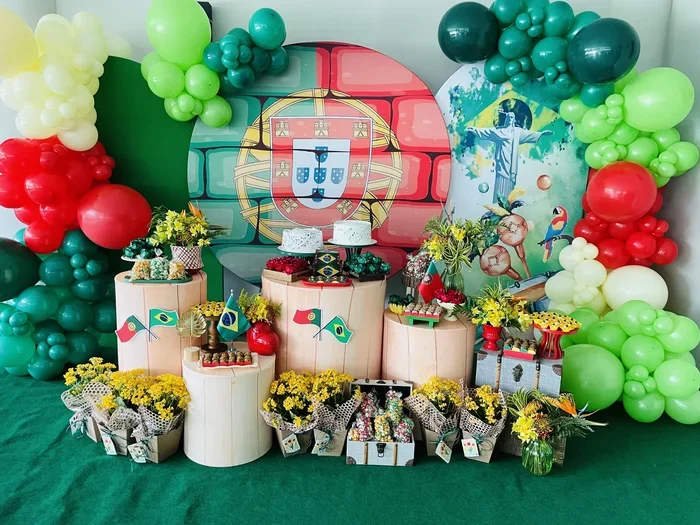

Learning how to say happy birthday in Portuguese is easier than you think. Whether you are texting a friend in Brazil or writing a card for someone in Portugal, the right words make all the difference. This guide covers the most common birthday greetings in Portuguese, pronunciation tips, and cultural traditions so you can celebrate like a local. You will also find creative phrases, text message ideas, and common mistakes to avoid.
There is something special about wishing someone a happy birthday in their own language. When you take the time to learn how to say happy birthday in Portuguese, you show respect and care that goes far beyond a simple translation. Portuguese is spoken by over 250 million people worldwide, and each region brings its own flavor to birthday celebrations.
Whether you are planning a message for a Brazilian friend, a Portuguese colleague, or a loved one from a Lusophone country, this guide has you covered. You will learn the most common phrases, hear about pronunciation differences, discover cultural traditions, and even find fun text message ideas. Let us dive in and make your next birthday wish sound like it came straight from a local.
Key Takeaways
- Feliz Aniversário is the standard and most widely used way to say happy birthday in Portuguese across all countries.
- Parabéns is the essential word you will hear in every Portuguese birthday celebration, used in both Brazil and Portugal.
- Brazilian and European Portuguese have slight differences in pronunciation and phrasing, so knowing both helps you connect with speakers from different regions.
- Adding personal touches like formal or romantic birthday wishes shows effort and makes your greeting more meaningful.
- Texting birthday wishes in Portuguese often includes slang and abbreviations, and understanding common text message phrases helps you keep up with modern communication.
- Avoiding common mistakes like mixing up formal and informal tones ensures your birthday message feels natural and respectful.
- Exploring birthday traditions in Portuguese-speaking countries gives you cultural context that makes your greetings even more special.
📑 Table of Contents
- The Most Common Way to Say Happy Birthday in Portuguese
- How to Say Happy Birthday in Portuguese for Different Situations
- Pronunciation Guide for Portuguese Birthday Phrases
- Birthday Traditions in Portuguese-Speaking Countries
- Fun and Creative Birthday Phrases in Portuguese
- Common Mistakes to Avoid When Wishing Happy Birthday in Portuguese
- Quick Tips for Perfect Birthday Wishes in Portuguese
- Conclusion
The Most Common Way to Say Happy Birthday in Portuguese
The go-to phrase for happy birthday in Portuguese is “Feliz Aniversário.” This is the standard greeting used across Brazil, Portugal, and all other Portuguese-speaking countries. It is clean, respectful, and works in almost any situation.
But here is the thing. Portuguese speakers rarely use just the phrase on its own. They pair it with other words and expressions to add warmth and personality. Let us look at the building blocks of a great birthday greeting.
Feliz Aniversário – The Standard Phrase
“Feliz Aniversário” translates directly to “Happy Birthday.” It is the safest and most universal choice. You can use it in emails, cards, text messages, or face-to-face conversations. This phrase works equally well in Brazilian Portuguese and European Portuguese.
When you say “Feliz Aniversário,” you are using the same structure that Portuguese speakers learn in school. It is formal enough for professional settings and casual enough for friends and family. That versatility is exactly why it remains the top choice for millions of people.
Parabéns – The Essential Word
You cannot talk about birthday wishes in Portuguese without mentioning “Parabéns.” This word means “congratulations” and is used on birthdays just as much as “Happy Birthday” is used in English. In fact, many Portuguese speakers say “Parabéns” first and then follow up with “Feliz Aniversário.”
The combination of “Parabéns” and “Feliz Aniversário” is extremely common. You might hear someone say, “Parabéns, Feliz Aniversário!” which carries the same energy as saying “Congrats, Happy Birthday!” in English. It feels natural and warm.
How to Say Happy Birthday in Portuguese for Different Situations
Not all birthday messages are the same. The way you wish someone a happy birthday changes depending on who you are talking to and the context. Portuguese has different levels of formality, and using the right tone shows emotional intelligence and cultural awareness.
Formal Birthday Wishes
When you are writing to a boss, a teacher, or someone you do not know well, keep your birthday greeting in Portuguese polished and respectful. Use “Feliz Aniversário” on its own or pair it with a short, kind sentence.
Here are a few examples of formal birthday wishes:
- “Feliz Aniversário! Desejo-lhe um ano cheio de saúde e felicidade.” (Happy Birthday! I wish you a year full of health and happiness.)
- “Parabéns pelo seu dia. Que tudo corra bem neste novo ano.” (Congratulations on your day. May everything go well in this new year.)
Notice how these phrases use polite language. They are warm but not overly familiar. This is the style you want when addressing someone in a professional or respectful context.
Informal and Casual Birthday Messages
When you are texting a close friend or family member, you can relax your tone. Casual birthday wishes in Portuguese often include slang, emojis, and shortened phrases. Brazilians especially love to keep things fun and light.
Here are some informal ways to say happy birthday:
- “Parabéns, mano! Tudo de bom no teu dia.” (Congrats, dude! All the best on your day.)
- “Feliz Aniversário, amiga! Que dia incrível!” (Happy Birthday, friend! What an amazing day!)
- “Muitas felicidades, querida! Aproveita bastante.” (Much happiness, dear! Enjoy a lot.)
The key here is to match the energy of your relationship. If you are close to the person, feel free to add nicknames, emojis, or even inside jokes. Portuguese birthday messages among friends are often playful and heartfelt at the same time.
Romantic Birthday Wishes
Wishing a partner a happy birthday in Portuguese adds a layer of intimacy and thoughtfulness. Romantic birthday messages in Portuguese tend to be more poetic and expressive. They often reference love, togetherness, and the future.
Here are a few romantic phrases you can use:
- “Feliz Aniversário, amor da minha vida. Que Deus te abençoe sempre.” (Happy Birthday, love of my life. May God bless you always.)
- “Parabéns por existir. Tu tornas cada dia mais especial.” (Congratulations for existing. You make every day more special.)
These phrases work well for partners, fiancés, or long-term romantic interests. They show that you put genuine thought into the message.
Pronunciation Guide for Portuguese Birthday Phrases
Portuguese pronunciation can feel tricky at first, especially if you are coming from an English-speaking background. But the good news is that saying happy birthday in Portuguese does not require perfection. A sincere attempt is always appreciated by native speakers.
Brazilian Portuguese vs European Portuguese
Brazilian Portuguese and European Portuguese sound quite different, much like American English and British English. When you learn how to say happy birthday in Portuguese, it helps to know which version you are aiming for.
In Brazil, “Feliz Aniversário” is pronounced with a more open and melodic rhythm. The vowels are longer and the “R” at the end of words often sounds like a soft “h.” In Portugal, the pronunciation is tighter, and the “R” at the end of words has a guttural sound.
Here is a quick comparison:
- Brazilian: “Feh-LEEZ ah-nee-ver-SAH-roo” (the final “R” is soft)
- European: “Feh-LEEZ ah-nee-ver-SAH-roo” (the final “R” is more pronounced and guttural)
Both versions are correct. If you are unsure which one to use, Brazilian Portuguese is more widely recognized globally due to Brazil’s larger population and media influence. But choosing European Portuguese is perfectly fine if you are addressing someone from Portugal or other European Portuguese-speaking regions.
Tips for Non-Native Speakers
If you are new to the Portuguese language, start by focusing on the vowel sounds. Portuguese vowels are pure and consistent, which makes them easier to master than English vowels. Practice saying “Feliz Aniversário” slowly and gradually speed up.
Another tip is to listen to native speakers. YouTube, music, and podcasts are great resources. Hearing the phrase in context helps you pick up the natural rhythm and intonation. Even mimicking a song that includes birthday wishes can boost your confidence.
Birthday Traditions in Portuguese-Speaking Countries
Knowing how to say happy birthday in Portuguese is just the beginning. Understanding the cultural traditions behind birthday celebrations in Portuguese-speaking countries adds depth and meaning to your greetings. Each region has its own unique customs that make birthdays special.
How Brazilians Celebrate
In Brazil, birthdays are big events. Family gatherings, delicious food, and music are at the center of every celebration. The birthday person often receives a birthday message in Portuguese from friends and family throughout the day, starting with early morning texts and voice notes.
One beloved tradition is the parabéns song, which is the Portuguese version of “Happy Birthday.” Brazilians sing this song before blowing out the candles. The melody is similar to the English version but the lyrics are entirely in Portuguese. It goes something like “Parabéns pra você, nesta data querida” and is sung at almost every birthday party.
Brazilians also love surprise parties, elaborate decorations, and generous gifts. If you are sending a birthday wish to someone in Brazil, mentioning a specific tradition or using a warm, enthusiastic tone will make your message stand out.
For more ideas on birthday celebrations and event names, check out this list of funny birthday event names that can inspire your next party theme.
How Portuguese Celebrate
In Portugal, birthday celebrations tend to be more intimate and family-focused. The birthday greeting in Portuguese is often delivered in person with a warm hug and a kiss on each cheek. The “Parabéns” song is also sung, but the atmosphere is typically quieter and more heartfelt.
Portuguese families often gather for a special meal on the birthday person’s birthday cake is a central element, and it is customary for the birthday person to give the first slice to their mother or another honored family member. Gifts are thoughtful rather than extravagant, and personal meaning matters more than price.
When writing to someone in Portugal, a sincere and respectful tone works best. Avoid overly casual language unless you know the person well.
Fun and Creative Birthday Phrases in Portuguese
Once you have the basics down, you can explore more creative ways to wish someone a happy birthday. These phrases add personality and make your message memorable.
Texting Birthday Wishes
Text messages are one of the most common ways to send birthday wishes today. When you are texting in Portuguese, you can use shorter, more relaxed language. Many people also use abbreviations and slang that are specific to text communication.
Here are some fun text-friendly birthday phrases:
- “Parabéns! Que seu dia seja incrível! 🎉” (Congratulations! May your day be amazing!)
- “Muitas felicidades! Aproveita o dia! 🎂” (Much happiness! Enjoy the day!)
- “Feliz Aniversário, meu amigo! Tudo de bom! ❤️” (Happy Birthday, my friend! All the best!)
If you ever receive a birthday text with abbreviations you do not understand, knowing what common terms mean can help. For instance, if someone texts you “wtw” after a birthday message, you might wonder what they mean. Learning what wtw means in text can help you keep up with modern digital communication and respond appropriately.
Similarly, you might come across “ts” in a text conversation. Understanding what ts means in text ensures you never miss the meaning behind a casual birthday exchange. These small details show that you are paying attention and care about staying connected.
For more context on digital birthday communication and modern texting trends, these guides on what wtw means in text and what ts means in text are great resources to have on hand.
Birthday Songs in Portuguese
Music plays a huge role in Portuguese birthday celebrations. The most famous birthday song is the “Parabéns Pra Você” song, which is sung in almost every Portuguese-speaking household. The lyrics are simple and joyful, and everyone knows the melody.
Beyond the standard song, there are popular Portuguese birthday songs and poems that people share on social media. Many Brazilians post birthday songs on Instagram or WhatsApp, often set to upbeat music. Learning a verse or two of a birthday song can be a fun way to surprise someone special.
If you want to add a musical touch to your birthday message, try sharing a short clip of a Portuguese birthday song along with your written wishes. It creates a memorable experience that goes beyond words.
Common Mistakes to Avoid When Wishing Happy Birthday in Portuguese
Even with the best intentions, non-native speakers sometimes make mistakes when using Portuguese birthday phrases. Being aware of these common errors helps you avoid awkward moments and ensures your message lands the right way.
One of the biggest mistakes is mixing up formal and informal language. Using “tu” instead of “você” (or vice versa) can come across as too casual or too stiff, depending on the region. In Brazil, “você” is the standard informal pronoun, while in Portugal, “tu” is more common in casual settings.
Another mistake is forgetting gender agreement. Portuguese adjectives and articles must match the gender of the noun they describe. For example, “Feliz Aniversário” works for everyone, but if you add descriptive words, make sure they agree. “Um dia maravilhoso” (a wonderful day) is masculine, while “Uma dia maravilhosa” would be incorrect because “dia” is masculine.
Finally, avoid translating English idioms directly into Portuguese. Phrases like “break a leg” or “hit the roof” do not make sense in Portuguese and can confuse native speakers. Stick to natural, commonly used expressions instead.
Quick Tips for Perfect Birthday Wishes in Portuguese
- Start with “Parabéns” or “Feliz Aniversário” — these are the two most recognized and appreciated opening phrases.
- Match the tone to your relationship — formal for colleagues, casual for friends, romantic for partners.
- Practice pronunciation — even a basic attempt sounds respectful and thoughtful to native speakers.
- Add a personal touch — mention something specific about the person or your relationship to make the message feel genuine.
- Use emojis and slang appropriately — they work well in informal texts but should be avoided in formal messages.
- Learn the birthday song — singing “Parabéns Pra Você” is a beloved tradition that never fails to impress.
Conclusion
Learning how to say happy birthday in Portuguese opens doors to deeper connections with Portuguese speakers around the world. From the standard “Feliz Aniversário” to creative text messages and romantic wishes, you now have a toolkit of phrases that work in any situation.
Remember that the effort you put into learning someone’s language for their birthday does not go unnoticed. It shows care, respect, and a genuine desire to celebrate their special day in a meaningful way. Whether you are writing to a friend in São Paulo, a colleague in Lisbon, or a loved one anywhere in the Portuguese-speaking world, these phrases will help you sound like a local.
So the next time a birthday rolls around, skip the generic English greeting and try something new. Use happy birthday in Portuguese, add a personal touch, and watch the smile on their face. That is a gift that no translation app can replace.
Frequently Asked Questions
What is the most common way to say happy birthday in Portuguese?
The most common way is “Feliz Aniversário,” which translates directly to “Happy Birthday.” Another widely used phrase is simply “Parabéns,” which means “Congratulations.” Both are used across Brazil, Portugal, and all Portuguese-speaking countries. You can use them on their own or combine them for a warmer greeting.
Is there a difference between Brazilian and European Portuguese birthday greetings?
The core phrases like “Feliz Aniversário” and “Parabéns” are the same in both versions. The main differences are in pronunciation and tone. Brazilian Portuguese tends to be more melodic and open, while European Portuguese is tighter and more clipped. Informal expressions and slang also vary between the two regions.
Can I use “Parabéns” on its own for a birthday wish?
Yes, absolutely. “Parabéns” is widely understood and accepted as a standalone birthday greeting. However, pairing it with “Feliz Aniversário” or adding a short sentence makes your wish feel more complete and personal. Native speakers often use both together in casual conversation.
How do I pronounce Feliz Aniversário correctly?
Break it into syllables: Feh-LEEZ ah-nee-ver-SAH-roo. In Brazilian Portuguese, the final “R” is softer and sounds almost like a gentle “h.” In European Portuguese, it has a more guttural sound. The key is to keep the vowels clear and the rhythm steady. Listening to native speakers on YouTube or language apps helps a lot.
What are some romantic birthday phrases in Portuguese?
Romantic birthday messages in Portuguese often include phrases like “Feliz Aniversário, amor da minha vida” (Happy Birthday, love of my life) or “Parabéns por existir” (Congratulations for existing). These phrases express deep affection and are perfect for partners, fiancés, or long-term romantic interests. Adding personal details makes the message even more meaningful.
Are there any birthday traditions I should know about in Portuguese-speaking countries?
Yes, both Brazil and Portugal have rich birthday traditions. In Brazil, birthday celebrations are lively with music, surprise parties, and the “Parabéns Pra Você” song. In Portugal, birthdays are more intimate and family-focused, with the birthday cake often given first to the birthday person’s mother. Understanding these traditions helps you connect on a deeper cultural level.



