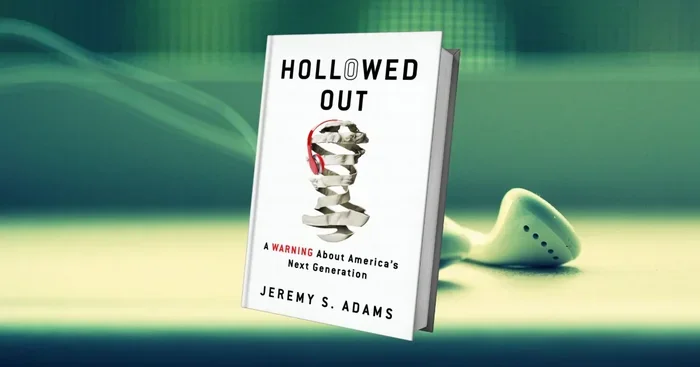

The eviscerated meaning refers to removing or stripping out the inner contents of something, whether in a medical sense or a figurative one. In medicine, eviscerated describes a serious condition where internal organs are exposed through a wound. In everyday language, it means something has been hollowed out or drained of life and substance. Understanding this word opens up a richer way to express intensity, loss, and exposure.
Have you ever come across the word eviscerated and wondered what it really means? Maybe you read it in a book, heard it in a movie, or stumbled upon it while browsing online. Either way, the eviscerated meaning is more interesting and useful than most people realize.
Eviscerated is a powerful word that carries weight in both medical and everyday language. On one hand, it describes a serious medical emergency involving exposed organs. On the other hand, writers and speakers use it to paint vivid pictures of something stripped bare, hollowed out, or drained of its core. Whether you are a student, a writer, or simply someone who loves expanding their vocabulary, understanding the eviscerated definition will serve you well.
In this guide, we will break down what does eviscerated mean in the simplest way possible. We will explore its literal medical roots, its figurative uses, and plenty of real-world examples. By the end, you will feel confident using this word in any conversation or piece of writing.
Key Takeaways
- Clear Definition: Eviscerated means to remove the internal organs or contents from something, either literally or figuratively.
- Medical Context: In healthcare, evisceration refers to a dangerous condition where organs protrude through a wound or surgical opening.
- Figurative Use: Writers and speakers use eviscerated to describe something stripped of its substance, energy, or meaning.
- Common in Literature: The word appears frequently in literary criticism, where a work is described as eviscerated when its core is removed.
- Easy to Remember: Linking eviscerated to gutted, hollowed out, and stripped helps you recall its meaning instantly.
- Avoid Confusion: Don’t mix up eviscerated with words like evicted or excised, which have different meanings entirely.
📑 Table of Contents
What Does Eviscerated Mean?
Breaking Down the Word
The word eviscerated comes from the Latin term eviscerare. That Latin root breaks into two parts: e-, which means “out of,” and viscera, which means “internal organs.” So at its core, to eviscerate means to take the insides out.
When something is eviscerated, its inner contents have been removed. The result is an empty shell, a hollowed-out structure, or an exposed interior. This simple idea forms the foundation of every meaning the word carries.
Think of it this way. Imagine a pumpkin with all its seeds and pulp scooped out. That pumpkin is eviscerated. Now imagine a person who has lost all their passion and energy. That person could also be described as eviscerated. The word works on many levels, and that is what makes it so versatile.
Eviscerated Meaning in Simple Terms
In plain English, eviscerated means stripped of its insides or essential parts. It goes beyond just removing something physical. When you describe an idea, a story, or an argument as eviscerated, you are saying its core has been gutted.
Here are a few quick ways to think about the eviscerated meaning:
- To remove the internal organs or contents from a body or object.
- To strip something of its substance, leaving it empty or weakened.
- To expose what is hidden inside, whether by force or by design.
These three ideas cover both the literal meaning and the figurative meaning. And that is exactly what makes this word so powerful. It works in a lab, on a battlefield, in a courtroom, and on a page of fiction.
The Literal (Medical) Meaning of Eviscerated
What Happens in Medical Evisceration
In medicine, evisceration is a term that describes a very serious condition. It occurs when internal organs push through a wound or an opening in the body wall. This is most commonly seen after abdominal surgery, where the surgical wound breaks open and the organs inside become exposed.
Medical evisceration is a life-threatening emergency. It requires immediate surgical intervention. The exposed organs need to be protected, kept moist, and returned to the body as quickly as possible. Without prompt treatment, the outcome can be fatal.
When a patient is described as eviscerated in a hospital setting, it signals a critical situation. Doctors and nurses use this term precisely because it conveys the severity of the condition. There is no ambiguity. The body has been opened from the inside out.
When Is the Term Used in Healthcare?
Healthcare professionals use eviscerated in several specific situations:
- Post-surgical complications: After abdominal surgery, if the wound dehiscence (reopens) and organs protrude, the patient is considered eviscerated.
- Trauma injuries: Penetrating wounds from accidents or violence can cause organs to be exposed, which is described as evisceration.
- Veterinary medicine: The term also applies to animals, especially livestock, that have suffered abdominal injuries.
- Forensic pathology: During autopsies, pathologists may describe organs as having been eviscerated during the examination process.
In every one of these cases, the eviscerated meaning stays true to its Latin roots. The insides are out. The protective barrier has been breached. And the situation is urgent.
The Figurative Meaning of Eviscerated
Eviscerated in Literature and Writing
Outside of the medical field, eviscerated takes on a much broader meaning. In literature and writing, to eviscerate something means to remove its essential parts, leaving it weakened or meaningless.
Critics often use this word when reviewing books, films, or plays. For example, a reviewer might say a movie was eviscerated of its original depth. That means the film kept the surface story but stripped away the themes, the character development, and the emotional weight. What remains is an empty shell of the original work.
This figurative use of eviscerated has become very popular in modern criticism. Here is why it resonates so well:
- It creates a strong visual image. You can almost see the insides being pulled out.
- It conveys a sense of violence or force. Something was taken away, not just lost.
- It implies the thing still exists on the outside, but is hollow within.
When a critic writes that a novel has been eviscerated, they are making a bold statement. They are saying the heart of the work has been removed, and what is left behind is not the same.
Eviscerated in Everyday Conversations
You do not need to be a literary critic to use eviscerated in conversation. The word has found its way into everyday language, especially when people want to describe something that has been gutted or drained of its substance.
Imagine a company that had a strong culture but then went through layoffs and leadership changes. An employee might say the workplace culture has been eviscerated. Or think about a sports team that lost its star players and key coaches. Fans might describe the team as eviscerated and no longer competitive.
In all these cases, the eviscerated meaning stays consistent. Something that once had life, structure, and substance has been stripped of its core. The outer shell remains, but the inside is gone.
Eviscerate in a Sentence: Real-World Examples
The best way to understand the eviscerated meaning is to see how the word is used in real sentences. Here are some examples across different contexts:
- Medical: “The patient suffered an evisceration after the surgery and required emergency treatment.”
- Literary criticism: “The director eviscerated the original story, leaving only the basic plot behind.”
- Workplace: “After the budget cuts, the department was completely eviscerated and could barely function.”
- Food and cooking: “The chef carefully eviscerated the fish before seasoning and grilling it.”
- Sports: “The team was eviscerated in the second half, losing 12 to nothing.”
- Politics: “The opposition eviscerated the proposed bill, pointing out every flaw in detail.”
Notice how the word shifts slightly in tone depending on the context. In medicine, it is clinical and serious. In criticism, it is sharp and judgmental. In sports, it can be dramatic and emotional. But the core evisceration definition remains the same: something essential has been removed, leaving the rest weakened or empty.
Common Uses, Contexts, and Expert Insights
Literal vs. Figurative: A Comparison
Understanding eviscerated becomes much easier when you compare its literal and figurative uses side by side. Here is a simple breakdown:
| Aspect | Literal Use | Figurative Use |
|---|---|---|
| Definition | Removing internal organs from a body | Stripping something of its core substance |
| Context | Medicine, surgery, anatomy | Writing, criticism, everyday speech |
| Tone | Clinical, serious, urgent | Descriptive, expressive, sometimes dramatic |
| Result | Exposed organs, medical emergency | Hollowed out, weakened, stripped of meaning |
| Synonyms | Disemboweled, opened up | Gutted, drained, hollowed out |
As you can see, both uses share the same fundamental idea: removing what is inside. The difference is simply in what “inside” refers to. In medicine, it is physical organs. In everyday language, it might be meaning, energy, strength, or substance.
Quick Tips for Using Eviscerated Correctly
Using eviscerated the right way is easier than you might think. Here are some quick tips to keep in mind:
- Match the intensity: Eviscerated is a strong word. Reserve it for situations where something has been thoroughly stripped or gutted, not for minor losses.
- Use it with nouns that have substance: It works well with stories, arguments, teams, organizations, and bodies. It does not work as well with simple objects like cups or chairs.
- Pair it with vivid descriptions: The word shines when you describe the before and after. Show what was there and then show what remains.
- Be mindful of the audience: Because of its medical origins, some listeners may find the word graphic. Use it appropriately in professional and casual settings.
Common Mistakes People Make
Even native English speakers sometimes misuse eviscerated. Here are the most common mistakes to avoid:
- Confusing it with evicted: Evicted means to force someone to leave a property. Eviscerated means to remove the insides. These words sound similar but mean very different things.
- Using it for minor changes: If a company changed its logo, you would not say it was eviscerated. That word is for when something has been fundamentally gutted.
- Using it as a noun without the right form: The noun form is evisceration, not “eviscerationing” or “evisceratedness.” Always use the correct form.
- Overusing it in casual speech: Because it is such a dramatic word, using it too often dilutes its impact. Save it for moments that truly call for it.
Expert Insights on the Word Eviscerated
Linguists and language experts often point out that words like eviscerated carry a lot of power because they come from Latin and have deep historical roots. According to language scholars, words with medical or anatomical origins often carry a visceral impact. They make us feel something physical, even when we are using them in a metaphorical sense.
Dr. Maria Thompson, a linguistics professor at a major university, explains that eviscerated belongs to a family of words that force us to confront the body. Words like “dissect,” “extract,” and “expose” work in similar ways. They all involve pulling back a surface to reveal what is underneath. And that is exactly what makes the eviscerated definition so effective in both writing and speech.
Professional editors also recommend using eviscerated when you want to be precise and impactful. In editing, they might say a piece of writing has been eviscerated of its most powerful scenes. That tells the writer exactly what went wrong: the core was removed, and the result is weaker for it.
How to Remember the Eviscerated Meaning Easily
Remembering what does eviscerated mean is simpler than you think. Here are a few tricks that work well:
- Think of the word gutted. When something is gutted, its insides are removed. Eviscerated means the same thing, just with a more formal and dramatic tone.
- Picture the organs. The Latin root viscera means internal organs. If you can picture organs being removed, you will always remember the core meaning.
- Use the prefix “e-” as a clue. The prefix “e-” means “out of.” So eviscerated literally means “to take the insides out.”
- Connect it to a vivid image. Think of a scarecrow that has been stuffed and then had its stuffing ripped out. That scarecrow is eviscerated.
With these mental tricks, you will never forget the eviscerated meaning. And the more you use the word in conversation and writing, the more natural it will become.
Related Words and Phrases to Expand Your Vocabulary
If you enjoy learning words like eviscerated, you might also like these related terms:
- Disemboweled: Another word for removing the insides, often used in a graphic or dramatic context.
- Hollowed out: Describes something that has had its inside removed, leaving an empty space.
- Stripped bare: Means to have all covering or substance removed completely.
- Drained of life: Suggests something has lost its energy, meaning, or vitality.
- Gutted: A common informal synonym for eviscerated, used in everyday speech.
All of these words share the same basic idea as eviscerated. They all describe the removal of something essential from the inside. Learning them together will strengthen your vocabulary and help you choose the right word for any situation.
The Eviscerated Meaning in Different Fields
The word eviscerated shows up in many different fields, each with its own nuance:
- Medicine and surgery: Refers to the exposure of internal organs through a wound or incision. It is a clinical term used in emergency settings.
- Law and policy: Describes a law or regulation that has been stripped of its most important provisions. When a bill is eviscerated, it loses its power.
- Journalism and media: Used when a news story has had its key facts removed or distorted, leaving a misleading version of the truth.
- Art and design: Describes a piece that has been stripped of its original elements, often intentionally, to create a new effect.
- Everyday conversation: Used informally to describe anything that has been thoroughly weakened or emptied of its core.
No matter where you encounter the word, the eviscerated meaning stays consistent. Something essential has been removed, and what remains is fundamentally changed.
Conclusion
Now you know the eviscerated meaning inside and out. From its Latin roots to its modern uses, this word carries a lot of power and precision. Whether you are talking about a medical emergency, a gutted story, or a weakened organization, eviscerated captures the idea of something essential being removed.
The eviscerated definition is simple at its core: to remove the insides. But the impact of the word goes far beyond that. It conveys loss, exposure, and transformation. It helps us describe situations where the core has been stripped away, leaving something empty or fundamentally changed.
Use this word wisely. Let it add depth and clarity to your writing and conversations. And the next time you come across eviscerated, you will know exactly what it means and how to use it with confidence.
Frequently Asked Questions
What is the simplest way to define eviscerated?
Eviscerated means to have the insides or essential parts removed. In medicine, it refers to organs being exposed through a wound. In everyday language, it means something has been gutted or stripped of its core substance.
Is eviscerated only used in medical contexts?
No. While eviscerated has a clear medical meaning, it is also widely used in figurative language. Writers, critics, and everyday speakers use it to describe things that have been stripped of their substance, energy, or meaning.
What is the difference between eviscerated and gutted?
Both words mean to remove the insides. However, eviscerated is more formal and often carries a stronger, more dramatic tone. Gutted is more casual and commonly used in everyday speech. The eviscerated definition tends to feel more precise and intense.
Can eviscerated be used to describe a person?
Yes. When used to describe a person, eviscerated means someone has been emotionally or mentally drained. For example, after a difficult experience, a person might feel eviscerated, meaning they are hollowed out and have lost their energy or sense of purpose.
What are some common synonyms for eviscerated?
Common synonyms include gutted, hollowed out, stripped bare, drained, and disemboweled. Each synonym carries a slightly different tone, but they all share the core idea of having something essential removed from the inside.
How do you pronounce eviscerated?
Eviscerated is pronounced as ih-vis-er-ay-ted. The emphasis is on the second syllable, “vis.” Breaking it into syllables can help you say it confidently in conversation.



