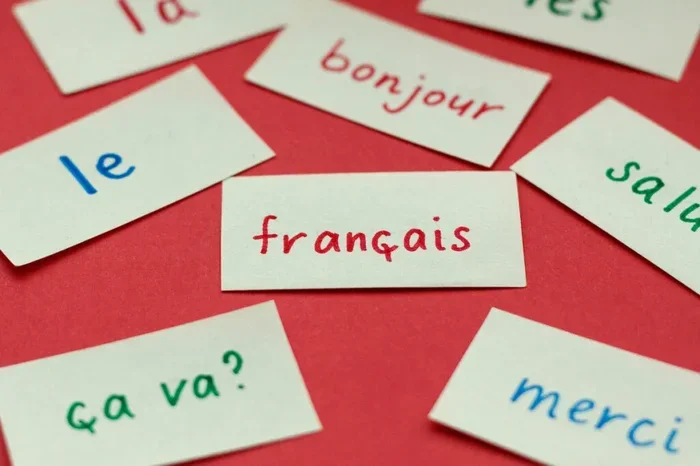

Learning how to say why in french is one of the most important steps for any French learner. The main word is “pourquoi,” but French speakers use several other expressions depending on the context. This guide breaks down every way to ask “why” in French, with pronunciation tips, grammar rules, and practical examples you can use today.
Have you ever been in a French conversation and completely frozen when someone asked you a simple question? Maybe you understood most of the words, but that one little question — “why?” — caught you off guard. If you have ever wondered how to say why in french, you are not alone. This is one of the first things every French learner wants to master, and for good reason.
The word “why” might look small and simple in English. But in French, it opens up a whole world of expression, grammar, and cultural nuance. Whether you are learning French for travel, work, or just fun, knowing how to ask and answer “why” will level up your conversations fast. Let us dive into everything you need to know.
Key Takeaways
- Pourquoi is the standard French word for “why” and works in most situations.
- French has multiple ways to ask “why,” including pourquoi pas, pourquoi donc, and informal variations.
- Pronouncing “pourquoi” correctly involves mastering the French “r” and nasal sounds.
- Word order in French “why” questions differs from English, which affects meaning.
- Practicing with real-life examples helps you sound more like a native French speaker.
- Understanding context helps you choose the right “why” expression in conversation.
- Regular practice with French phrases builds confidence fast.
📑 Table of Contents
- The French Word for “Why” — Pourquois
- Different Ways to Say “Why” in French
- How to Pronounce “Pourquoi” Like a Native
- Why Questions in French Grammar
- Using “Why” in Real-Life French Conversations
- Common Mistakes When Saying “Why” in French
- Quick Tips to Master “Why” in French
- Final Thoughts on How to Say Why in French
The French Word for “Why” — Pourquois
The most direct translation of “why” in French is pourquoi. This single word carries the same weight as the English “why,” and you will use it constantly. It works in questions, exclamations, and even casual conversation. If you only learn one French word for “why,” make it this one.
Pourquoi comes from the Old French phrase “pour quoi,” which literally translates to “for what.” This etymology helps you remember the word. When you ask “pourquoi?” you are essentially asking “for what reason?” The structure is similar to how English evolved, which makes it easier to remember than you might think.
Here are some quick examples of pourquoi in action:
- Pourquoi tu fais ça? — Why are you doing that?
- Pourquoi pas? — Why not?
- Pourquoi est-ce que tu souris? — Why are you smiling?
You might also encounter pourquoi in everyday French expressions. For instance, “pourquoi pas” is a very common phrase that means “why not?” It is friendly, casual, and perfect for responding to suggestions. If you love learning fun French expressions, you might also enjoy exploring funny French names that show the playful side of the language.
Pourquoi in Different Sentence Positions
One thing that surprises English speakers is that “why” can move around in a French sentence. In English, we almost always put “why” at the beginning. French gives you more flexibility.
In a basic question, pourquoi goes at the start:
- Pourquoi viens-tu tard? — Why are you coming late?
But in more complex sentences, it can appear in the middle:
- Je ne sais pas pourquoi il est parti. — I do not know why he left.
Notice how “pourquoi” sits right before the verb “est parti” in that second example. This is a key grammar pattern in French. The word always connects directly to the verb or clause it modifies.
Different Ways to Say “Why” in French
Here is something many textbooks skip — French has more than one way to say “why.” While “pourquoi” is the standard, native speakers use several other expressions depending on the tone, context, and level of formality.
Pourquoi donc
This expression adds emphasis. “Pourquoi donc” means something like “why on earth?” or “why ever?” It shows surprise or mild frustration.
- Pourquoi donc tu fais ça? — Why on earth are you doing that?
This is a great phrase to sound more natural in conversation. It adds emotion and personality to your questions.
Pourquoi pas
As mentioned earlier, “pourquoi pas” means “why not?” It is one of the most used French phrases in everyday speech. You will hear it in cafes, on the street, and in movies.
- On va au cinéma ce soir. — Pourquoi pas! On adore les films. — Let us go to the movies tonight. — Why not! We love movies.
For What Reason (Formally)
In very formal or written French, you might also hear expressions like “pour quel motif” or “pour quelle raison.” These translate to “for what reason” or “for what motive.” They are more proper and are often used in professional settings or academic writing.
Informal and Texting Variations
French texting and online chat have their own mini-language. When people text quickly, they sometimes shorten or change words. While “pourquoi” is still standard in texts, you might also see abbreviations. Understanding these helps you keep up with fast-paced French conversations online. If you are curious about common text abbreviations, you can check out what Wtw means in text to see how English texting shorthand works — French has similar trends too.
How to Pronounce “Pourquoi” Like a Native
Pronunciation is where many learners struggle with “pourquoi.” The word looks simple on paper, but it has sounds that do not exist in English. Getting this right makes a huge difference in sounding natural.
Let us break it down syllable by syllable:
- Pour — This sounds like “poor” in English, but shorter and with rounded lips.
- quoi — This sounds like “kwah” in English. The “qu” makes a “kw” sound, and the “oi” sounds like “wah.”
Put it together, and “pourquoi” sounds like “poor-kwah.” The final “y” is silent — it is just a spelling marker, not a sound.
Common Pronunciation Mistakes
Here are the most common errors English speakers make:
- Adding a “y” sound at the end. The word is not “pour-quai.” The “y” is silent.
- Pronouncing the “r” too hard. The French “r” is soft and guttural, not like the English “r.”
- Stressing the wrong syllable. The stress falls on the last syllable — “kwah.” Not on “pour.”
A quick tip: listen to native speakers on YouTube or language apps. Repeat after them slowly at first. Then speed up as you get comfortable. Your ear will adjust faster than you think.
Listen and Repeat Practice
Try this exercise. Say “pourquoi” five times slowly. Then say it five times at a natural pace. Record yourself and compare with a native speaker. You will notice improvements within days. Consistency beats perfection in language learning.
Why Questions in French Grammar
French grammar handles “why” questions differently than English. Understanding these differences helps you build correct sentences and avoid common mistakes.
Inversion vs. Est-ce que
French has two main ways to form questions. The first is “est-ce que,” which is the easiest and most common. The second is inversion, which sounds more formal.
- Est-ce que tu sais pourquoi il part? — Do you know why he is leaving?
- Sais-tu pourquoi il part? — Do you know why he is leaving? (more formal)
Both are correct. Use “est-ce que” in casual conversation. Use inversion in writing or formal settings.
Word Order Matters
In English, we say “I do not know why he left.” In French, the structure changes slightly. The “why” word (pourquoi) moves right before the verb it relates to:
- Je ne sais pas pourquoi il est parti. — I do not know why he left.
Notice that “pourquoi” sits between “sais pas” and “il est parti.” This is the standard position for “why” in embedded French sentences.
Negative Questions
You can also form negative “why” questions in French. These sound natural in everyday speech:
- Pourquoi ne viens-tu pas? — Why are you not coming?
- Pourquoi ne répond-il pas? — Why is he not answering?
The pattern is “pourquoi ne” + verb + “pas.” This is the standard French negative structure applied to “why” questions.
Using “Why” in Real-Life French Conversations
Knowing the word is one thing. Using it naturally in conversation is another. Let us look at real-life scenarios where you might need to ask or answer “why” in French.
At a Restaurant
- Pourquoi le plat est-il cher? — Why is the dish expensive?
- Pourquoi pas essayer le special du jour? — Why not try the daily special?
Making Plans with Friends
- Pourquoi tu ne viens pas à la fête? — Why are you not coming to the party?
- Pourquoi pas? J’ai toujours voulu essayer. — Why not? I have always wanted to try.
Debating or Discussing Opinions
- Pourquoi penses-tu ça? — Why do you think that?
- Pourquoi pas? Explique-moi ton raisonnement. — Why not? Explain your reasoning to me.
Using “why” in these contexts helps you engage more deeply in French conversations. It shows curiosity and genuine interest, which native speakers appreciate.
Common Mistakes When Saying “Why” in French
Even intermediate learners make mistakes with “why” in French. Here are the most common ones to avoid.
Mistake 1: Translating Word for Word
English “why” does not always map perfectly to “pourquoi.” Sometimes English “why” translates to “pour quelle raison” or even “parce que” in certain contexts. Pay attention to how native speakers use the word in different situations.
Mistake 2: Forgetting the Liaison
In French, words often connect to each other in speech. For example, “pourquoi est-ce que” has a natural flow that English speakers sometimes miss. Practice the full phrase, not just the individual words.
Mistake 3: Using the Wrong Tone
In French, tone changes meaning. “Pourquoi?” said with a rising tone is a genuine question. “Pourquoi!” said with a falling tone is more of a statement or exclamation. Understanding this subtle difference helps you sound more natural.
Mistake 4: Ignoring Informal Alternatives
Native speakers often use shorter, more casual forms. Learning these helps you blend in better in everyday conversations. If you are interested in how French speakers use informal language online, you might also want to explore what Ts means in text to understand modern French and English texting culture better.
Quick Tips to Master “Why” in French
Here are some fast, practical tips to help you remember and use “why” in French confidently:
- Use flashcards. Write “pourquoi” on one side and “why” on the other. Review them daily for one week.
- Listen to French podcasts. Pay attention to how native speakers use “pourquoi” in real conversations. This builds your ear.
- Practice out loud. Reading French sentences with “pourquoi” helps your mouth get used to the sounds.
- Watch French movies with subtitles. Pause when you hear “pourquoi” and repeat it. This is a fun and effective method.
- Write a daily journal in French. Ask yourself “pourquoi?” about your day. This builds the habit naturally.
- Find a language partner. Practice asking and answering “why” questions with a real person. Conversation is the fastest path to fluency.
Final Thoughts on How to Say Why in French
Mastering how to say why in french is a small step that makes a big difference in your language journey. The word “pourquoi” is your go-to, but now you also know “pourquoi donc,” “pourquoi pas,” and formal alternatives. You have the pronunciation down, the grammar patterns, and real-life examples to draw from.
The key is practice. Use these expressions every day, even if it is just talking to yourself. Over time, asking “why” in French will feel as natural as it does in English. Keep going, stay curious, and enjoy the process of learning this beautiful language.
Remember, every native speaker started exactly where you are now. The fact that you are learning how to ask “why” in French shows real progress. Keep building on this foundation, and you will be asking deeper, more meaningful questions in French before you know it.
Frequently Asked Questions
What is the most common way to say “why” in French?
The most common and standard way to say “why” in French is “pourquoi.” It works in almost every situation, from casual conversations to formal writing. If you only learn one French word for “why,” make it “pourquoi.”
Is “pourquoi” pronounced the way it looks in French?
Not exactly. “Pourquoi” is pronounced “poor-kwah.” The final “y” is silent, and the “oi” makes a “wah” sound. Many English speakers mispronounce it by adding a “y” sound at the end or stressing the wrong syllable.
Are there other words for “why” in French besides “pourquoi”?
Yes. French has several alternatives depending on context. “Pourquoi donc” adds emphasis, “pourquoi pas” means “why not?” and formal options include “pour quelle raison” or “pour quel motif.” Each has a different tone and use case.
Can I use “pourquoi” in both questions and statements?
Absolutely. In questions, “pourquoi” starts the sentence or comes before the verb. In statements, it fits right before the verb it modifies, like in “Je ne sais pas pourquoi il est parti” (I do not know why he left).
How can I practice asking “why” in French naturally?
The best ways to practice are listening to French podcasts, watching French movies, and talking with native speakers. Repeat “pourquoi” out loud daily, and try writing a few “why” questions in a French journal. Consistency is the secret to sounding natural.
Why does French use different word order for “why” questions?
French grammar follows different structural rules than English. In French, “why” (pourquoi) connects directly to the verb it modifies, which sometimes changes the word order compared to English. This is normal and becomes intuitive with regular practice.
=== CONCLUSION ===
Learning how to say why in french is more than just memorizing one word. It is about understanding the culture, the grammar, and the natural flow of French conversation. “Pourquoi” is your foundation, and the variations we covered give you the tools to sound confident in any setting.
Start using these expressions today. Ask “pourquoi” in your next French conversation. Write it in your journal. Say it out loud in the mirror. Every small step builds your fluency and your confidence. You have got this — and now you know exactly how to say why in French like a native speaker.