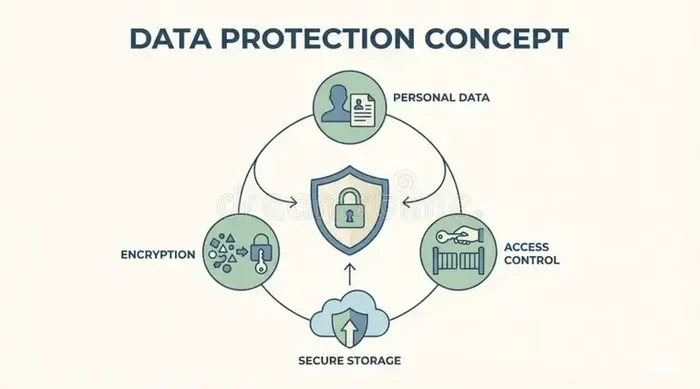

The DPO meaning is Data Protection Officer, a key role responsible for ensuring organizations handle personal data legally and securely. Understanding what a DPO does helps businesses stay compliant with privacy laws like GDPR and avoid costly fines. This guide covers everything you need to know about the DPO role, duties, and why it matters.
Have you ever come across the letters DPO and wondered what they actually mean? You are not alone. DPO meaning can confuse many people, especially if you are new to the world of data privacy and compliance. But here is the good news. By the end of this article, you will understand everything there is to know about this important role and why it matters so much in today’s digital world.
DPO stands for Data Protection Officer. This is a professional who makes sure that companies and organizations handle personal information the right way. With privacy laws like the GDPR becoming more strict every year, the need for a skilled DPO has never been greater. Whether you are a business owner, a student exploring career options, or simply curious about data privacy, this guide has you covered.
We will walk you through the DPO meaning in plain language. You will learn about the core duties, when a company needs one, how to become a DPO, and much more. No jargon. No fluff. Just clear, practical information you can use right away.
Key Takeaways
- DPO stands for Data Protection Officer: a professional responsible for overseeing data privacy and compliance within an organization.
- The DPO role is mandatory under GDPR: certain companies must appoint one to meet legal requirements and protect personal data.
- Key duties include monitoring compliance, advising on data protection impact assessments, and acting as a liaison with regulators.
- Any organization handling large volumes of personal data should consider hiring a qualified DPO.
- DPO certification and training help professionals build credibility and stay updated on privacy laws.
- Common mistakes include treating the DPO as a paperwork role rather than a strategic privacy function.
- A strong DPO program boosts customer trust and reduces the risk of data breaches and regulatory penalties.
📑 Table of Contents
- What Does DPO Mean?
- The Role of a Data Protection Officer
- When Does a Company Need a DPO?
- Key Responsibilities of a DPO
- How to Become a Data Protection Officer
- DPO and GDPR Compliance
- Common Mistakes Companies Make with DPO
- Quick Tips for Working with a DPO
- Expert Insights on the DPO Role
- Key Takeaways
- Conclusion
What Does DPO Mean?
The Full Form and Basic Definition
DPO meaning in the most common context is Data Protection Officer. This is a designated role within an organization that focuses on data privacy and regulatory compliance. The DPO makes sure that the company follows all relevant laws when collecting, storing, and processing personal data.
Think of the DPO as the guardian of personal information. Every time a company asks for your email, phone number, or address, the DPO ensures that data is handled properly. Without this role, organizations risk mismanaging sensitive information and violating privacy regulations.
The Data Protection Officer role has gained massive importance since the European Union introduced the General Data Protection Regulation, commonly known as GDPR. This law changed how businesses around the world think about personal data. Even companies outside Europe must comply if they handle data of EU residents.
Other Meanings of DPO
While Data Protection Officer is the most widely recognized meaning, DPO can also stand for other things depending on the context. In finance, DPO can mean Days Payable Outstanding, which measures how long a company takes to pay its bills. In other fields, it may refer to different terms entirely. However, in the world of privacy, law, and compliance, DPO almost always refers to the Data Protection Officer.
For the purpose of this article, we will focus entirely on the DPO meaning as it relates to data privacy and protection. This is the meaning most people search for, and it is the role that is growing fastest across industries.
The Role of a Data Protection Officer
Who Is a DPO?
A Data Protection Officer is an expert in data privacy law and practice. This person advises the organization on how to comply with privacy regulations and ensures that all data handling activities meet legal standards. The DPO works independently within the company and reports directly to the highest level of management.
The DPO role is not just about checking boxes on a form. It is a strategic position that helps build a culture of privacy within the organization. A good DPO understands both the technical and legal sides of data protection. They know how data flows through the company and where the risks lie.
Key Skills and Qualities
Not just anyone can become a Data Protection Officer. This role requires a specific set of skills and knowledge. Here are the most important qualities a DPO should have:
- Strong understanding of privacy laws like GDPR, CCPA, and other regional regulations.
- Excellent communication skills to explain complex legal concepts to non-experts.
- Analytical thinking to assess risks and identify potential data protection issues.
- Attention to detail because even small mistakes can lead to major compliance failures.
- Leadership ability to guide teams and drive privacy initiatives across departments.
- Knowledge of IT and security practices to understand how data is stored and protected technically.
These skills help the DPO do their job effectively. Without them, the data protection efforts of the entire organization can fall short.
When Does a Company Need a DPO?
Legal Requirements Under GDPR
The GDPR clearly states when an organization must appoint a Data Protection Officer. Under Article 37 of the regulation, a DPO is required in three main situations:
- When a public authority or body processes personal data. This includes government agencies and public institutions.
- When the core activities of the organization involve large-scale monitoring of individuals. For example, companies that track user behavior online for advertising purposes.
- When the core activities involve processing special categories of data on a large scale. This includes health data, biometric data, and data related to criminal convictions.
If your company falls into any of these categories, you need a qualified DPO. Failure to appoint one can result in heavy fines and legal consequences. The DPO requirements are not suggestions. They are binding legal obligations under European data protection law.
Does Your Business Need One?
Even if your company is not legally required to have a DPO, it is still a smart move. Many businesses voluntarily appoint a privacy officer because the benefits are clear. A DPO helps you build trust with customers, avoid data breaches, and stay ahead of changing regulations.
Small businesses might think they do not need a DPO. But with the rise of data processing in everyday operations, even small companies handle sensitive information. Customer names, email addresses, payment details, and browsing behavior all count as personal data. Protecting this data should be a priority regardless of company size.
Key Responsibilities of a DPO
Monitoring Compliance
The primary job of a Data Protection Officer is to monitor compliance with all applicable privacy regulations. This means constantly checking that the organization follows the rules when handling personal data. The DPO reviews policies, processes, and procedures to make sure everything is up to standard.
They also conduct regular audits of data handling practices. If something is not compliant, the DPO flags it and works with the relevant teams to fix the issue. This ongoing monitoring helps prevent violations before they happen.
Advising on Data Protection Impact Assessments
One of the most important DPO responsibilities is advising on Data Protection Impact Assessments, or DPIAs. A DPIA is a process that helps organizations identify and minimize the privacy risks of a new project or system.
Before a company launches a new app, changes its data storage system, or starts a new marketing campaign, the DPO reviews the plan. They assess the risks and recommend steps to reduce them. This proactive approach keeps the organization ahead of potential problems.
Liaising with Regulatory Authorities
The DPO acts as the main point of contact for regulatory authorities like data protection agencies. If a government body has questions about how a company handles data, the DPO responds. In the event of a data breach, the DPO coordinates the notification process and works with regulators to manage the situation.
This liaison role is critical. It ensures that the organization maintains a transparent and cooperative relationship with the authorities. A strong relationship with regulators can make a big difference during investigations or audits.
Training and Awareness
A great DPO does not just enforce rules. They also educate the people within the organization. This includes training employees on data privacy best practices, running workshops, and creating awareness campaigns.
When everyone in the company understands why data protection matters, the risk of human error drops significantly. The DPO role extends beyond compliance. It helps build a privacy-first mindset across the entire team.
How to Become a Data Protection Officer
Educational Background
Most Data Protection Officers have a background in law, IT, or information security. A degree in law, computer science, or a related field provides a strong foundation. However, formal education alone is not enough. Specialized training in data privacy is essential.
Many professionals pursue DPO certification programs to build their credentials. These programs cover the key aspects of privacy law, risk management, and compliance strategies. They also help candidates stay current with the latest developments in data protection law.
Gaining Practical Experience
Hands-on experience is just as important as education. Many DPOs start their careers in roles like compliance officer, legal advisor, or IT security specialist. Over time, they develop the expertise needed to take on the full DPO responsibilities.
Networking with other privacy professionals is also valuable. Joining organizations like the International Association of Privacy Professionals (IAPP) provides access to resources, training, and community support. These connections help aspiring DPOs stay informed and grow in their careers.
Certification Paths
Several certifications can boost your credentials as a Data Protection Officer. The most recognized ones include:
- CIPP/E (Certified Information Privacy Professional/Europe) — focuses on European privacy laws.
- CIPM (Certified Information Privacy Manager) — covers privacy program management.
- CIPT (Certified Information Privacy Technologist) — focuses on the technical side of privacy.
- GDPR Practitioner Certification — a practical, hands-on credential for GDPR compliance.
These certifications demonstrate your expertise and commitment to the field. They are highly valued by employers and can open doors to better career opportunities.
DPO and GDPR Compliance
Why GDPR Makes the DPO Role Essential
The General Data Protection Regulation changed the privacy landscape forever. It gave individuals more control over their personal data and placed strict obligations on organizations. At the center of this regulation is the Data Protection Officer.
GDPR requires organizations to have someone who is an expert in privacy compliance. The DPO fills this role. They ensure that the company respects the rights of data subjects, including the right to access, correct, and delete personal data.
Common GDPR Challenges the DPO Addresses
Every day, a Data Protection Officer deals with new challenges. Some of the most common ones include:
- Managing consent — making sure customers clearly agree to data collection.
- Handling data subject requests — responding to people who want to access or delete their data.
- Cross-border data transfers — ensuring data moving between countries meets legal standards.
- Responding to data breaches — notifying authorities and affected individuals within required timeframes.
- Keeping up with regulatory changes — privacy laws evolve constantly, and the DPO must stay current.
Each of these challenges requires deep knowledge and careful attention. The DPO is the person who navigates them every day.
Penalties for Non-Compliance
Companies that fail to comply with GDPR face severe consequences. Fines can reach up to 20 million euros or 4 percent of global annual revenue, whichever is higher. Beyond fines, non-compliance can damage a company’s reputation and erode customer trust.
This is why having a qualified DPO is not just a legal requirement. It is a business necessity. The DPO helps the organization avoid these penalties and build a strong foundation of trust with customers and partners.
Common Mistakes Companies Make with DPO
Treating the DPO as a Paperwork Role
One of the biggest mistakes is treating the Data Protection Officer as someone who just fills out forms and files documents. In reality, the DPO plays a strategic role. They shape how the organization thinks about and handles data privacy.
When companies limit the DPO to administrative tasks, they miss out on the real value this role provides. The DPO should be involved in decision-making, project planning, and risk management from the start.
appointing the Wrong Person
Another common error is appointing someone without the right expertise. The DPO must have genuine knowledge of data protection law and practice. Choosing a person based solely on their current job title or seniority, rather than their qualifications, can lead to compliance gaps.
Ignoring DPO Independence
GDPR requires the DPO to operate independently. The organization must not pressure the DPO to make compromises. When management overrides the DPO’s advice, it creates a serious compliance risk and undermines the entire privacy program.
Quick Tips for Working with a DPO
- Give the DPO direct access to senior leadership. This ensures privacy decisions get the attention they deserve.
- Involve the DPO early in new projects. Early input prevents costly compliance mistakes later.
- Provide the DPO with the resources they need. This includes budget, tools, and access to relevant data.
- Encourage open communication. The DPO should feel comfortable raising concerns without fear of retaliation.
- Support ongoing training for the DPO. Privacy laws change frequently, and continuous learning is essential.
Expert Insights on the DPO Role
Why the DPO Role Is Growing Fast
Privacy professionals around the world agree that the Data Protection Officer role is expanding rapidly. More countries are adopting strict privacy regulations similar to GDPR. Brazil, China, and California have all introduced comprehensive data protection laws in recent years.
As these laws spread, the demand for qualified DPOs continues to grow. Organizations across every industry — from healthcare to finance to retail — need experts who can navigate the complex world of data privacy and compliance.
The Future of DPO and Privacy
Looking ahead, the role of the Data Protection Officer will only become more important. Artificial intelligence, machine learning, and big data analytics are creating new privacy challenges every day. The DPO will be at the forefront of addressing these challenges and finding solutions that protect both the organization and the individuals it serves.
Experts predict that in the near future, every mid-sized and large organization will have a dedicated privacy officer. The days of treating data protection as an afterthought are coming to an end. Privacy is now a core part of business strategy.
Key Takeaways
- DPO stands for Data Protection Officer: a professional responsible for overseeing data privacy and compliance within an organization.
- The DPO role is mandatory under GDPR: certain companies must appoint one to meet legal requirements and protect personal data.
- Key duties include monitoring compliance, advising on data protection impact assessments, and acting as a liaison with regulators.
- Any organization handling large volumes of personal data should consider hiring a qualified DPO.
- DPO certification and training help professionals build credibility and stay updated on privacy laws.
- Common mistakes include treating the DPO as a paperwork role rather than a strategic privacy function.
- A strong DPO program boosts customer trust and reduces the risk of data breaches and regulatory penalties.
Conclusion
The DPO meaning is clear and straightforward. A Data Protection Officer is the person who ensures that an organization handles personal data responsibly and in line with the law. From monitoring compliance to advising on risk assessments and liaising with regulators, the DPO plays a vital role in modern business operations.
Understanding the DPO role is essential for any organization that handles personal data. Whether you are a business leader deciding to appoint a DPO or an individual considering this career path, the knowledge you gain from this guide puts you ahead. The world of data privacy is complex, but it does not have to be overwhelming.
Take what you have learned here and apply it. If you run a business, evaluate whether you need a Data Protection Officer. If you are building a career, explore DPO certification options and start developing the skills that matter. The DPO role is one of the most in-demand and impactful positions in the privacy and compliance space today.
Stay informed, stay compliant, and remember that protecting personal data is not just a legal obligation. It is a commitment to the people whose trust you hold every single day.
What Does DPO Stand For?
DPO stands for Data Protection Officer. This is a designated role within an organization responsible for ensuring that personal data is handled in compliance with privacy laws. The DPO advises the company on data protection practices, monitors compliance, and serves as a bridge between the organization and regulatory authorities.
Is a DPO Required for Every Company?
No, not every company is legally required to have a DPO. Under GDPR, a DPO is mandatory for public authorities, organizations that conduct large-scale monitoring of individuals, and those that process special categories of data on a large scale. However, even companies that are not legally required can benefit greatly from appointing one.
Can a DPO Be Outsourced?
Yes, many organizations choose to outsource the DPO role to a third-party expert or firm. This is especially common among small and medium-sized businesses that may not need a full-time, in-house DPO. The outsourced DPO still fulfills all legal obligations and provides the same level of expertise and compliance support.
What Qualifications Does a DPO Need?
A DPO should have expert knowledge of data protection law and practices. While there is no single required degree, many DPOs come from legal, IT, or information security backgrounds. Certifications like CIPP/E, CIPM, and GDPR Practitioner credentials are highly valued and demonstrate a strong level of competence.
How Does a DPO Help Prevent Data Breaches?
A Data Protection Officer helps prevent data breaches by monitoring compliance, conducting risk assessments, and advising on security measures. They ensure that the organization has proper policies and procedures in place to protect personal data. When a potential breach is identified, the DPO takes swift action to address it and minimize the impact.
What Is the Difference Between a DPO and a Privacy Officer?
The terms are often used interchangeably, but there can be subtle differences. A DPO is a specific legal role defined under GDPR with mandatory duties and independence requirements. A privacy officer may have a broader or less formally defined role depending on the organization and jurisdiction. In practice, both focus on protecting personal data and ensuring compliance with privacy regulations.
Frequently Asked Questions
What is dpo meaning?
dpo meaning is an important topic with many practical applications.



