
Learning how to say hello in Burmese is the first step to connecting with Myanmar people and culture. The most common greeting is “Mingalabar,” a warm and respectful way to say hello in Burmese. This guide covers pronunciation, cultural context, formal and informal greetings, and practical phrases you can use right away when speaking Burmese.
Have you ever wanted to greet someone in Burmese but didn’t know where to start? How to say hello in Burmese is a question many travelers, language learners, and curious minds ask. The good news is that Burmese greetings are simple, warm, and full of cultural meaning. Once you learn the basics, you’ll find that people light up when you try to speak their language. This quick starter guide walks you through everything you need to know.
Myanmar, also known as Burma, has a rich linguistic tradition. The Burmese language uses a unique script and carries a tone system that gives words different meanings based on pitch. But don’t let that scare you. The greeting you need is easy to learn and even easier to use. Whether you are traveling to Bagan, meeting Burmese friends online, or just exploring a new culture, knowing how to greet someone properly sets the tone for every interaction. Let us dive in.
Key Takeaways
- Mingalabar is the standard Burmese hello: It works in both formal and casual settings and shows respect.
- Pronunciation matters: Understanding the tonal nature of Burmese helps you sound more natural.
- Cultural etiquette is key: Greetings in Myanmar involve respectful body language and honorifics.
- There are formal and informal greetings: Knowing when to use each makes a big difference.
- Beyond hello, a few extra phrases go a long way: Polite expressions build trust and warmth.
- Common mistakes are easy to avoid: Simple awareness keeps your interactions smooth.
- Practice makes perfect: Regular use of Burmese phrases builds confidence quickly.
📑 Table of Contents
The Most Common Way to Say Hello in Burmese
The standard greeting in Burmese is Mingalabar (မင်္ဂလာပါ). This word combines “Mingala,” meaning blessing or good fortune, with the polite suffix “bar.” Together, they form a greeting that means “Hello” or “Greetings.” It is the equivalent of saying “Good day” in English. You can use it with anyone, from strangers to elders, and in both casual and formal situations.
How to Pronounce Mingalabar
Pronouncing Mingalabar correctly helps you sound natural and respectful. Here is a simple breakdown:
- Min – sounds like “meen”
- ga – sounds like “guh” with a soft “g”
- la – sounds like “lah”
- bar – sounds like “bar” in English
Put it together and you get “Meeng-gah-lah-bar.” The rhythm is smooth and flowing. Try saying it a few times slowly, then speed up as you get comfortable. Remember, Burmese is a tonal language, which means the pitch of your voice changes word meanings. However, for Mingalabar, a gentle and even tone works perfectly for beginners.
Formal vs Informal Greetings
Not all Burmese greetings are the same. The level of formality depends on who you are speaking to and the setting. Here is a quick look at the differences.
Formal Greetings: Use Mingalabar when speaking to someone older, a stranger, or in a professional setting. You can add “How are you?” by saying “Nei khouyarr la?” (နေကောင်းလား). This shows politeness and genuine interest.
Informal Greetings: With friends or people your age, you can drop the formal suffix. “Mingala” alone works in relaxed settings. Some younger Burmese people also use English greetings like “Hi” or “Hello” in casual digital conversations. When texting or chatting online, you might even come across abbreviations people use to keep messages short. For example, if you ever see “Wtw” in a text from a Burmese friend, it means “What’s the word,” a casual way of asking what is happening. You can learn more about that kind of text slang on our Wtw Meaning In Text page.
| Setting | Greeting | When to Use |
|---|---|---|
| Formal | Mingalabar | With strangers, elders, or in business |
| Semi-formal | Mingalabar + Nei khouyarr la? | With acquaintances or colleagues |
| Informal | Mingala | With friends or peers |
| Casual / Texting | Hi, Hello, or Wtw | With close friends online |
The Cultural Meaning Behind Burmese Greetings
Greeting someone in Burmese is more than just exchanging words. It reflects deep-rooted cultural values like respect, warmth, and community. Understanding this context helps you use greetings more effectively and shows that you care about the culture.
Respect for Age and Status
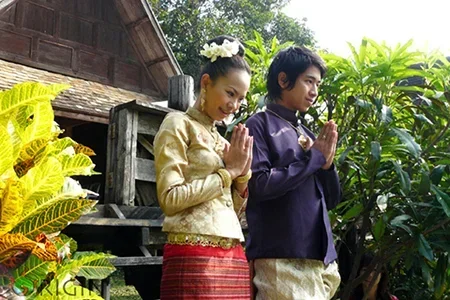
In Myanmar culture, age and social status matter a lot. When you meet someone older, you should greet them first and use a respectful tone. Adding a slight bow or pressing your palms together near your chest shows extra politeness. This gesture is called “Añjali Mudrā” and is common across many Asian cultures. It signals humility and respect without saying a single word.
Smiling Goes a Long Way
Burmese people are known for their warm smiles. When you greet someone, a genuine smile makes the interaction feel natural and friendly. Even if your pronunciation is not perfect, the effort and smile will be appreciated. Locals often encourage learners by saying “Good, good” which in Burmese sounds like “Deh deh.” This simple phrase of approval can brighten any conversation.
Greeting Customs in Different Situations
Different situations call for slightly different approaches. Here are some practical examples:
- Meeting someone for the first time: Use Mingalabar with a smile and a slight nod.
- Entering a shop or restaurant: A simple Mingalabar lets the staff know you are there politely.
- Greeting an elder: Add a respectful pause and a softer tone. You might also say “Shwe yin deh” which means “Nice to meet you.”
- Casual hangouts: Mingala or even a relaxed “Hi” works perfectly among peers.
Another interesting thing about Burmese communication is how people use short text expressions in daily online chats. If you ever see “Ts” in a Burmese text conversation, it often means “What’s up” or is used as a casual check-in. To understand more about these kinds of text abbreviations, check out our Ts Meaning In Text guide.
Pronunciation Tips for Beginners
Burmese pronunciation can feel tricky at first because of its tonal nature and unique sounds. But with a few simple tips, you can improve quickly.
Understand the Tones
Burmese has four tones: low, high, creaky, and checked. Each tone changes the meaning of a syllable. For greetings, the low tone works best. Keep your voice steady and avoid rising or falling too much. Think of it like speaking in a calm, even voice.
Master the Rolling R
The “r” sound in Burmese is softer than in English. It almost rolls gently. Practice saying “Mingalabar” slowly and focus on making the “r” light and smooth. Over time, it will feel natural.
Listen and Repeat
The best way to improve your pronunciation is by listening to native speakers. YouTube, language apps, and Burmese music are great resources. Try repeating phrases out loud every day. Even five minutes of practice makes a noticeable difference.
Quick Pronunciation Tips
- Keep your voice calm and even.
- Do not stress too hard on any single syllable.
- Listen to native speakers at least once a day.
- Practice in front of a mirror to check mouth shape.
- Record yourself and compare with native audio.
Common Mistakes When Greeting in Burmese
Every language learner makes mistakes, and that is perfectly okay. But knowing common errors helps you avoid them. Here are the ones people make most often when learning Burmese greetings.
Using the Wrong Tone
Since Burmese is tonal, using the wrong tone can accidentally change your meaning. For example, saying “Mingalabar” with a high tone might sound like you are asking a question instead of greeting someone. Stick to a low, even tone for greetings until you feel more confident.
Skipping the Polite Suffix
In Burmese, the suffix “bar” adds politeness. Dropping it can make your greeting sound too casual or even rude in formal settings. Always include “bar” when speaking to someone you do not know well or someone older than you.
Ignoring Body Language
Words alone do not carry the full message in Burmese culture. Ignoring gestures like the slight bow or the palm-press can make your greeting feel incomplete. Pair your words with a warm smile and a respectful nod for the best results.
Trying to Be Too Perfect
Many learners worry about sounding flawless. But Burmese people are incredibly kind and patient with language learners. They will appreciate your effort far more than perfect pronunciation. Relax, be yourself, and enjoy the process.
Useful Phrases Beyond Hello
Once you know how to say hello, a few extra phrases take your Burmese to the next level. These are handy for everyday conversations and show that you are genuinely interested in the language.
How Are You?
“Nei khouyarr la?” (နေကောင်းလား) is the standard way to ask someone how they are. The response is usually “La boun de” (လပ်ဘုံတယ်), meaning “I am well.”
Nice to Meet You
“Shwe yin deh” (ရွှေရင်းတယ်) is a polite way to express that you are happy to meet someone. Use it when meeting new people or being introduced.
Thank You
“Cè zu tin ba deh” (ချေးဇူးတင်ပါတယ်) means “Thank you.” It is a must-know phrase that works in every situation.
Goodbye
“Sein de” (စိန်တယ်) is the common way to say goodbye. It is simple, warm, and works for any setting.
See You Later
“Kalaw la” (ကယကြာလာ) means “See you later.” It is a friendly phrase that Burmese people use in casual conversations.
Quick Tips for Learning Burmese Greetings Faster
Want to speed up your progress? These practical tips help you learn and remember Burmese greetings faster.
- Practice daily: Even five minutes a day builds muscle memory for pronunciation.
- Use flashcards: Write the Burmese phrase on one side and the English meaning on the other.
- Watch Burmese videos: Listening to native speakers trains your ear for tones and rhythm.
- Find a language partner: Practice with a Burmese speaker online or in person. Real conversations build confidence.
- Label your environment: Put sticky notes with Burmese words around your home to immerse yourself.
- Stay patient: Language learning is a journey. Celebrate small wins like greeting someone successfully.
Why Learning Burmese Greetings Matters
You might wonder why learning how to say hello in Burmese is worth your time. The answer is simple: first impressions matter everywhere, and Myanmar is no different. When you greet someone in their language, you show respect and openness. It breaks down barriers and opens doors to deeper connections.
For travelers visiting Myanmar, knowing basic greetings makes the experience richer. You will find that locals are more willing to share their culture, food, and stories when you make the effort to communicate. For language enthusiasts, Burmese offers a fascinating window into a unique linguistic tradition that is different from most Western languages.
Even in online communities, using Burmese greetings in conversations shows that you value the culture and the people. It is a small effort that creates a big impact.
Final Thoughts
Learning how to say hello in Burmese is a rewarding first step into one of Southeast Asia’s most beautiful languages. From the classic “Mingalabar” to polite follow-up questions and warm farewells, each phrase builds your confidence and deepens your connection to Myanmar culture. Remember to keep your tone gentle, your smile genuine, and your attitude open. Practice a little every day, and soon you will greet Burmese speakers with ease and authenticity.
The journey of a thousand miles begins with a single greeting. So go ahead, say “Mingalabar,” and let the conversation begin.
Frequently Asked Questions
What is the easiest way to say hello in Burmese?
The easiest and most widely used greeting is “Mingalabar.” It works in almost every situation, whether you are meeting someone for the first time or greeting a friend. Just remember to say it with a calm tone and a friendly smile.
Do I need to learn the Burmese script to greet someone?
No, you do not need to learn the script right away. Most Burmese people understand Romanized greetings like “Mingalabar.” However, learning the script later can help you read signs, menus, and messages as you progress.
Is Burmese a difficult language to learn?
Burmese has some unique features like its tonal system and special script, but the basics are very accessible. Greetings are simple, and most learners find the pronunciation manageable with regular practice. The key is to start small and build gradually.
Can I use English greetings in Myanmar?
Yes, many Burmese people understand “Hi” and “Hello,” especially in cities and tourist areas. But using “Mingalabar” shows extra respect and effort. Locals will truly appreciate it when you try to speak even a few words in their language.
What should I do after saying hello in Burmese?
After greeting someone, you can ask “Nei khouyarr la?” which means “How are you?” This is a natural follow-up that keeps the conversation flowing. Responding with “La boun de” (I am well) completes the exchange nicely.
How can I practice my Burmese greetings every day?
Try saying “Mingalabar” out loud each morning. Listen to Burmese audio clips, repeat phrases, and practice with a language partner. Even short daily sessions of five to ten minutes lead to steady improvement over time.
=== CONCLUSION ===
How to say hello in Burmese opens the door to meaningful connections with Myanmar people and culture. The greeting “Mingalabar” is your go-to phrase, simple to say and rich in meaning. Pair it with a smile, a respectful nod, and a few extra polite phrases, and you will navigate any greeting situation with confidence. Remember the pronunciation tips, avoid common mistakes, and practice a little every day. Each greeting you share builds bridges and creates moments of genuine human connection. Start with Mingalabar today, and let your Burmese journey begin.