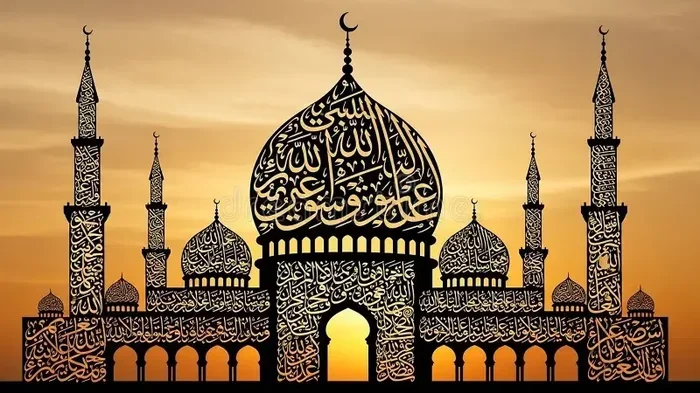

The allahu akbar meaning is “God is the Greatest” — a simple yet profound phrase that holds deep significance in Islam. Muslims say it during the five daily prayers, in the call to prayer, and during moments of joy and hardship. Understanding this phrase opens a window into the heart of Islamic faith and practice.
The phrase “allahu akbar” is one of the most recognized words in the world. Yet many people outside the Muslim community do not fully understand the allahu akbar meaning. At its core, this short Arabic phrase carries immense spiritual weight. It connects billions of people to their faith every single day.
Whether you have heard it during news coverage, in music, or from a neighbor, the phrase carries a rich history. The allahu akbar translation is straightforward: “God is the Greatest.” But the depth behind those three words goes far beyond a simple translation. This phrase shapes how Muslims pray, celebrate, and find comfort in difficult times.
In this article, we will explore the allahu akbar meaning in detail. You will learn about its origins, how it is used in daily life, and why it matters so much to the Islamic faith. By the end, you will have a clear and respectful understanding of this powerful phrase. Let us dive in.
Key Takeaways
- Allahu Akbar translates to “God is the Greatest”: It is a declaration of faith and the supremacy of God in Islam.
- It is used in daily prayers: Muslims recite it multiple times during each of the five daily prayer sessions.
- The phrase has deep historical roots: It dates back to the early days of Islam and the teachings of Prophet Muhammad.
- It appears in the call to prayer: The adhan, or Islamic call to prayer, prominently features this phrase.
- It carries emotional and spiritual weight: Muslims say it during celebrations, hardships, and moments of gratitude.
- Misunderstandings exist: Many people outside the Muslim community have misconceptions about what this phrase truly means.
📑 Table of Contents
What Does Allahu Akbar Mean?
The allahu akbar meaning is often simplified to “God is great” or “God is the Greatest.” Both translations capture the essence of the phrase. However, the full picture is richer and more layered than a single English equivalent can convey.
The Literal Translation
In Arabic, “Allahu” means “God.” The word “Akbar” is the superlative form of “kabir,” which means “great.” So when you put them together, you get “God is the Greatest.” This is not a comparison to other gods. In Islamic belief, there is only one God. The phrase is a pure declaration of God’s greatness above all things.
The allahu akbar translation is not just a linguistic exercise. It is a statement of belief. Every time a Muslim says it, they are affirming their faith. They are reminding themselves and others that God is above everything in this world and the next.
Breaking Down the Words
Let us look at each word more closely. “Allah” is the Arabic name for God. Muslims use this name specifically. It is not a different god from the God worshipped by Christians or Jews. It is the same one God, known by a specific name in Arabic.
“Akbar” comes from the root word “k-b-r,” which relates to greatness, size, and importance. The superlative form means “the greatest of all.” So the phrase is not just saying God is great. It is saying God is the greatest — greater than anything else that exists or can be imagined.
This islamic phrase is short but mighty. It contains the entire theology of monotheism in just two words. That is part of why it is so powerful and so widely used.
The History and Origin of Allahu Akbar
The allahu akbar meaning did not just appear overnight. It has deep roots in Islamic history. Understanding where it came from helps us appreciate why it is said so often.
Roots in the Quran
The concept of declaring God’s greatness is found throughout the Quran. The holy book of Islam contains many verses that encourage believers to glorify God. The phrase “allahu akbar” itself appears in the Quran in several places. It is used in the context of praising God and acknowledging His power.
For example, in the Quran, believers are reminded to say “Allahu Akbar” in moments of gratitude and in moments of trial. The phrase serves as a reminder that God is in control. No matter what happens, He is the greatest.
The Role of Prophet Muhammad
The allahu akbar meaning was also shaped by the teachings of Prophet Muhammad. He encouraged his followers to use this phrase in their daily lives. The Prophet himself said it frequently in prayer and in moments of joy and sorrow.
Historically, the phrase played a role in the early days of Islam. It was used during the migration from Mecca to Medina. It was also part of the first calls to prayer. Over time, it became a central part of Islamic worship and identity.
The islamic traditions around this phrase have been passed down for over 1,400 years. Today, it remains as relevant and powerful as it was in the time of the Prophet.
How Allahu Akbar Is Used in Daily Life
The allahu akbar meaning is not just theoretical. It is lived out every day by millions of Muslims around the world. The phrase appears in many different settings, from formal worship to everyday moments.
In the Five Daily Prayers
One of the most common uses of “Allahu Akbar” is in the daily prayers. Muslims perform five prayers each day. Each prayer includes multiple recitations of this phrase. It is woven into the fabric of every prayer session.
During the standing portion of prayer, Muslims say “Allahu Akbar” to begin. They say it again when they bow. They say it when they prostrate. Each movement in prayer is marked by this phrase. It keeps the worshipper focused on God throughout the entire prayer.
The islamic worship routine depends heavily on this phrase. Without it, the prayer would feel incomplete. It is the thread that ties each movement together and connects the worshipper to God.
During the Call to Prayer
The adhan call is the Islamic call to prayer. It is heard five times a day from mosques around the world. The phrase “Allahu Akbar” appears multiple times in the adhan. It is the first thing said in the call.
The person who calls the adhan is called a muezzin. Their voice carries across neighborhoods and cities. When they say “Allahu Akbar,” it is a signal to the community that prayer time has arrived. It is a beautiful and powerful sound that has echoed through cities for centuries.
In Moments of Joy and Celebration
Muslims also say “Allahu Akbar” during happy moments. When a baby is born, families often say it. When a wedding takes place, the phrase is part of the celebration. It is a way of thanking God for blessings.
During Eid, the Islamic holiday, Muslims gather to pray and celebrate. The phrase “Allahu Akbar” fills the air. It is a joyful declaration of God’s greatness and gratitude for the blessings of the past year.
Allahu Akbar in Islamic Worship and Rituals
The allahu akbar meaning extends deeply into Islamic worship practices. It is not just a phrase you say. It is a phrase you feel. It is part of the physical and spiritual rhythm of Muslim life.
The Takbir in Prayer Movements
The act of saying “Allahu Akbar” during prayer is called the takbir. This is a specific ritual movement. When a Muslim raises their hands and says “Allahu Akbar,” they are entering a state of worship.
The takbir marks the transition between different positions in prayer. Standing, bowing, prostrating, and sitting are all connected by this phrase. Each time the takbir is said, the worshipper is refocusing their attention on God. It is a physical and spiritual reset.
The dhikr remembrance tradition also uses “Allahu Akbar” extensively. Dhikr is the practice of remembering God through repeated phrases. The takbir is one of the most common forms of dhikr. Muslims may say it dozens of times after prayer or during personal devotional time.
Its Role in the Adhan
As mentioned earlier, the adhan call is one of the most recognizable uses of “Allahu Akbar.” The call to prayer is one of the oldest continuous sounds in human history. It has been calling Muslims to prayer for over 1,400 years.
The adhan includes the phrase “Allahu Akbar” four times in its opening. This repetition emphasizes the greatness of God right from the start. It sets the tone for the entire prayer session that follows.
Use During Eid and Special Occasions
On Eid al-Fitr and Eid al-Adha, Muslims say “Allahu Akbar” in special prayers. These are large gatherings where thousands of people pray together. The phrase is said in unison, creating a powerful sense of unity.
During Eid al-Adha, which is the Festival of Sacrifice, the phrase takes on extra meaning. It reminds Muslims of the story of Prophet Ibrahim’s willingness to sacrifice his son for God. The allahu akbar meaning in this context is a declaration of trust in God’s plan.
The Spiritual and Emotional Significance
The allahu akbar meaning goes beyond words on a page. It has a deep emotional and spiritual impact on those who say it. Understanding this dimension helps us appreciate why the phrase is so beloved in the Muslim world.
Finding Peace Through Words
When life gets tough, saying “Allahu Akbar” can bring comfort. It is a way of reminding yourself that God is in control. The phrase acts as an anchor during storms. It tells the believer that no problem is too big for God.
Many Muslims report feeling a sense of calm when they say this phrase. It is almost like a deep breath for the soul. The words themselves carry a weight that goes beyond their meaning. They connect the speaker to something larger than themselves.
A Source of Comfort in Hard Times
In times of grief or loss, “Allahu Akbar” offers solace. Muslims say it when they hear news of a tragedy. It is a way of accepting God’s will and finding strength in faith. The phrase does not deny pain. Instead, it places that pain within a larger framework of trust in God.
The spiritual significance of this phrase cannot be overstated. It is a lifeline for many believers. It reminds them that they are never alone, no matter what they are going through.
Common Misconceptions About Allahu Akbar
Because the phrase “Allahu Akbar” has been in the news and media so often, many misconceptions have spread. It is important to address these misunderstandings with clarity and respect.
What It Is Not
First, “Allahu Akbar” is not a phrase of violence. It is not a war cry or a declaration of aggression. It is a phrase of worship and gratitude. The allahu akbar meaning is rooted in peace, faith, and submission to God.
Second, it is not exclusive to any one group of Muslims. Sunni Muslims, Shia Muslims, and all other Muslim communities use this phrase. It is universal in the Islamic world. It belongs to no single group or ideology.
Understanding the Context
When people hear “Allahu Akbar” in a negative context, it is often taken out of context. The phrase has been misused by a small number of extremists who distort its true meaning. This does not change what the phrase actually means to the vast majority of Muslims.
The islamic faith teaches peace, mercy, and compassion. The phrase “Allahu Akbar” reflects those values. It is a reminder that God is the greatest source of peace and justice in the universe.
Education and understanding are the best tools against misinformation. When people learn the true allahu akbar meaning, they can move past stereotypes and build bridges of respect and empathy.
Why Understanding the Meaning Matters
Learning the allahu akbar meaning is not just an academic exercise. It has real-world value. When we understand what others say and believe, we build stronger communities. We reduce fear and increase compassion.
The phrase connects Muslims to a global community of believers. When a Muslim says “Allahu Akbar” in Tokyo, they are sharing the same words as a Muslim in Cairo, London, or New York. It is a beautiful reminder of the unity that exists across cultures and borders.
For non-Muslims, understanding this phrase can open doors to deeper conversations and friendships. It shows respect for another person’s faith. And it helps create a world where differences are celebrated rather than feared.
The allahu akbar meaning is a lesson in humility. It reminds us that there is something greater than ourselves. In a busy world full of distractions, that reminder is more valuable than ever.
Conclusion
The allahu akbar meaning is simple yet profound. It means “God is the Greatest.” It is a phrase used in prayer, in celebration, in grief, and in everyday life. It connects over 1.9 billion Muslims to their faith and to each other.
We have explored the allahu akbar translation, its history, its uses, and its spiritual significance. We have also addressed common misconceptions. The goal has been to provide a clear, respectful, and accurate picture of this important phrase.
Now you have a deeper understanding of what “Allahu Akbar” truly means. You can hear it with new ears and appreciate the weight it carries. Whether you are Muslim or not, this phrase offers a lesson in gratitude, faith, and humility that can inspire us all.
Take a moment to reflect on the allahu akbar meaning. Let it remind you that there is always something greater to be grateful for. That is the true beauty of this timeless phrase.
Frequently Asked Questions
What is the allahu akbar meaning in English?
The allahu akbar meaning in English is “God is the Greatest.” It is a short Arabic phrase used by Muslims worldwide to declare the greatness of God above all things.
How is Allahu Akbar used in daily Muslim prayers?
Muslims say “Allahu Akbar” multiple times during each of the five daily prayers. It marks the beginning of prayer and transitions between different prayer positions like bowing and prostrating.
Is Allahu Akbar only used in Islam?
While “Allahu Akbar” is an Arabic phrase central to Islam, the concept of declaring God’s greatness exists in other faiths too. However, this specific phrase and its usage are uniquely tied to the islamic faith and its traditions.
Why do some people misunderstand the allahu akbar meaning?
Misunderstandings often come from media portrayals that take the phrase out of context. In reality, the allahu akbar translation is a peaceful declaration of faith used by billions of Muslims in worship, celebration, and daily life.
Can non-Muslims say Allahu Akbar?
Yes, non-Muslims can say the phrase, especially if they are learning about Islam or visiting a mosque. However, it is most meaningful when said with understanding and respect for its spiritual significance in the Muslim community.
What is the difference between Allahu Akbar and other Islamic phrases?
“Allahu Akbar” specifically means “God is the Greatest.” Other common islamic phrases include “Alhamdulillah” (praise be to God) and “Subhanallah” (glory be to God). Each phrase has its own unique role in Muslim worship and daily life.



