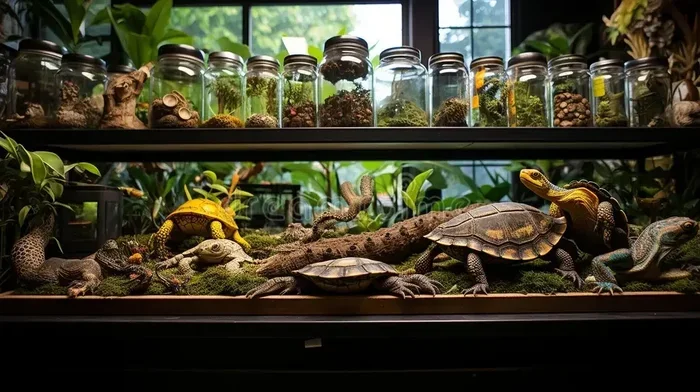

The menagerie meaning refers to a collection of wild or exotic animals kept for display, study, or entertainment. The word traces back to 17th-century France, rooted in the French word ménagerie, which means household management of animals. Understanding this term opens a window into centuries of human fascination with wildlife, from royal collections to modern zoos. This guide covers the full history, usage, and cultural significance of the word.
Have you ever come across the word menagerie and wondered exactly what it means? Maybe you saw it in a novel, heard it in a conversation, or stumbled across it while browsing through history books. Whatever brought you here, you are in the right place.
The menagerie meaning is simpler than most people think. At its core, a menagerie is a collection of wild or exotic animals kept together. But the story behind this word is far more interesting than a basic definition. It stretches back centuries, crosses continents, and touches on some of the most fascinating chapters in human history.
In this article, we will unpack the full menagerie definition, explore where the word came from, look at famous historical examples, and even talk about how people use it today. Whether you are a word nerd, a history buff, or just curious, you will find plenty of value here. Let us dive in.
Key Takeaways
- Menagerie definition: A collection of exotic or wild animals kept together, whether in a private setting or public exhibition.
- French origin: The word comes from the Old French ménagerie, meaning the management or keeping of domestic animals.
- Historical significance: Menageries were popular among European royalty and wealthy collectors during the Renaissance and later centuries.
- Menagerie vs. zoo: While similar, a menagerie is typically smaller and more private, whereas a zoo is a formal, public institution.
- Modern usage: The word is still used today to describe any diverse or eclectic collection of things, not just animals.
- Cultural impact: Menageries influenced the development of modern zoos and shaped how society views wildlife conservation.
- Common metaphor: People often use the word loosely to describe chaotic or diverse groups of people or things.
📑 Table of Contents
What Does Menagerie Mean?
The menagerie meaning has stayed fairly consistent over the centuries, though the way people use it has evolved. A menagerie is a group of wild or exotic animals gathered and kept together, usually for display or study. This could take place in a private home, a traveling show, or a public exhibition.
Today, when someone says “menagerie,” they are typically referring to a diverse collection of animals kept in one place. The word carries a sense of grandeur and variety. It suggests not just one or two animals, but a whole gathering of creatures from different species and regions.
Here are some key points about the menagerie definition:
- A menagerie is a collection of wild or exotic animals.
- The animals are usually kept together in one location.
- Menageries can be private or public.
- The word implies diversity and a sense of spectacle.
- It is often associated with historical royal or wealthy collections.
You might also hear the word used figuratively. For example, someone might call a crowded, noisy room a “menagerie.” In this sense, the word takes on a looser meaning. It still implies a diverse and sometimes chaotic mix, but it no longer refers to actual animals.
Menagerie Synonyms and Related Terms
Understanding the menagerie meaning is easier when you know related words. Here are some synonyms and terms that connect to this concept:
- Animal collection: A broad term for any group of animals gathered together.
- Wildlife exhibit: Often used for public displays of animals.
- Zoological garden: A more formal term, closer to what we call a zoo today.
- Wild animal park: Similar to a zoo but often with more space for animals.
- Exotic animal collection: Highlights the unusual or rare nature of the animals.
These terms all overlap with the menagerie meaning in different ways. The key difference is that “menagerie” carries a historical and cultural weight that the other terms do not always have.
The Fascinating Origin of the Word Menagerie
Every great word has a story, and the menagerie word origin is a fascinating one. To truly understand the menagerie meaning, you need to know where it came from and how it developed over time.
The word comes from the French language. Specifically, it derives from the Old French word “ménager,” which means to manage or keep a household. The suffix “-erie” was added to indicate a place or practice related to that action. So a “ménagerie” was originally the practice of managing a household, including the animals in it.
Over time, the meaning shifted. By the 17th century, the word began to refer specifically to the keeping of wild or exotic animals. This shift happened as wealthy Europeans started collecting animals from distant lands. The word evolved to describe not just the act of keeping animals, but the collection itself.
How the Word Entered English
The English word “menagerie” entered the language in the late 17th century. It was borrowed directly from the French “ménagerie.” At first, English speakers used it to describe private collections of exotic animals kept by the wealthy.
By the 18th and 19th centuries, the word had become widely used. It appeared in travel journals, novels, and newspapers. People used it to describe everything from royal collections to traveling animal shows. The menagerie meaning in English stayed close to its French roots but took on a life of its own.
Here is a quick timeline of the word’s journey:
- Medieval period: The French word “ménager” referred to household management.
- 1600s: The noun “ménagerie” emerged to describe animal keeping.
- Late 1600s: The word entered English as “menagerie.”
- 1700s-1800s: The word became popular in English literature and travel writing.
- Today: “Menagerie” is used worldwide with a consistent meaning.
The French Connection
It is worth noting that the French word still exists today and carries the same meaning. If you visit France and see the word “ménagerie” on a historical sign, it refers to an animal collection. The French connection is a big part of why the menagerie meaning feels so elegant and cultured.
The word also connects to the broader concept of “ménage,” which means household in French. This link reminds us that keeping animals was once seen as part of running a household. It was not just a hobby but a responsibility of the estate.
Menagerie vs. Zoo: What Is the Difference?
People often use “menagerie” and “zoo” interchangeably, but there are meaningful differences. Understanding the distinction helps clarify the menagerie meaning and sets it apart from the modern concept of a zoo.
A menagerie is typically a smaller, more informal collection of animals. It was historically private, belonging to a single person or family. A zoo, on the other hand, is a formal, public institution with scientific and educational goals.
Here is a comparison that makes the difference clear:
| Feature | Menagerie | Zoo |
|---|---|---|
| Ownership | Private or royal | Public or institutional |
| Purpose | Display, prestige, curiosity | Conservation, education, research |
| Size | Usually small | Can be very large |
| Public Access | Rarely open to the public | Open to the public |
| Animal Care Standards | Varied, often basic | Regulated and scientific |
| Historical Period | Renaissance to 19th century | 19th century to present |
The menagerie meaning is tied to private ownership and personal fascination. A zoo is tied to public service and science. That said, the two are connected. Many modern zoos evolved from historical menageries. The first public zoos grew out of the royal collections that were once called menageries.
Why the Distinction Matters
Knowing the difference helps you use the word correctly. If you are writing a historical novel set in the 1700s, calling a royal collection a “zoo” would be an anachronism. The word “zoo” did not become common until the 19th century. In that era, “menagerie” was the proper term.
Similarly, if you are describing a modern wildlife park, “zoo” is the better choice. Using “menagerie” today might confuse readers or sound outdated. The word has a specific historical flavor that adds color when used correctly.
Famous Menageries Throughout History
History is full of incredible menagerie examples. These collections tell us a lot about how people viewed animals and power throughout the centuries. Let us look at some of the most famous ones.
The Royal Menagerie at the Tower of London
One of the most famous historical menagerie examples is the Royal Menagerie at the Tower of London. It began in the 13th century when King John received a lion as a gift from the Holy Roman Emperor. Over the centuries, the collection grew to include lions, tigers, elephants, and polar bears.
The Tower Menagerie was open to the public for a small fee. It became one of London’s earliest attractions. The animals were kept in poor conditions by modern standards, but the collection fascinated visitors for hundreds of years. The menagerie finally closed in 1835, and the animals were moved to the newly established London Zoo.
This is a perfect example of how the menagerie meaning evolved. What started as a private royal collection became a public spectacle. It also shows the transition from menagerie to zoo.
Catherine de Medici’s French Menagerie
Catherine de Medici, the Queen of France in the 16th century, was famous for her love of exotic animals. She kept a lavish menagerie at her royal residence. The collection included lions, leopards, and even giraffes. Her menagerie was a symbol of wealth and power.
Catherine’s collection also reflected the Renaissance menagerie trend. During this period, European elites competed to own the most exotic and rare animals. The animals were not just pets; they were status symbols. Owning a menagerie proved you had the wealth and connections to acquire animals from around the world.
Traveling Menageries
Not all menageries were stationary. Traveling menageries became popular in the 18th and 19th centuries. These were mobile exhibitions that toured towns and cities, showing exotic animals to people who might never see them otherwise.
Traveling menageries were like early versions of the modern circus. They featured lions, tigers, elephants, and other large animals. The handlers traveled from town to town, setting up temporary enclosures and charging admission. These shows played a big role in introducing exotic animals to ordinary people.
The traveling menagerie concept also had a darker side. The animals were often transported in terrible conditions, and many did not survive the journey. This aspect of menagerie history reminds us that our relationship with wild animals has not always been a kind one.
Modern Private Menageries
While private menageries are rare today, they still exist. Some wealthy collectors and wildlife enthusiasts maintain small collections of exotic animals. These modern menageries are usually private and not open to the public.
However, modern private collections are subject to strict regulations. Laws governing the ownership of exotic animals vary by country and region. In many places, keeping certain species requires special permits. The menagerie meaning in the modern context is shaped by these legal and ethical considerations.
How to Use Menagerie in Everyday Life
Now that you understand the menagerie meaning and its history, let us talk about how to use the word in real life. Whether you are writing, speaking, or just trying to impress your friends, knowing how to use “menagerie” correctly is a great skill.
Using Menagerie in a Sentence
The best way to learn a word is to see it in action. Here are some examples of how to use “menagerie” in sentences:
- “The local wildlife rescue operates a small menagerie of injured birds and mammals.”
- “Her living room looked like a menagerie, with plants, paintings, and curiosities from every corner of the world.”
- “The traveling circus brought a menagerie of exotic animals to the town fair.”
- “He described the crowded subway as a menagerie of tired commuters.”
- “The museum featured a menagerie of taxidermy animals from the 19th century.”
Notice how the word works in both literal and figurative contexts. In the first three examples, it refers to actual animals. In the last two, it is used metaphorically to describe a diverse or chaotic mix of things.
Quick Tips for Using the Word
- Use “menagerie” when you want to emphasize variety and diversity.
- The word works well in both formal and informal writing.
- It adds a touch of elegance and history to your language.
- Avoid using it for collections that are not living or not animals, unless you are being metaphorical.
- Remember that the plural form is “menageries,” not “menagerie.”
Common Mistakes People Make About Menagerie
Even native English speakers sometimes misuse this word. Here are some common mistakes to avoid:
- Confusing it with “menagerie” and “menage.” “Menage” means household, while “menagerie” refers to an animal collection.
- Using it for a single animal. A menagerie is always a collection, not just one creature.
- Assuming it means zoo. While related, the two words have different connotations and historical meanings.
- Using it for domestic pets. A menagerie typically involves wild or exotic animals, not household pets like dogs and cats.
- Forgetting the French spelling. In French, it is “ménagerie” with an accent on the first ‘e.’ In English, we drop the accent.
Avoiding these mistakes will help you use the word confidently and correctly. The menagerie meaning is specific, and using it properly shows attention to detail and a love for language.
The Cultural Impact of Menageries
Menageries have played a bigger role in culture than many people realize. They have influenced art, literature, science, and even the way we think about wildlife conservation today.
Menageries in Art and Literature
Throughout history, artists and writers have been fascinated by menageries. Paintings of exotic animals filled the walls of palaces. Novelists wrote about the thrill of seeing strange creatures up close. The menagerie meaning in literature often symbolizes wonder, curiosity, and the unknown.
In the 19th century, authors like Jules Verne and Rudyard Kipling referenced menageries in their works. These references helped shape the public imagination about exotic animals and distant lands. The menagerie became a symbol of exploration and discovery.
Menageries and Modern Zoos
The menagerie meaning is closely tied to the development of modern zoos. Early zoos were essentially public menageries. Over time, the focus shifted from display and entertainment to conservation and education.
Today, accredited zoos follow strict standards for animal care. They participate in breeding programs for endangered species. They conduct scientific research and educate the public about wildlife. This evolution from menagerie to zoo reflects a broader shift in how society views our responsibility toward animals.
The history of menageries reminds us that our fascination with wild animals is nothing new. People have always wanted to see, study, and connect with creatures from different parts of the world. That drive has shaped everything from royal courts to modern conservation efforts.
Menageries and Wildlife Conservation
While historical menageries were not focused on conservation, they laid the groundwork for modern efforts. The first zoos, which grew out of menageries, became centers for wildlife research and protection.
Today, many zoos and wildlife parks are deeply involved in conservation. They help breed endangered species and reintroduce them into the wild. They also educate millions of visitors each year about the importance of protecting wildlife and their habitats.
The menagerie meaning has evolved alongside these efforts. What once was a symbol of human dominance over nature has become, in many cases, a tool for preserving it. This shift is one of the most meaningful developments in the history of human-animal relationships.
Key Takeaways
- Menagerie definition: A collection of wild or exotic animals kept together for display, study, or entertainment.
- French origin: The word comes from the Old French “ménagerie,” related to household animal management.
- Historical roots: Menageries were popular among European royalty and wealthy collectors from the Renaissance onward.
- Menagerie vs. zoo: A menagerie is typically private and informal, while a zoo is public and institutional.
- Famous examples: The Tower of London menagerie, Catherine de Medici’s collection, and traveling menageries are some of the most notable.
- Modern usage: The word is still used today, both literally and figuratively, to describe diverse collections.
- Cultural impact: Menageries influenced art, literature, science, and the development of modern zoos and conservation.
Conclusion
The menagerie meaning is more than just a dictionary definition. It is a window into centuries of human curiosity, ambition, and fascination with the natural world. From the royal collections of medieval Europe to the modern zoos that prioritize conservation, the story of the menagerie reflects our evolving relationship with wildlife.
Whether you use the word in a sentence, encounter it in a book, or simply want to expand your vocabulary, understanding its full meaning and history adds depth to your knowledge. The word carries with it a rich legacy of exploration, spectacle, and cultural significance.
Next time you hear or read the word “menagerie,” you will know exactly what it means and where it came from. You will also appreciate the incredible journey this word has taken from 17th-century France to your reading screen today. The menagerie meaning is a reminder that language, like the animals it describes, is alive, always changing, and full of surprises.
Now that you have a thorough understanding of the menagerie definition and its fascinating history, you can share this knowledge with others. Whether in conversation, writing, or just satisfying your own curiosity, the story of the menagerie is one worth knowing.
Frequently Asked Questions
What is the simple definition of menagerie?
A menagerie is a collection of wild or exotic animals kept together, usually for display or study. The word can also be used figuratively to describe a diverse or chaotic mix of things or people.
Where does the word menagerie come from?
The word comes from the Old French “ménagerie,” which derives from “ménager,” meaning to manage or keep a household. It entered English in the late 17th century and has been used ever since to describe animal collections.
Is a menagerie the same as a zoo?
Not exactly. A menagerie is typically a smaller, private collection of animals, while a zoo is a formal, public institution focused on conservation, education, and research. Many modern zoos evolved from historical menageries, but the two terms are not interchangeable.
Can menagerie be used metaphorically?
Yes, absolutely. People often use “menagerie” to describe any diverse or chaotic group. For example, you might call a crowded and noisy room a “menagerie.” In this case, the word is used figuratively rather than literally.
Are private menageries still a thing today?
Private menageries are rare today and are subject to strict laws in most countries. Some wealthy individuals and wildlife enthusiasts still maintain small collections of exotic animals, but these are regulated and must meet specific care and safety standards.
What are some famous historical menageries?
Some of the most famous include the Royal Menagerie at the Tower of London, Catherine de Medici’s collection in France, and the many traveling menageries that toured Europe and America in the 18th and 19th centuries. These collections helped shape public interest in exotic animals and laid the groundwork for modern zoos.



