
Knowing how to say root canal in Spanish can make your dental visits much smoother. Whether you are visiting a Spanish-speaking dentist or traveling abroad, this guide gives you the exact words and phrases you need. You will learn the direct translation, common variations, and practical sentences to use during your appointment.
Knowing how to say root canal in Spanish is one of those skills you hope you never need but are really glad to have when you do. Dental procedures can be stressful enough on their own. Add a language barrier, and the anxiety doubles. This guide breaks everything down in simple, easy-to-understand terms. You will walk away with real phrases you can use right away.
Many people search for this topic before a trip to a Spanish-speaking country. Others have a dentist in their community who primarily speaks Spanish. Whatever your reason is, you are in the right place. We will cover the exact translation, common variations, and helpful sentences for your appointment.
Key Takeaways
- Direct Translation: The most common way to say root canal in Spanish is “endodoncia” or “tratamiento de conducto.”
- Practical Phrases: You will learn ready-to-use sentences for booking appointments and explaining symptoms.
- Regional Variations: Spanish differs by country, so you will see how the term changes in Mexico, Spain, and Latin America.
- Communication Tips: Simple strategies help you communicate dental needs clearly even with limited Spanish skills.
- Related Vocabulary: You will pick up essential dental terms that make the whole experience less stressful.
📑 Table of Contents
- How to Say Root Canal in Spanish: The Direct Translation
- Root Canal Procedure: What Happens and How to Talk About It
- Regional Differences in How to Say Root Canal in Spanish
- Essential Dental Vocabulary in Spanish
- How to Communicate Your Dental Needs in Spanish
- Tips for Reducing Dental Anxiety When Language Is a Barrier
- Common Mistakes People Make When Talking About Root Canals in Spanish
- Why Learning Dental Spanish Is Worth Your Time
- Quick Tips for Remembering the Key Terms
- Frequently Asked Questions
- Final Thoughts on How to Say Root Canal in Spanish
How to Say Root Canal in Spanish: The Direct Translation
The most common way to say root canal in Spanish is “endodoncia.” This is the term used by dentists across most Spanish-speaking countries. When you walk into a dental office in Mexico, Spain, or Argentina, saying “necesito una endodoncia” will get your point across clearly.
Another widely used phrase is “tratamiento de conducto.” This translates more literally to “canal treatment.” Some dentists prefer this term because it describes the procedure more precisely. You might also hear “tratamiento de raíces” in casual conversation, though this is less common in professional settings.
Why the Translation Matters
Using the right term shows that you have some basic knowledge. Dentists appreciate patients who try to communicate in their language. It also helps you understand what your dentist is explaining during the procedure. Even a simple phrase like “I need a root canal” in Spanish can make a big difference in how smoothly your appointment goes.
Root Canal Procedure: What Happens and How to Talk About It
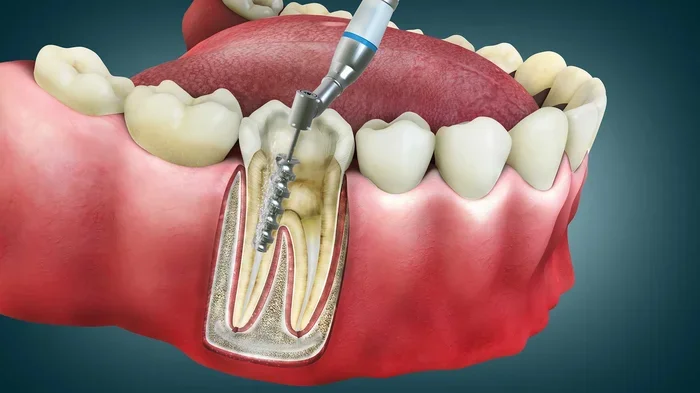
Understanding the procedure helps you use the right words. A root canal is a dental treatment that removes infected pulp from inside a tooth. The dentist cleans the canal, fills it, and seals it to prevent further damage. It is a common procedure and very effective at saving teeth.
Key Steps in the Procedure
- Diagnosis: The dentist takes an X-ray to see the damage.
- Numbing: Local anesthesia is applied to the area.
- Cleaning: The infected pulp is removed from the canal.
- Filling: The canal is filled with a rubber-like material.
- Sealing: A crown or filling is placed on the tooth.
Useful Sentences for Each Step
- “¿Me va a poner anestesia?” — Will you give me anesthesia?
- “¿Cuánto tiempo dura el procedimiento?” — How long does the procedure take?
- “Tengo dolor en este diente.” — I have pain in this tooth.
- “¿Necesito una corona después?” — Do I need a crown after?
These simple sentences can help you feel more in control during your appointment. They also show your dentist that you are engaged and willing to communicate.
Regional Differences in How to Say Root Canal in Spanish
Spanish is spoken in over 20 countries, and the language varies from place to place. The word for root canal is no exception. Knowing these differences can help you understand dentists from different regions.
Mexico and Central America
In Mexico and Central America, “endodoncia” is the standard term. People also use “canal” on its own in casual conversation. For example, someone might say “Me hicieron un canal” which means “I had a root canal done.”
Spain
In Spain, you will most often hear “endodoncia” as well. However, some dentists use the term “tratamiento de conducto radicular.” This is a more technical phrase that refers specifically to the root canal. It is less common in everyday speech but good to know.
South America
In countries like Argentina, Colombia, and Chile, “endodoncia” remains the go-to term. In Argentina, you might also hear “empaste de conducto” in some regions. The core meaning is the same, but the local flavor adds variety.
Quick Comparison Table
- Mexico/Central America: Endodoncia, canal
- Spain: Endodoncia, tratamiento de conducto radicular
- South America: Endodoncia, empaste de conducto (regional)
Essential Dental Vocabulary in Spanish
Beyond the root canal term, knowing a few extra dental words helps a lot. These words come up frequently in dental offices and make communication much easier.
Common Dental Terms You Should Know
- Diente — Tooth
- Dolor — Pain
- Muela — Molar
- Empaste — Filling
- Corona — Crown
- Anestesia — Anesthesia
- Encía — Gum
- X-ray / Radiografía — X-ray
- Infección — Infection
- Sensibilidad — Sensitivity
Having these words in your pocket gives you a basic toolkit for any dental visit. You do not need to be fluent to communicate effectively. Even a handful of words can reduce stress and improve your experience.
How to Communicate Your Dental Needs in Spanish
Sometimes it is not just about knowing the word for root canal. You also need to explain your symptoms and ask questions. Here are some practical phrases grouped by situation.
Booking an Appointment
- “Necesito una cita con el dentista.” — I need an appointment with the dentist.
- “Tengo dolor de muela.” — I have a toothache.
- “¿Cuándo puedo venir?” — When can I come in?
Describing Pain
- “Me duele mucho este diente.” — This tooth hurts a lot.
- “El dolor es constante.” — The pain is constant.
- “Siento dolor cuando como algo frío.” — I feel pain when I eat something cold.
During the Appointment
- “¿Qué va a hacer usted?” — What are you going to do?
- “¿Va a doler?” — Will it hurt?
- “Necesito que me explique más.” — I need you to explain more.
These phrases are simple but powerful. They help you take an active role in your dental care. Even if your Spanish is basic, the effort goes a long way.
Tips for Reducing Dental Anxiety When Language Is a Barrier
Dental anxiety is real, and it gets worse when you cannot fully understand what is happening. Here are some tips to help you feel more comfortable.
1. Learn the Key Phrases Before You Go
Spend 10 minutes reviewing the phrases in this guide. Knowing what to expect in Spanish helps reduce the surprise factor.
2. Bring a Translation App
Apps like Google Translate can help in a pinch. You can type or speak your concerns and get a Spanish translation instantly.
3. Ask for a Simple Explanation
Use the phrase “¿Me lo puede explicar con palabras sencillas?” — Can you explain it in simple words? This tells your dentist you want a clear, easy explanation.
4. Write Down Your Symptoms
If speaking is too stressful, write down your symptoms in Spanish before the visit. Show the note to your dentist. It is a simple trick that works very well.
5. Remember That Gestures Work Too
Pointing to the painful area or mimicking discomfort helps your dentist understand even without perfect words. Communication is not just about language.
Common Mistakes People Make When Talking About Root Canals in Spanish
Using the English Word Directly
Some people say “root canal” in English and expect the dentist to understand. While many dentists in tourist areas speak English, this approach can still cause confusion. Using the Spanish term shows respect and effort.
Confusing “Endodoncia” with “Ortodoncia”
“Ortodoncia” means orthodontics, not root canal treatment. These are two very different dental fields. Make sure you use “endodoncia” when you mean root canal.
Overcomplicating Your Sentences
You do not need perfect grammar. Simple sentences work best. Saying “Tengo dolor” is much more effective than trying to construct a complex sentence that might come out wrong.
Skipping the Follow-Up Questions
Many people focus only on the procedure and forget to ask about aftercare. Always ask “¿Qué debo hacer después?” — What should I do after? This ensures you take proper care of your tooth at home.
Why Learning Dental Spanish Is Worth Your Time
Learning how to say root canal in Spanish is more than just memorizing a word. It is about taking control of your health. When you can communicate with your dentist, you get better care. You ask better questions. You understand the treatment plan more clearly.
Even if you only learn a few phrases, the impact is significant. You walk into the appointment with confidence instead of fear. You feel less like a passive patient and more like an active participant in your own care.
Plus, the effort is appreciated. Spanish-speaking dentists often notice and value when a patient makes the attempt. It builds trust and improves the overall experience for both sides.
Quick Tips for Remembering the Key Terms
- Endodoncia is your main word for root canal. Think of it as the “official” term.
- Canal works in casual settings. It is short and easy to remember.
- Tratamiento de conducto is the longer, more descriptive version.
- Practice saying these words out loud a few times before your visit.
- Write them on a note card and keep it in your wallet or phone.
Frequently Asked Questions
What is the most common way to say root canal in Spanish?
The most common term is “endodoncia.” You can also use “tratamiento de conducto” for a more descriptive version. Both terms are understood by dentists across the Spanish-speaking world.
Do dentists in Spanish-speaking countries speak English?
Many dentists in tourist areas and cities speak some English. However, it is not guaranteed. Knowing basic Spanish dental terms ensures you can communicate clearly regardless of the dentist’s English skills.
Is “endodoncia” the same in every Spanish-speaking country?
Yes, “endodoncia” is widely understood across all Spanish-speaking countries. Some regional variations exist in casual speech, but the professional term remains consistent throughout the Spanish-speaking world.
How do I say “I need a root canal” in Spanish?
You would say “Necesito una endodoncia.” This simple sentence is clear and direct. It works in any Spanish-speaking dental office you visit.
What if I forget the words during my appointment?
Do not worry. You can point to the area of pain, use a translation app, or write notes. Most dentists are patient and understanding. The effort to communicate matters more than perfection.
Are there other dental terms I should learn besides root canal?
Yes, terms like “dolor” (pain), “anestesia” (anesthesia), “corona” (crown), and “empaste” (filling) are very useful. These words help you navigate any dental visit more comfortably.
Final Thoughts on How to Say Root Canal in Spanish
Learning how to say root canal in Spanish is easier than most people think. The key term is “endodoncia,” and a few extra phrases can transform your dental experience. Whether you are traveling or visiting a local dentist, these tools give you confidence and clarity.
Take a few minutes to review the phrases in this guide. Practice them out loud. Write them down. Small preparation goes a long way when you are sitting in that dental chair. You deserve to feel informed, comfortable, and in control of your dental care — no matter what language you speak.
Start using these terms today. Your next dental visit might just go a lot more smoothly because of it.