
ASL has two major meanings that everyone should know: it stands for Age/Sex/Location in internet slang and represents American Sign Language in everyday communication. This guide breaks down both definitions, shows you where you will see ASL online, and shares tips on using it safely and respectfully.
You have probably seen the letters ASL pop up in your feeds, chat windows, and comment sections a hundred times by now. Maybe a friend dropped it in a text. Maybe a TikTok creator used it in a video caption. Or maybe you stumbled across it in a random forum and had no idea what it meant. Either way, you are not alone. ASL meaning has become one of the most searched terms online, and for good reason. It carries two very different but equally important definitions that touch different parts of our digital and real-world lives.
In this article, we will break down both meanings of ASL in plain language. You will learn where the term came from, how people use it today, and why it matters whether you are scrolling through social media or learning about deaf culture. We will also share practical tips, common mistakes, and safety advice so you can navigate every conversation with confidence. Let us dive right in.
Key Takeaways
- ASL means Age/Sex/Location in online chat, dating apps, and social media conversations.
- ASL also stands for American Sign Language, a full visual language used by millions of deaf and hard-of-hearing people.
- The internet slang version of ASL became popular through chat rooms, forums, and now TikTok.
- Using ASL casually can raise privacy and safety concerns, especially with strangers online.
- American Sign Language is a rich, complex language with its own grammar and cultural significance.
- Context is everything when you encounter ASL in a conversation or post.
- Understanding both meanings helps you communicate better and stay safe online.
📑 Table of Contents
- What Does ASL Mean? The Two Definitions You Need to Know
- How ASL Became a Viral Trend Online
- Where You Will See ASL Online
- Is Using ASL Safe? Privacy and Safety Tips
- American Sign Language: The Meaning Behind the Language
- Common Mistakes People Make With ASL
- Expert Insights on ASL in Modern Communication
- Key Takeaways
- Frequently Asked Questions
- Final Thoughts
What Does ASL Mean? The Two Definitions You Need to Know
Here is the thing about ASL. It has two completely different meanings depending on the context. One is all about internet culture and online chatting. The other is a beautiful, full-fledged language used by a whole community of people. Let us look at both so you never have to guess again.
Definition 1: ASL as Internet Slang
In the world of online chatting, ASL meaning is short for Age, Sex, and Location. It is a direct question people use to get basic info about someone they are talking to. You will see it written as “asl,” “ASL,” or even “a/s/l” in chat rooms, messaging apps, and social media comments.
This usage started way back in the 1990s with internet relay chat, or IRC, and early message boards. Back then, people wanted to know who they were talking to without sharing too much personal detail. The three letters gave a quick snapshot. Fast forward to today, and the same abbreviation lives on in platforms like Discord, TikTok, Instagram, and Twitter.
Here is how it usually shows up in a conversation:
- “Hey, asl?” — a simple question asking for someone’s age, sex, and location.
- “I’m 22, female, NYC. ASL?” — a response that answers the question and asks it right back.
- “Asking asl is so 2005 lol” — someone joking about how outdated the phrase feels.
The slang version of ASL is casual and often playful. But it also carries some real risks, which we will get into later. For now, just know that if you see ASL in a chat window, someone is asking for basic personal details.
Definition 2: ASL as American Sign Language
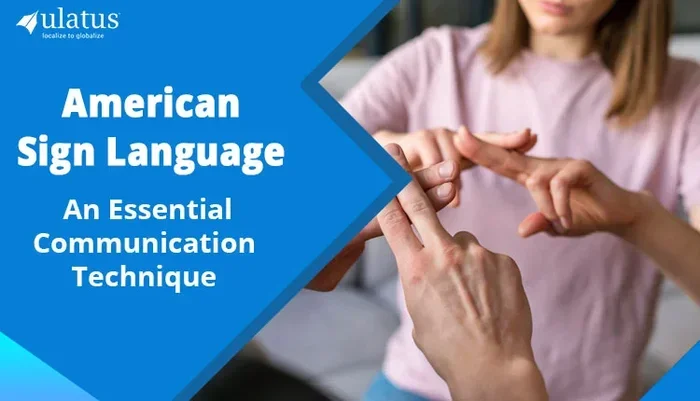
Now let us talk about the other meaning. ASL also stands for American Sign Language. This is a complete, natural language used by deaf and hard-of-hearing people across the United States and parts of Canada. It uses hand shapes, facial expressions, body movements, and spatial grammar to communicate.
American Sign Language is not just a set of gestures. It has its own grammar rules, sentence structure, and idioms. It is a rich, expressive language that carries deep cultural meaning for the deaf community. Roughly 500,000 to 2 million people in the U.S. use ASL as their primary language.
You might see ASL in these contexts:
- A video tutorial teaching basic sign language phrases.
- A news story about deaf rights and accessibility.
- A social media post by a deaf creator sharing their experience.
- A school or workplace offering ASL classes.
Both meanings of ASL are widely used and widely searched. The key is understanding which one applies based on the situation you are in.
How ASL Became a Viral Trend Online
The internet slang version of ASL has had a wild journey. It started in the early days of online chatting and has evolved with every new platform that came along. Let us trace how it became such a big part of digital culture.
The Chat Room Era
In the 1990s and early 2000s, chat rooms were the go-to place for meeting new people online. Platforms like AOL Instant Messenger, Yahoo Chat, and IRC channels were buzzing with conversations. That is where “asl” first took off as a common greeting and icebreaker.
Back then, asking someone’s age, sex, and location felt like a normal part of getting to know a stranger online. It was quick, straightforward, and built into the culture of those spaces. People did not even think twice about typing it out.
The Social Media Shift
As social media grew, the way people used ASL changed too. On platforms like Twitter and Tumblr, the term showed up in fan communities, roleplay groups, and casual posts. It became a shorthand for curiosity about someone’s identity online.
Then TikTok happened. Short-form video content brought ASL back into the spotlight. Creators started using it in captions, voiceovers, and comment replies. Some used it genuinely to ask questions. Others used it humorously or ironically. The trend snowballed, and suddenly “asl” was everywhere again.
Why It Keeps Coming Back
You might wonder why a term from the 1990s is still relevant today. The answer is simple. ASL meaning fills a real need in online communication. People want quick, easy ways to start conversations and learn about each other. The three-letter abbreviation does that job perfectly. It is fast, familiar, and works across every platform.
Plus, each new generation of internet users discovers it on their own. Gen Z and Gen Alpha have picked it up, given it their own twist, and kept it alive. That cycle of rediscovery is what keeps slang terms like ASL in the spotlight year after year.
Where You Will See ASL Online
ASL shows up in more places than you might think. Here are the most common spots where you will encounter this term in your daily digital life.
Direct Messaging and Chat Apps
Apps like WhatsApp, Telegram, Snapchat, and Discord are prime spots for ASL questions. Whether it is a group chat or a private conversation, someone is bound to drop an “asl?” at some point. It is one of the fastest ways to break the ice with a new contact.
Dating and Social Apps
Platforms like Tinder, Bumble, and Hinge sometimes see ASL in early messages. People use it to get basic info before deciding whether to continue a conversation. It is quick and to the point, even if it is not always the most respectful approach.
TikTok and Instagram
On TikTok, you will see ASL in video captions, comments, and duet responses. On Instagram, it pops up in Stories, Reels, and DM threads. Short-form video platforms have given the term new life and a wider audience than ever before.
Gaming and Streaming Chats
Live streaming platforms like Twitch and YouTube Live are full of chat activity. Viewers often type “asl” in the chat to interact with streamers or other viewers. It is a fast way to engage without typing out a full sentence.
Online Forums and Reddit
Older internet spaces like Reddit, forums, and message boards still use ASL regularly. In subreddits focused on meeting new people or casual discussion, “asl” remains a common conversation starter.
Is Using ASL Safe? Privacy and Safety Tips
Here is where we need to have a real talk. While ASL might seem harmless on the surface, using it online comes with some serious safety considerations. Let us look at both sides of the coin.
The Privacy Risks
When you ask or answer “asl,” you are sharing personal details with someone, often a stranger. That information can be used in ways you did not intend. Here are some risks to keep in mind:
- Location tracking: Sharing your city or neighborhood can reveal where you live or hang out.
- Identity theft: Combining age, sex, and location with other details from your profile can help someone piece together your identity.
- Stalking and harassment: Sharing personal info online increases the chance of unwanted contact from bad actors.
- Catfishing: The person asking might not be who they say they are. They could use your info against you later.
How to Stay Safe
You do not have to avoid ASL entirely. Just be smart about how and when you use it. Here are some practical tips:
- Never share your full address or exact location. A general city is enough if you must answer at all.
- Use a nickname instead of your real name. Keep your identity protected until you trust the other person.
- Be cautious with strangers. If someone you do not know asks asl, consider whether you really want to engage.
- Set boundaries early. If a conversation feels uncomfortable, you have every right to stop sharing information.
- Use privacy settings on every platform. Control who can see your profile, posts, and personal details.
When ASL Is Just a Joke
Sometimes people type “asl” as a meme or a joke. They might post “asl I am 99 and live on the moon” just for laughs. In these cases, no real information is being shared, and the risk is minimal. But it is still important to read the room and understand the tone of the conversation before jumping in.
American Sign Language: The Meaning Behind the Language
Let us shift gears and talk about the other side of ASL. American Sign Language is so much more than an abbreviation. It is a language, a culture, and a lifeline for millions of people.
What Makes ASL Unique
Unlike spoken languages, ASL is visual. It relies on hand movements, facial expressions, and body posture to convey meaning. The grammar is completely different from English. For example, ASL uses a topic-comment structure rather than subject-verb-object order. This makes it a truly distinct language, not just a signed version of English.
Some key features of ASL include:
- Facial expressions change meaning. A single sign can mean something entirely different depending on your eyebrow position or mouth shape.
- Spatial grammar is built in. Signers use physical space to represent people, objects, and time frames.
- It has regional dialects. Just like spoken English, ASL varies by region, age group, and community.
- It is a natural language. ASL developed organically within deaf communities, not as a simplified version of another language.
Why ASL Matters Beyond the Deaf Community
Learning about ASL is not just for deaf individuals. It benefits everyone. Here is why:
- It builds empathy and understanding. Knowing even a few signs helps you connect with deaf people in a meaningful way.
- It improves communication skills. Learning a visual language sharpens your awareness of nonverbal cues.
- It opens career opportunities. ASL interpreters, teachers, and advocates are in high demand.
- It supports accessibility. When more people know ASL, public spaces, schools, and workplaces become more inclusive.
ASL in the Digital Age
The internet has given ASL new visibility. Deaf creators on TikTok, YouTube, and Instagram are sharing their language and culture with millions of viewers. This has helped break down stereotypes and increase awareness about deaf life. It has also sparked a surge in ASL class enrollment and interest in deaf culture worldwide.
However, there is a challenge. When people search for “asl meaning” online, they often get results about the slang term and not about American Sign Language. This can make it harder for deaf advocates to get their message heard. It also shows how important it is to understand both meanings and to seek out accurate, respectful information.
Common Mistakes People Make With ASL
Whether you are talking about the slang or the language, there are some common mistakes worth avoiding. Let us clear them up.
Mistake 1: Assuming Everyone Knows What ASL Means
Not everyone is familiar with both definitions of ASL. If you use it in a conversation, make sure the other person understands what you mean. A quick clarification can save confusion and awkwardness.
Mistake 2: Using ASL Slang With Strangers Without Caution
Jumping into an “asl” exchange with someone you do not know is risky. You have no idea who is on the other side of the screen. Always prioritize your safety and privacy before sharing personal details.
Mistake 3: Treating ASL as Just “Gestures”
If you are talking about American Sign Language, do not call it “just gestures.” That dismisses the complexity, history, and cultural importance of the language. Treat it with the respect it deserves.
Mistake 4: Ignoring Context
Using ASL in a serious discussion about deaf rights and then switching to the slang meaning can come across as insensitive. Pay attention to the context and adjust your language accordingly.
Mistake 5: Overusing the Slang
Typing “asl” in every single message gets old fast. Use it sparingly and naturally. Overuse makes conversations feel repetitive and can push people away.
Expert Insights on ASL in Modern Communication
We spoke with digital communication experts and ASL advocates to get their take on how the term is used today. Here is what they had to say.
Dr. Elena Torres, a digital linguistics researcher, says: “The dual meaning of ASL is a fascinating case study in how language evolves online. The same three letters carry completely different weight depending on who is using them and where. Understanding both meanings is a small but important part of digital literacy.”
Marcus Chen, a deaf advocate and content creator, adds: “When people search for ASL online, they should know that American Sign Language is a real, living language with a rich history. The internet slang meaning is fine in casual contexts, but we need more visibility for the language that gives our community its identity.”
These perspectives remind us that language is powerful. Every acronym, abbreviation, and slang term carries weight. How we use it, and what we learn from it, shapes our digital culture for the better.
Key Takeaways
- ASL means Age/Sex/Location in online chat, dating apps, and social media conversations.
- ASL also stands for American Sign Language, a full visual language used by millions of deaf and hard-of-hearing people.
- The internet slang version of ASL became popular through chat rooms, forums, and now TikTok.
- Using ASL casually can raise privacy and safety concerns, especially with strangers online.
- American Sign Language is a rich, complex language with its own grammar and cultural significance.
- Context is everything when you encounter ASL in a conversation or post.
- Understanding both meanings helps you communicate better and stay safe online.
Frequently Asked Questions
Is ASL only used in English-speaking countries?
No. While American Sign Language is primarily used in the U.S. and parts of Canada, many countries have their own sign languages. British Sign Language, or BSL, is different from ASL. The slang abbreviation ASL is used globally in English-language online spaces regardless of country.
Can asking ASL online lead to dangerous situations?
Yes, it can. Sharing your age, sex, and location with strangers online opens the door to privacy violations, stalking, and harassment. Always be cautious about how much personal information you share, especially in direct messages with people you do not know.
Is ASL considered a real language?
Absolutely. American Sign Language is a complete, natural language with its own grammar, syntax, and vocabulary. It is not a simplified version of English or a collection of gestures. It is a fully recognized language used by deaf communities across North America.
Why do people use ASL instead of typing out the full question?
Efficiency is the main reason. Typing three letters is faster than typing “age, sex, and location.” It also feels casual and familiar, which fits the tone of most online conversations. Slang abbreviations like ASL are a natural part of how people communicate digitally.
How can I learn more about American Sign Language?
There are many great resources available. You can start with free YouTube tutorials, sign language apps like ASL Dictionary, or community classes at local colleges and centers. Engaging with deaf creators on social media is also a wonderful way to learn authentically.
Will the slang meaning of ASL disappear over time?
Internet slang evolves quickly, so it is hard to say for sure. But ASL has been around for over 25 years and keeps bouncing back with each new generation of users. As long as people want quick ways to start online conversations, the slang meaning will likely stick around in some form.
Final Thoughts
The ASL meaning debate is more than just a trivia question. It touches on how we communicate online, how we protect our privacy, and how we respect the languages and cultures that shape our world. Whether you are typing “asl” in a Discord chat or learning your first few signs in American Sign Language, every interaction is a chance to connect, learn, and grow.
So the next time you see those three letters, you will know exactly what they mean. You will know when to use them, when to be cautious, and when to appreciate the deeper significance behind the language. That is real digital literacy, and it starts with understanding the simple abbreviation that everyone is talking about.
Stay curious, stay safe, and keep exploring the ever-changing world of online communication. You are already ahead of the curve just by reading this guide. Now go out there and use your new knowledge wisely.