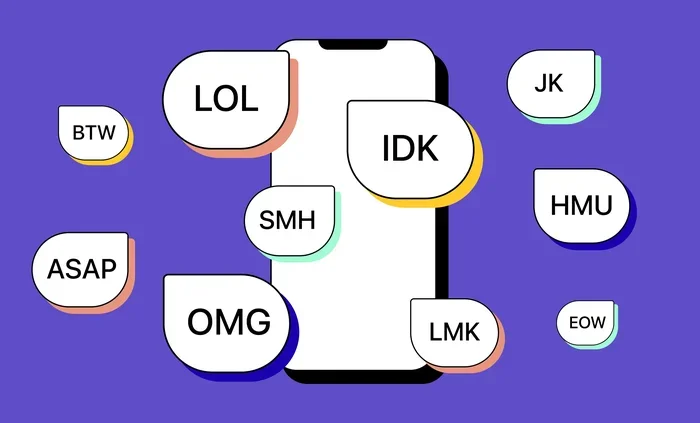

IIRC meaning is simple: it stands for “If I Remember Correctly,” a handy acronym used in online chats and texts. People use IIRC to soften statements or show they’re recalling something from memory. Understanding internet acronyms like this one makes digital communication faster and more fun.
Key Takeaways
- IIRC stands for “If I Remember Correctly”: It’s used when you’re recalling something but aren’t 100% sure it’s accurate.
- IIRC is widely used in texting and social media: You’ll see it in group chats, forums, and comment sections across the internet.
- The acronym has roots in early internet culture: It emerged in the late 1990s to early 2000s alongside other chat abbreviations.
- Using IIRC adds a casual, friendly tone: It keeps conversations relaxed and shows you’re human, not reading from a script.
- There are similar acronyms to know: Terms like TBH, IMO, and IRL pair well with IIRC in digital conversations.
- Avoid overusing IIRC: Stuffing every message with acronyms can confuse readers or make your tone seem dismissive.
- Context matters: IIRC works best in informal settings, not in professional emails or formal documents.
📑 Table of Contents
IIRC Meaning Explained: What This Common Acronym Stands For
You’re scrolling through a group chat. Someone drops an IIRC into the conversation, and you’re left scratching your head. Don’t worry. You’re not alone. This little acronym shows up everywhere, from online forums to Instagram DMs. But what does it actually mean?
IIRC meaning is straightforward. It stands for “If I Remember Correctly.” People use it when they’re sharing something from memory and want to add a small disclaimer. Think of it as a polite way of saying, “I might be a little fuzzy on this, but…” It’s one of those internet acronyms that quietly powers countless daily conversations.
In this guide, we’ll break down everything about IIRC. You’ll learn where it came from, how to use it, and why it matters in today’s digital communication. Whether you’re a seasoned internet user or just getting started, this guide has you covered.
What Does IIRC Actually Mean?
IIRC is an acronym for “If I Remember Correctly.” It’s pretty self-explanatory. When someone types IIRC, they’re signaling that what they’re about to say might not be perfectly accurate. It’s a memory check.
Here’s a quick example:
- Without IIRC: “The meeting was on Monday.” (This sounds like a hard fact.)
- With IIRC: “IIRC, the meeting was on Monday.” (This sounds softer, like the person is recalling from memory.)
See the difference? Adding IIRC takes the pressure off. It tells the reader, “I’m doing my best here, but my memory might not be perfect.” That tiny word makes a big difference in how your message lands.
Why Do People Use IIRC?
There are a few solid reasons people reach for this acronym in online communication:
- To be honest: Nobody likes being corrected. IIRC gives you a built-in way to admit uncertainty upfront.
- To keep it casual: It adds a relaxed, conversational vibe to your messages. It feels friendly.
- To avoid arguments: If you’re recalling a detail that might be debatable, IIRC softens the ground. It keeps things smooth.
- To save time: Instead of writing a long explanation about your memory, three letters do the job instantly.
The beauty of IIRC is that it does so much with so little. It’s efficient, honest, and universally understood across social media platforms and messaging apps.
Where Did IIRC Come From?
Every acronym has a story, and IIRC is no exception. This term emerged during the early days of the internet. It grew alongside other chat abbreviations like BRB, LOL, and ASAP.
The Rise of Internet Slang
Back in the late 1990s and early 2000s, people typed fast or typed smart. Chat rooms, instant messaging, and early forums were the playgrounds. Users needed shortcuts. Typing full sentences took too long. So internet jargon was born.
IIRC fit right in. It was perfect for forums where people debated events, shared stories, or recalled details. Instead of making long disclaimers, a quick IIRC did the trick. The acronym spread fast. It showed up on Reddit, Twitter, Facebook, and beyond.
IIRC in the Age of Smartphones
Today, texting is the main form of messaging shorthand for millions. With emoji keyboards and voice-to-text, people still love short acronyms. IIRC remains popular because it fills a real need. We all share things from memory. We all need that little safety net.
The acronym hasn’t changed much over the years. That’s a good sign. It means the meaning stays clear. It also works on every digital platform, from TikTok comments to LinkedIn threads (though you’d rarely see it there).
How to Use IIRC in Everyday Conversations
Knowing the IIRC definition is one thing. Using it naturally is another. Let’s walk through some real-life situations where this acronym shines.
In Group Chats
Group chats are where IIRC lives. Picture this: your friends are arguing about where you went for dinner last month. Someone says, “Wasn’t it that Italian place?” Another person replies, “IIRC, it was the Mexican spot.” See how that works? The second person is recalling, not stating a fact. It keeps the conversation flowing without pressure.
On Social Media Posts
On platforms like Twitter or X, character limits matter. IIRC helps you share memories or opinions quickly. A tweet like, “IIRC, this song dropped in 2019,” gets the point across with zero wasted space. It’s concise communication at its finest.
In Online Forums and Reddit Threads
Forum users love IIRC. Reddit threads are full of it. When someone shares a memory from years ago, they often add IIRC to stay credible. It shows they’re trying their best. It builds trust, even when the memory is fuzzy.
Quick Examples to Try
- “IIRC, we left the party around midnight.”
- “IIRC, the professor said the test was Friday.”
- “IIRC, he moved to Texas last summer.”
- “IIRC, that episode was from Season 3.”
Notice how each one uses IIRC as a gentle heads-up. It’s never aggressive. It’s always helpful.
Pro Tips for Using IIRC
- Place it at the start or middle: Starting with “IIRC” works great. Putting it mid-sentence also flows naturally.
- Pair it with other acronyms: Try “IIRC, TBH” for a double dose of honesty. It keeps things real.
- Don’t overdo it: Using IIRC in every single message gets old fast. Use it when it genuinely adds value.
- Know your audience: Close friends get it. Your boss might not. Read the room before typing it.
IIRC vs Other Common Acronyms
IIRC doesn’t work alone. It shares the digital world with tons of other texting abbreviations. Let’s compare them so you can see how each one fills a different role.
| Acronym | Full Form | Meaning | Best Used When |
|---|---|---|---|
| IIRC | If I Remember Correctly | Recalling from memory | Sharing uncertain details |
| TBH | To Be Honest | Being truthful or blunt | Giving real opinions |
| IMO | In My Opinion | Sharing a personal view | Disagreeing politely |
| IRL | In Real Life | Referring to the physical world | Distinguishing online vs offline |
| ICYMI | In Case You Missed It | Sharing a recap | Catching someone up |
| FWIW | For What It’s Worth | Offering helpful info | Adding extra context |
As you can see, each acronym has its own job. IIRC handles memory disclaimers. TBH handles honesty. IMO handles opinions. Together, they make online conversations faster and more expressive.
How They Work Together
Here’s a fun combo: “IIRC, the concert was amazing, TBH.” That one sentence does two jobs. It says, “I think this happened,” and “I’m being real with you.” Stacking internet acronyms like this is common in casual chats. Just don’t go overboard or your message turns into alphabet soup.
Tips for Using Internet Acronyms Like a Pro
Internet language evolves fast. If you want to stay sharp, here are some practical tips to keep your digital language fresh and effective.
1. Keep It Balanced
Acronyms are great tools, but they’re not replacements for real words. Use them to speed things up, not to avoid actual communication. A good rule: if your reader would pause and squint, simplify.
2. Stay Current
New acronyms pop up all the time. Gen Z adds fresh terms to chats every month. Follow social media trends to keep up. You don’t need to use every new term. Just stay aware so you don’t feel lost.
3. Read the Room
Formal settings don’t need IIRC. Job interviews, professional emails, and official reports do better with full words. Save your acronyms for friends, casual groups, and relaxed online spaces.
4. Don’t Assume Everyone Knows
Not everyone speaks internet fluent. If you drop IIRC in a mixed group, be ready to explain. A quick “IIRC means if I remember correctly” never hurts. It shows kindness and builds understanding.
Quick Tips Recap
- Use acronyms in casual chats only.
- Mix full sentences with shortcuts for clarity.
- Check that your meaning lands.
- Never use acronyms to hide unclear ideas.
Common Mistakes People Make with IIRC
Even simple acronyms can trip people up. Here are a few common mistakes to avoid when using IIRC in your messages.
Mistake 1: Using IIRC When You’re Certain
If you actually remember something perfectly, skip it. Using IIRC when you’re dead sure sends the wrong signal. It makes you look unsure. Save it for moments when your memory genuinely needs a backup.
Mistake 2: Putting IIRC at the End
Ending a sentence with IIRC feels off. It weakens the impact. The best spot is at the beginning or early in the sentence. It sets the tone before you deliver the content.
Mistake 3: Overusing It in Long Paragraphs
If you’re writing a longer message, one IIRC is plenty. Two or three starts to feel like a crutch. Keep it clean. One mention tells your reader everything they need to know about your tone.
Mistake 4: Confusing It with Other Acronyms
Make sure you don’t mix up IIRC with similar-looking terms. It’s not IRL (In Real Life) or ICYMI (In Case You Missed It). Each one has its own meaning. Double-check before you hit send, especially in fast-moving chats.
Expert Insight
Linguists note that acronyms like IIRC actually boost clarity in digital conversations. They act as emotional shorthand. According to communication experts, these tiny phrases carry tone that plain text often lacks. They help prevent misunderstandings. So using IIRC isn’t just trendy. It’s actually smart communication.
Key Takeaways
IIRC meaning is more than just letters on a screen. It represents a mindset: honest, casual, and aware. In a world flooded with online content and fast-paced texting, this little acronym does heavy lifting. It softens claims, builds trust, and keeps conversations real.
Now you know what IIRC stands for, where it came from, and how to use it well. You also know how it compares to other chat acronyms and what mistakes to avoid. That puts you ahead of most internet users. Next time you’re in a group chat or scrolling through a forum, use IIRC with confidence.
The beauty of digital communication lies in these small details. A three-letter word can completely change how your message feels. So keep IIRC in your toolkit. Use it wisely. And keep exploring the ever-changing world of internet language.
We hope this guide cleared up everything about IIRC meaning. Now go ahead, type it out, and see how it transforms your conversations.
Frequently Asked Questions
What does IIRC stand for?
IIRC stands for “If I Remember Correctly.” It’s a popular acronym used in online chats, texts, and forums to signal that what you’re about to say comes from memory and might not be 100% accurate.
Is IIRC only used on the internet?
Mostly, yes. IIRC is primarily used in digital communication like texting, social media, and forums. You won’t typically see it in professional emails or printed materials. It lives and breathes in casual online spaces.
Can I use IIRC in a work chat?
It depends on your workplace culture. In laid-back teams with casual messaging, IIRC is usually fine. In formal or corporate settings, it’s better to write out the full phrase: “If I remember correctly.” Always read your audience first.
What is the difference between IIRC and IMO?
IIRC means “If I Remember Correctly” and relates to recalling facts from memory. IMO means “In My Opinion” and signals a personal viewpoint. They serve different purposes. IIRC questions accuracy, while IMO questions whose perspective is being shared.
Are there any similar acronyms to IIRC?
Yes, several. TBH (To Be Honest), FWIW (For What It’s Worth), and ICYMI (In Case You Missed It) all serve similar purposes in digital communication. They add tone and context to short messages, just like IIRC does.
Has the meaning of IIRC changed over time?
No, the core meaning has stayed the same since it appeared online. IIRC has always meant “If I Remember Correctly.” While internet language evolves rapidly, this particular acronym remains stable and universally understood across platforms.
=== CONCLUSION ===
Understanding IIRC meaning is a small thing that makes a big difference. This simple acronym stands for “If I Remember Correctly,” and it plays a huge role in how we communicate online. It adds honesty, softens uncertain claims, and keeps digital conversations friendly and natural.
We covered where IIRC came from, how to use it in real chats, and how it stacks up against other popular acronyms like TBH and IMO. We also highlighted common mistakes to avoid and tips to level up your digital language game.
The next time you’re recalling a memory in a group chat or sharing a story online, drop in IIRC with confidence. It’s a tool that shows you’re thoughtful, casual, and real. That’s what great online communication is all about. Now go make your messages clearer, warmer, and smarter with the power of IIRC.



