
Learning how to say hi in Hawaii goes far beyond a simple hello. The Hawaiian language is rich with warmth, and the way locals greet each other reflects their deep cultural values of love, respect, and connection. Whether you are visiting the islands or just curious, this guide covers everything from the iconic word “aloha” to the famous shaka sign. By the end, you will know exactly how to greet locals and make genuine connections.
Key Takeaways
- Aloha is more than a greeting: It carries deep meaning about love, compassion, and connection.
- The honi nose touch is a traditional Hawaiian greeting: It shows respect and warmth between people.
- Hawaiian pidgin adds flavor to island conversations: Learning a few pidgin phrases helps you sound more natural.
- The shaka sign is a universal Hawaiian gesture: It means friendship, good vibes, and aloha spirit.
- Cultural etiquette matters when greeting locals: Respect and sincerity go a long way on the islands.
- Texting slang has its own island twist: Abbreviations like Wtw Meaning In Text are part of how younger locals communicate online.
- Small gestures make big impressions: A smile and eye contact can transform a simple hello into a meaningful exchange.
📑 Table of Contents
- What Does “Aloha” Really Mean?
- How to Say Hi in Hawaii Like a Local
- The Shaka Sign and Other Hawaiian Gestures
- Hawaiian Pidgin English and Island Slang
- Cultural Etiquette When Greeting Locals
- Quick Tips for Connecting with Hawaiians
- Common Mistakes to Avoid When Greeting Locals
- Expert Insights on Island Communication
- Key Takeaways
- Conclusion
What Does “Aloha” Really Mean?
You have probably heard the word “aloha” before. Maybe you saw it on a shirt at a gift shop. Maybe you heard it in a song. But do you really know what it means? When you learn how to say hi in Hawaii, you need to start with aloha. It is not just a word. It is a way of life.
The Hawaiian word aloha carries several layers of meaning. At its core, it represents love, compassion, kindness, and respect. When a local says aloha to you, they are offering more than a greeting. They are opening their heart. That is something special. You do not find that kind of warmth in most everyday hellos.
There is also a deeper cultural meaning behind aloha. It reflects the Hawaiian value of treating others with dignity. The concept is rooted in the idea that every person matters. Every interaction is a chance to spread positivity. This is why the phrase “aloha spirit” is so common. It describes the welcoming, generous energy that defines Hawaiian culture.
If you want to connect with locals, understanding aloha is step one. It sets the tone for every conversation. It shows that you care about more than just surface-level small talk.
The History Behind Aloha
The word aloha has ancient roots in the Hawaiian language. Linguists believe it comes from two smaller words. “Alo” means presence or front. “Ha” means breath. Together, they suggest sharing breath or life force. That is a beautiful idea. When you greet someone with aloha, you are essentially saying “I share my life energy with you.”
Over time, aloha became a symbol of Hawaiian identity. It represents the islands’ philosophy of living with love and harmony. Today, it is used in greetings, farewells, and even as a general expression of goodwill. You will hear it everywhere in Hawaii, from hotel lobbies to beach parks.
How to Say Hi in Hawaii Like a Local
Now let us get into the practical side. If you are wondering how to say hi in Hawaii, you have several options. Each one carries a different level of warmth and formality. Let us break them down.
The Classic “Aloha”
This is the most common and widely recognized greeting. Simply saying “aloha” works in almost any situation. Whether you are walking into a store, meeting someone new, or greeting a friend, aloha fits perfectly. It works for both hello and goodbye. That versatility is part of what makes it so special.
Here are a few ways to use it naturally:
- “Aloha!” — A simple, friendly greeting for anyone.
- “Aloha, how are you?” — A slightly more conversational approach.
- “Aloha, e kuʻu hoa” — This means “Aloha, my friend” in Hawaiian. It adds a personal touch.
The key is to say it with genuine warmth. Do not rush through it. Pause. Smile. Let the word carry its full meaning. Locals can tell when someone is saying aloha with their whole heart.
The Shaka Greeting
The shaka sign is one of the most recognizable symbols of Hawaii. To make it, you curl your three middle fingers down and extend your thumb and pinky finger. You then give a little wave. It is a casual, friendly gesture that says “hey, everything is good.”
Locals use the shaka in everyday life. You will see it on the road, at the beach, and in casual conversations. It is a nonverbal way of saying hi. It also means “hang loose” and “take it easy.” When you combine the shaka with a simple “aloha,” you instantly look more like a local.
The Honi Nose Touch
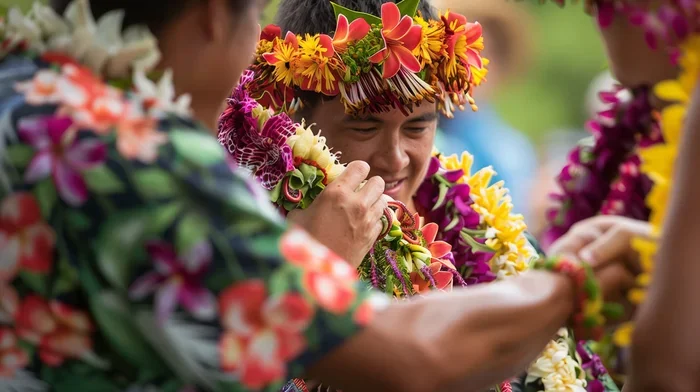
The honi is a traditional Hawaiian greeting that involves touching noses. Two people gently press their noses together and sometimes share a breath. It is an intimate and respectful greeting. It symbolizes the sharing of the “ha,” or breath of life.
You will not see honi used in every casual setting. It is more common among family members, close friends, and in ceremonial contexts. If you are ever invited to participate in a honi, it is a beautiful experience. Just follow the other person’s lead. Go slow and be gentle. This greeting shows deep respect and connection.
Hawaiian Pidgin Greetings
Hawaiian Pidgin, often called just “pidgin,” is a creole language spoken by many locals. It blends English, Hawaiian, Chinese, Japanese, Portuguese, and Filipino influences. When you learn how to say hi in Hawaii through pidgin, you show that you respect and appreciate the local culture.
Here are some common pidgin greetings:
- “Da kine” — A versatile expression that can mean “the kind” or “that thing.” Locals use it all the time in casual chat.
- “Howzit?” — A pidgin version of “How is it going?” It is casual and friendly.
- “Sho nuff” — Means “sure enough” or “absolutely.” You might hear it in response to a greeting.
- “Brahdah/Braddah” — Means “brother” but is used for friends of any gender.
Using even one or two pidgin phrases can make a big difference. It shows that you are not just a passing tourist. You are someone who wants to understand the culture.
The Shaka Sign and Other Hawaiian Gestures
Greeting someone in Hawaii is not just about words. Gestures play a huge role. The shaka sign is the most famous, but there are others worth knowing. These small physical cues can help you connect with locals on a deeper level.
The Shaka in Detail
The shaka has a fascinating origin story. It is believed to have started with a man named Hamana Kalili in Laie, Hawaii. He lost three fingers on one hand in a sugar mill accident. Children on the playground began copying his hand signal as a game. Over time, it grew into a beloved symbol of Hawaiian friendliness.
Today, the shaka means so much more than just “hello.” It can mean “thank you,” “good luck,” “take care,” or simply “I am chill.” When you flash a shaka, you are sharing a piece of island culture. It is a small gesture with a big meaning.
Eye Contact and Smiling
Do not underestimate the power of a genuine smile and steady eye contact. In Hawaiian culture, these small gestures communicate respect and openness. When you look someone in the eye and smile while saying aloha, you are showing that you mean it. That is how you build trust with strangers.
Locals appreciate sincerity. They can tell when a greeting is heartfelt versus when it is just a habit. So slow down. Make eye contact. Let your smile reach your eyes. These simple acts set you apart from the crowd.
The Nod of Acknowledgment
A gentle nod is another common Hawaiian greeting gesture. It is subtle but powerful. A nod says “I see you” and “I respect you.” It works well in situations where a full conversation is not appropriate. For example, when you pass a neighbor on the sidewalk or greet someone from a distance.
Combine a nod with a soft “aloha” and you have the perfect low-key greeting. It is warm without being overbearing. That balance is very Hawaiian.
Hawaiian Pidgin English and Island Slang
When you learn how to say hi in Hawaii, you also need to understand the local way of speaking. Hawaiian Pidgin is the heartbeat of island communication. It is not a broken or incorrect form of English. It is a full, rich language with its own grammar, vocabulary, and culture.
Why Pidgin Matters
Pidgin developed on the Hawaiian sugar plantations in the late 1800s. Workers from many different countries needed a way to communicate. They blended their languages into something new. That new language became pidgin. It is a symbol of unity and adaptation. Today, it is spoken by people of all backgrounds in Hawaii.
Understanding pidgin helps you connect with locals on a personal level. It shows that you are interested in more than just the beaches and sunsets. You want to understand how people actually live and talk on the islands.
Common Pidgin Words and Phrases
Here is a quick list of pidgin terms you will hear often:
- “Ono” — Means delicious. You will hear it at every meal.
- “Talk story” — Means to chat casually or catch up.
- “Choke” — Means a lot or many.
- “Pau” — Means finished or done.
- “A hui hou” — Means “until we meet again.” It is a warm farewell.
These phrases are easy to use and locals love it when visitors try them. It shows effort and genuine interest. You will likely get a big smile in return.
Texting and Island Slang Online
Communication has evolved, and so has island slang. Younger Hawaiians use abbreviations and shorthand when texting, just like people everywhere. You might come across terms like Wtw Meaning In Text when chatting with locals online. Understanding these digital shortcuts helps you stay connected even in text conversations. It is a small detail that shows you are paying attention to modern island culture.
Similarly, you may encounter Ts Meaning In Text in casual online exchanges. These abbreviations are part of how locals keep conversations quick and fun. If you are not sure what a term means, it is perfectly fine to ask. Locals appreciate curiosity and are usually happy to explain.
Cultural Etiquette When Greeting Locals
Hawaii has a rich cultural heritage, and with that comes certain etiquette expectations. When you greet someone, especially a local, following a few simple guidelines goes a long way. Respect is the foundation of every interaction.
Respect the Language
The Hawaiian language is sacred. It was nearly lost during the colonial period but has been revived and celebrated. When you use Hawaiian words correctly, you show respect for this heritage. Pronunciation matters too. The Hawaiian alphabet has only 12 letters, and each sound is pronounced clearly. Take the time to learn the proper pronunciation. It makes a difference.
Be Warm and Patient
Hawaiian culture values slowness and presence. People do not rush through conversations. When you greet someone, give them your full attention. Do not check your phone. Do not look around. Just be there. That kind of presence is rare and deeply appreciated.
If a local takes time to chat with you, do not rush them. Enjoy the moment. Ask questions. Listen actively. These small efforts build genuine connections.
Dress Respectfully
Hawaii is casual and laid-back, but that does not mean anything goes. When meeting someone new, clean and presentable clothing is appreciated. You do not need to dress up. Just avoid looking too disheveled. A clean shirt and sandals are usually perfect.
Bring a Small Gift When Visiting Someone’s Home
If you are invited to a local’s home, bring a small gift. Fresh fruit is a classic and thoughtful choice. It shows that you appreciate their hospitality. This is a small gesture with a big impact. It aligns perfectly with the aloha spirit.
Quick Tips for Connecting with Hawaiians
Here are some fast, actionable tips to help you greet locals and build meaningful connections:
- Always start with “aloha.” It is the universal greeting and it sets a positive tone immediately.
- Use the shaka sign when appropriate. It is casual, fun, and instantly signals that you get island culture.
- Learn a few pidgin phrases. Even “howzit” or “da kine” shows that you are making an effort.
- Smile genuinely and make eye contact. These nonverbal cues speak louder than words.
- Be patient and present. Slow down and give people your full attention.
- Ask questions about local culture. People love sharing their heritage when they see genuine interest.
- Respect traditions like the honi. If invited, participate with grace and openness.
These tips may seem simple, but they work. The secret is sincerity. Hawaiians can sense when someone is being authentic. When you approach interactions with genuine warmth, you will find that connections come easily.
Common Mistakes to Avoid When Greeting Locals
Even well-meaning visitors sometimes make missteps. Here are a few to watch out for:
- Overusing the word “aloha” like a tourist cliché. Say it with meaning, not as a script.
- Ignoring cultural context. Not every greeting is appropriate in every setting. Pay attention to the situation.
- Rushing the conversation. Hawaiians value unhurried, meaningful exchanges. Do not treat greetings as a formality to get through quickly.
- Assuming all locals speak pidgin. Some do, some do not. Let the other person guide the conversation.
- Being overly familiar too quickly. Build trust gradually. Respect personal boundaries.
Avoiding these mistakes shows that you are thoughtful and considerate. That alone will set you apart from most visitors.
Expert Insights on Island Communication
According to cultural practitioners, the Hawaiian greeting is about more than words. It is about energy. When you say aloha, you are sending out a specific frequency of love and respect. The way you say it matters just as much as the word itself.
Local cultural experts also emphasize the importance of listening. In Hawaiian tradition, listening is a form of respect. When someone greets you, give them your full presence. Listen to their words. Watch their body language. Feel the energy of the moment.
This approach to communication is deeply rooted in the concept of “ike loa,” which means “great knowledge.” It teaches that true understanding comes from paying deep attention to others. When you apply this principle to your greetings, every interaction becomes more meaningful.
Key Takeaways
- Aloha is more than a greeting: It represents love, compassion, and the sharing of life force.
- The honi nose touch is a traditional Hawaiian greeting: It shows deep respect and connection.
- Hawaiian pidgin adds authenticity to island conversations: Learning a few phrases helps you connect.
- The shaka sign is a universal symbol of friendship: Use it to spread good vibes.
- Cultural etiquette matters when greeting locals: Respect, patience, and sincerity are key.
- Texting abbreviations like Wtw Meaning In Text are part of modern island communication: Stay curious about how locals interact online.
- Small gestures make the biggest impact: A smile, a nod, and eye contact can transform a simple hello.
Conclusion
Learning how to say hi in Hawaii is about much more than words. It is about embracing a culture built on love, respect, and genuine human connection. When you say aloha with your whole heart, you are participating in a tradition that has existed for centuries. You are honoring the people, the land, and the spirit of the islands.
Whether you use the classic aloha, flash a shaka, try a pidgin phrase, or share a honi, the most important thing is sincerity. Hawaiians value authenticity above all else. When you approach every greeting with warmth and respect, you will find that the islands open up to you in extraordinary ways.
So the next time you step off the plane or walk into a local shop, remember these tips. Say aloha with meaning. Flash the shaka with confidence. And above all, be present. That is the true way to say hi in Hawaii. That is how you connect. That is how you carry the aloha spirit with you wherever you go.
Frequently Asked Questions
What is the most common way to say hi in Hawaii?
The most common way is simply saying “aloha.” It works for both hello and goodbye and is used in every setting, from casual to formal. Locals say it daily and it carries deep meaning of love and respect.
What does the shaka sign mean in Hawaii?
The shaka sign means friendship, good vibes, and “hang loose.” It is made by curling three fingers and extending the thumb and pinky. It is a casual, nonverbal greeting that locals use everywhere on the islands.
Is it okay for tourists to use Hawaiian words when greeting locals?
Absolutely. Hawaiians appreciate when visitors make the effort to use their language. Just make sure you pronounce the words correctly and say them with genuine feeling. It shows respect for the culture.
What is the honi greeting and when should I use it?
The honi is a traditional nose-to-nose greeting that symbolizes sharing the breath of life. It is typically reserved for family, close friends, and ceremonial occasions. Follow the other person’s lead if you are invited to participate.
What is Hawaiian pidgin and should I learn it?
Hawaiian Pidgin is a creole language that blends English, Hawaiian, and influences from many other cultures. Learning a few pidgin phrases like “howzit” or “da kine” helps you sound more natural and shows genuine interest in local culture.
How do locals text each other in Hawaii?
Locals use texting abbreviations similar to other places but with island flair. You might encounter terms like Wtw Meaning In Text or Ts Meaning In Text in casual online conversations. These shortcuts keep texting quick and fun while reflecting modern island communication styles.