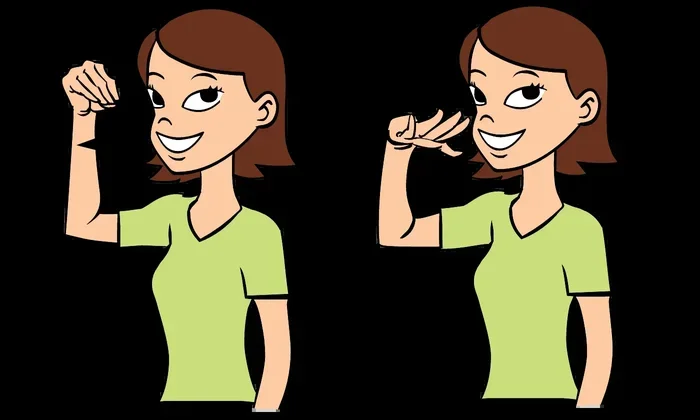

Learning how to say eat in ASL is one of the first steps every beginner takes when exploring American Sign Language. The sign for eat uses a simple hand motion that mimics bringing food to your mouth, making it easy to remember and practice. This guide covers the correct hand shape, movement, common mistakes, and variations you will encounter in everyday signing.
Key Takeaways
- Basic Sign: The standard ASL sign for eat involves touching your mouth with your dominant hand in a flat O shape.
- Variations Exist: Different contexts and regions may use slight variations of the eat sign.
- Related Food Signs: Once you master eat, you can easily learn drink, hungry, and full in ASL.
- Common Mistakes: Avoid using an incorrect hand shape or moving your hand too far from your face.
- Baby Sign Language: The eat sign is one of the most popular signs taught to babies and toddlers.
- Context Matters: Understanding ASL meaning goes beyond just individual signs and includes facial expressions and body language.
📑 Table of Contents
- How to Say Eat in ASL: A Complete Beginner Friendly Guide
- Why Learning the Eat Sign Matters
- How to Sign Eat in ASL
- Common Mistakes Beginners Make When Signing Eat
- Related Food Signs in ASL You Should Learn Next
- Using Eat in Real ASL Conversations
- How to Practice the Eat Sign Effectively
- Eat in Baby Sign Language
- Where to Learn More ASL Signs Online
- Conclusion
How to Say Eat in ASL: A Complete Beginner Friendly Guide
Have you ever wondered how to say eat in ASL? Maybe you are learning sign language for the first time, or perhaps you want to communicate better with a deaf friend or family member. Whatever your reason is, mastering the sign for eat is a fantastic starting point.
American Sign Language uses visual gestures to convey meaning, and the eat sign is one of the most intuitive signs you will ever learn. It looks exactly like what it means. You simply bring your hand to your mouth as if you are feeding yourself. Easy, right?
This guide will walk you through every detail. You will learn the correct hand shape, the proper movement, common mistakes to avoid, and even some related food signs that will expand your vocabulary fast.
Why Learning the Eat Sign Matters
The eat sign is foundational in ASL. It appears in daily conversations, storytelling, and even in baby sign language programs. When you know how to sign eat properly, you open the door to expressing basic needs, talking about meals, and building more complex sentences.
Understanding the ASL meaning behind everyday words like eat also helps you appreciate the richness of deaf culture. Sign language is not just a replacement for spoken words. It is a full visual language with its own grammar, facial expressions, and spatial relationships.
If you are curious about how other common text abbreviations work, you might also want to check out our guide on WTW meaning in text to broaden your digital communication skills alongside your ASL knowledge.
How to Sign Eat in ASL
The Basic Hand Shape
To sign eat correctly, start with your dominant hand. Extend your index finger and keep the other fingers curled into your palm. Your thumb should rest gently against the side of your hand. This hand shape resembles a flat O or a claw-like position.
Some signers use a slightly looser hand shape where the fingers are just slightly curved rather than tightly pressed. Both versions are acceptable. The key is that your hand looks deliberate and clear.
The Correct Movement
Now bring your hand toward your mouth. Touch the tips of your fingers to your lips. Then move your hand forward slightly away from your face. This forward motion mimics the action of putting food in your mouth and eating it.
Keep these steps in mind:
- Step 1: Form the hand shape with your dominant hand.
- Step 2: Bring your fingertips to your lips.
- Step 3: Move your hand forward a few inches.
- Step 4: Repeat the motion if you are signing eat multiple times.
Your facial expression matters too. A natural expression of eating or enjoying food adds authenticity to your signing. This is a core part of nonverbal communication in ASL.
Common Variations of the Eat Sign
In practice, you will see a few variations of the eat sign. Some signers use a flatter hand with all fingers extended and touching the lips. Others use a more compact hand shape. Regional differences also play a role.
Here is a quick comparison of the most common variations:
| Variation | Hand Shape | Best Used In |
|---|---|---|
| Standard Eat Sign | Index finger extended, other fingers curled | Everyday conversation |
| Flat Hand Variation | All fingers extended, flat hand | Formal signing or storytelling |
| Compact Hand Variation | Fingers loosely curled | Casual or fast signing |
All three variations are understood by the deaf community. Consistency and clarity matter more than which exact version you choose.
Common Mistakes Beginners Make When Signing Eat
Even simple signs can trip up new learners. Here are the most common mistakes people make when learning how to say eat in ASL:
- Using the wrong hand: Always use your dominant hand. If you are right handed, your right hand does the signing.
- Moving too far from the face: The motion should stay close to your mouth. Moving your hand too far away changes the meaning or looks unclear.
- Incorrect finger positioning: Make sure your index finger is clearly extended. A vague hand shape can confuse the viewer.
- Forgetting facial expressions: ASL relies heavily on facial cues. A blank face makes even the correct sign harder to understand.
- Signing too fast: Speed does not equal accuracy. Slow down until the hand shape feels natural.
Quick Tips to Avoid These Mistakes
Practice in front of a mirror. This lets you check your hand shape and movement. Record yourself on video and watch it back. You will spot errors quickly this way. And remember, slow and steady wins the race when learning any new language.
Related Food Signs in ASL You Should Learn Next
Once you feel confident with the eat sign, you can build on that foundation. Here are some related food signs that pair naturally with eat:
How to Sign Drink in ASL
The drink sign uses a similar motion. You touch your chin with your fingertips and then move your hand forward. It looks like you are lifting a cup to your lips. This sign pairs perfectly with eat in everyday conversations.
How to Sign Hungry in ASL
To sign hungry, place your hand near your stomach with your palm facing inward. Move your hand in a small claw-like motion downward. This sign tells others you need to eat.
How to Sign Full in ASL
For the sign full, place both hands with palms facing up near your chest. Push your hands outward and slightly upward. This shows that you have eaten enough.
How to Sign Food in ASL
The food sign involves tapping your fingertips against your mouth twice. It is very similar to the eat sign but with two taps instead of one. This small difference changes the meaning from the action of eating to the concept of food itself.
Learning these signs together creates a mini vocabulary that lets you talk about meals, snacks, and hunger in sign language fluently.
Using Eat in Real ASL Conversations
Knowing the sign is just the beginning. Using it in context is where real learning happens. Here are some practical examples:
- Basic sentence: YOU EAT? (pointing at the person and signing eat)
- Expressing hunger: I HUNGRY. WANT EAT.
- Talking about a meal: DINNER EAT GOOD. (using the sign for good with a positive facial expression)
- Inviting someone: YOU WANT EAT WITH ME?
Notice how the eat sign fits naturally into short sentences. ASL grammar differs from English. You often drop words like “the” or “a” and rely on word order and facial expressions to convey meaning.
ASL Slang and Informal Signs for Eat
Just like any language, ASL has informal and slang variations. Some signers use a quick, abbreviated version of the eat sign in casual settings. The ASL meaning slang community also has playful variations that younger signers use in text and social media.
For instance, when texting about food, some people in the deaf community use shorthand similar to how hearing people use abbreviations. Understanding ASL meaning slang can help you follow along in informal conversations and online deaf spaces.
It is worth noting that some text-based communication in the deaf community uses abbreviations that might seem unrelated at first. For example, if you come across the letters “TS” in a deaf community chat, you might want to look up TS meaning in text to understand the context better.
How to Practice the Eat Sign Effectively
Practice makes permanent. Here are some proven methods to drill the eat sign until it feels natural:
- Mirror practice: Stand in front of a mirror and sign eat slowly. Check that your hand shape and movement look clean.
- Video recording: Record yourself signing and compare it to tutorials from certified ASL courses or sign language dictionary resources.
- Conversation practice: Find a partner who knows ASL. Practice signing eat in simple sentences. Get feedback on your form.
- Daily integration: Sign eat every time you sit down for a meal. This real life repetition builds muscle memory fast.
- Flashcards: Create flashcards with the eat sign on one side and the word on the other. Quiz yourself daily.
Expert Insight
Deaf educators recommend learning signs in context rather than isolation. When you practice the eat sign, pair it with other food related signs like drink, hungry, and yummy. This builds neural connections and makes your signing flow more naturally.
Eat in Baby Sign Language
The eat sign is one of the first signs parents teach babies. Baby sign language uses simplified versions of ASL signs to help preverbal children communicate their needs. The eat sign works perfectly for babies because the hand motion is easy to mimic and highly motivating.
When a baby points to their mouth and makes the eat sign, parents know it is time for a meal. This reduces frustration for both the baby and the parent. It also encourages early communication skills that benefit language development.
If you are a parent or caregiver, learning the eat sign alongside your baby creates a bonding experience and opens a new channel of connection.
Where to Learn More ASL Signs Online
The eat sign is just the beginning of your ASL journey. If you want to expand your vocabulary, there are many great resources available:
- ASL Dictionary websites: Search for specific signs and watch slow motion videos of proper hand movements.
- Online ASL courses: Structured lessons guide you from beginner to advanced levels.
- Deaf community events: Attending local deaf events or meetups gives you real practice with native signers.
- YouTube channels: Many certified ASL instructors post free tutorials covering food signs, greetings, and conversational phrases.
The best way to improve is consistent practice and real interaction with the deaf community. Technology has made it easier than ever to connect with native signers from anywhere in the world.
Conclusion
Learning how to say eat in ASL is a rewarding first step into the world of American Sign Language. The basic sign is simple, intuitive, and useful in everyday life. Whether you are communicating with a deaf friend, teaching a baby, or expanding your language skills, the eat sign serves as a strong foundation.
Remember to focus on hand shape, movement, and facial expressions. Avoid common beginner mistakes. Practice regularly. And once you have the eat sign down, build on it with related food signs to create a rich and expressive vocabulary.
Sign language opens doors to a vibrant community and a beautiful way of communicating. Start with eat, keep practicing, and enjoy the journey.
Frequently Asked Questions
What is the ASL sign for eat?
The ASL sign for eat involves touching your fingertips to your lips and then moving your hand forward slightly. Your index finger is extended while the other fingers are curled into your palm. This simple motion mimics bringing food to your mouth.
Can I use the eat sign in baby sign language?
Absolutely. The eat sign is one of the most popular signs taught to babies. It uses the same basic hand shape and movement as adult ASL, making it easy for little ones to learn and use to communicate hunger.
Are there different versions of the eat sign in ASL?
Yes, there are a few variations. Some signers use a flat hand with all fingers extended, while others keep a more compact hand shape. Regional differences also exist. All variations are understood within the deaf community as long as the motion stays clear and close to the face.
How long does it take to learn the eat sign in ASL?
Most beginners can learn the eat sign within a few minutes of practice. However, building muscle memory and using it confidently in real conversations takes consistent practice over a few days or weeks.
What other food signs should I learn after eat?
Great follow-up signs include drink, hungry, full, and food. These signs pair naturally with eat and help you build a functional food related vocabulary in ASL quickly and easily.
Is ASL the same as baby sign language?
Baby sign language is based on ASL but uses simplified versions of signs. The core signs like eat are nearly identical. However, baby sign language focuses on basic communication needs rather than full grammatical structure.



