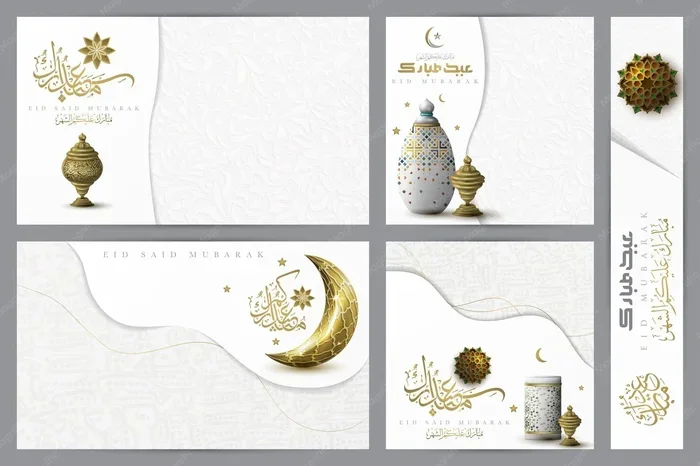

Learning how to say happy Eid in Arabic is a beautiful way to connect with Muslim friends and family during the festive season. Whether you are sending a text, writing a card, or greeting someone in person, knowing the right Arabic Eid phrase makes your message feel genuine and respectful. This guide covers everything from basic greetings to creative text messages you can use this Eid.
Eid is one of the most joyful celebrations in the Islamic calendar. It brings families together, fills streets with color, and fills hearts with gratitude. If you have ever wondered how to say happy Eid in Arabic, you are in the right place. This guide will walk you through every phrase, greeting, and message you need to make your Eid wishes feel special.
Whether you are texting a friend, writing a greeting card, or meeting someone in person, the right words matter. Eid greetings in Arabic carry warmth and tradition. They show that you care about someone’s culture and faith. And the best part? You do not need to be fluent in Arabic to use these phrases. A simple Eid Mubarak goes a long way.
Let us dive into everything you need to know about saying happy Eid in Arabic. From the basic phrases to creative text messages, you will find practical tips you can use right away.
Key Takeaways
- Eid Mubarak is the most common and widely used greeting for both Eid al-Fitr and Eid al-Adha.
- Knowing how to say happy Eid in Arabic shows respect and cultural awareness when connecting with Muslim communities.
- Text message greetings have become a popular way to share Eid wishes, especially among younger generations.
- Different Arabic phrases exist for each type of Eid, so understanding the distinction matters.
- Practical tips and examples help you craft personalized and heartfelt Eid messages for any occasion.
- Cultural context adds depth to your greetings and makes them more meaningful to the recipient.
📑 Table of Contents
- What Does Happy Eid Mean in Arabic?
- How to Say Happy Eid in Arabic: The Essential Phrases
- Writing Eid Greetings for Text Messages
- Creative Eid Greeting Ideas
- Cultural Tips for Greeting During Eid
- Common Mistakes to Avoid When Greeting for Eid
- Expert Insights on Eid Greetings
- Practical Examples of Eid Greetings for Different Occasions
- Quick Tips for Perfect Eid Greetings
- Conclusion
What Does Happy Eid Mean in Arabic?
Before we jump into the phrases, it helps to understand what these greetings actually mean. Eid means festival or celebration in Arabic. Mubarak means blessed. So when you say Eid Mubarak, you are literally saying Blessed Eid. It is a heartfelt wish for a joyful and blessed celebration.
There are two major Eid celebrations each year. Eid al-Fitr marks the end of Ramadan, the holy month of fasting. Eid al-Adha is the Festival of Sacrifice, which happens about two months later. Both are important, and both use similar greetings. However, some people prefer specific phrases for each occasion.
Eid al-Fitr Greetings
Eid al-Fitr is a time of joy after a month of fasting. People gather for morning prayers, share meals, and give gifts to children. The most common greeting is simply Eid Mubarak. You can also say Eid Saeed, which means Happy Eid. Both are widely accepted and loved.
Eid al-Adha Greetings
Eid al-Adha honors the willingness of Prophet Ibrahim to sacrifice his son in obedience to God. Families who can afford it perform the sacrifice and share the meat with the less fortunate. Greetings for this Eid are the same as Eid al-Fitr. Eid Mubarak and Eid Saeed work perfectly here too.
How to Say Happy Eid in Arabic: The Essential Phrases
Now let us get to the core of it. Here are the most common and beautiful ways to say happy Eid in Arabic. Each phrase carries its own flavor and meaning.
Eid Mubarak
This is the gold standard of Eid greetings. Almost everyone in the Muslim world uses this phrase. It works for both Eids, for texts, cards, and face-to-face greetings. When you say Eid Mubarak, you are wishing someone a blessed and joyous celebration.
Pronunciation: Eeed Moo-barak
Eid Saeed
Eid Saeed translates directly to Happy Eid. It is a simpler, more casual greeting. Younger generations and friends often use this one in text messages and social media posts. It feels warm and friendly.
Pronunciation: Eeed Say-ed
Eid Mubarak Alakum
This is a more formal and extended version of Eid Mubarak. It means Blessed Eid be upon you. This phrase works well in professional settings or when greeting elders. It shows extra respect and sincerity.
Pronunciation: Eeed Moo-barak Ah-lak-um
Kul Aam Wa Antum Bi-Khair
This phrase means May every year find you in good health. It is a beautiful, traditional greeting that goes beyond just Eid. Many Arabic speakers use this as a general well-wish during the holiday season. It shows deep care and long-term goodwill.
Pronunciation: Kool Aam Wa An-tum Bee-Khayr
Writing Eid Greetings for Text Messages
Texting has become one of the most popular ways to share Eid wishes. A quick message feels personal and immediate. But crafting the perfect Eid text message takes a little thought. Here are some tips and examples to help you get it right.
Keep It Simple and Sweet
You do not need a long message to make someone smile. A short and sincere greeting works beautifully. Here are a few examples you can copy and send right away:
- Eid Mubarak! Wishing you peace and joy this Eid.
- Eid Saeed! May your day be filled with happiness.
- Happy Eid! Celebrate and enjoy with your loved ones.
- Eid Mubarak Alakum! May blessings follow you all year.
Add a Personal Touch
Personal touches make your message stand out. Mention something specific about the person or your relationship. This shows you put thought into your greeting. For example, you could write about shared memories, family traditions, or hopes for the new year.
If you are unsure about the exact wording, remember that understanding text abbreviations and casual language helps too. Many people use shortened forms in texts, and keeping your message natural and warm is what matters most. You do not need to overthink it. Authenticity beats perfection every time.
Use Arabic Script for an Authentic Feel
For an extra special touch, include the Arabic script in your message. This shows effort and respect. Here are the phrases in Arabic:
- Eid Mubarak in Arabic: عيد مبارك
- Eid Saeed in Arabic: عيد سعيد
- Kul Aam Wa Antum Bi-Khair in Arabic: كل عام وأنتم بخير
Even if you cannot read Arabic script, including it in your text makes the greeting feel more genuine and culturally rich. Your recipient will appreciate the effort.
Creative Eid Greeting Ideas
Want to go beyond the standard greeting? Here are some creative ideas to make your Eid wishes memorable.
Eid Greeting Cards
Digital greeting cards are hugely popular during Eid. You can design a simple card with Arabic calligraphy, festive colors, and a heartfelt message. Many free tools let you create beautiful cards in minutes. Add your personal Eid greeting in Arabic and send it to family and friends.
Social Media Posts
Sharing Eid wishes on social media has become a modern tradition. A well-crafted post with Arabic phrases and festive images can spread joy to a wide audience. Use hashtags like #EidMubarak or #HappyEid to join the global celebration.
When posting online, remember that casual language and abbreviations are common. Some people use shorthand like ts in their messages to keep things quick and fun. Understanding these digital communication trends helps you connect better with younger audiences during Eid celebrations.
Video Messages
A short video greeting adds a personal and lively touch. Record yourself saying Eid Mubarak with a smile. Add some festive music in the background. Share it with family groups or post it on your stories. Video messages feel warm and real in a way that text alone sometimes cannot.
Cultural Tips for Greeting During Eid
Beyond the words themselves, there are cultural nuances that make your Eid greetings even more meaningful. Understanding these shows respect and deepens connections.
Timing Matters
The best time to send Eid greetings is after the morning prayer on Eid day. This is when the celebration officially begins. Sending a message too early or too late can feel out of sync with the festivities. Aim for the morning or early afternoon of Eid day.
Be Inclusive
Eid is a time of unity and generosity. Your greetings should reflect that spirit. Use warm and inclusive language. Avoid anything that might feel exclusive or judgmental. The goal is to spread joy and togetherness.
Respect the Traditions
Different communities have different Eid traditions. Some families exchange gifts, others cook special meals, and some give to charity. Acknowledge these traditions in your greetings when appropriate. It shows that you value their culture and heritage.
Common Mistakes to Avoid When Greeting for Eid
Even with the best intentions, some common mistakes can dilute the impact of your Eid greeting. Here is what to watch out for.
Using the Wrong Phrase for the Wrong Occasion
While Eid Mubarak works for both Eids, some people prefer to distinguish between them. Using a phrase that does not fit the occasion can feel off. Stick with Eid Mubarak or Eid Saeed when in doubt. These are universally accepted and safe choices.
Overcomplicating Your Message
Long, overly formal messages can feel stiff and unnatural. Keep your greeting simple and genuine. A short, warm message always beats a long, complicated one. People appreciate sincerity over complexity.
Ignoring the Cultural Context
Eid is deeply rooted in faith and tradition. Greeting someone without acknowledging this can feel hollow. Take a moment to understand what Eid means to the person you are greeting. This small effort makes a big difference.
Expert Insights on Eid Greetings
Cultural experts and native Arabic speakers agree that the most powerful Eid greetings come from the heart. You do not need perfect pronunciation or flawless Arabic script. What matters is the sincerity behind your words.
Linguists point out that Arabic greetings carry layers of meaning. Each phrase reflects values like blessings, happiness, and community. When you learn how to say happy Eid in Arabic, you are not just learning words. You are tapping into a rich tradition of warmth and goodwill.
Many people also use digital tools to help them craft the perfect message. Some rely on translation apps, while others look up common phrases online. Understanding digital communication norms, including how people use casual text language and abbreviations, helps you write messages that feel natural and relatable to modern audiences.
Practical Examples of Eid Greetings for Different Occasions
Here is a handy list of ready-to-use Eid greetings for various situations. Pick the one that fits best and personalize it as needed.
| Occasion | Greeting |
|---|---|
| Text to a friend | Eid Mubarak! Hope you have a wonderful day 🌙 |
| Message to family | Eid Saeed to my favorite family. Kul Aam Wa Antum Bi-Khair. |
| Greeting a colleague | Wishing you a blessed Eid Mubarak. Enjoy the celebrations. |
| Social media post | Happy Eid to everyone celebrating! Eid Mubarak Alakum 🌍✨ |
| Greeting an elder | Eid Mubarak. May God bless you with health and happiness. |
Quick Tips for Perfect Eid Greetings
- Start with Eid Mubarak — it is universally recognized and always appropriate.
- Add a personal note to make your greeting feel special and thoughtful.
- Include Arabic script for an authentic and respectful touch.
- Send your greeting on Eid morning after the prayer for the best timing.
- Keep it warm and simple — sincerity matters more than length.
- Use both English and Arabic to bridge cultures and make your message inclusive.
Conclusion
Learning how to say happy Eid in Arabic is simpler than you might think. With just a few phrases like Eid Mubarak and Eid Saeed, you can share joy and respect with Muslim friends and family around the world. These greetings carry deep meaning and connect you to a beautiful cultural tradition.
Whether you are sending a quick text, writing a card, or posting on social media, the right words make all the difference. Use the examples and tips in this guide to craft greetings that feel personal, warm, and genuine. Your effort will be appreciated more than you know.
This Eid, take a moment to reach out with a heartfelt Arabic Eid greeting. Spread blessings, share happiness, and celebrate the spirit of togetherness. Eid Mubarak to you and your loved ones!
Frequently Asked Questions
What is the most common way to say happy Eid in Arabic?
The most common and widely used greeting is Eid Mubarak, which means Blessed Eid. It is used for both Eid al-Fitr and Eid al-Adha and is understood across the Muslim world. You can also use Eid Saeed for a more casual and friendly tone.
Can I say Eid Mubarak to someone who is not Muslim?
Absolutely. Eid Mubarak is a warm and inclusive greeting that anyone can use. Non-Muslims often use it to show respect and solidarity with their Muslim friends and colleagues. It is always appreciated and welcomed.
What is the difference between Eid al-Fitr and Eid al-Adha greetings?
The greetings are essentially the same for both occasions. Eid Mubarak and Eid Saeed work for both Eids. The difference lies in the occasion itself, not the greeting. Eid al-Fitr follows Ramadan, while Eid al-Adha comes about two months later.
How do I write Eid Mubarak in Arabic script?
Eid Mubarak in Arabic script is written as عيد مبارك. You can copy and paste this into your messages or cards. Including Arabic script adds an authentic and respectful touch to your greeting.
Is it better to send a text or a card for Eid greetings?
Both are great options and depend on your relationship with the recipient. A quick text feels personal and immediate, while a card feels more formal and thoughtful. Many people send both — a text on Eid morning and a card later in the week.
What other Arabic phrases can I use during Eid?
Beyond Eid Mubarak, you can use Eid Saeed for Happy Eid, Eid Mubarak Alakum for a more formal greeting, and Kul Aam Wa Antum Bi-Khair which means May every year find you in good health. All of these phrases add variety and depth to your Eid messages.
=== META TITLE ===
How to Say Happy Eid in Arabic | Perfect Greetings
=== URL SLUG ===
how-to-say-happy-eid-in-arabic
=== SEO TITLE ===
How to Say Happy Eid in Arabic for the Perfect Greeting



